RITES' 58% repricing of the Bidar–Kalaburagi electrification mandate shows how cost-plus turnkey contracting shifts escalation risk from consultant to


insghits
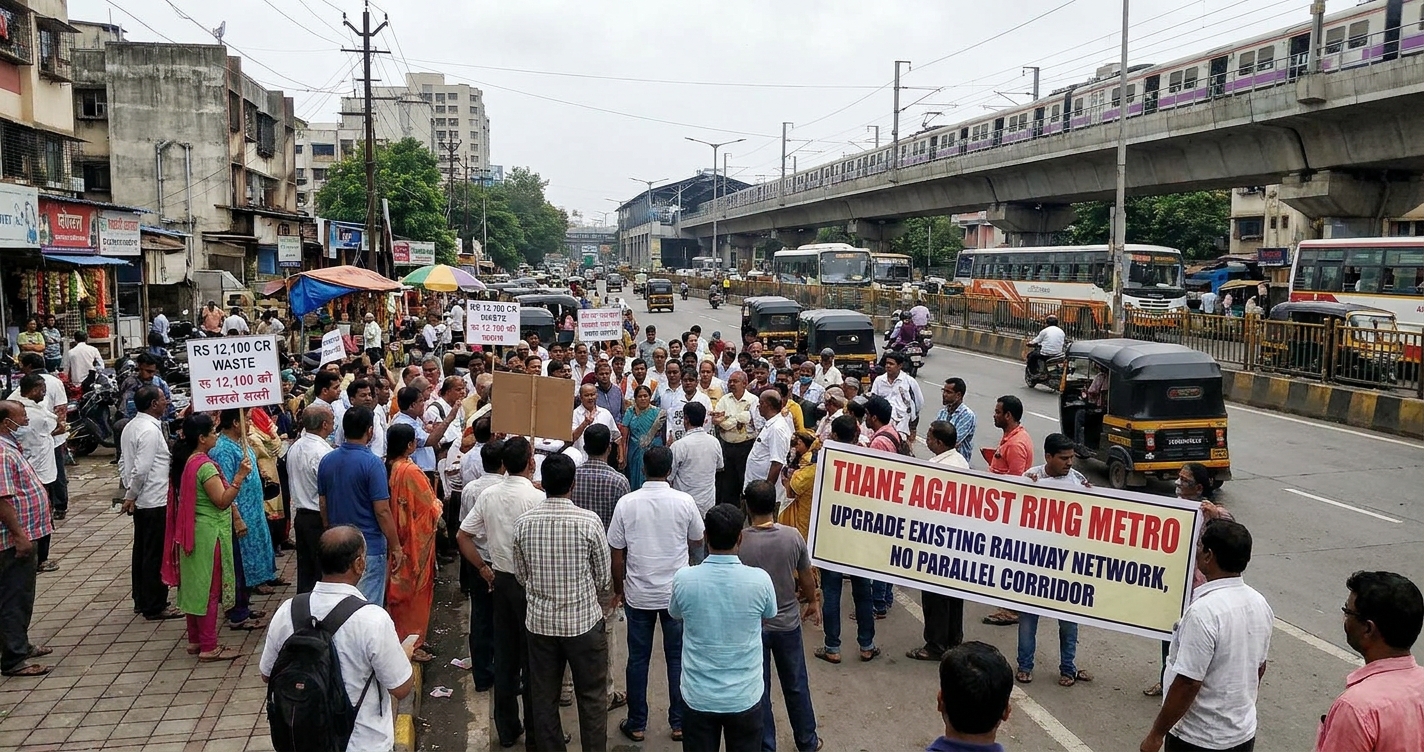
Thane Integral Ring Metro — a proposed Rs 12,100 crore elevated corridor promoted by the Thane Municipal Corporation and slated for execution by the Maharashtra Metro Rail Corporation Limited (MahaMetro) — now faces organised opposition that has shifted from petitions to street-level mobilisation.
The "Thane Against Ring Metro" group drew several hundred residents on Sunday to argue that Maharashtra's government should direct funding toward upgrading Thane's existing Central Railway suburban network rather than committing fresh capex to a parallel greenfield ring.
The commercial stakes sit in that framing. The roughly 29-kilometre alignment loops through Wagle Estate, Ghodbunder Road, Kolshet, Balkum, Kalwa, Mumbra and Diva — catchments already served by Central Railway's Thane, Kalwa, Mumbra and Diva stations.
The protesters' central claim is capital misallocation: brownfield capacity and interchange works on the existing network would, in their view, deliver faster relief at a fraction of the greenfield cost.
For MahaMetro and the Thane Municipal Corporation, the protest exposes a widening social-license gap between DPR-stage planning and on-ground acceptability.
Greenfield metro corridors in the Mumbai Metropolitan Region have historically cleared on connectivity logic, but a ring configuration that duplicates an existing rail catchment is uniquely exposed to the value-for-money challenge now being made in public.
The execution implications are direct. Sustained opposition can:
- Stall land acquisition
- Prolong statutory clearances
- Force design revisions that erode the Rs 12,100 crore cost envelope
Contractors, systems integrators and rolling-stock suppliers tracking the corridor for future tender flow should read this as scheduling risk, not merely reputational noise.
The broader signal is structural: promoters of urban rail capex must now defend new-build corridors against upgrade alternatives at the public-consultation stage, or risk converting approval risk into full delivery risk.
Insights
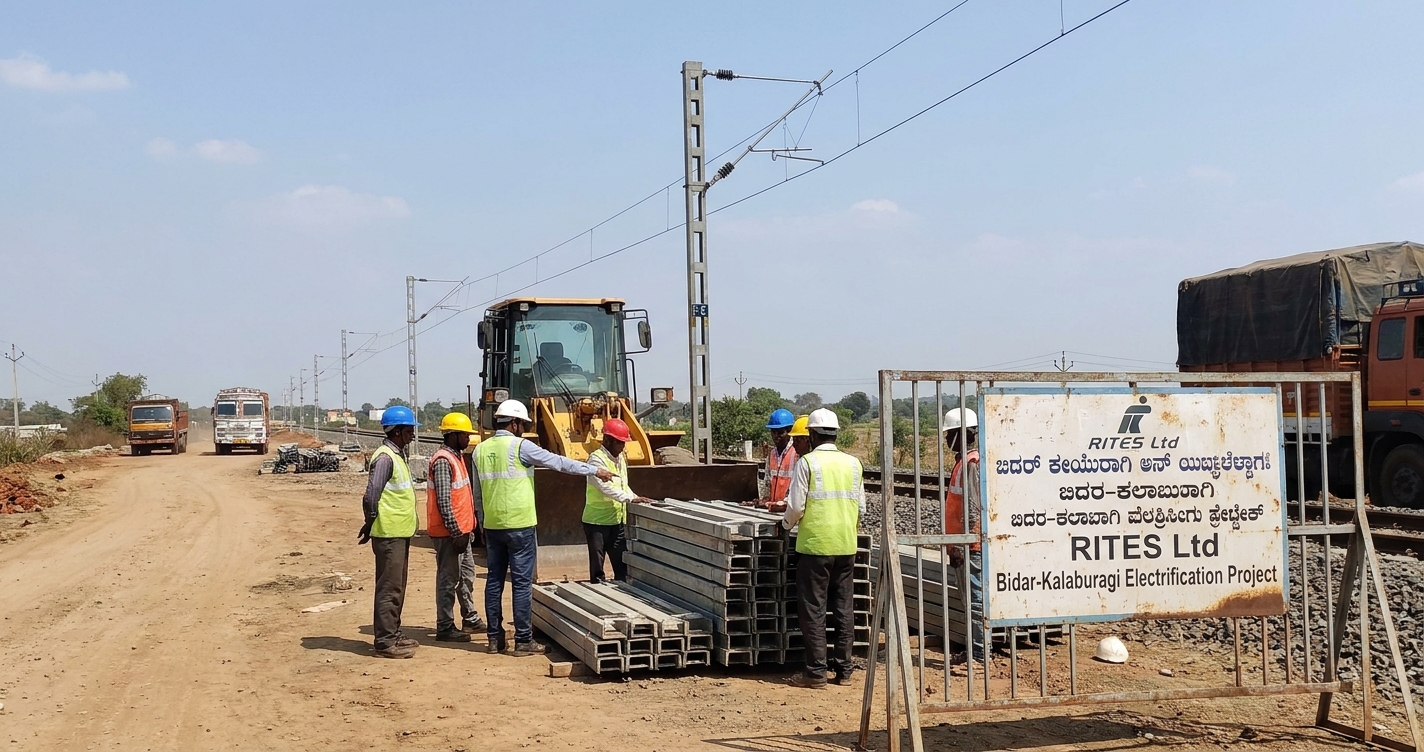
RITES' 58% repricing of the Bidar–Kalaburagi electrification mandate shows how cost-plus turnkey contracting shifts escalation risk from consultant to
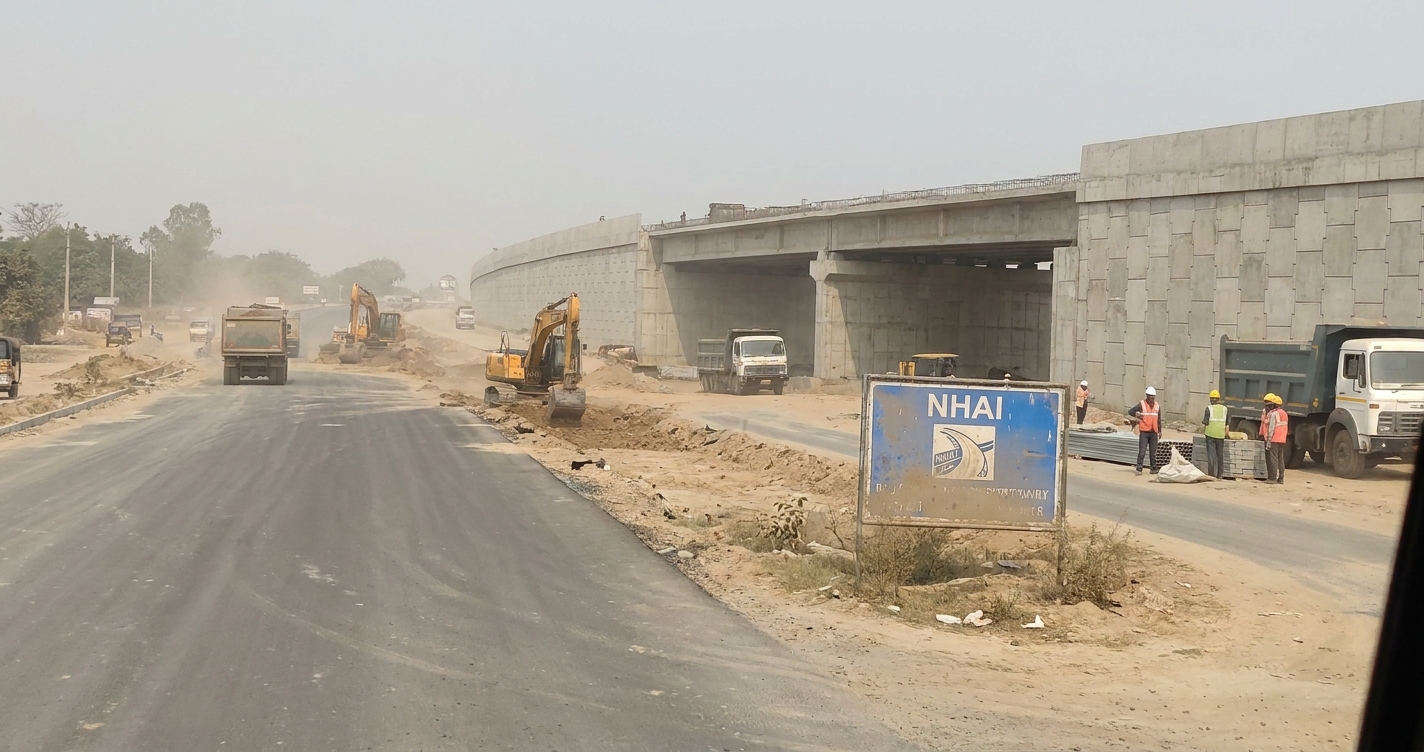
NHAI's 21 September 2026 design guidelines lock uniform 60-70m right-of-way and structure standards for 4-lane and 6-lane high-speed corridors, reshap
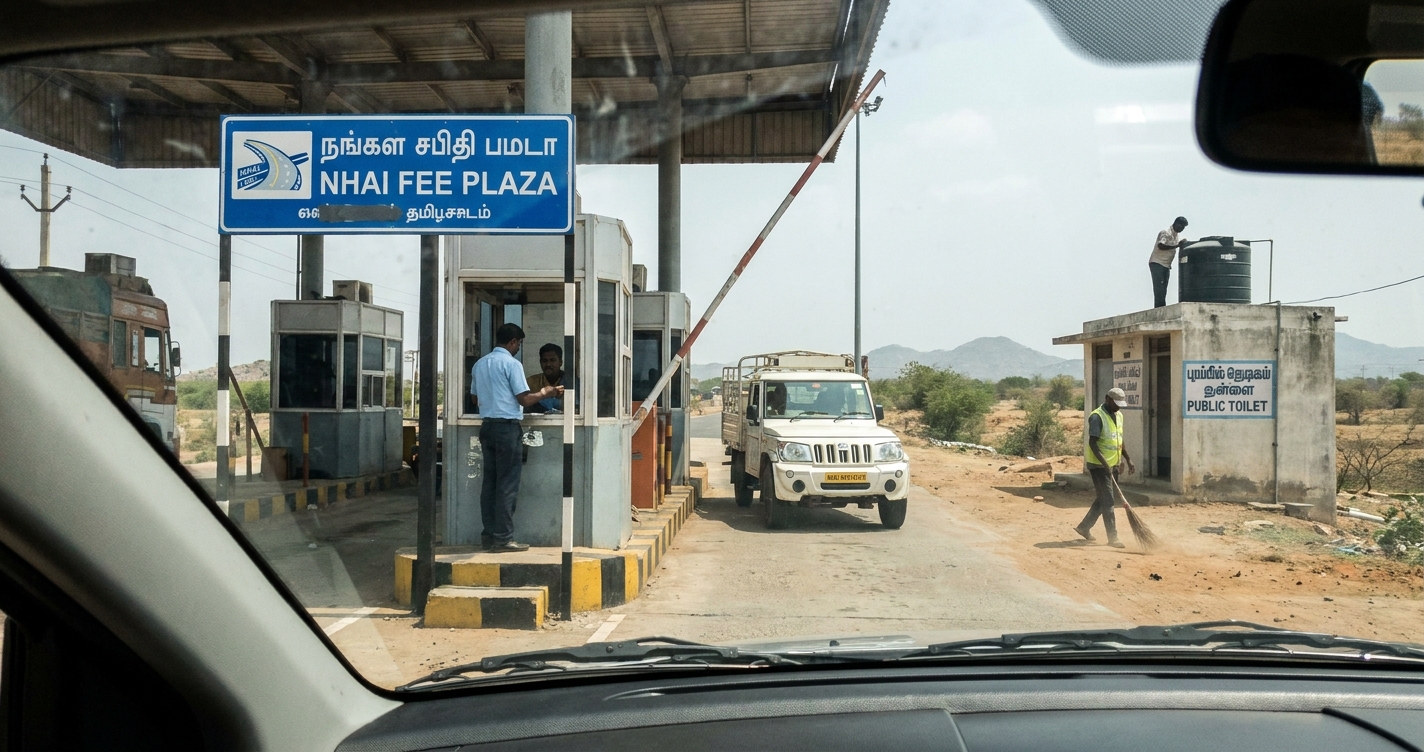
Hazoor Multi Projects' Rs 200-crore NHAI award in Tamil Nadu is a user fee collection and maintenance mandate, not a construction order — and that dis


Powered by

© Tuskus 2025 - All Rights Reserved by Teamic Creative Lab Pvt. Ltd.
