RITES' 58% repricing of the Bidar–Kalaburagi electrification mandate shows how cost-plus turnkey contracting shifts escalation risk from consultant to


insghits
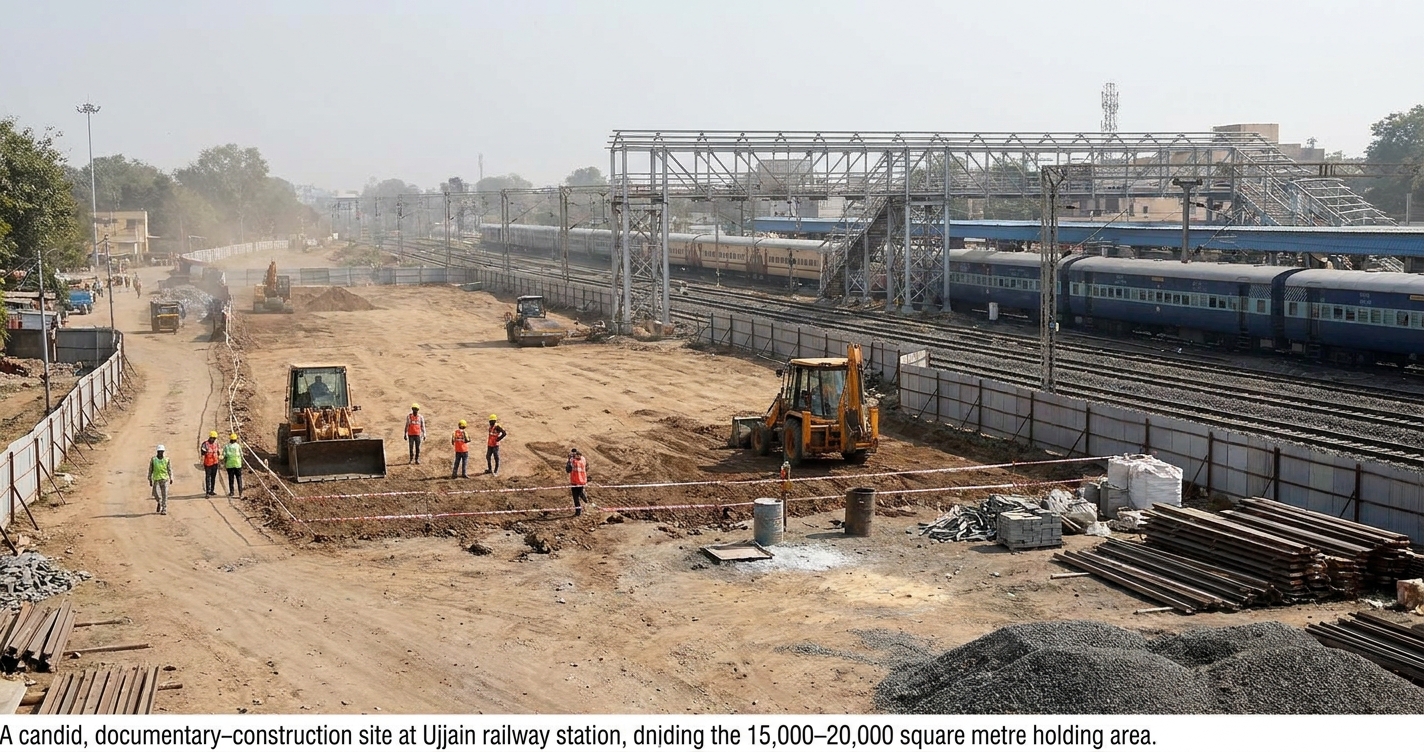
Railway Board Chairman Satish Kumar's Sunday review in Ujjain confirms what the yard works already suggested: Indian Railways is treating Simhastha 2028 as a hard delivery milestone, not a routine crowd exercise.
With 100–125 special trains planned and a 15,000–20,000 square metre holding area under construction at the second entrance, the Ujjain division is converting event urgency into permanent station capacity.
The most consequential detail is the completed yard remodeling. Following the June 2025 inspection, work has been delivered on schedule, and 24-coach trains can now arrive and depart from all platforms in either direction.
That is the hard engineering deliverable, and it is done.
What remains is the riskier envelope, all targeted for completion within 9–10 months:
- Two foot overbridges (6 m and 12 m wide)
- The station building
- Development at Vikram Nagar and adjoining stations
Commercially, Satish Kumar's commitment to avoid an “additional burden of higher fares” is a deliberate signal. Indian Railways is positioning Simhastha specials as a public service obligation rather than a yield opportunity.
The cost of stabling lines, maintenance and water infrastructure will be absorbed by the network, while the economic upside flows to Ujjain's hospitality and local economy.
On the passenger interface, IRCTC's booking flow has been compressed from 14 steps to seven, and the RailOne app has crossed roughly two crore downloads.
Combined with AI-based surveillance and a dense CCTV layer at stations, the operating model is shifting toward technology-led crowd management.
The execution risk sits in the next 9–10 months. Foot overbridge and station building completion against a religious calendar leaves minimal float.
Coordination with the district collector and local administration is critical because the holding area and second entrance only function if access roads, bus bays and dispersal zones are delivered in parallel — infrastructure the railway does not control.
The sector signal is sharper than the event.
Simhastha 2028 is operating as a capital-deployment forcing function: multi-year station upgrades are compressed into months and funded under event urgency, delivering permanent capacity that will outlive the event.
For contractors and suppliers, these are cash-visible public works where schedule risk, not funding risk, is the binding constraint.
Insights
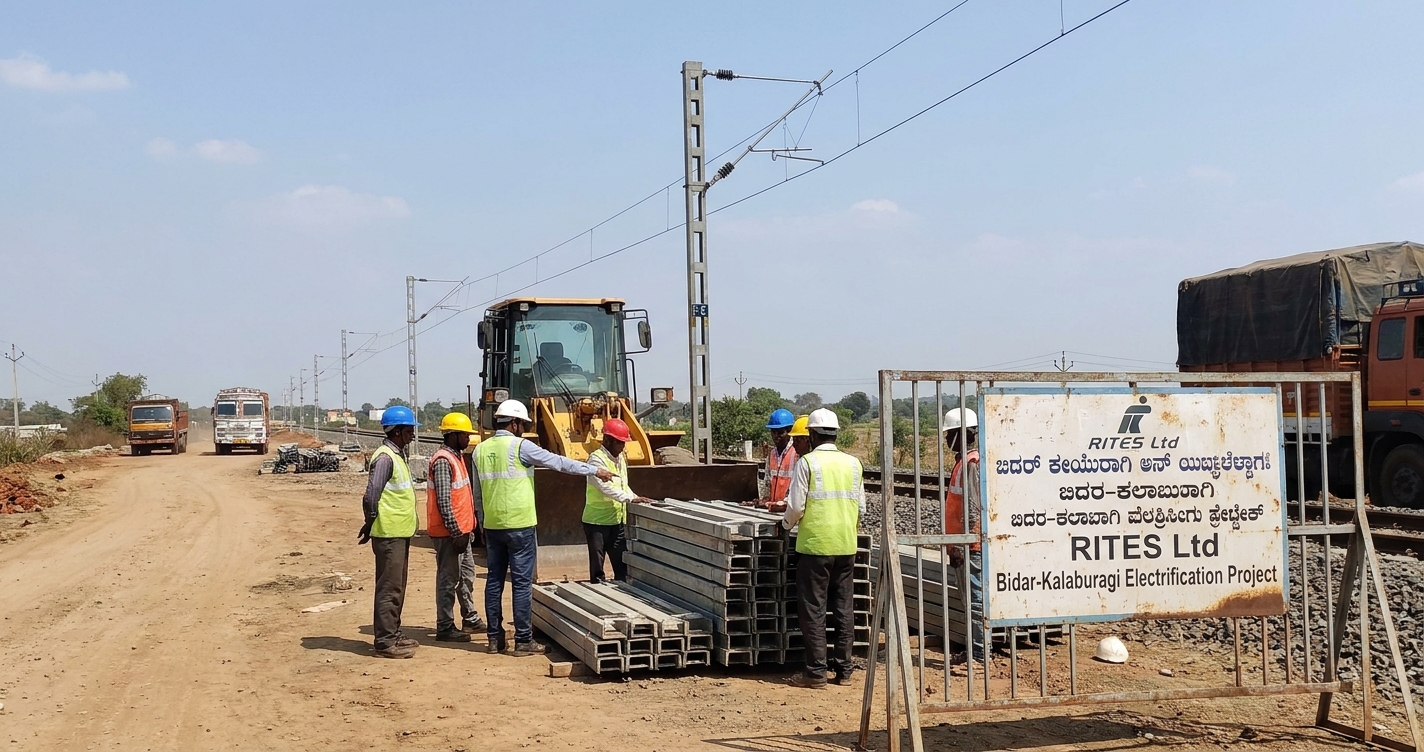
RITES' 58% repricing of the Bidar–Kalaburagi electrification mandate shows how cost-plus turnkey contracting shifts escalation risk from consultant to
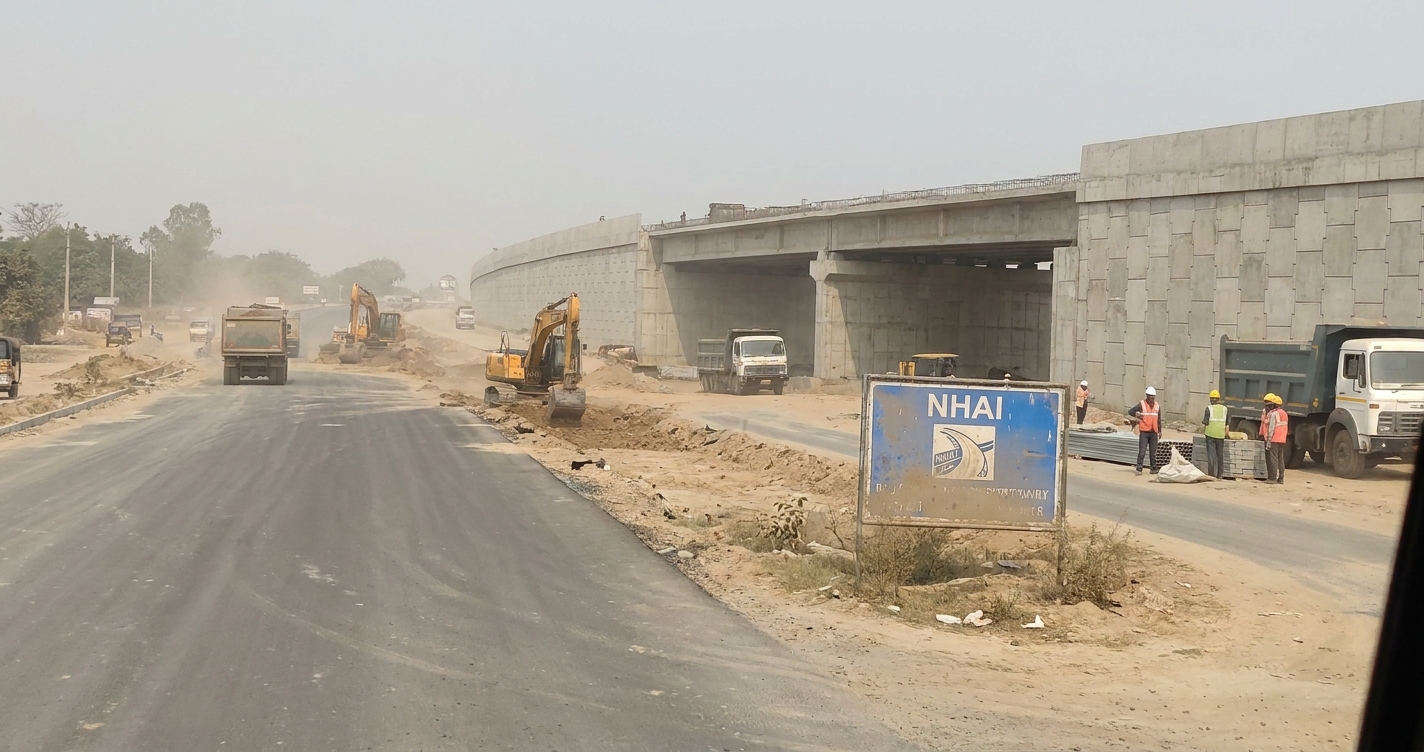
NHAI's 21 September 2026 design guidelines lock uniform 60-70m right-of-way and structure standards for 4-lane and 6-lane high-speed corridors, reshap
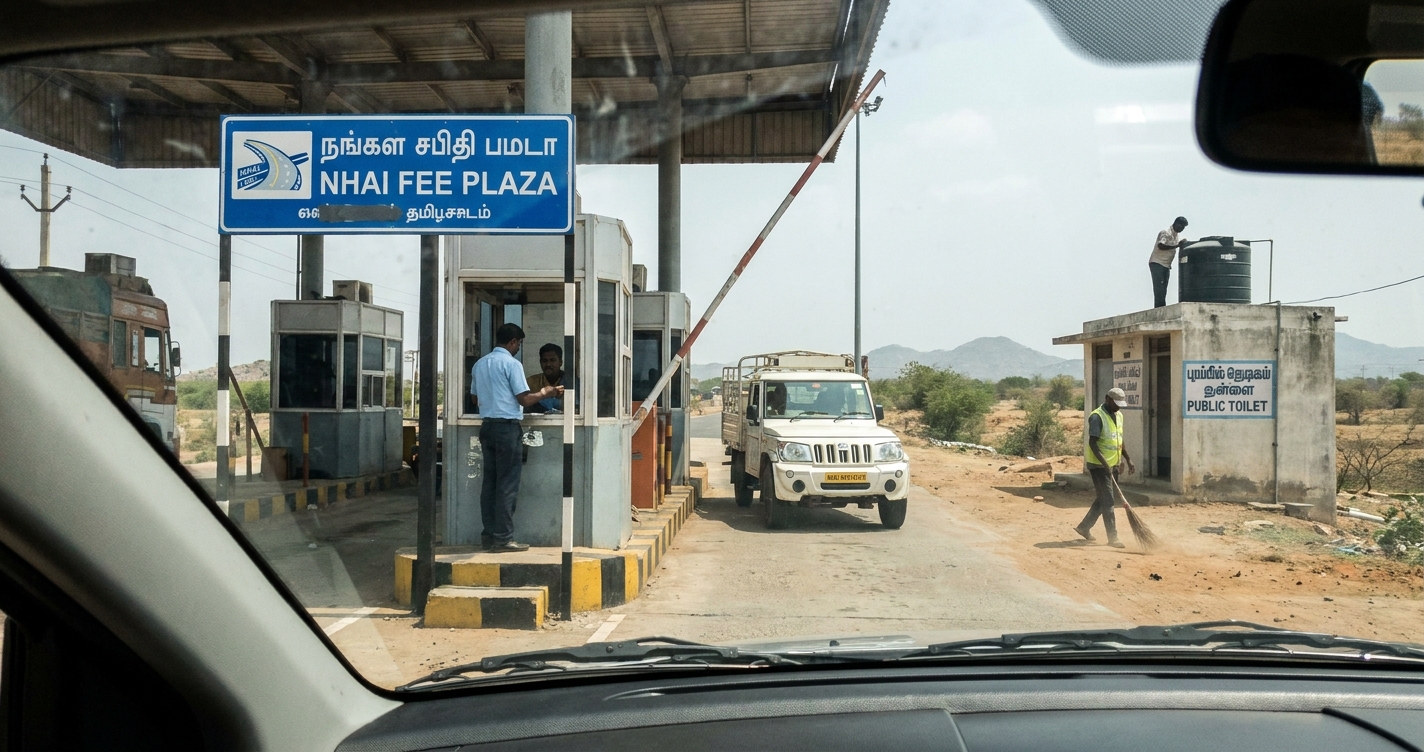
Hazoor Multi Projects' Rs 200-crore NHAI award in Tamil Nadu is a user fee collection and maintenance mandate, not a construction order — and that dis


Powered by

© Tuskus 2025 - All Rights Reserved by Teamic Creative Lab Pvt. Ltd.
