RITES' 58% repricing of the Bidar–Kalaburagi electrification mandate shows how cost-plus turnkey contracting shifts escalation risk from consultant to


insghits
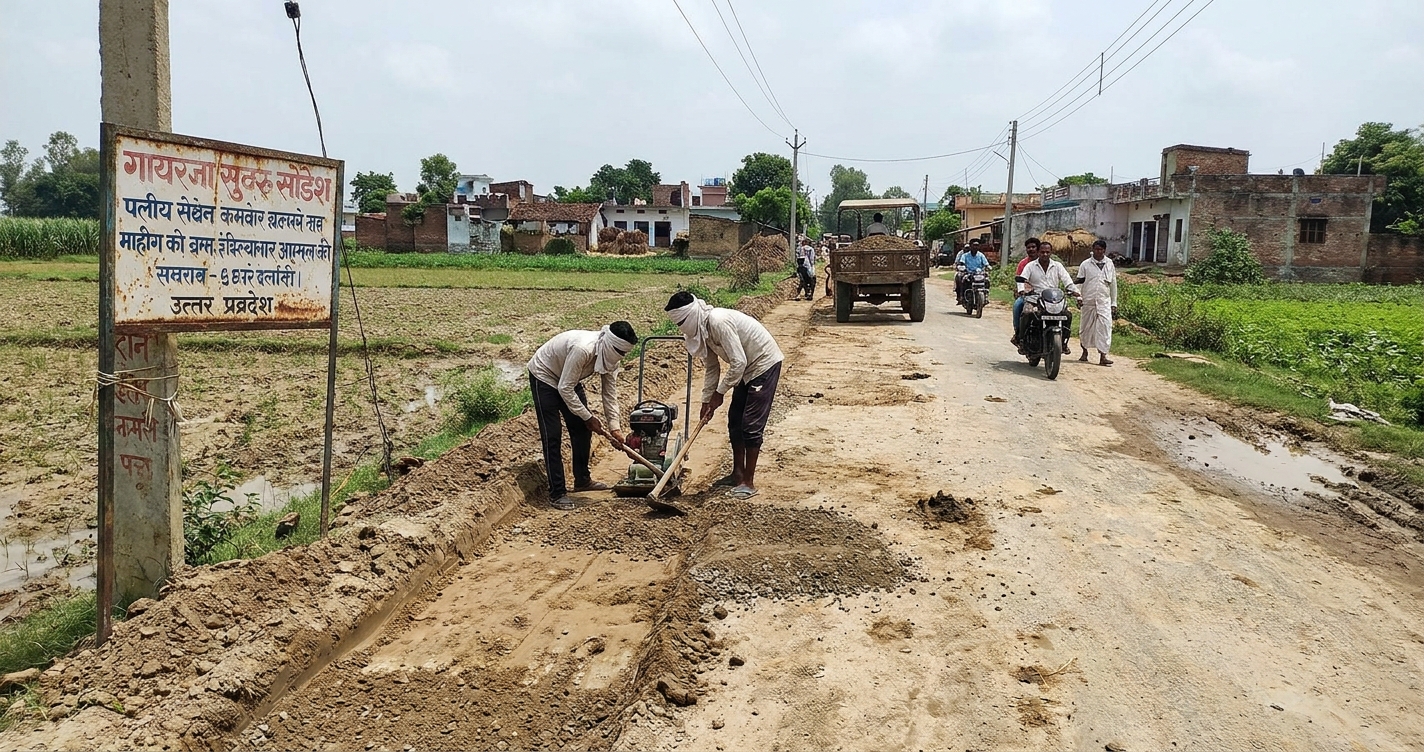
The Uttar Pradesh government's Namami Gange and Rural Water Supply Department has converted road reinstatement into a governed deliverable.
Jal Shakti Minister Swatantra Dev Singh, reviewing drinking water schemes at the State Drinking Water and Sanitation Mission office in Lucknow, ordered a statewide campaign from October to refill, level and restore rural roads cut open during pipeline laying.
The trigger is operational rather than cosmetic. Monsoon rainfall has exposed unpaved trench lines across water supply corridors, and rural commuters are facing disruption.
The minister's directive ties reinstatement directly to scheme closeout — roads must be restored as drinking water projects complete, not handled as leftover scope.
Execution sits with Uttar Pradesh Jal Nigam (Rural), whose Managing Director Yogesh Kumar attended the review alongside Additional Chief Secretary Anurag Srivastava and State Drinking Water and Sanitation Mission Executive Director Joginder Singh.
The instruction for Assistant and Junior Engineers to undertake night stays in project areas signals that monitoring is moving from desk review to physical verification.
The sharper commercial signal is the order for Chief Engineers and Executive Engineers to submit confidential reports on subordinate engineers and "concerned agencies" to the Additional Chief Secretary.
That wording lands directly on contractor performance. For agencies holding rural water supply packages, the report creates an informal but consequential record that can influence:
- variation approvals
- retentions
- future award decisions
Road restoration after utility trenching is routinely under-specified in rural water supply contracts. Where reinstatement is not clearly itemised in the bill of quantities, a contractor either absorbs the cost inside lump-sum works or faces an instruction without a clean payment line.
The minister's manpower and timely-completion directives raise the same tension: added resources and restoration obligations without explicit compensation compress margins.
The campaign also creates a short-cycle materials demand signal — aggregate, earthwork and compaction activity across Uttar Pradesh's rural road network from October. District-level suppliers stand to gain work, while agencies that under-delivered on compaction now face inspection exposure.
The real industry signal: reinstatement is shifting from silent liability to monitored KPI in Jal Jeevan Mission execution.
Contractors should expect tighter field supervision, night-stay verification and confidential agency reporting — and should reprice trenching and restoration as a distinct, claimable scope before the October drive turns an engineering task into a contractual dispute.
Insights
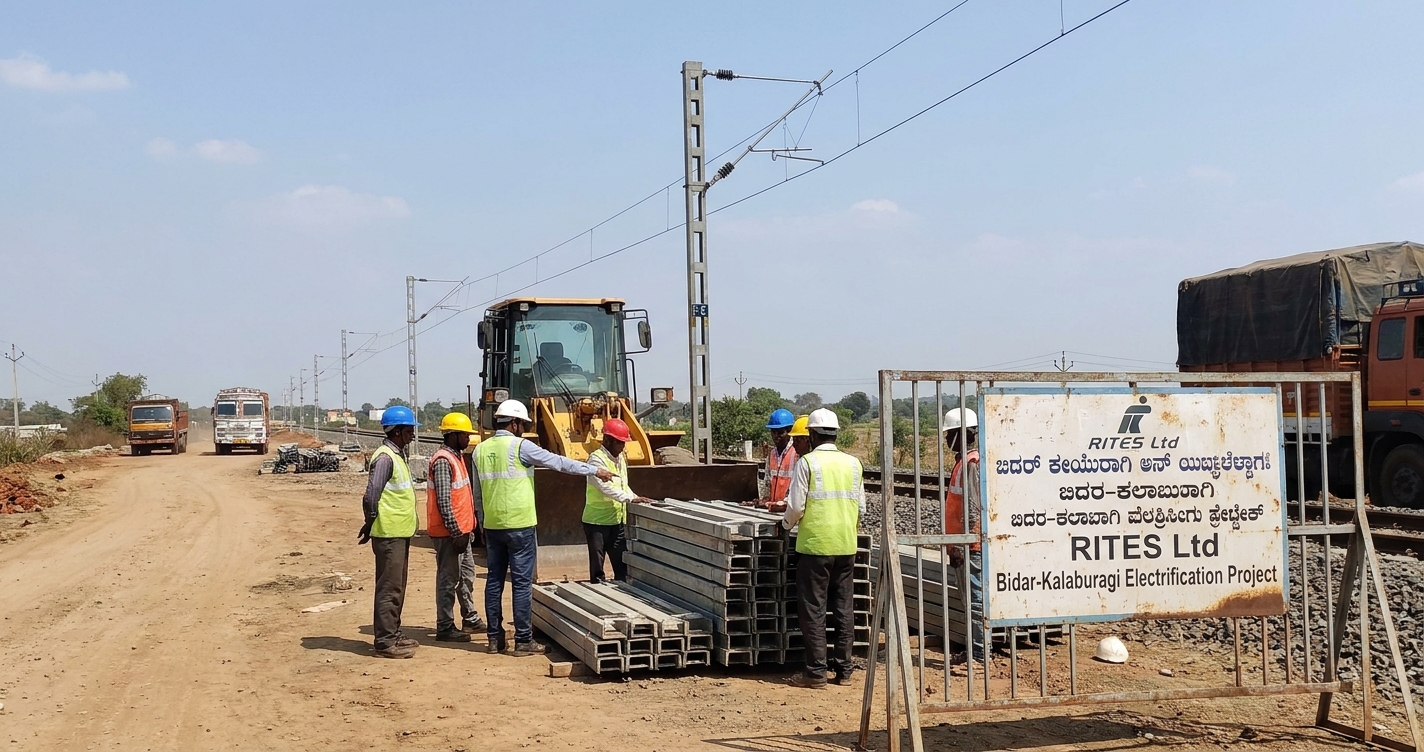
RITES' 58% repricing of the Bidar–Kalaburagi electrification mandate shows how cost-plus turnkey contracting shifts escalation risk from consultant to
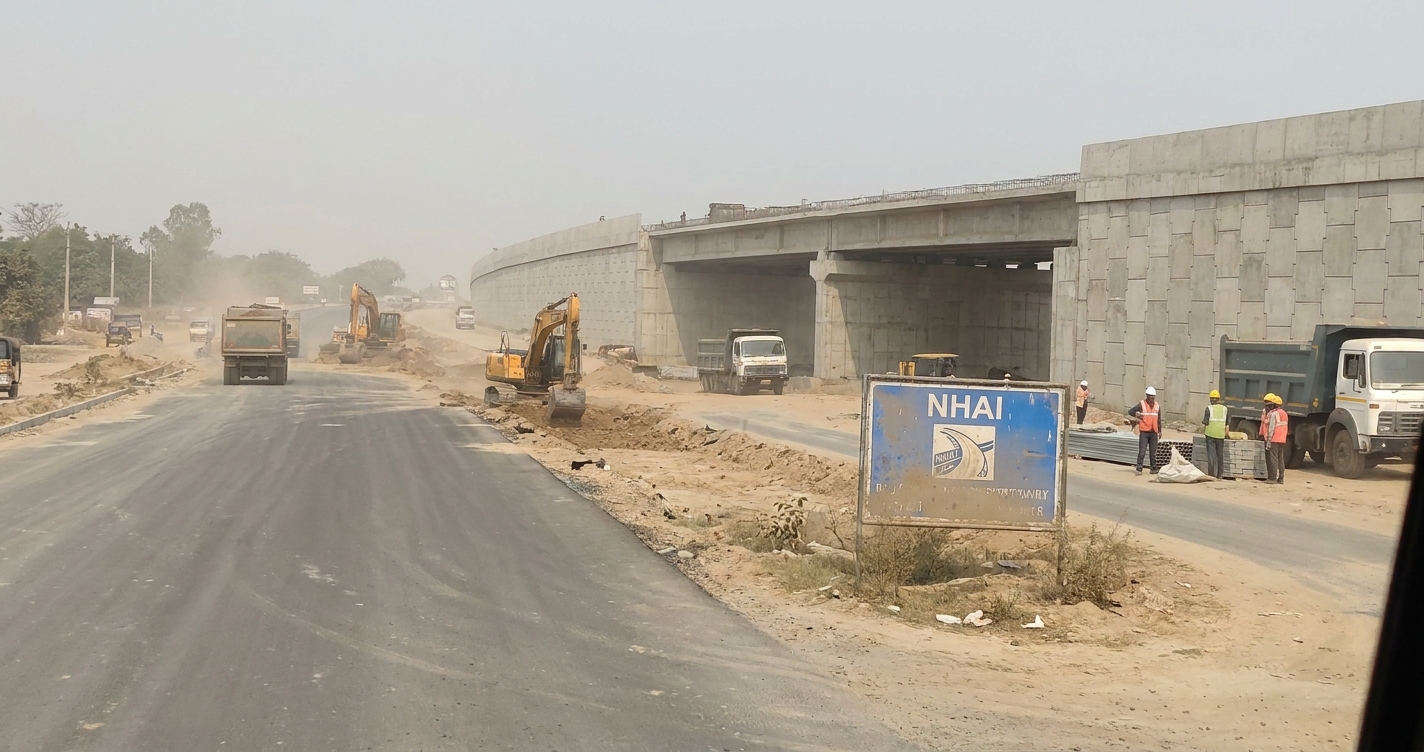
NHAI's 21 September 2026 design guidelines lock uniform 60-70m right-of-way and structure standards for 4-lane and 6-lane high-speed corridors, reshap
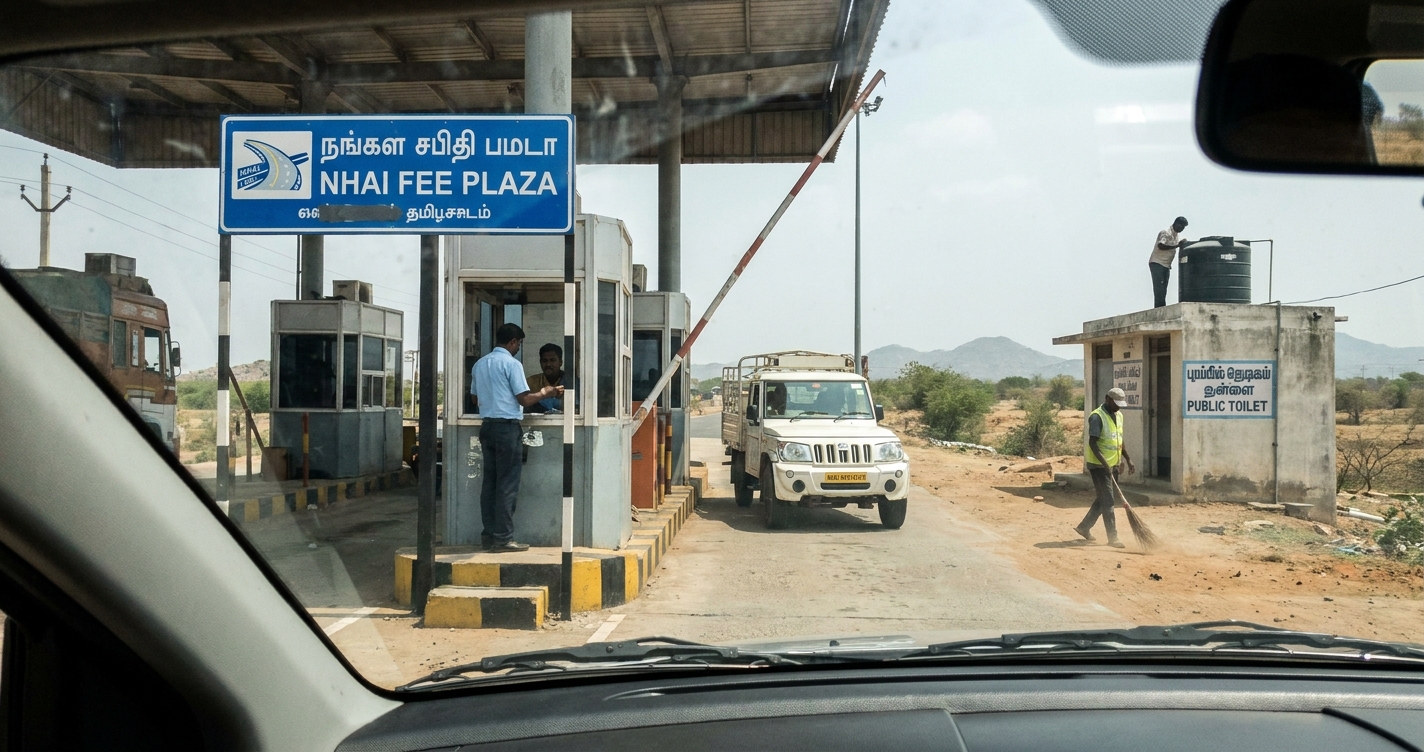
Hazoor Multi Projects' Rs 200-crore NHAI award in Tamil Nadu is a user fee collection and maintenance mandate, not a construction order — and that dis


Powered by

© Tuskus 2025 - All Rights Reserved by Teamic Creative Lab Pvt. Ltd.
