The death of labourer Biram Mogiya under a Gadganga River bridge exposes how India's low-value municipal works orders - like the plank-installation jo


insghits
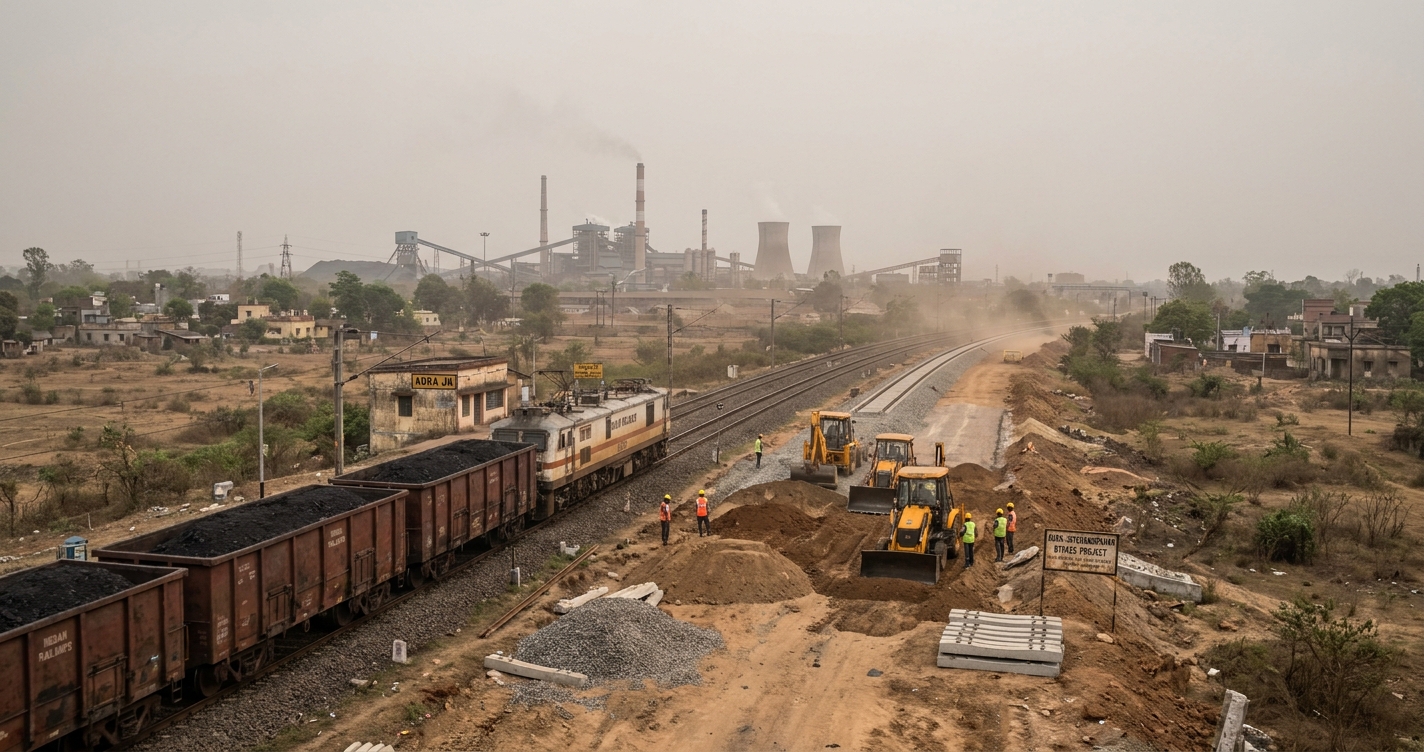
The Ministry of Railways has cleared an 11 km bypass linking Adra and Joychandipahar on South Eastern Railway at Rs 272 crore.
But the approval is less about new track than about protecting contracted freight paths for two anchor industrial customers: SAIL's 23.40 MTPA iron ore requirement and Bharat Coking Coal Limited's projection of 45 rakes per day.
The business logic is de-bottlenecking, not greenfield capacity. The Joychandipahar–Adra section runs at 47.50% utilisation today, while the wider network is already at 71%.
Surface-crossing detentions and directional conflicts suppress freight speeds long before raw line capacity becomes the constraint. The bypass introduces dedicated path segregation and a bi-directional connection to the upcoming third line.
Bidirectional capability is what converts a rail asset from a siding-like connection into a network that can absorb surge traffic.
The numbers are disciplined. Indian Railways projects 6.065 freight rakes per day on the bypass and 8.88 MTPA of additional traffic upon completion. Section utilisation is forecast to climb only to 56.45% by 2028-29, signalling a capacity-protection move timed ahead of industrial demand rather than a reaction to a failed section.
For execution stakeholders, the contracting signal matters most. This is a small-ticket package inside the Energy, Mineral and Cement Corridor framework.
It sits in the sweet spot of railway capex now tilting toward surgical, freight-anchored interventions:
- Shorter packages
- Faster commissioning windows
- Revenue visibility tied to named shippers
South Eastern Railway is allocating funds to remove crossing conflicts and improve rake turnaround before the third line arrives.
Commercially, SAIL and Bharat Coking Coal Limited are the direct beneficiaries. Reliable iron ore and coking coal movement into steel and energy consumption centres lowers demurrage, inventory carrying cost, and road spillover.
Indian Railways secures modal share in a mineral belt where road logistics remain aggressive competitors.
The exposure sits in delivery sequencing. An 11 km bypass is deceptively complex: it must integrate with the under-construction third line, manage existing traffic during works, and resolve land and signalling interfaces around Adra and Joychandipahar.
Approval is not the constraint; clean possession planning and signalling interlocking will decide whether the 2028-29 utilisation forecast holds.
The structural signal is clear: freight revenue protection, not headline capex, is becoming the primary capital allocation filter for Indian Railways.
Expect more small, named-shipper bypasses and fewer long-horizon corridor announcements.
Insights
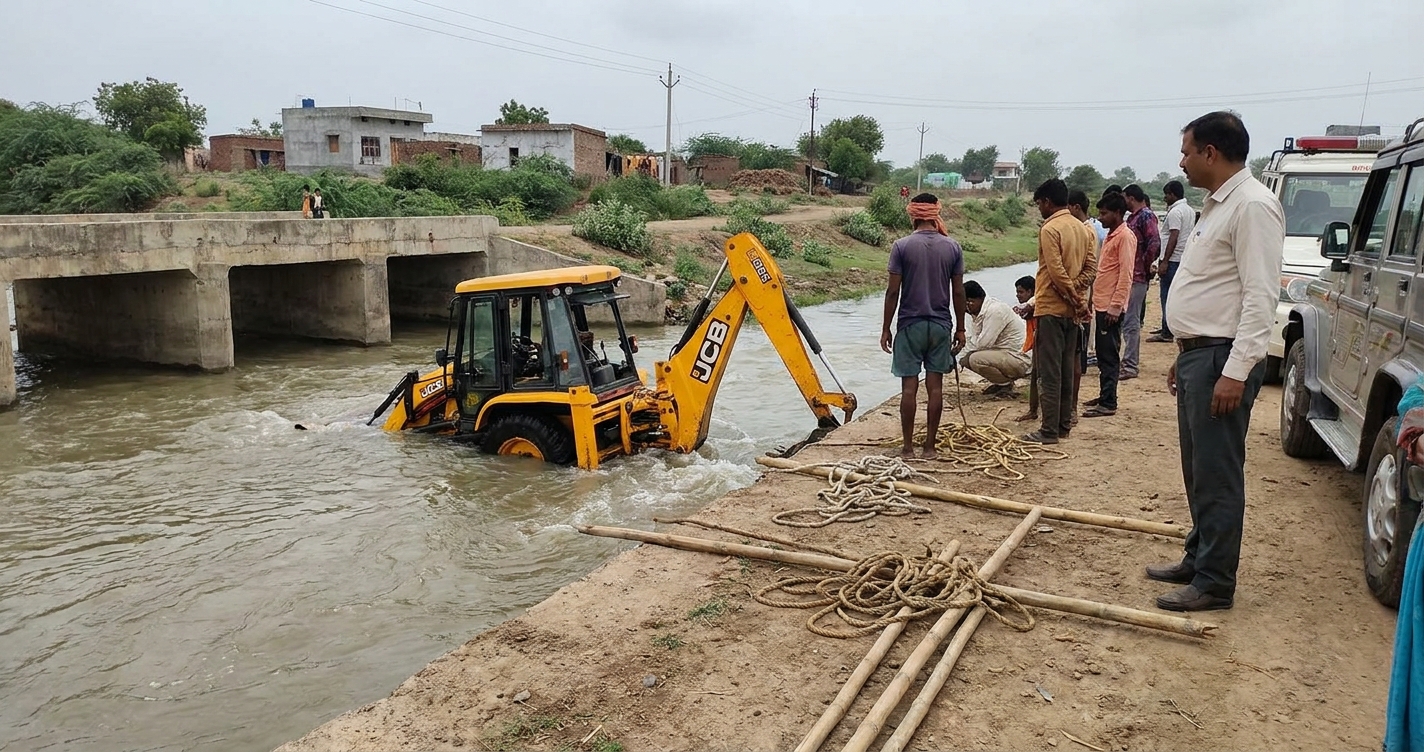
The death of labourer Biram Mogiya under a Gadganga River bridge exposes how India's low-value municipal works orders - like the plank-installation jo
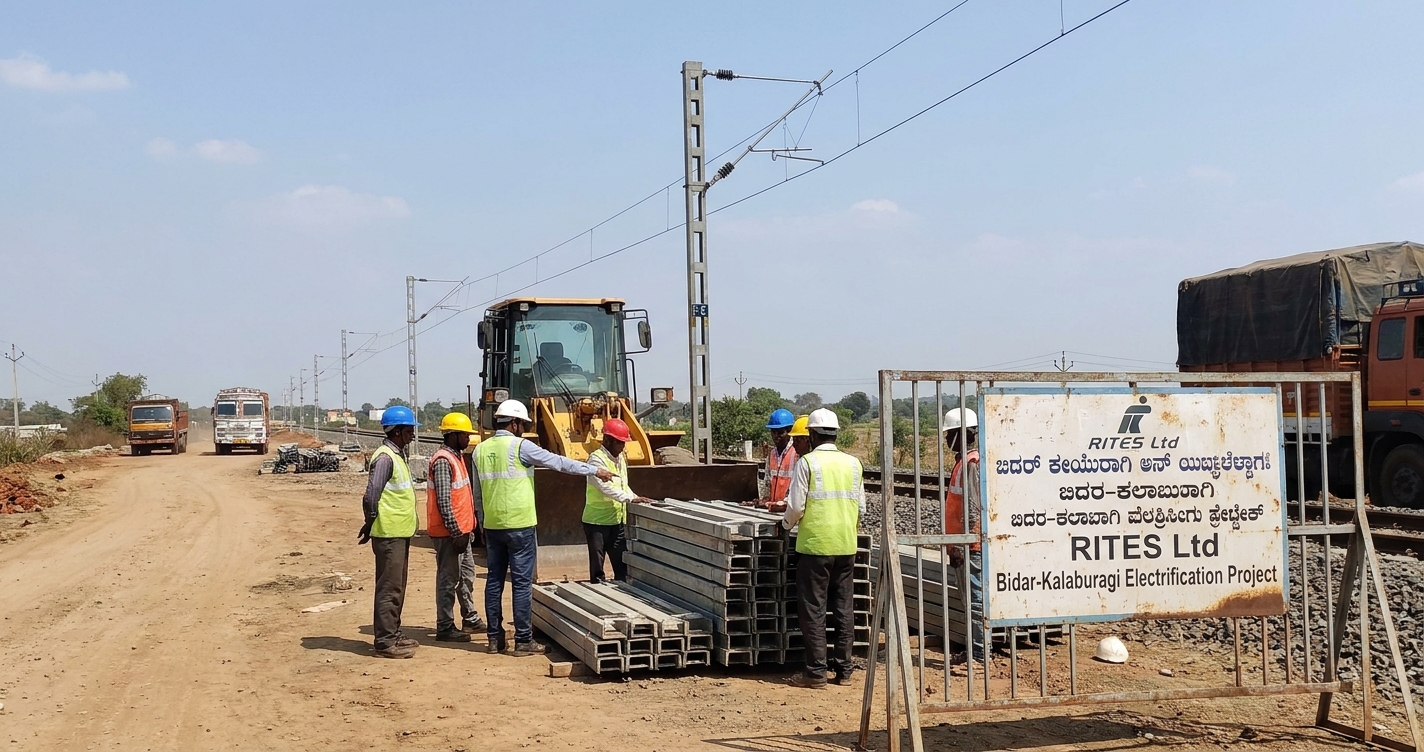
RITES' 58% repricing of the Bidar–Kalaburagi electrification mandate shows how cost-plus turnkey contracting shifts escalation risk from consultant to
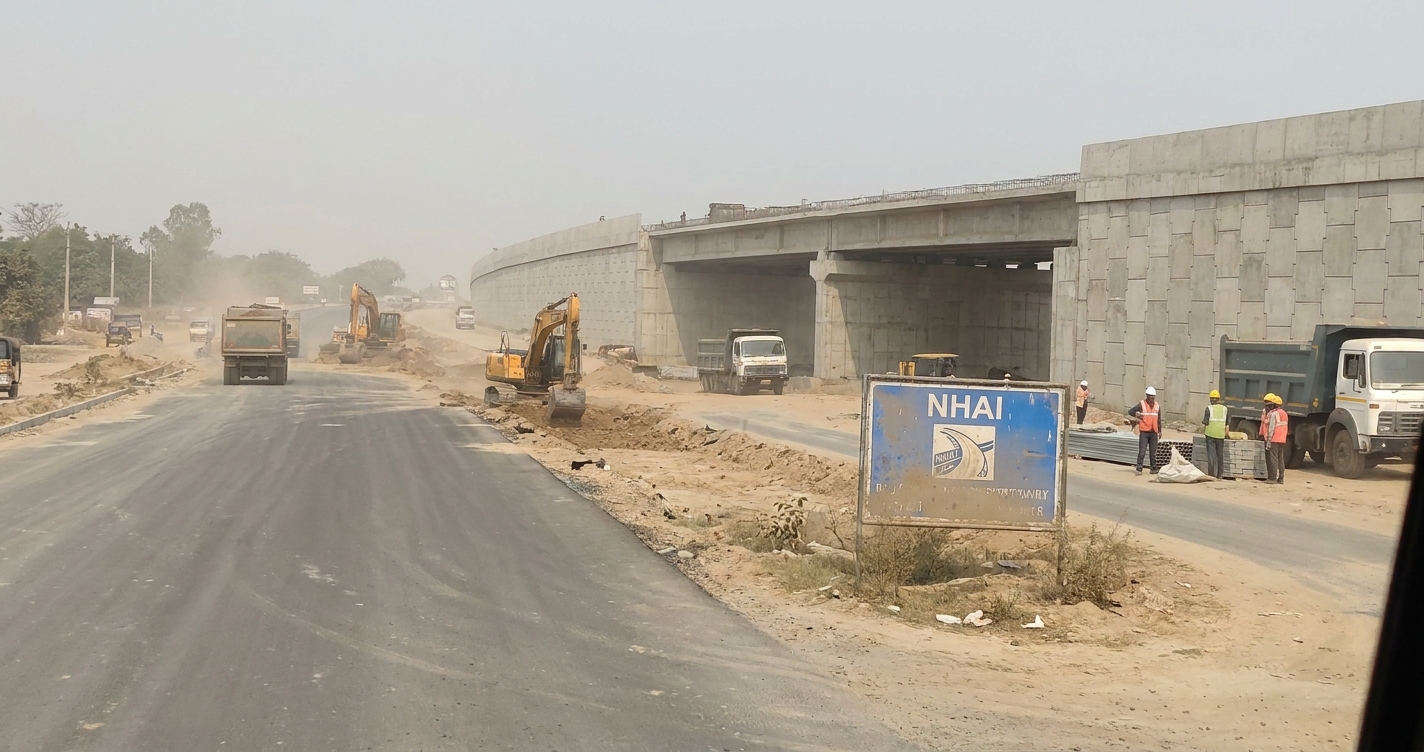
NHAI's 21 September 2026 design guidelines lock uniform 60-70m right-of-way and structure standards for 4-lane and 6-lane high-speed corridors, reshap


Powered by

© Tuskus 2025 - All Rights Reserved by Teamic Creative Lab Pvt. Ltd.
