Pune's mayor highlights alarming construction guideline violations, impacting project delivery.


insghits
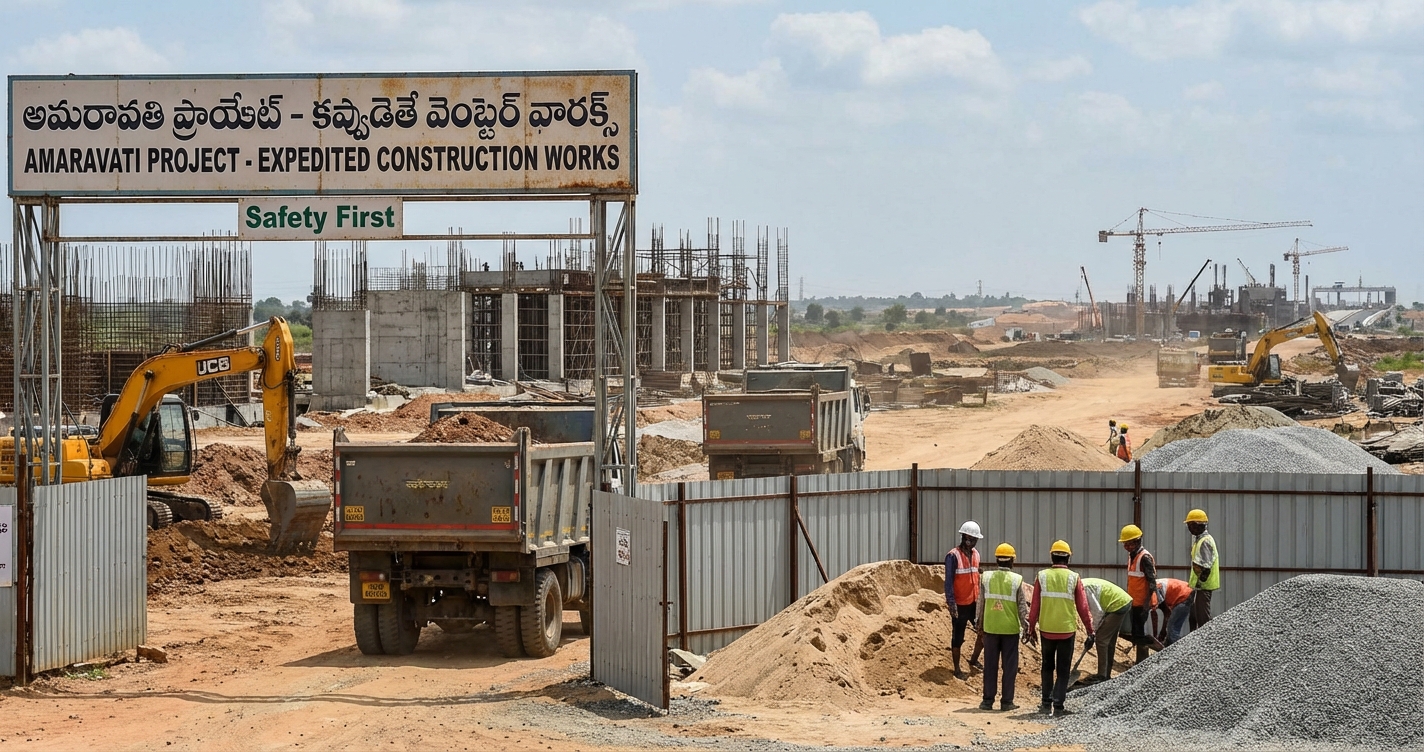
The recent directives from Andhra Pradesh Chief Minister N. Chandrababu Naidu for the expedited completion of construction works in Amaravati bring several underlying operational challenges to the forefront of the infrastructure construction industry.
Firstly, the pressing timeline suggests imminent risks related to execution sequencing and contractor capacities. The staggering investment of Rs 57,821 crore across various projects emphasizes the urgent need for a well-structured delivery strategy.
Currently, with only a portion of projects underway, the demand for accelerated performance from contractors could inadvertently skew quality standards. This raises concerns over long-term durability and compliance with mandated specifications.
Additionally, the acknowledgment of employee scarcities, attributed to ongoing state elections, underscores the fragility of labor continuity in large-scale projects. A proactive approach in retraining and optimizing locally available skilled manpower is critical.
However, it further reinforces the necessity for agile human resource management practices that anticipate labor fluctuations due to political cycles.
Moreover, the instruction to set stringent weekly and monthly targets highlights an increasing focus on accountability. This approach could galvanize contractors towards performance tracking and milestone achievements.
Yet, it could also lead to potential contention around claims if the organic growth in project execution quality fails to align with the forced pace of delivery.
In terms of supply chain logistics, the emphasis on ensuring an uninterrupted supply of essential materials such as sand and gravel is pivotal. Any disruptions in this regard could severely impact progress.
This situation prompts a need for enhanced vendor relationships and contingency planning to avert bottlenecks.
Finally, the insistence on quality, advanced technologies, and green energy adoption shows a policy shift towards sustainable building practices.
However, this also introduces complexities in contract interpretations versus volume-based contracts, further necessitating robust contract management strategies to mitigate risks.
The Amaravati project directives represent a microcosm of broader execution realities within the infrastructure sector. As stakeholders rally to meet the set timelines, the fine balance between compliance, quality, and pragmatic delivery must be navigated with astute strategic foresight.
The challenge lies in balancing accelerated delivery with maintaining quality and sustainability standards amidst evolving operational constraints.
Insights
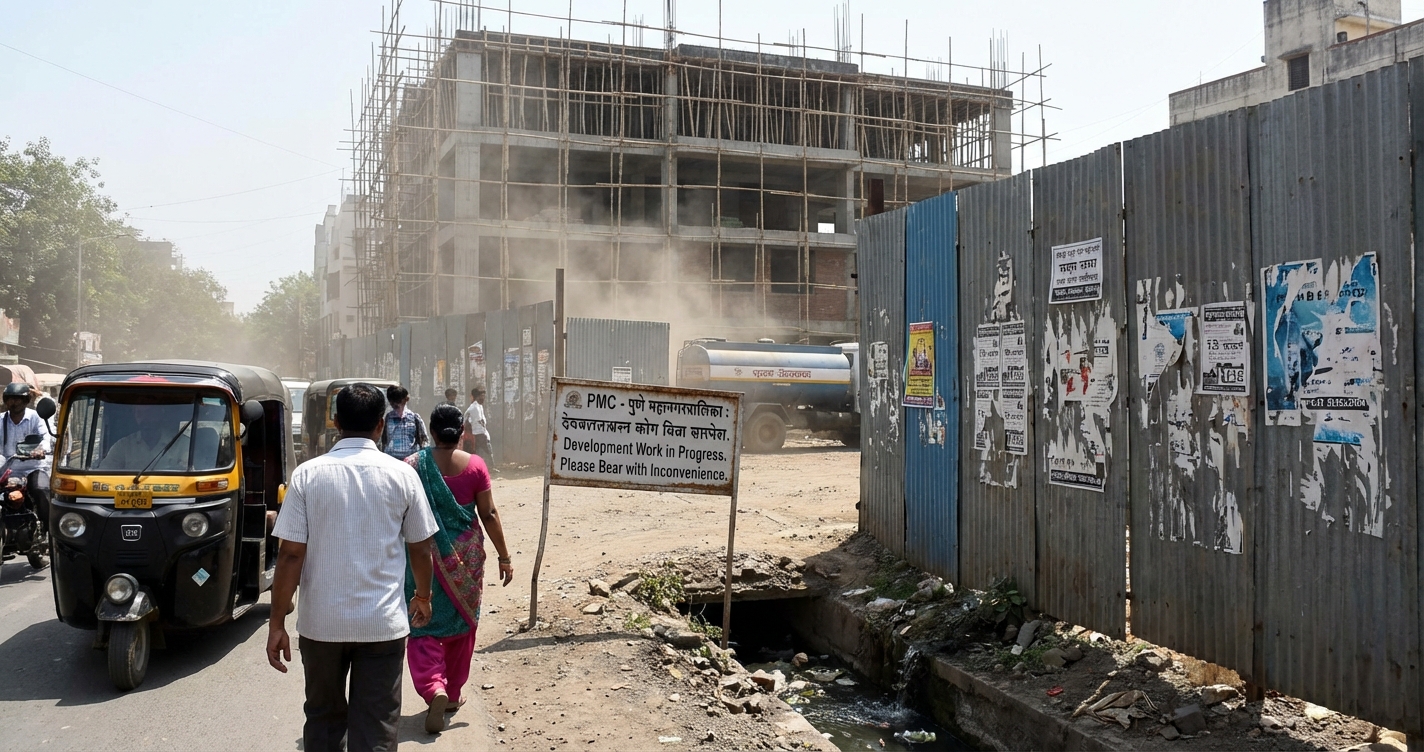
Pune's mayor highlights alarming construction guideline violations, impacting project delivery.
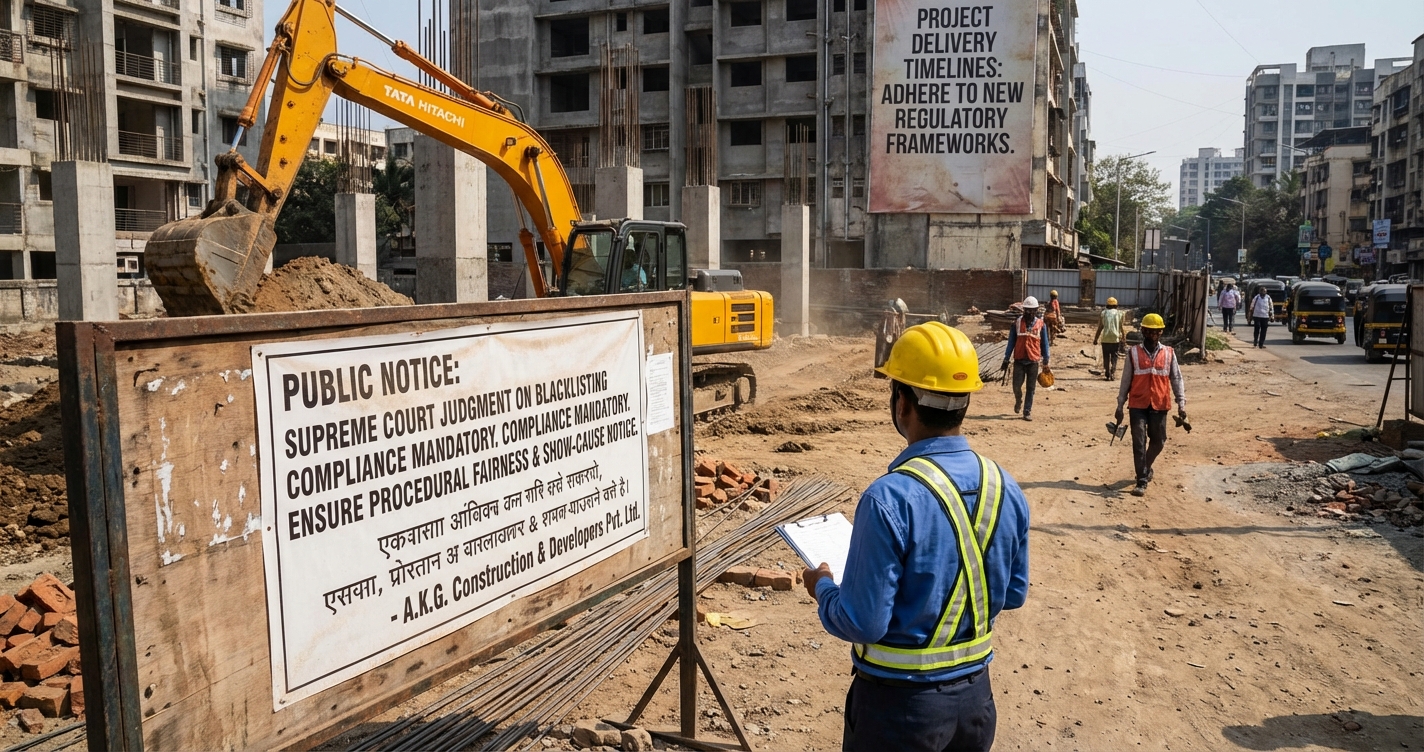
The recent Supreme Court ruling highlights critical protocol gaps in contractor blacklisting.
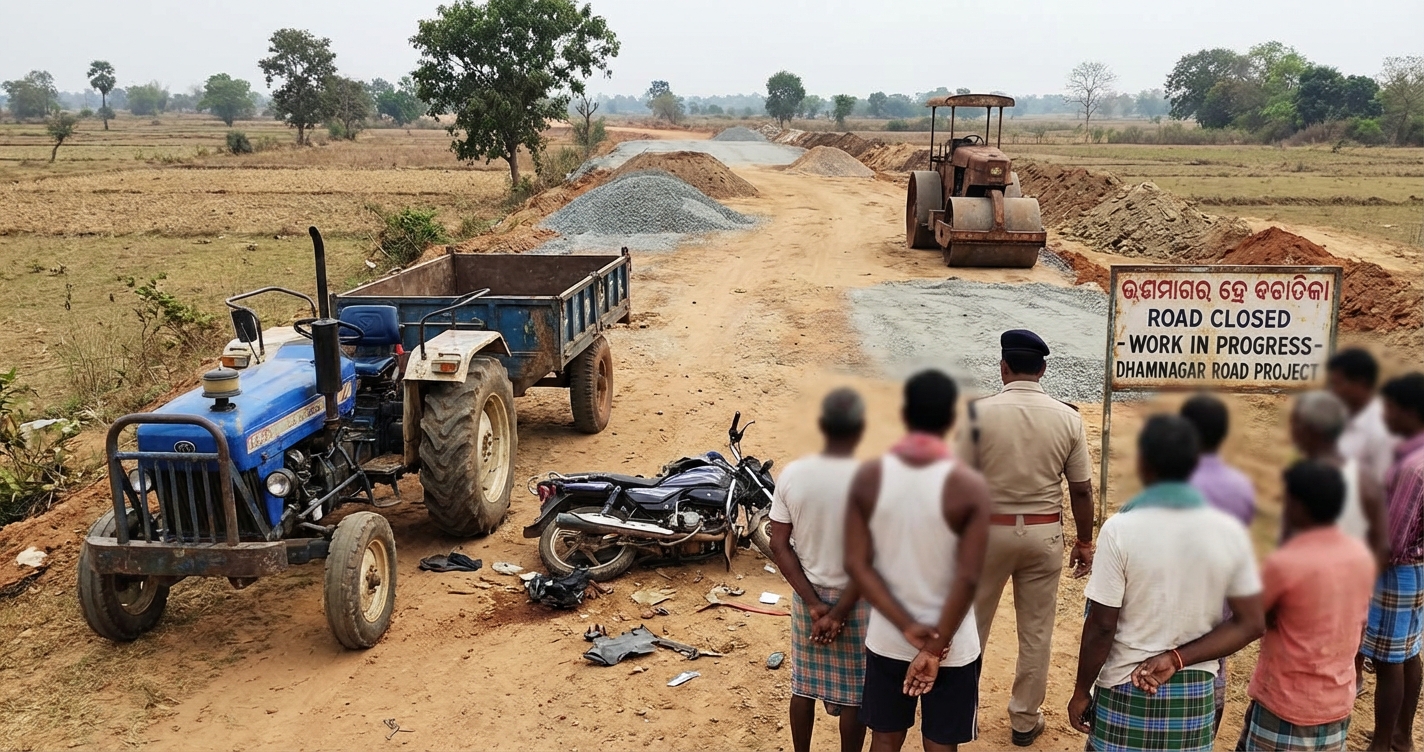
A recent accident underscores the urgent need for road safety improvements in Odisha.


Powered by

© Tuskus 2025 - All Rights Reserved by Teamic Creative Lab Pvt. Ltd.
