The Chief Minister's directive for Amaravati construction indicates pressing execution challenges.


insghits
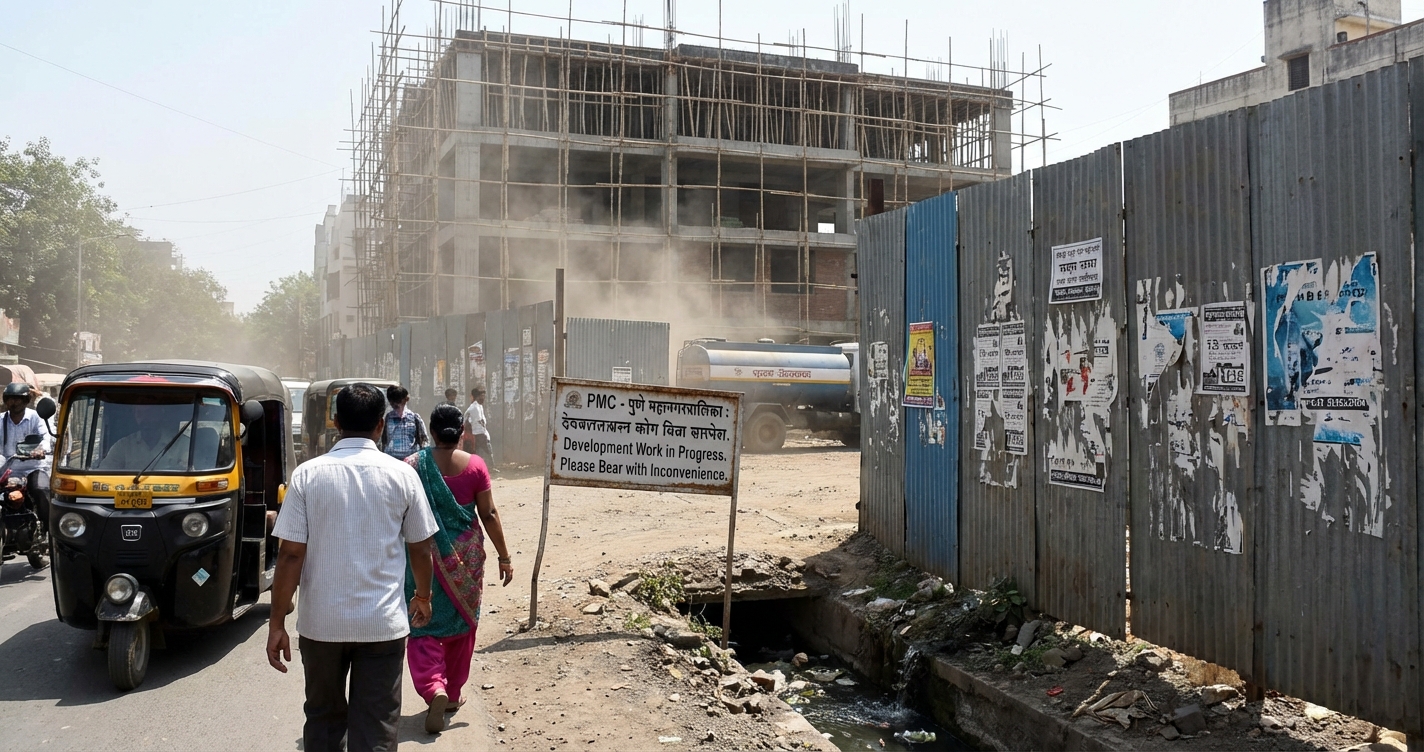
The recent statement by Pune Municipal Commissioner Naval Kishore Ram, revealing that none of the 1,000 surveyed construction sites comply with established guidelines, underscores a critical challenge in the city’s infrastructure development. This alarming trend not only jeopardizes urban safety but signals systemic failures in oversight and execution across the sector.
As Pune accelerates its development agenda with an increased Floor Space Index (FSI) from 1.5 to 4.5, the rapid expansion is happening with minimal regard for fundamental infrastructural requirements such as proper drainage, water supply, and traffic management.
The implications for EPC contractors and project managers are profound; adherence to quality compliance is no longer optional and could severely impact future contracts, as regulatory bodies are likely to tighten scrutiny moving forward.
Moreover, the escalated pace of construction without the accompanying upgrade in civic amenities raises suspicions of potentially overlooked risks regarding safety protocols, particularly as air and noise pollution metrics remain unaddressed in new projects.
For contractors, the expected rise in compliance documentation and stringent inspections could lead to increased operational costs, potentially squeezing margins when coupled with delays due to halted projects.
Practically, the PMC’s focus on regulated development translates into heightened responsibilities for contractors. Project responses must now incorporate adaptive measures to maintain compliance or face punitive actions, possibly including project stoppages or prohibitions from future approvals.
This situation further compounds existing challenges in supply chain management and labor availability. Projects will require not only compliance-certified materials but also skilled labor trained in adhering to the new norms.
As the tension between rapid urban development and civic responsibility intensifies, agility in response strategies will distinguish successful contractors from those who falter under pressure.
Ultimately, this emerging landscape calls for a strategic pivot within the construction ecosystem in Pune; companies must prioritize compliance as a core component of their operational ethos.
As the environment becomes increasingly competitive, those who showcase rigorous adherence to these regulations will not only protect their market position but possibly even gain a competitive advantage in securing local and state contracts.
“The PMC’s stern stance should not just be seen as a threshold for compliance but as an essential blueprint for sustainable future development.”
The inflection point has arrived—industry professionals must now reassess their project delivery frameworks to align with a new era of accountability in construction practices.
Insights
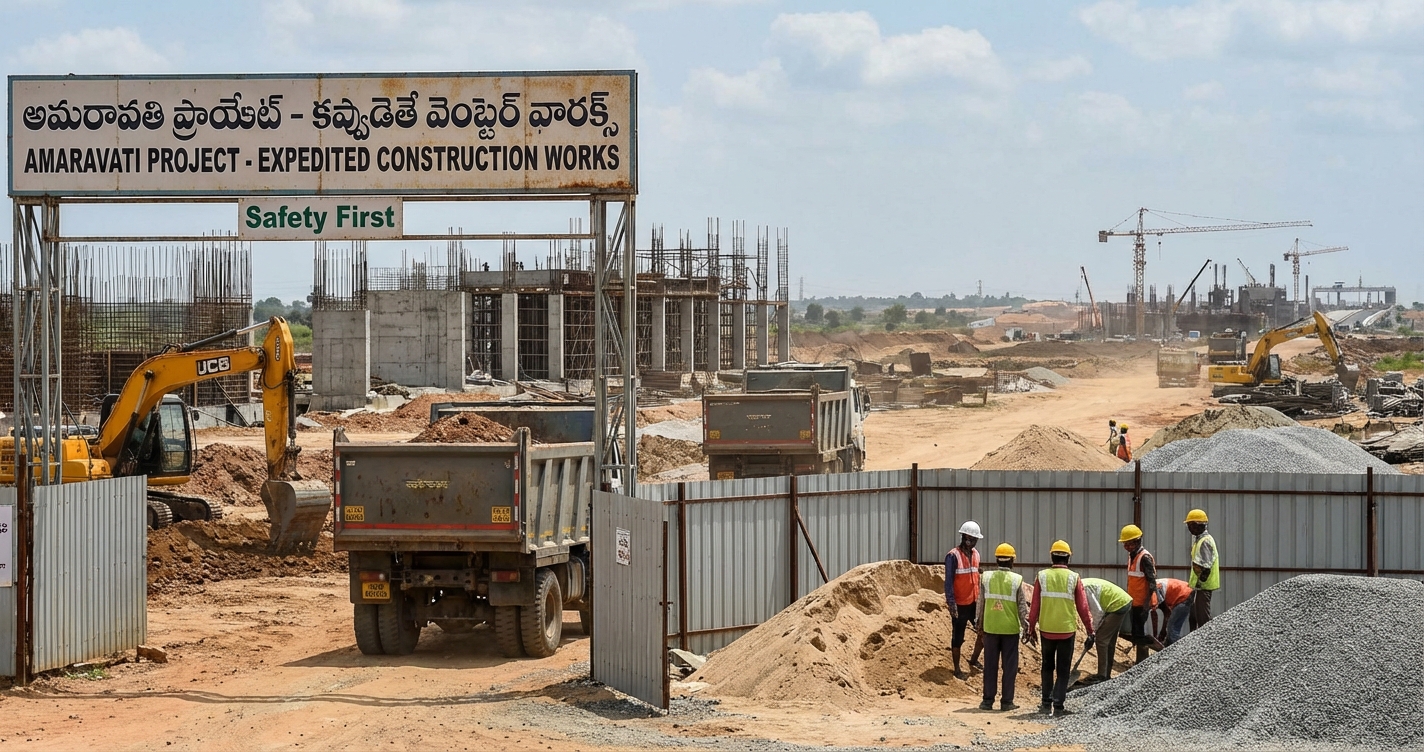
The Chief Minister's directive for Amaravati construction indicates pressing execution challenges.
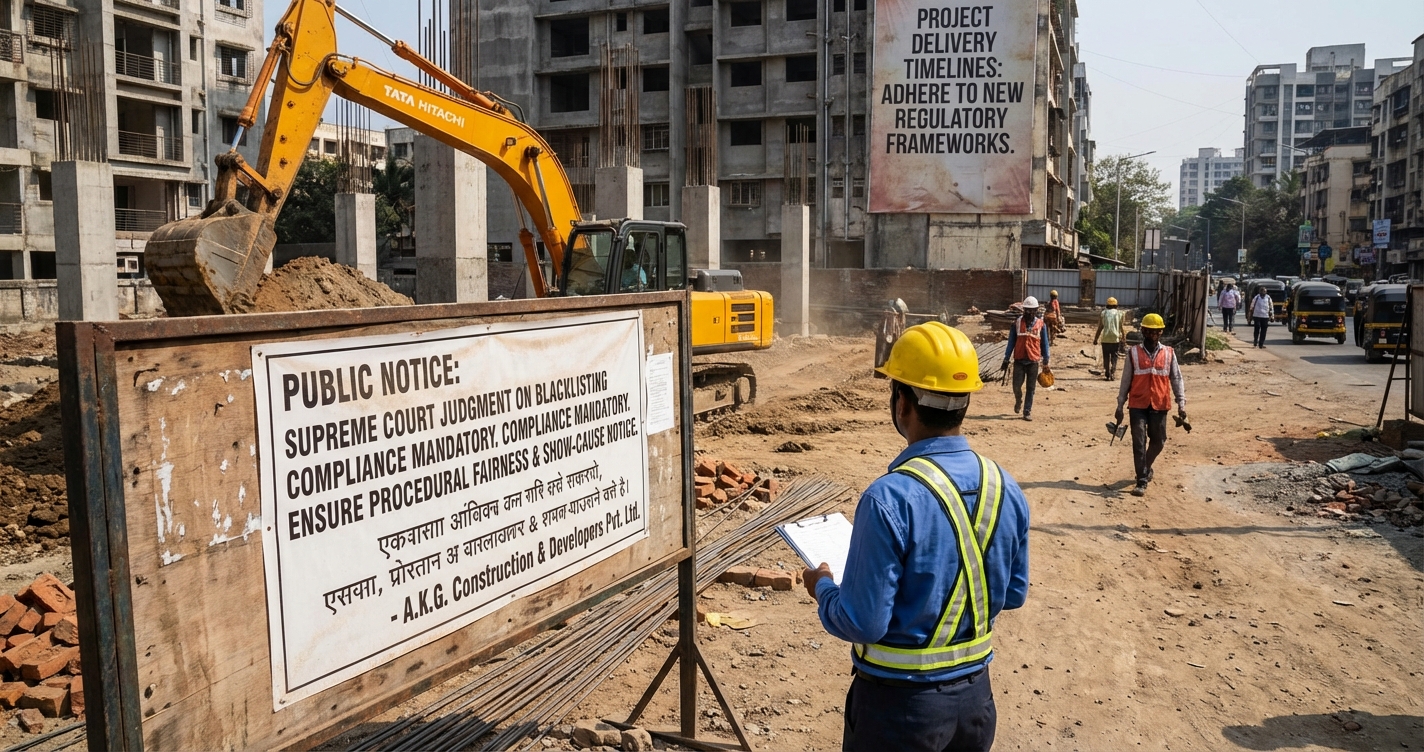
The recent Supreme Court ruling highlights critical protocol gaps in contractor blacklisting.
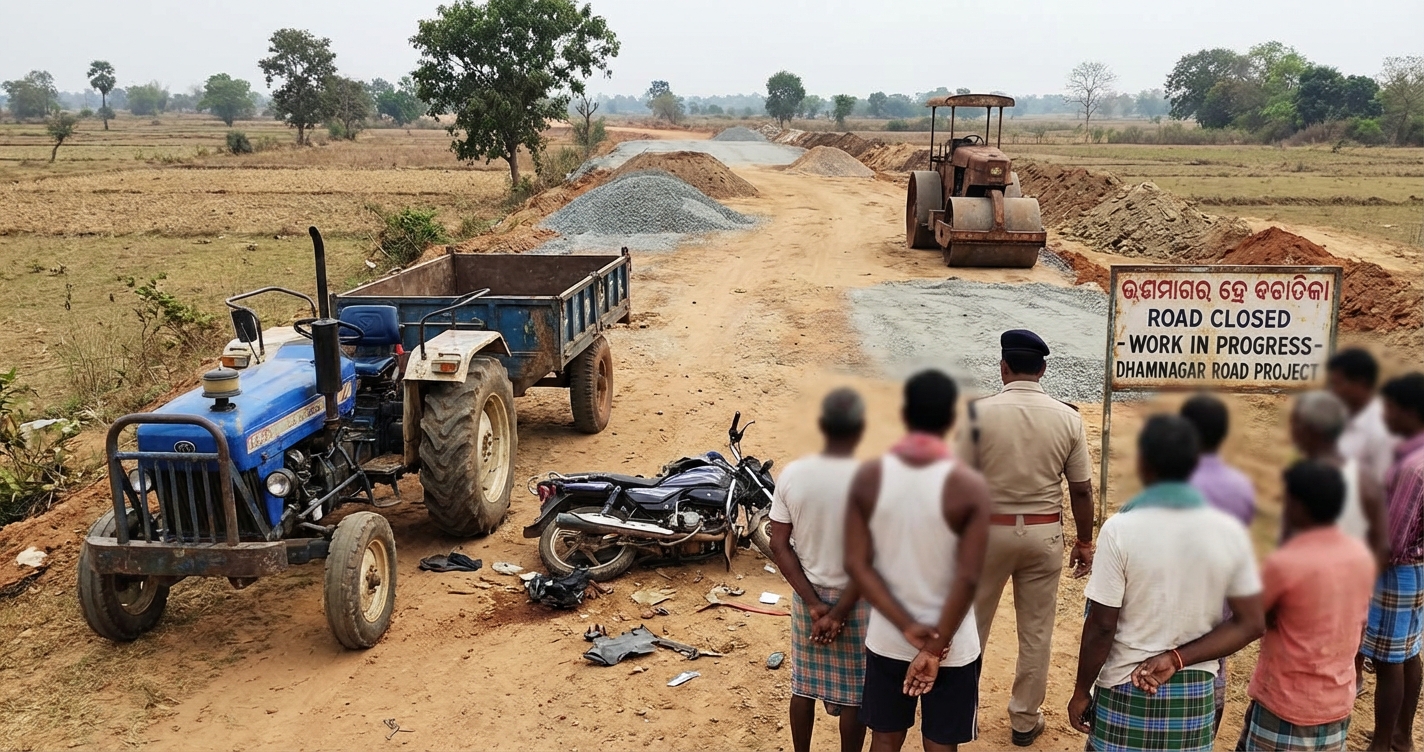
A recent accident underscores the urgent need for road safety improvements in Odisha.


Powered by

© Tuskus 2025 - All Rights Reserved by Teamic Creative Lab Pvt. Ltd.
