The Chief Minister's directive for Amaravati construction indicates pressing execution challenges.


insghits
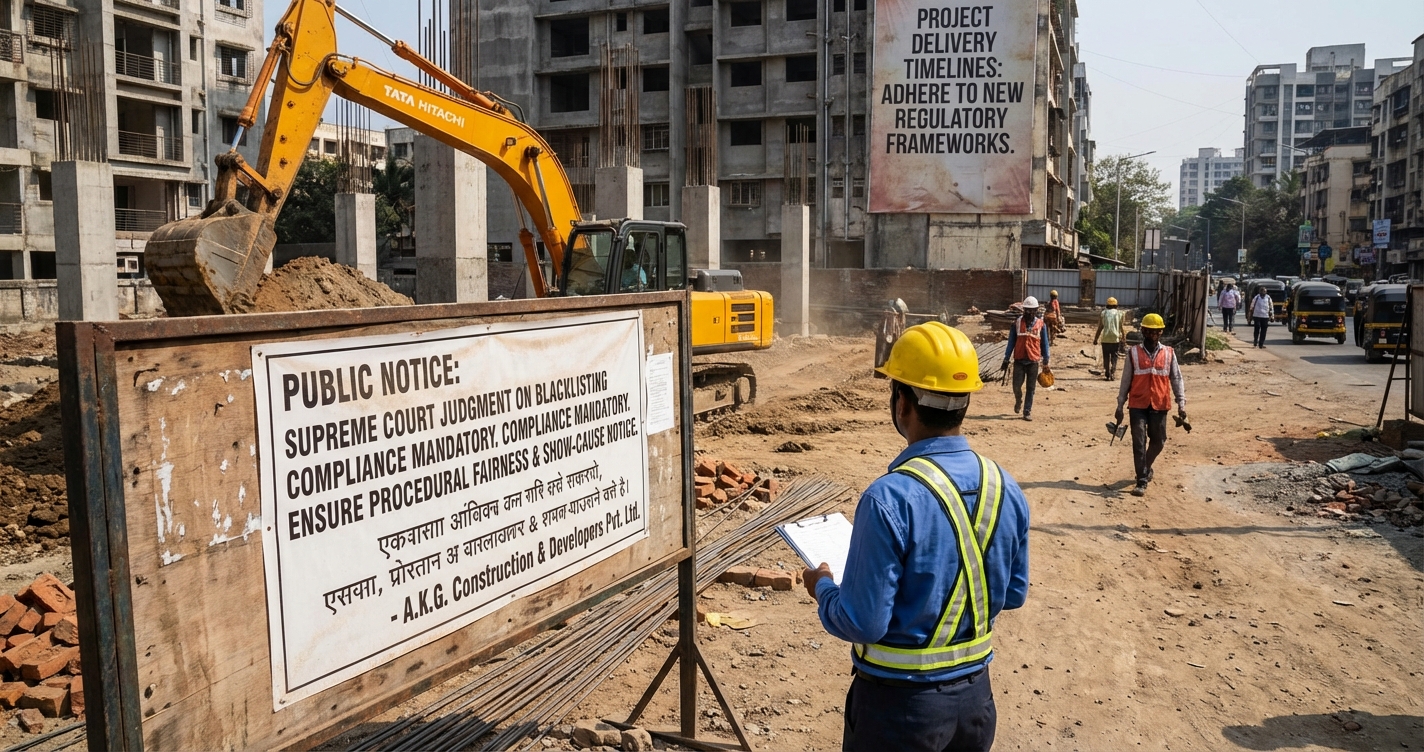
The recent ruling by the Supreme Court regarding blacklisting procedures, particularly in the case of A.K.G. Construction and Developers Pvt. Ltd., signals a potentially transformative approach to contract management and contractor accountability in India’s infrastructure sector.
The court's decision to uphold the termination of the contract while striking down the blacklisting order establishes a clear demarcation between immediate contractual penalties and the long-term implications of blacklisting, which can severely debilitate a contractor’s future opportunities.
The ruling reinforces the need for procedural fairness—emphasizing the requirement for a show-cause notice and an opportunity to be heard before imposing such severe measures. This requirement is crucial in maintaining not only fairness but also robust contractor relationships, which can impact overall project delivery timelines.
By mandating that contractors are informed about the potential for blacklisting during preliminary inquiries, the judgment could influence how companies approach compliance and risk management.
Contractors operating within the public procurement sphere must now reassess their operational protocols in light of this judgment. The implications could lead to tighter compliance and governance frameworks across projects as companies strive to avoid operational oversights that might result in blacklisting.
Simultaneously, public authorities may face increased pressure to ensure their actions comply with judicial standards. This could introduce potential delays in project approvals as they navigate these new procedural complexities.
In an industry where timely project delivery is paramount, these changes could introduce friction. There will be a need for a balancing act between stringent compliance and the demand for rapid execution, particularly in large-scale projects.
As the implications of this ruling unfold, industry players should remain vigilant. The intersection of legal responsibility and operational execution could redefine the landscape of contractor engagements and public trust in project delivery outcomes.
“Stakeholders must adapt strategically to navigate the evolving regulatory environment, focusing on enhanced dialogue and transparency with governing bodies.”
With these shifts, enhanced dialogue and transparency between contractors and governing bodies will become increasingly important to sustain trust and efficiency in infrastructure projects.
Insights
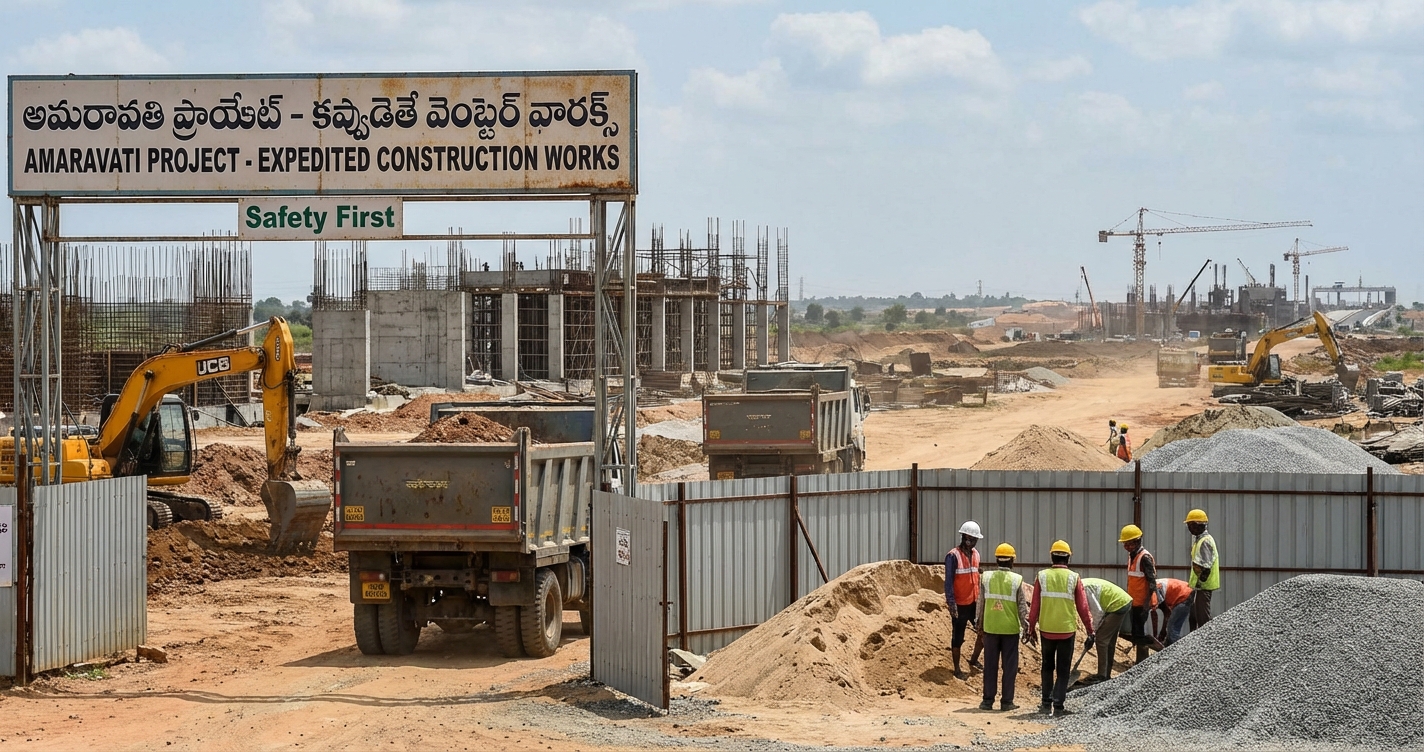
The Chief Minister's directive for Amaravati construction indicates pressing execution challenges.
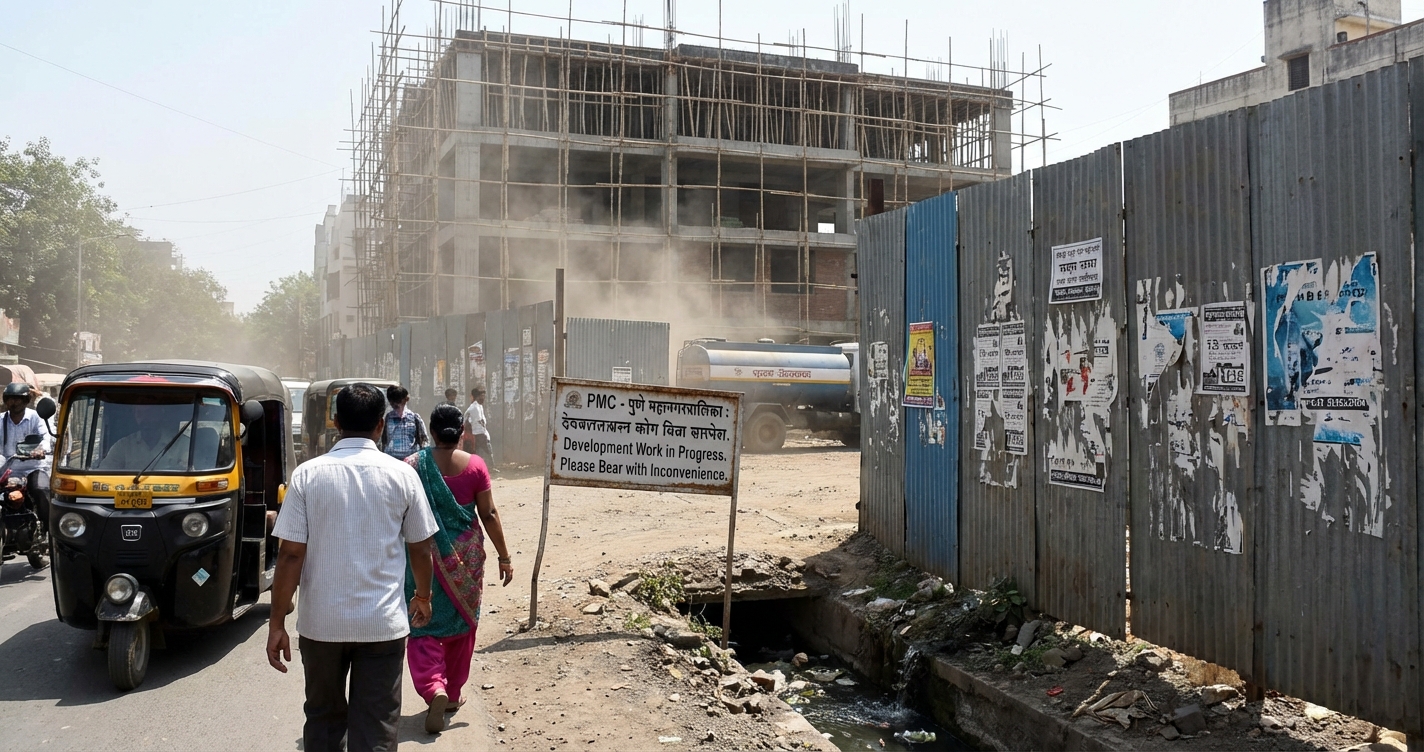
Pune's mayor highlights alarming construction guideline violations, impacting project delivery.
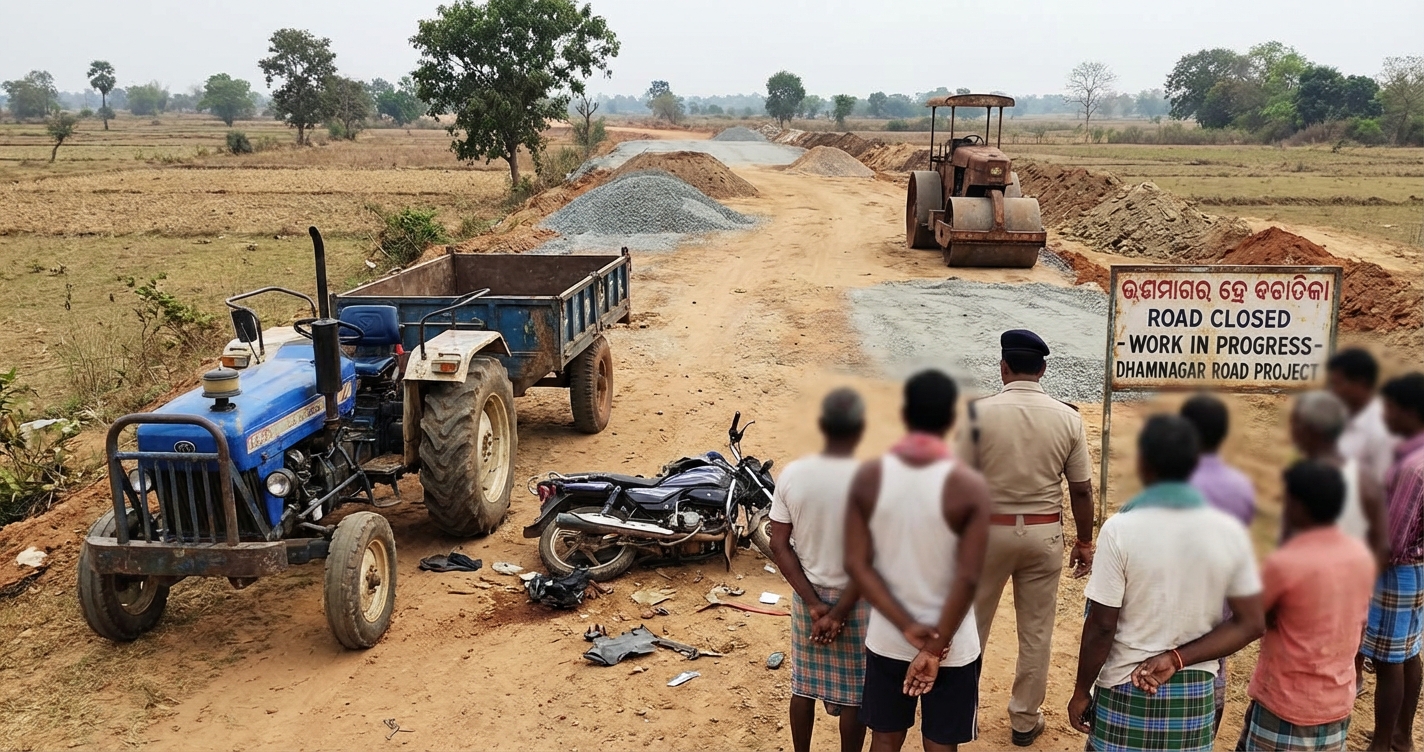
A recent accident underscores the urgent need for road safety improvements in Odisha.


Powered by

© Tuskus 2025 - All Rights Reserved by Teamic Creative Lab Pvt. Ltd.
