The death of labourer Biram Mogiya under a Gadganga River bridge exposes how India's low-value municipal works orders - like the plank-installation jo


insghits
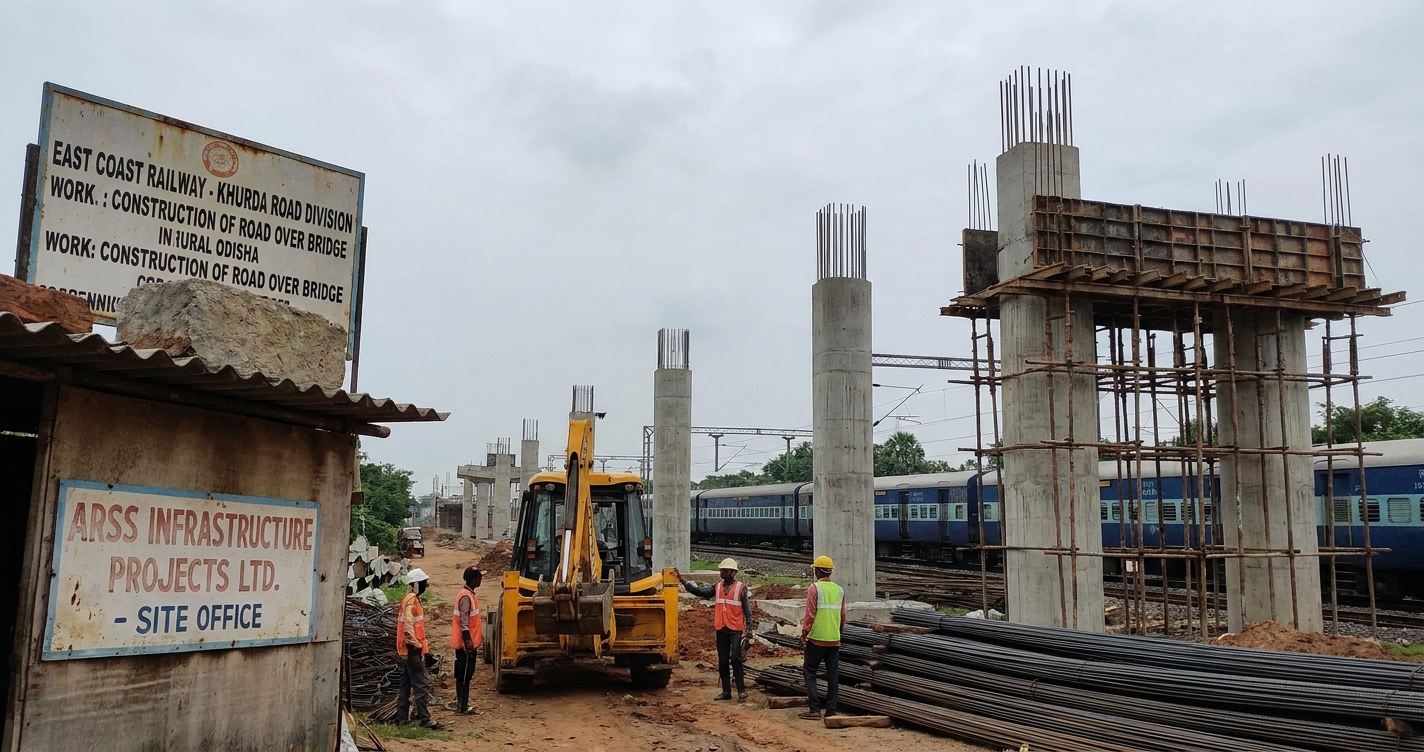
ARSS Infrastructure Projects Ltd. has secured a ₹130.5 crore contract from East Coast Railway to build three Road Over Bridges (ROBs) between the Kaipada Road–Tapang and Balugaon–Chilika sections of the Khurda Road Division in Odisha.
On the surface, the award is a routine safety-capex item in Indian Railways’ ongoing level-crossing elimination programme. Read against ARSS Infrastructure Projects’ balance sheet, it is a live test of delivery capability.
The contractor is a small-cap EPC player headquartered in Bhubaneswar, the flagship of the ARSS Group. At the time of the announcement, its market capitalisation stood at ₹124.7 crore — meaning the single East Coast Railway order is worth roughly 105% of the company’s entire equity value.
The order is not just a revenue line; it is a balance-sheet event.
That asymmetry matters because the financial base is thin. Consolidated revenue from operations fell to ₹14.53 crore in Q1 FY27, down 22.2% year-on-year and 81.2% sequentially from ₹77.45 crore in Q4 FY26.
The company remained loss-making, narrowing its net loss to ₹10.90 crore from ₹115.54 crore a year earlier.
For a firm of this scale, mobilising three ROB packages implies:
- Advances
- Bank guarantees
- Working-capital lines
- Steel and cement procurement
- Site establishment
These requirements come well before milestone billing converts to cash.
The commercial exposure runs through East Coast Railway as well. ROBs are safety-critical assets; a contractor that cannot hold mobilisation or sustain working capital through execution creates schedule and interface risk for the Khurda Road Division.
The Ministry of Railways has been accelerating level-crossing replacement and ROB construction as a safety priority, but award velocity alone does not de-risk delivery. If the long tail of small contractors absorbing these packages is balance-sheet constrained, the pipeline’s execution quality becomes the binding constraint.
The deeper signal is structural. Indian Railways is pushing safety capital expenditure down into the small-cap EPC segment, where order books can look strong while working-capital headroom remains fragile.
For ARSS Infrastructure Projects, the ₹130.5 crore East Coast Railway award is strategically significant — but its true value will be measured not at the letter of acceptance, but at piling, girder launch, and final completion.
Execution, margin discipline, and cash conversion will decide whether this is a turnaround catalyst or a working-capital trap.
Insights
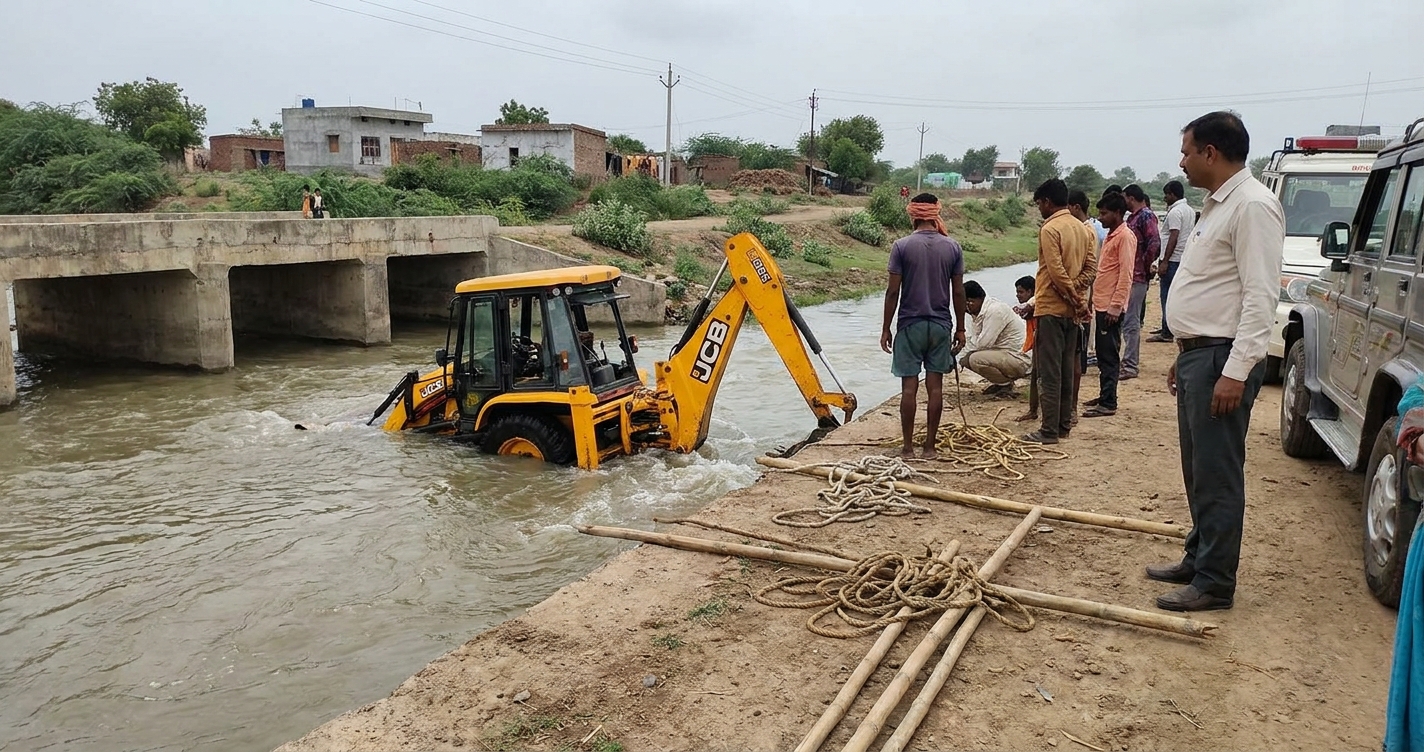
The death of labourer Biram Mogiya under a Gadganga River bridge exposes how India's low-value municipal works orders - like the plank-installation jo
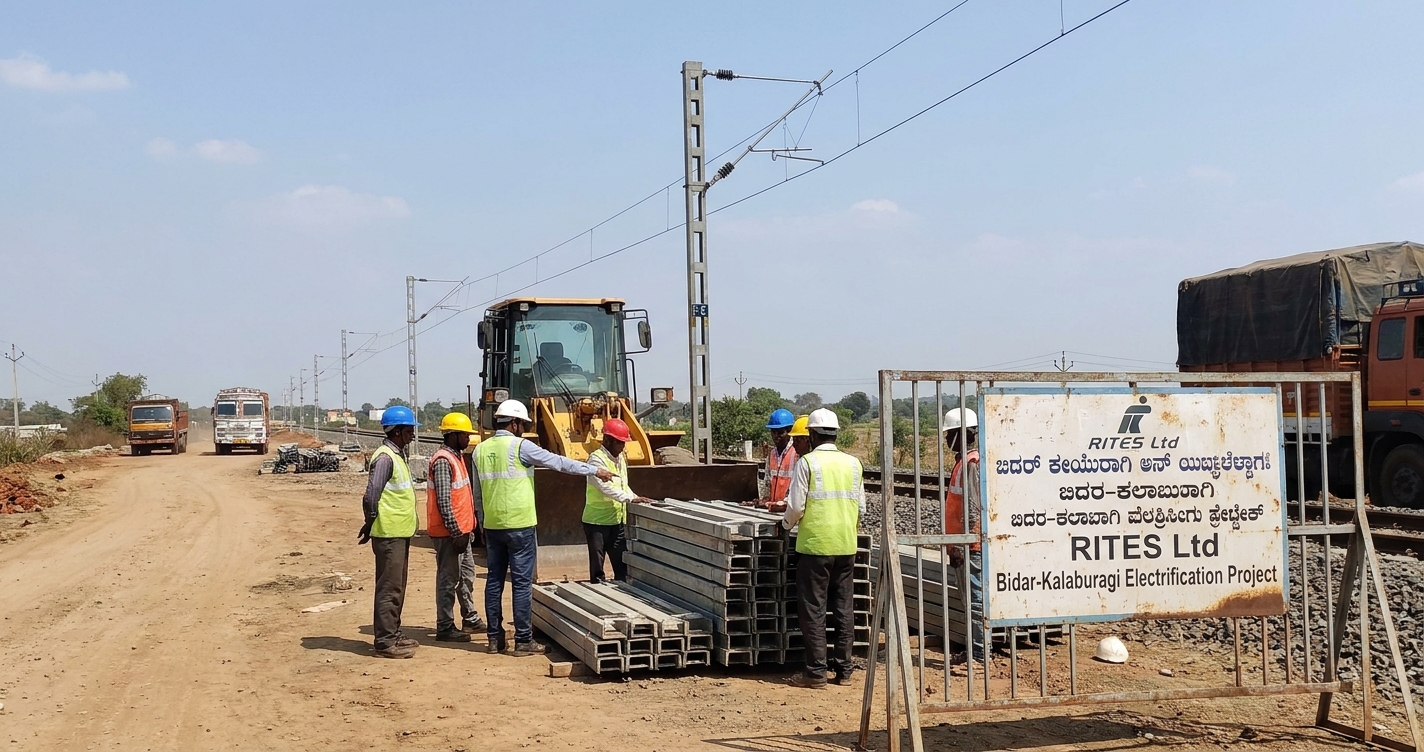
RITES' 58% repricing of the Bidar–Kalaburagi electrification mandate shows how cost-plus turnkey contracting shifts escalation risk from consultant to
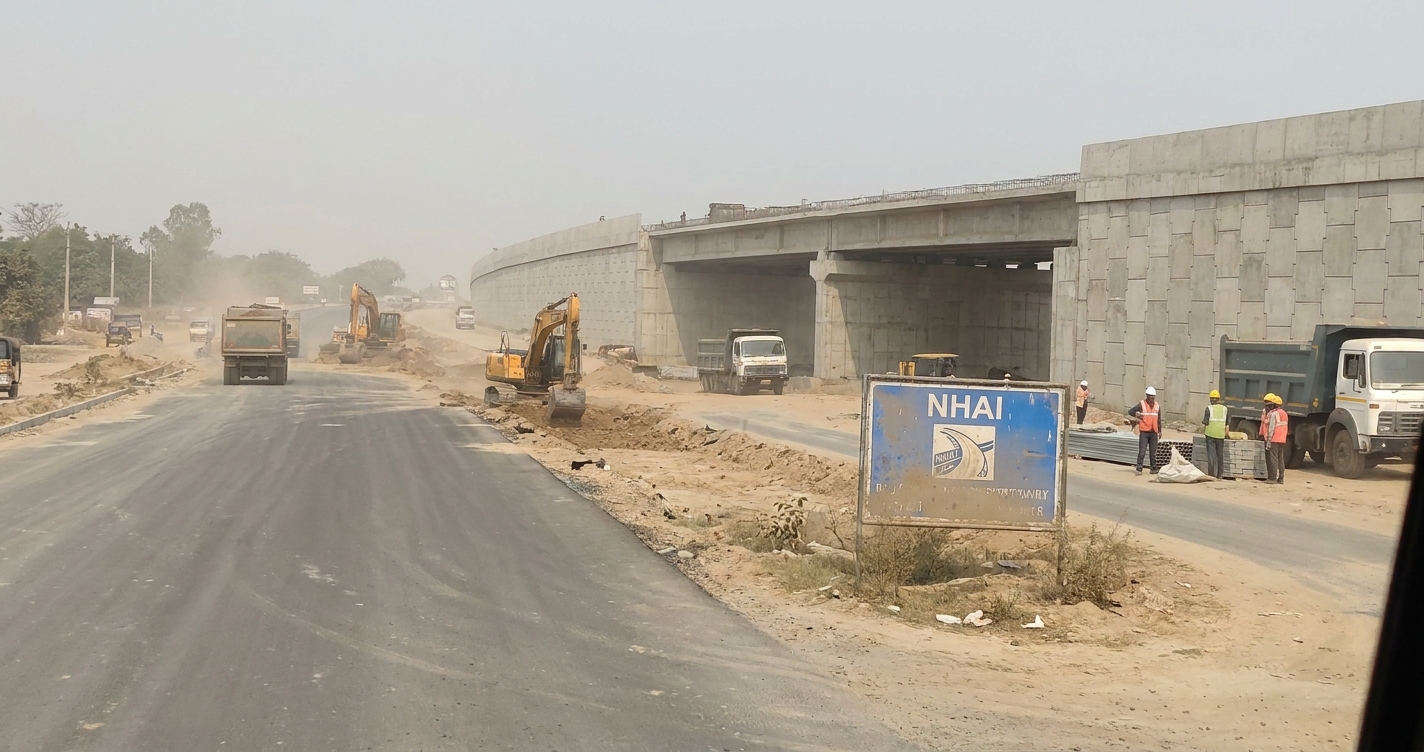
NHAI's 21 September 2026 design guidelines lock uniform 60-70m right-of-way and structure standards for 4-lane and 6-lane high-speed corridors, reshap


Powered by

© Tuskus 2025 - All Rights Reserved by Teamic Creative Lab Pvt. Ltd.
