The death of labourer Biram Mogiya under a Gadganga River bridge exposes how India's low-value municipal works orders - like the plank-installation jo


insghits
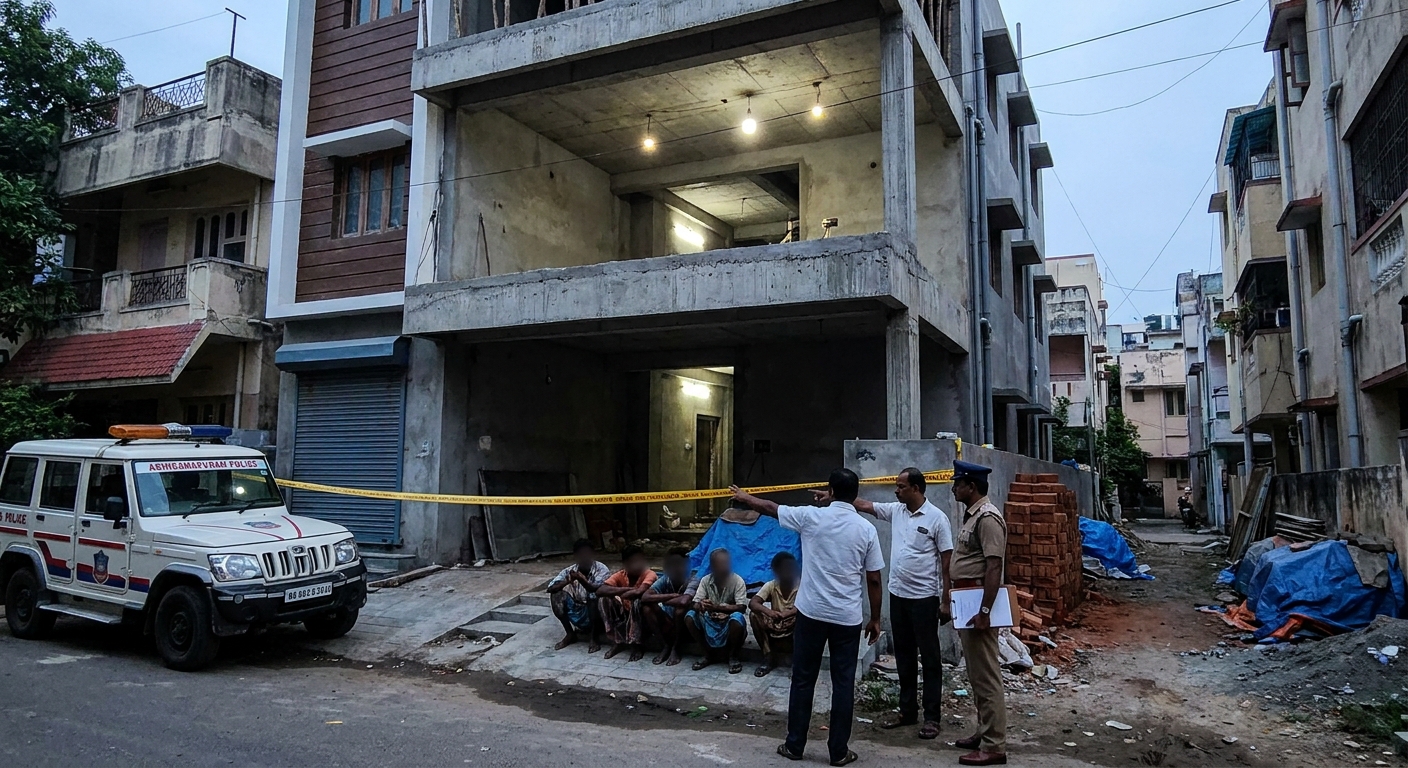
A 26-year-old daily-wage worker, R Rohith, died after falling from the second floor of an under-construction building on St Mary's Road in Mandaveli, Chennai. Abhiramapuram police have registered a case and are investigating, but the report names no principal contractor, developer, or owner — a silence that is itself the commercial story.
Rohith, a migrant from Maharashtra, had been living at the site for three months and was sleeping on the outer edge of the second-floor slab when he rolled over and fell around midnight. He was declared dead on arrival at Royapettah Government Hospital.
The sequence points to two failures, not one:
- No edge protection on an open slab
- No safe accommodation, forcing a labourer to sleep at the drop zone of his own workplace
Under the Building and Other Construction Workers (BOCW) Act and Tamil Nadu's registration framework, a principal employer must register the site, provide safe accommodation where workers reside on-site, and maintain edge protection and fall-prevention measures.
The Chennai Metropolitan Development Authority (CMDA) governs building approvals in the city, yet post-incident accountability here has landed with the police, not a named contractor.
For small urban buildings, the economics work against compliance. Migrant labour is engaged as daily-wage, often without written contracts, and on-site sleeping is treated as cost-saving rather than a controlled welfare obligation.
The developer externalises accommodation and fall-protection costs onto labour, leaving liability diffuse until a body reaches the mortuary.
The real signal is that in Chennai's small-building economy, site safety governance remains police-led and post-facto rather than approval-led and preventive. Principal contractor identity should be recoverable from CMDA permits and BOCW registration, yet it is absent from the first account.
Without a named duty-holder, insurance claims, welfare board compensation, and enforcement all move slower and weaker.
For contractors, developers, and owners in dense urban Chennai, informal subcontracted labour is not a shield against liability. BOCW cess, welfare registration, and named principal-contractor discipline are the cheapest risk controls in this segment.
R Rohith's death is the cost of treating them as optional.
Insights
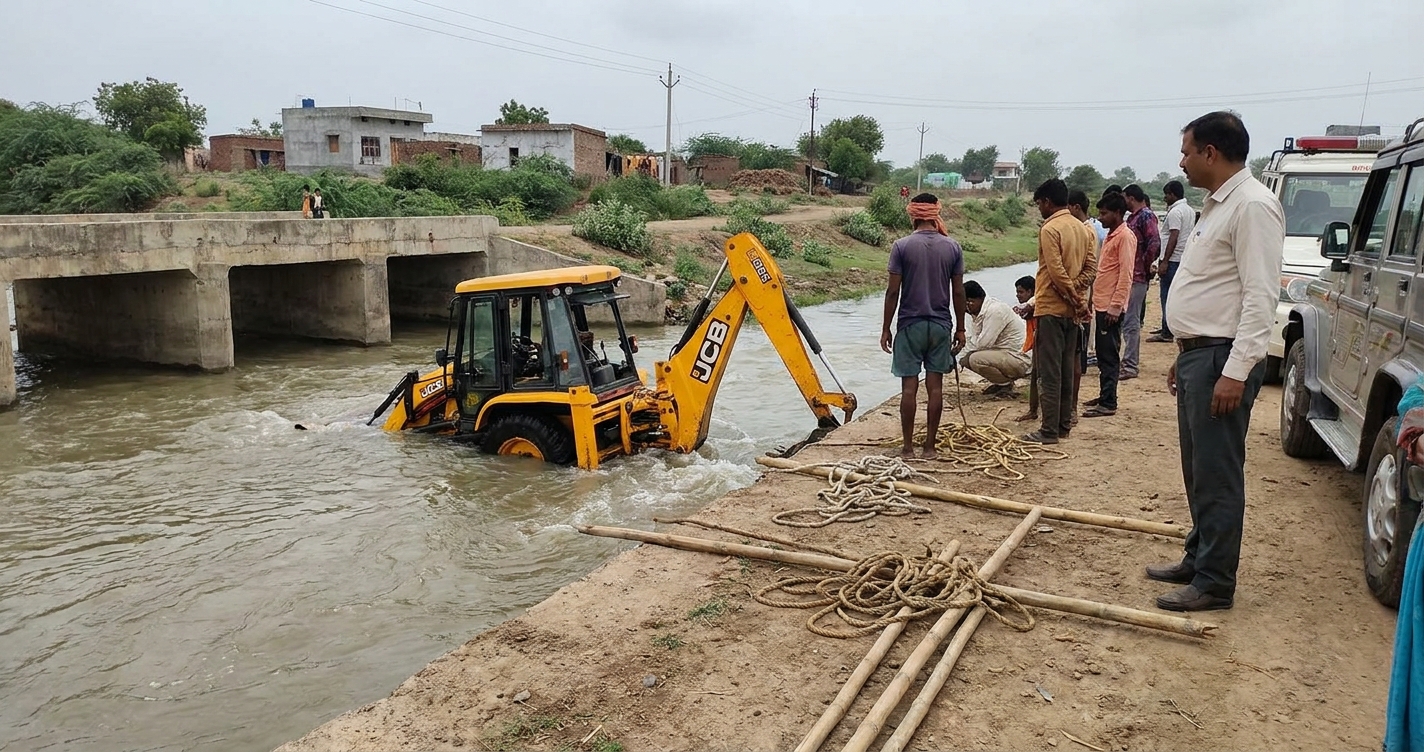
The death of labourer Biram Mogiya under a Gadganga River bridge exposes how India's low-value municipal works orders - like the plank-installation jo
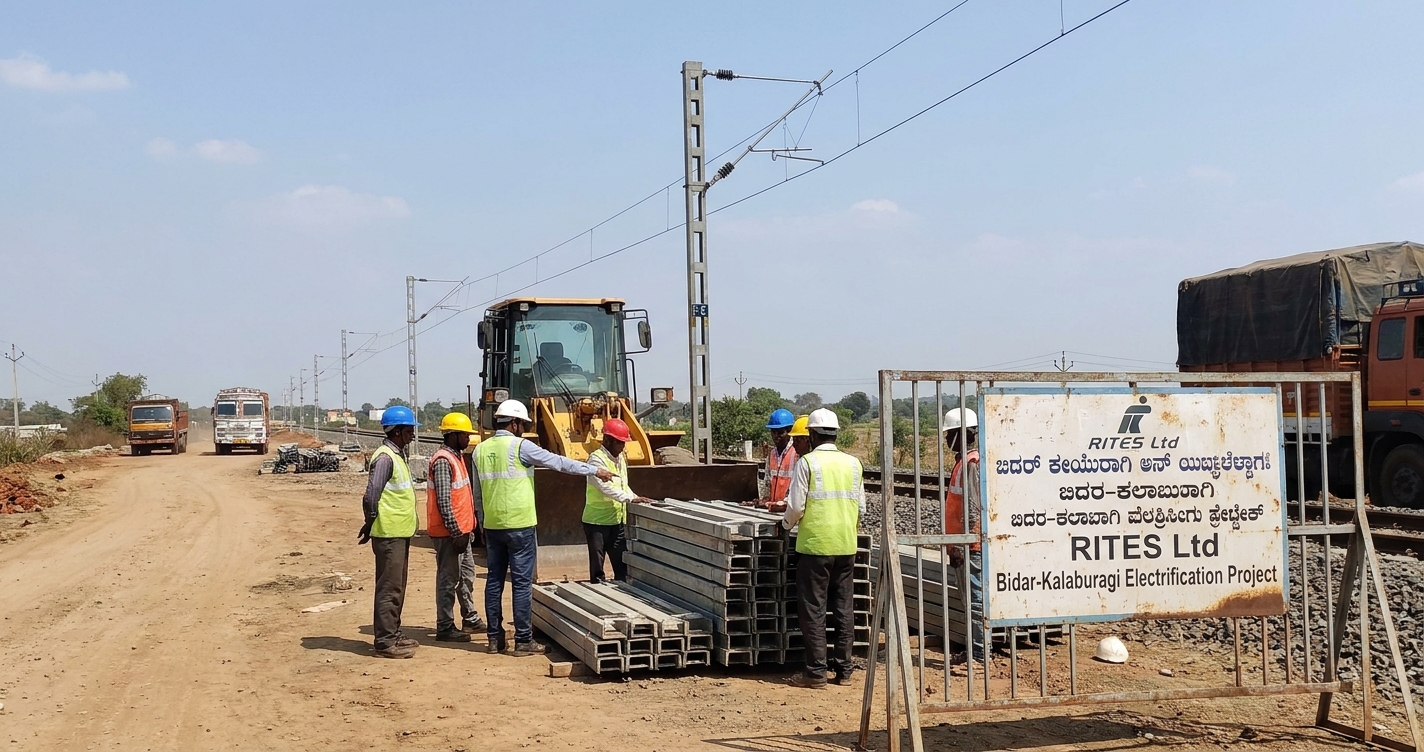
RITES' 58% repricing of the Bidar–Kalaburagi electrification mandate shows how cost-plus turnkey contracting shifts escalation risk from consultant to
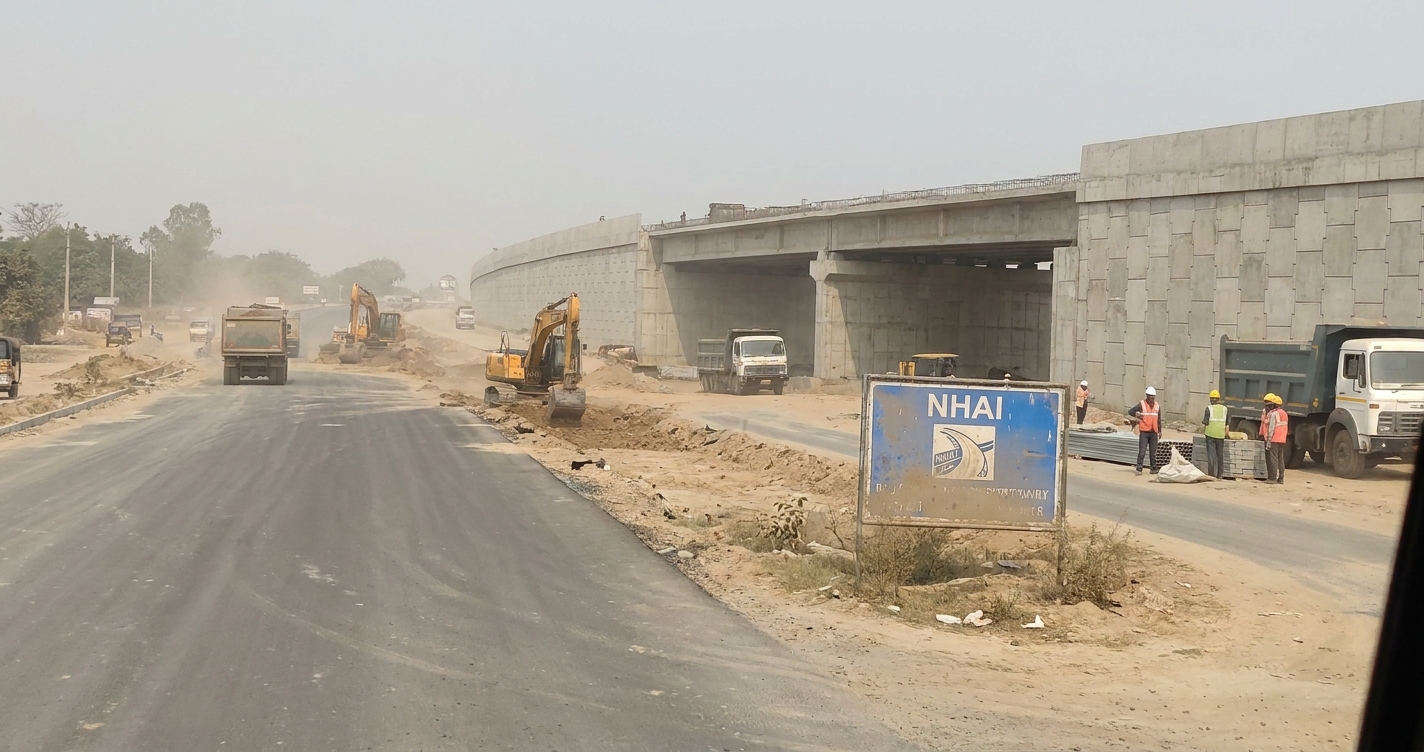
NHAI's 21 September 2026 design guidelines lock uniform 60-70m right-of-way and structure standards for 4-lane and 6-lane high-speed corridors, reshap


Powered by

© Tuskus 2025 - All Rights Reserved by Teamic Creative Lab Pvt. Ltd.
