PWD-BTC has tendered a ₹47.58 lakh road package in Baksa District under a 2019-20 technical reference, with a 180-day clock and an EMD that squeezes s


insghits
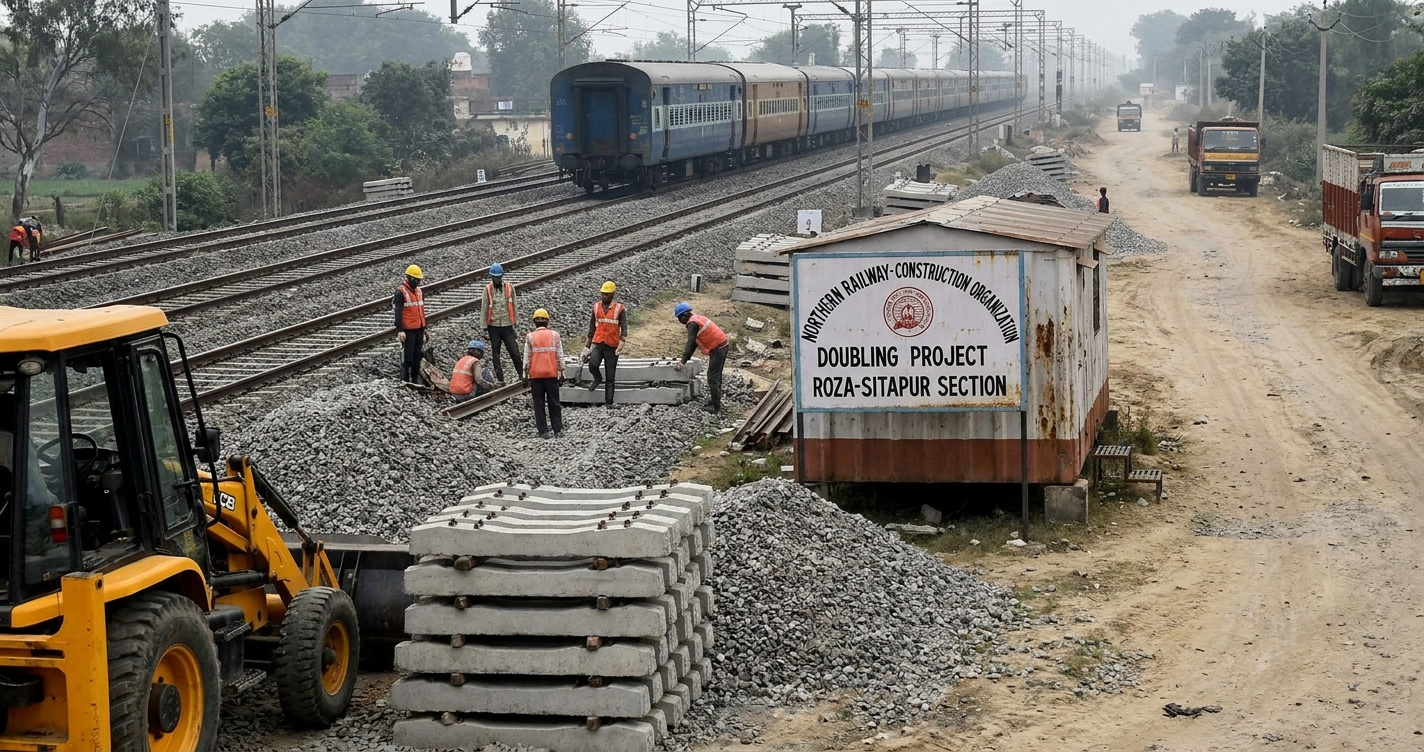
The Delhi High Court has sent a sharp signal through the infrastructure contracting ecosystem: damages for delay in government contracts require proof of actual loss, not assumed hardship. In a ruling with significant implications for contractors and public sector employers alike, Justice Avneesh Jhingan partly set aside a ₹65.73 lakh arbitral award in Union of India v. M/s Pragati Construction Consultants, upholding a refund of contractual deductions while striking down delay damages that lacked evidentiary foundation.
In November 2019, Northern Railway awarded Pragati Construction Consultants a ₹42 crore-plus contract for doubling the Roza–Sitapur railway section. The project was originally scheduled for completion within eight months, but required six extensions before finally closing out in December 2021.
The contractor invoked arbitration, claiming nearly ₹1.95 crore across multiple heads. The tribunal awarded approximately ₹65.73 lakh.
Northern Railway challenged the award under Section 34 of the Arbitration and Conciliation Act, 1996. The challenge yielded a split outcome.
The court delivered a clear message to employers. Northern Railway had made chapter-wise deductions under Schedule ‘A’ that the tribunal found inconsistent with the contractual framework governing Schedule of Rates items.
The Railway attempted to shield these deductions behind Clause 63 of the General Conditions of Contract — the “excepted matters” provision. The court rejected this outright, observing:
“having violated the terms and conditions of the contract cannot raise the shield” of excepted matters.
For contractors, this is a meaningful precedent: an employer’s own contractual breach strips away the finality that excepted matters clauses are meant to provide.
But the contractor’s victory was partial. The tribunal had awarded compensation for prolongation arising from the Railway’s alleged failure to make work sites available on time.
The High Court found a critical deficiency — Pragati Construction Consultants had produced no evidence of actual loss. Invoking Section 73 of the Indian Contract Act and Supreme Court precedents, Justice Jhingan noted that the contractor had not even argued that proving actual loss was impossible or difficult. The damages were set aside.
The court also identified a patent illegality: the tribunal had rejected pendente lite interest under the contract but then awarded the same quantum as damages — relief that went beyond the claim itself.
The ruling delivers a calibrated outcome:
- Employers lose the ability to use excepted matters as a blanket defence against their own contractual violations.
- Contractors lose the ability to secure delay damages without contemporaneous evidence of actual loss.
- Both sides face a higher evidentiary burden.
For mid-tier contractors like Pragati Construction Consultants, who often lack the dedicated claims and documentation infrastructure of large EPC players, the message is unambiguous. Prolongation costs must be documented as they are incurred — not reconstructed during arbitration.
The era of assumed losses is closing.
Insights
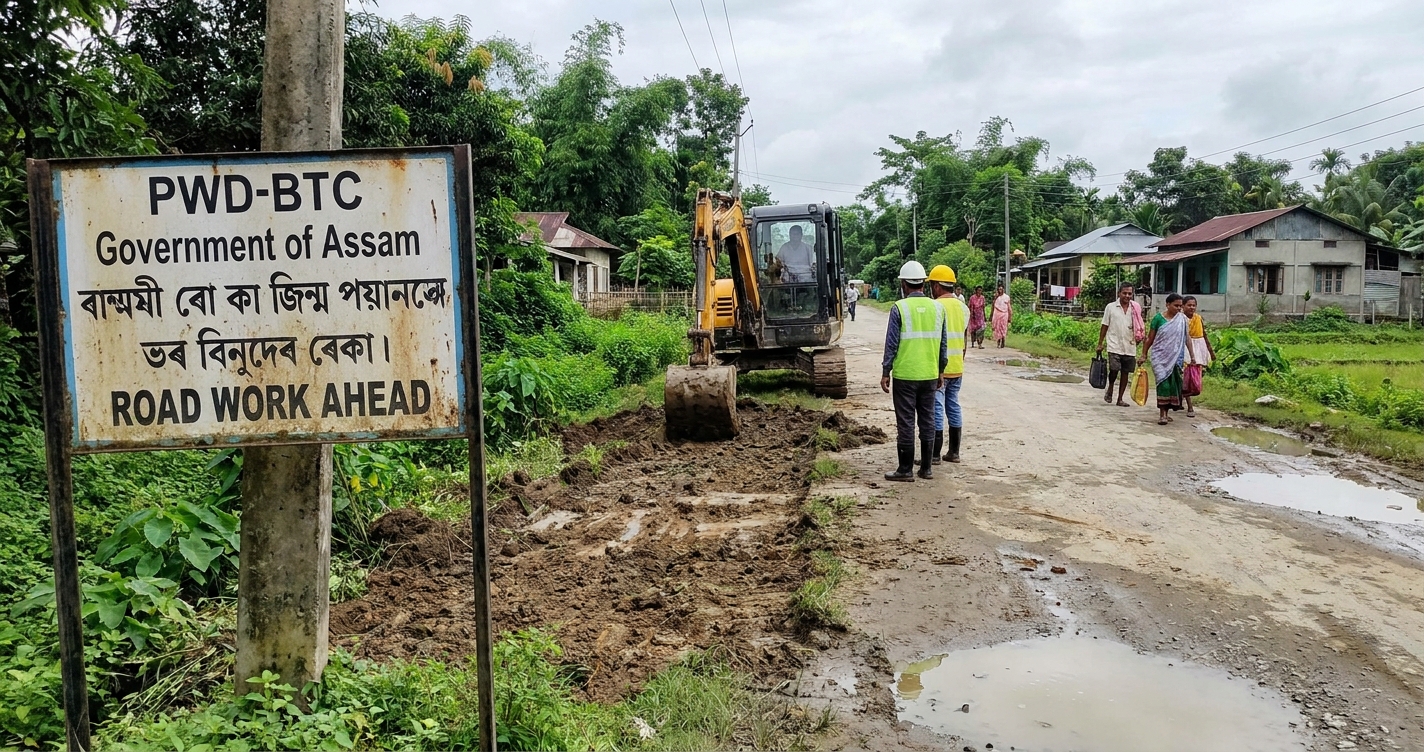
PWD-BTC has tendered a ₹47.58 lakh road package in Baksa District under a 2019-20 technical reference, with a 180-day clock and an EMD that squeezes s
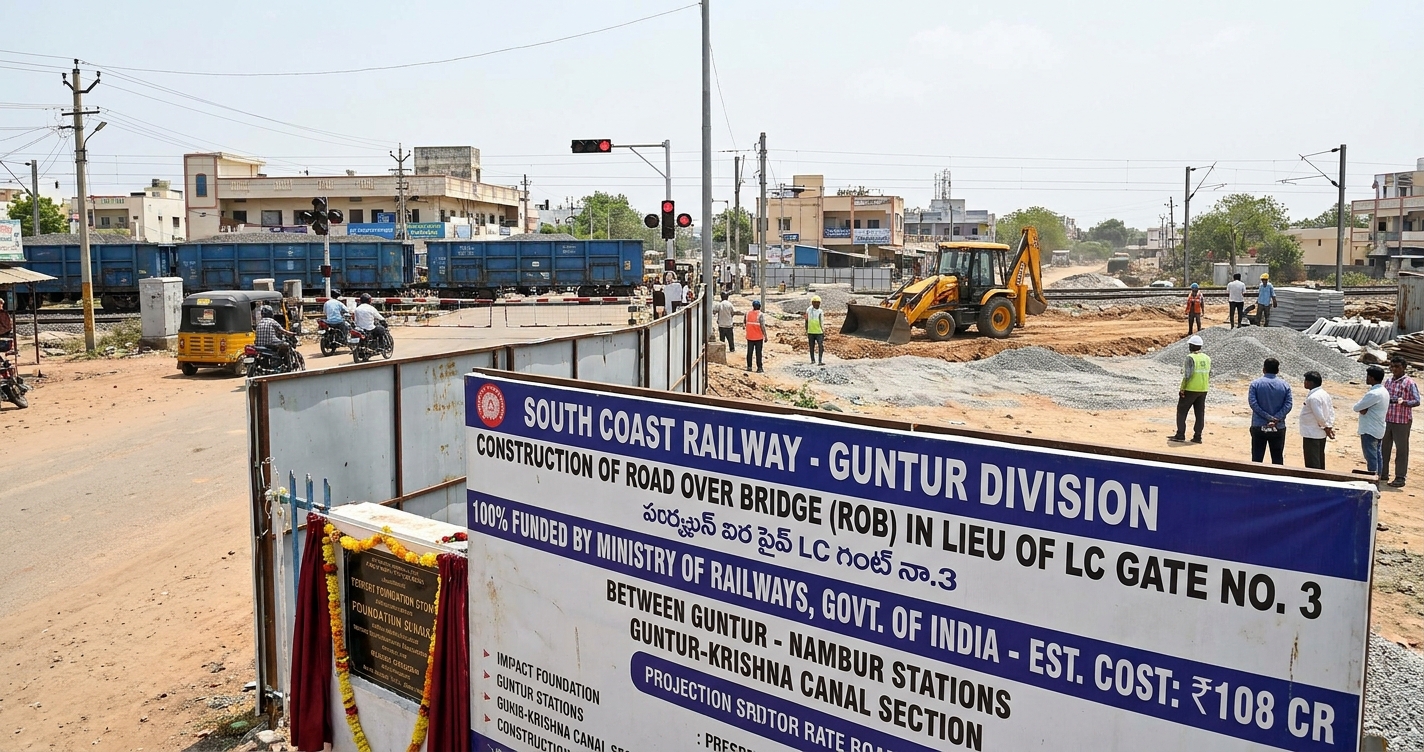
The Ministry of Railways will fully fund a ₹108 crore, 668-metre four-lane Road Over Bridge between Guntur and Nambur, replacing Level Crossing Gate N
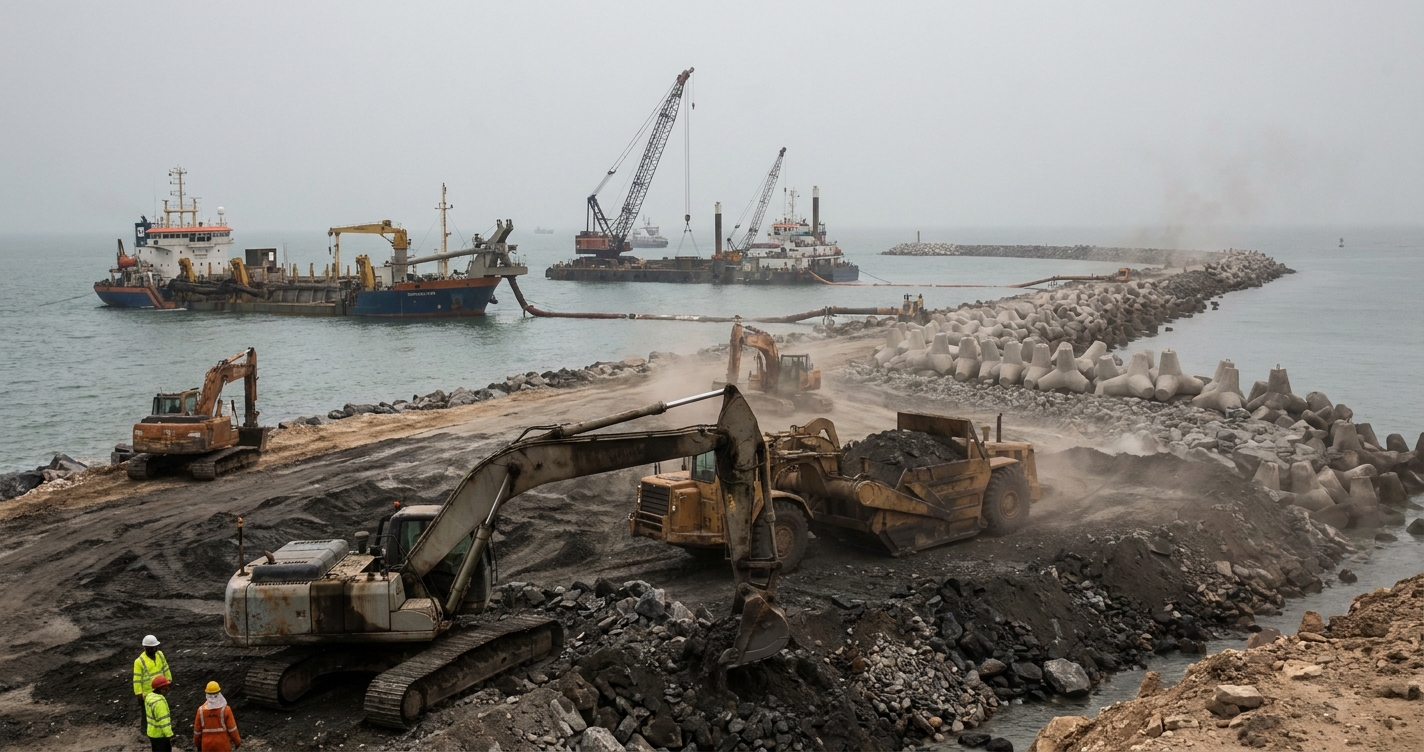
Four bidders, including Adani Ports and DP World, have entered the Rs 22,323-crore offshore package for Vadhvan Port - dredging and 1,207 hectares of


Powered by

© Tuskus 2025 - All Rights Reserved by Teamic Creative Lab Pvt. Ltd.
