Deputy Commissioner Poonch Ashok Kumar Sharma chaired a September 25 review of bottlenecks on National Highway-144A, the strategic Akhnoor–Poonch corr


insghits
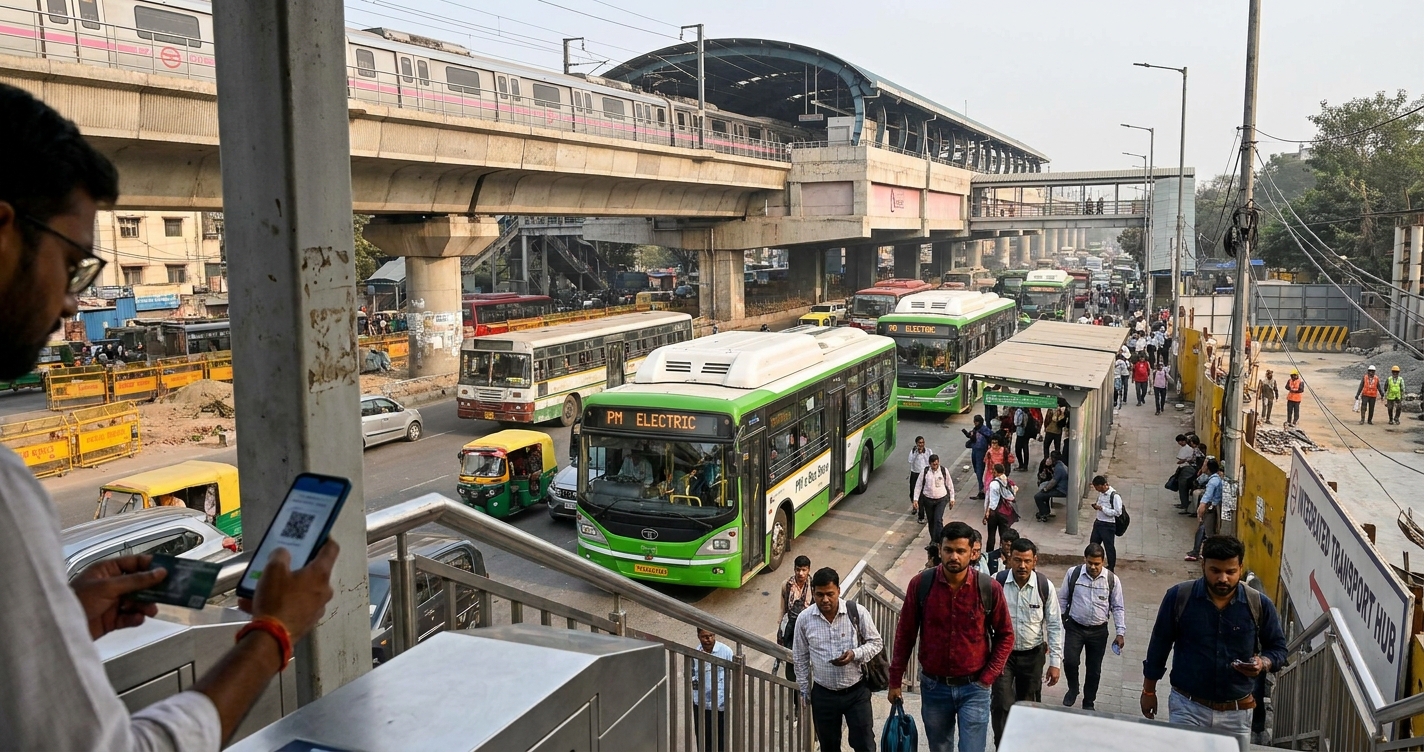
India's urban mobility market is entering a phase where the measure of progress is shifting from track laid and terminals built to systems integrated, fleets operated and energy managed.
The headline numbers remain civil-led: operational metro has grown from 248 km in 2014 to 1,155 km across 26 cities in 2026, backed by roughly ₹3.7 lakh crore over twelve years, while operational airports rose from 74 to 165 on more than ₹1.4 lakh crore of investment.
But the commercial centre of gravity is moving downstream, toward the layers that make assets interoperable and operationally viable.
Delhi Metro Rail Corporation (DMRC) shows the shift most clearly. Its Pink and Magenta Lines run Unattended Train Operations, and its Red Line uses the indigenous i-ATS supervision system developed jointly with Bharat Electronics Limited (BEL).
The Delhi–Meerut Namo Bharat corridor has deployed hybrid Level-III signalling integrated with LTE, and in February 2026 completed the 82-km corridor while running Meerut Metro and Namo Bharat on shared infrastructure.
That precedent matters more than the kilometres: it proves a delivery model in which regional and intra-city mobility share track, signalling and control, compressing capital into interoperability rather than duplicate assets.
The procurement signal on fleets and energy is equally clear. PM e-Bus Sewa targets 10,000 electric buses across 100 cities, and Delhi Chief Minister Rekha Gupta has committed to roughly 5,800 e-buses within a 7,500-bus fleet by March 2027.
The National Common Mobility Card now spans 11 metro projects and 11 bus corporations, pulling ticketing into a digital layer above physical assets.
For contractors and OEMs, the margin and backlog opportunity is migrating toward rolling stock, signalling localisation, charging networks, depot electrification, fleet O&M and energy management rather than pure civil works.
Civil Aviation Minister Ram Mohan Naidu's commitment to develop UDAN airports under Challenge Mode adds a procurement dimension: speed, quality and sustainability become bid parameters, not afterthoughts.
Noida International Airport's greenfield design, which embeds solar and efficiency requirements from planning, indicates where airport packages are heading.
The risk, however, is fragmentation. Each digital layer can become a disconnected platform:
- NCMC
- QR ticketing
- Intelligent transport systems
- Driverless operations
- Fleet telematics
The entities that capture upside will be those able to integrate systems across modes and hold long-term O&M risk, while traditional civil contractors face thinning differentiation unless they move into systems integration, station development and transit-oriented land value.
Insights
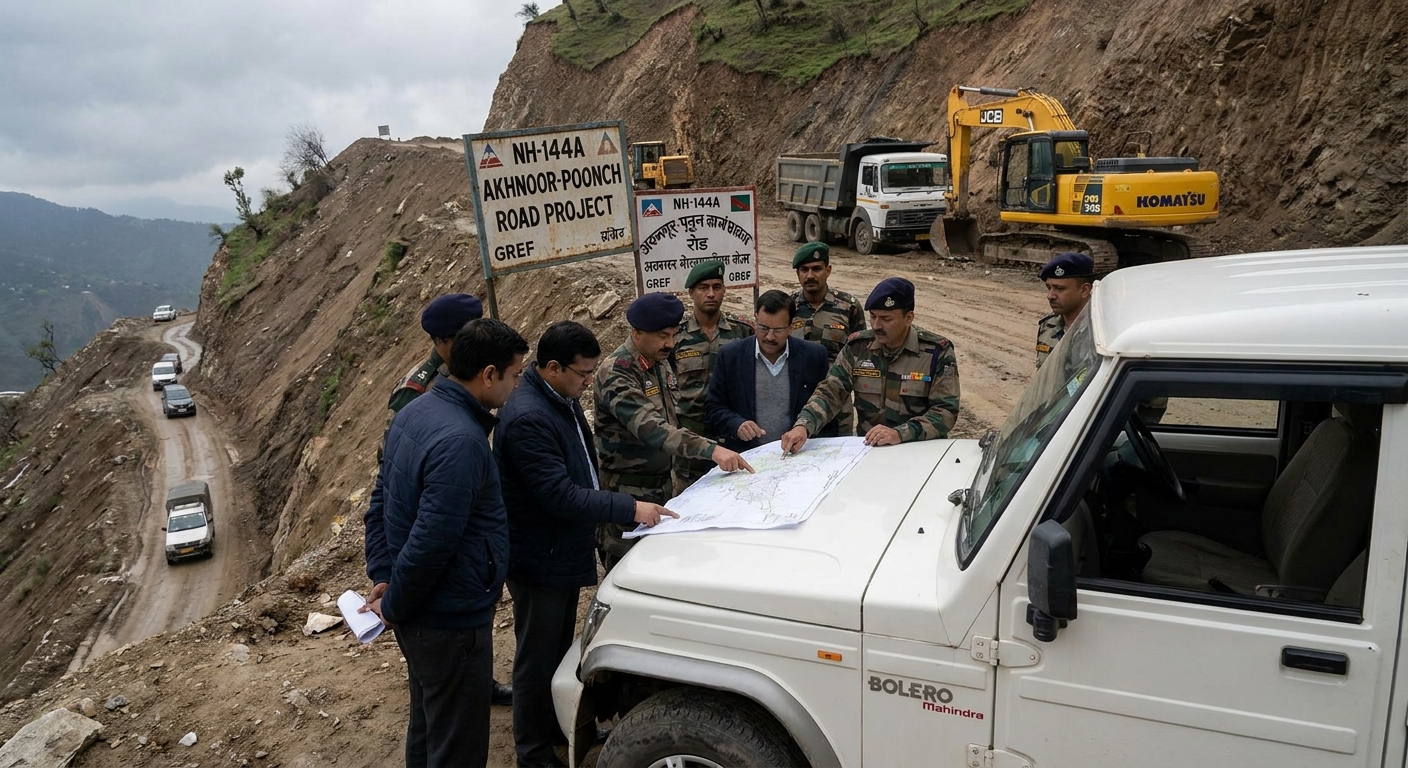
Deputy Commissioner Poonch Ashok Kumar Sharma chaired a September 25 review of bottlenecks on National Highway-144A, the strategic Akhnoor–Poonch corr
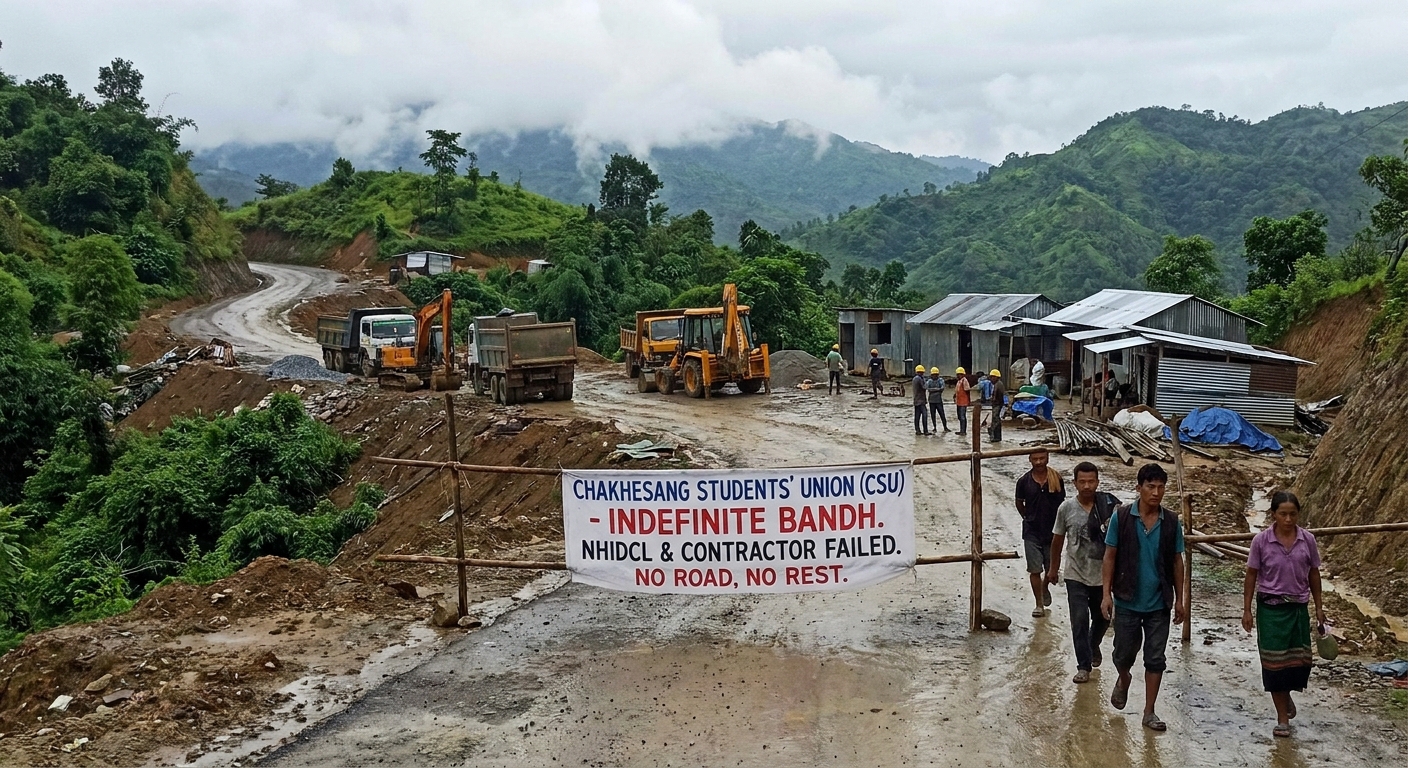
The Chakhesang Students Union has given NHIDCL 72 hours to terminate the contractor on the Chakhabama-Kikruma package of NH-29, with 44.30% physical p
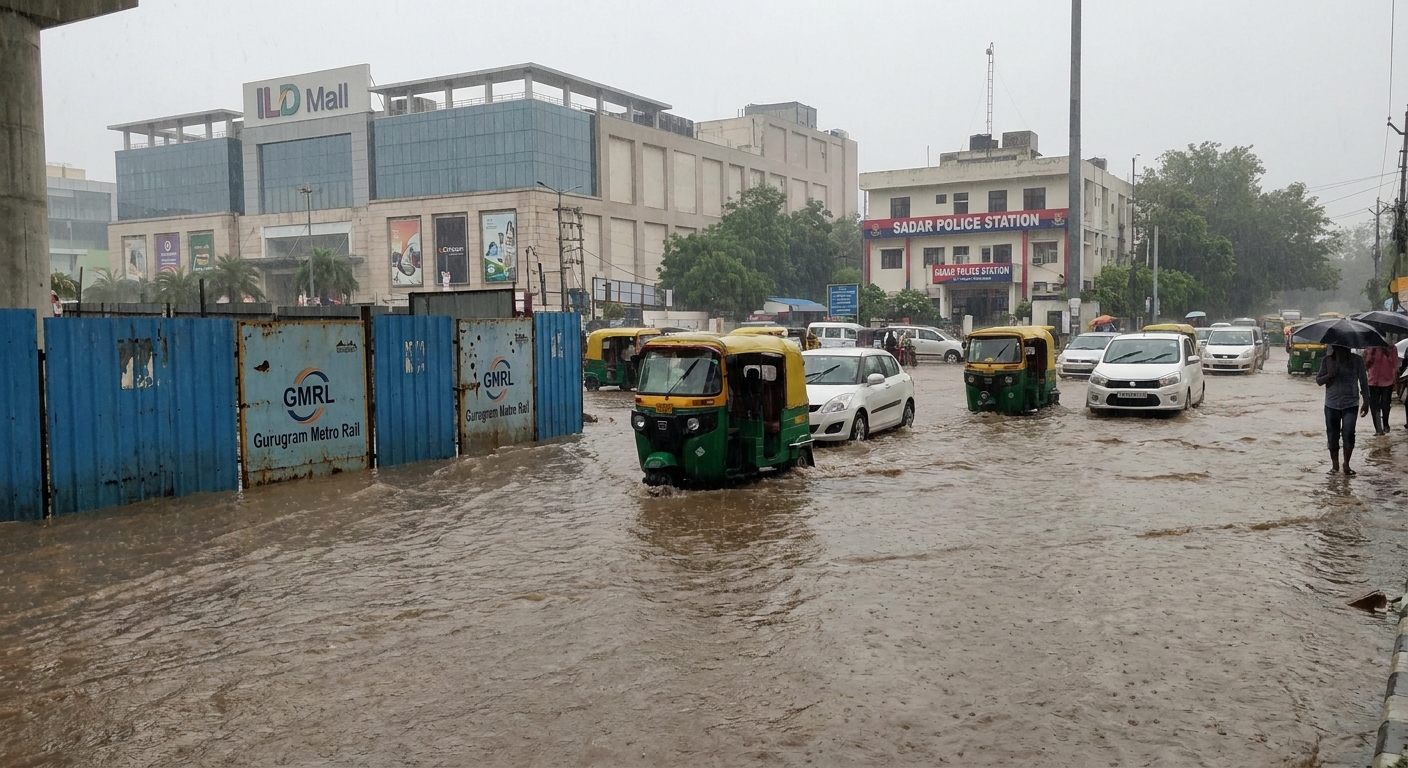
Gurugram Metro Rail Limited has locked the alignment and access gates for the Subhash Chowk Metro station, but both entrances sit in a stretch that fl


Powered by

© Tuskus 2025 - All Rights Reserved by Teamic Creative Lab Pvt. Ltd.
