Indian Railways has approved a four-lane Road Over Bridge at Alkapuri in Western Railway's Vadodara division, with the Ministry of Railways and the Gu


insghits
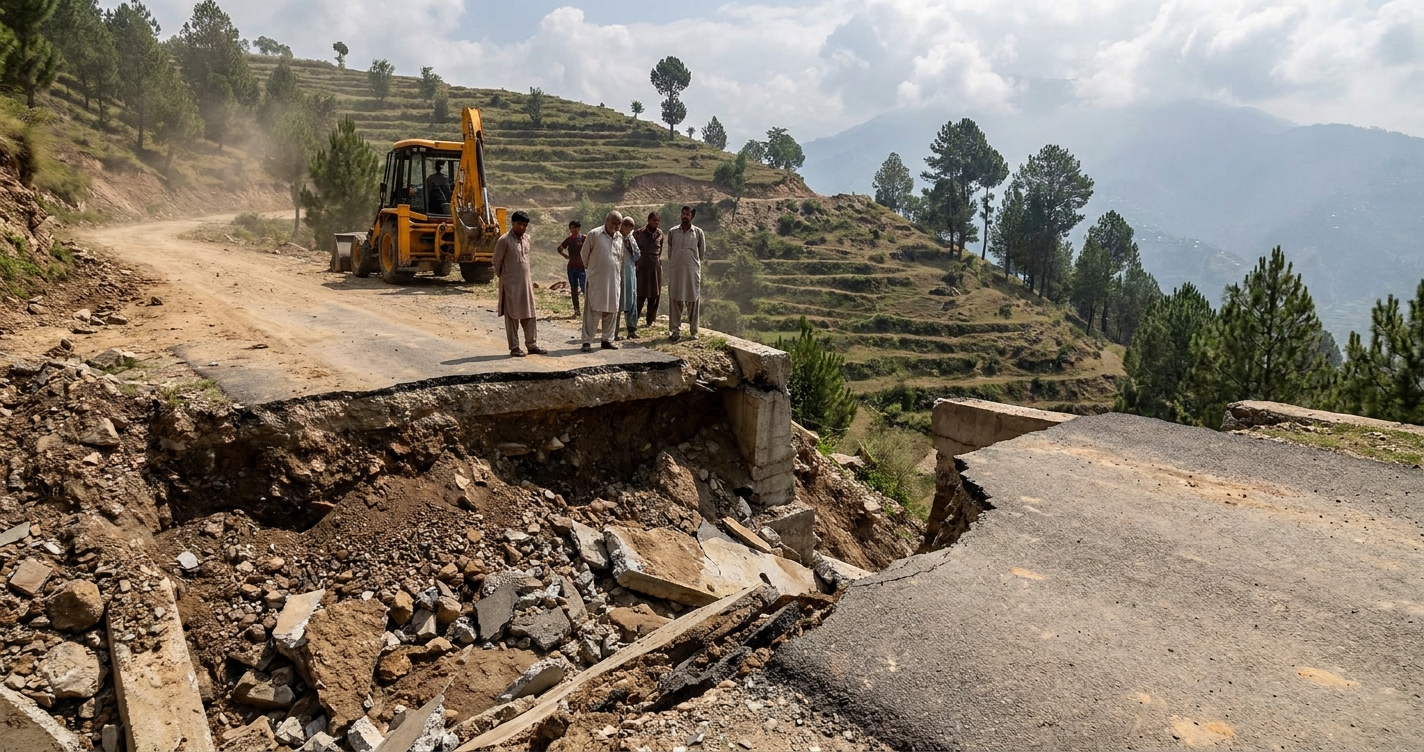
On 8 August 2026, a six-metre span culvert collapsed on the Gill Kunan Road in the Bhless area of Jammu and Kashmir’s Doda district. The failure narrowly averted what locals described as another potential mass-casualty event.
The road has been in a deteriorated state for approximately 18 months. A prior accident at the same site resulted in 15 injuries and the death of a woman.
The Sub-Divisional Magistrate (SDM) had previously suspended two engineers over the matter. Yet the physical work on the ground remains unfinished.
Local residents continue to make repeated visits to the SDM’s office seeking resolution. The contractor responsible has not been held to delivery account on site.
Residents have directly attributed the recurring failures to poor material quality. One resident, speaking to ANI, pointed to the collapsed wall and stated that the visible material quality reveals the nature of the work performed. The resident named this as the root cause of repeated accidents and urged the SDM to take immediate action against the contractor.
“The visible material quality reveals the nature of the work performed.”
The sequence of events exposes a familiar but rarely articulated fault line in India’s remote infrastructure delivery model.
Administrative accountability mechanisms can trigger personnel action — suspensions, inquiries, directives. But physical remediation depends on a thin contractor ecosystem where replacement capacity is scarce and enforcement leverage is limited.
In Doda’s hilly terrain, the pool of contractors willing and able to execute road and culvert works is narrow. When a contractor underperforms or defaults, the district administration faces a hard choice:
- Pursue punitive measures and risk further delays while a replacement is found
- Continue pressing the same contractor to complete the work
The 18-month timeline of unresolved road conditions suggests the latter dynamic has played out here.
The suspension of two engineers indicates that quality supervision failures have been identified. However, the fact that physical work has not progressed — even after personnel action — signals that the problem extends beyond individual oversight lapses.
Several open questions remain:
- The contractor’s continued presence on or absence from the site
- The procurement model under which the work was awarded
- The performance security mechanisms available to the district administration
For infrastructure professionals, the Doda culvert collapse carries a specific signal:
In remote and challenging geographies, the traditional engineer-contractor accountability chain can break down not because accountability mechanisms are absent, but because alternative execution capacity does not exist.
Suspending an engineer is administratively straightforward. Finding a competent contractor to replace an underperforming one in a remote hill district — and mobilising them through the remaining working season — is an entirely different proposition.
This case also surfaces questions about the quality assurance framework applied during construction. If material quality deficiencies were visible to residents at the time of construction, as alleged, then the inspection regime — whether conducted by the Public Works Department or a third-party monitor — failed at the point of execution, not merely after the fact.
The Doda district administration now faces the dual challenge of completing the stalled remedial work and restoring public confidence.
For the unnamed contractor, the commercial implications are significant:
- Potential contract termination
- Encashment of performance guarantees
- Possible debarment from future works in the region
For the broader contractor community operating in Jammu and Kashmir’s hill districts, the incident will likely invite intensified scrutiny of ongoing works and tighter enforcement of material quality standards — at least in the near term.
Insights
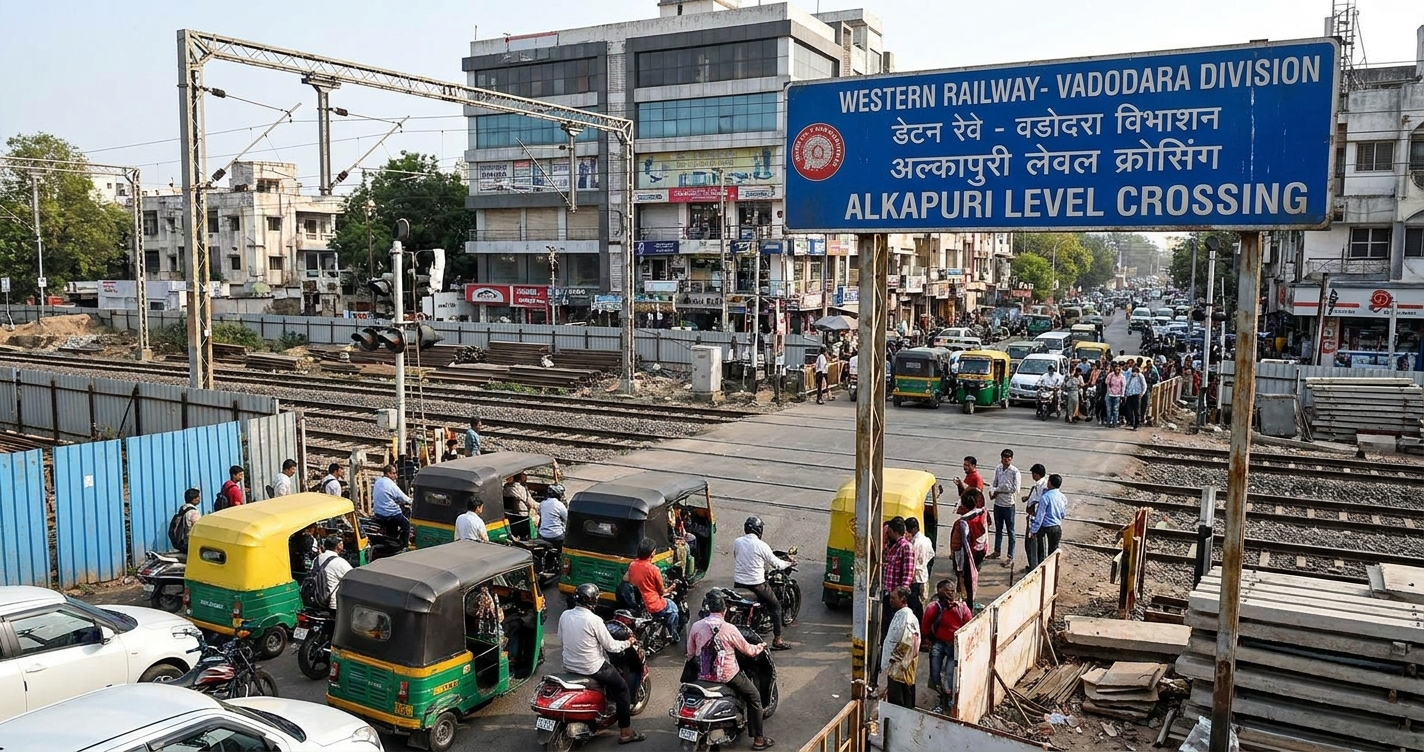
Indian Railways has approved a four-lane Road Over Bridge at Alkapuri in Western Railway's Vadodara division, with the Ministry of Railways and the Gu
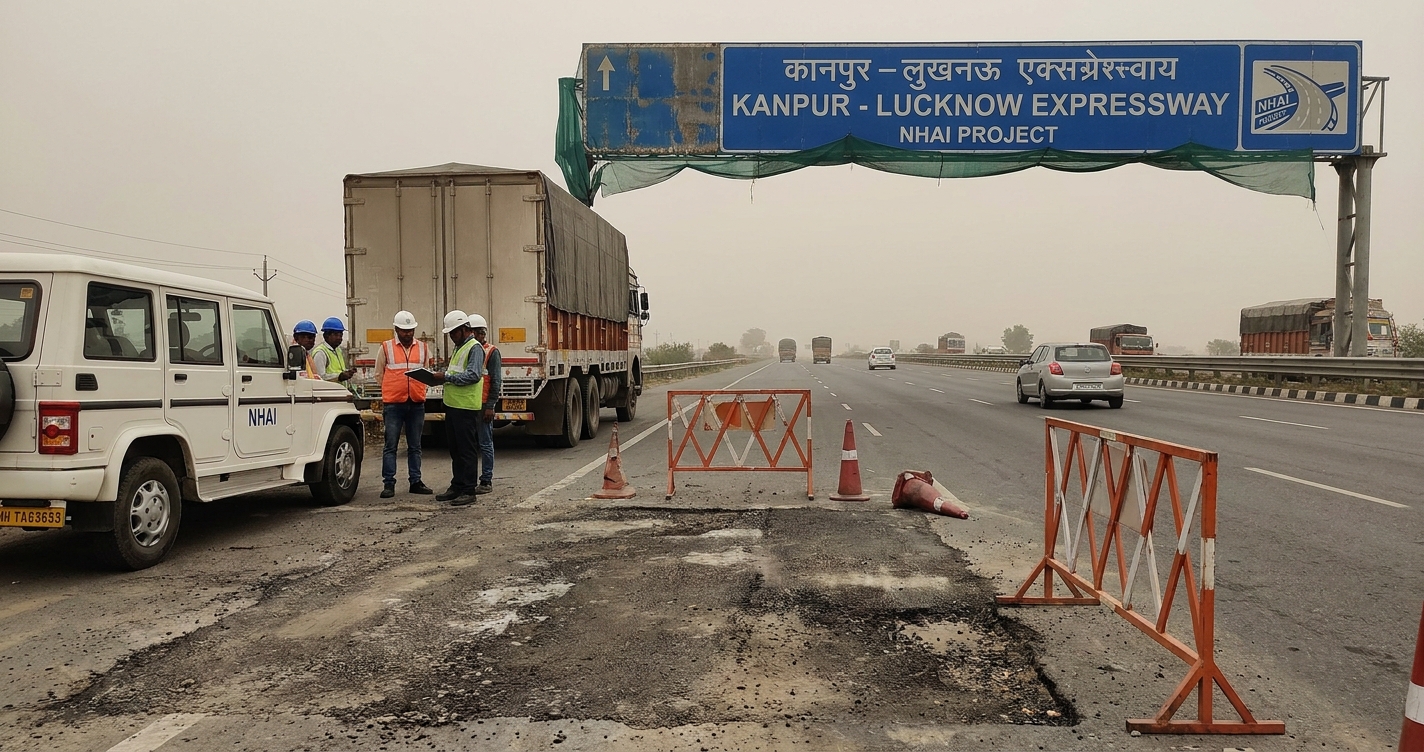
NHAI's two-year debarment of Theme Engineering Services over the Kanpur-Lucknow Expressway moves accountability from contractors to independent engine
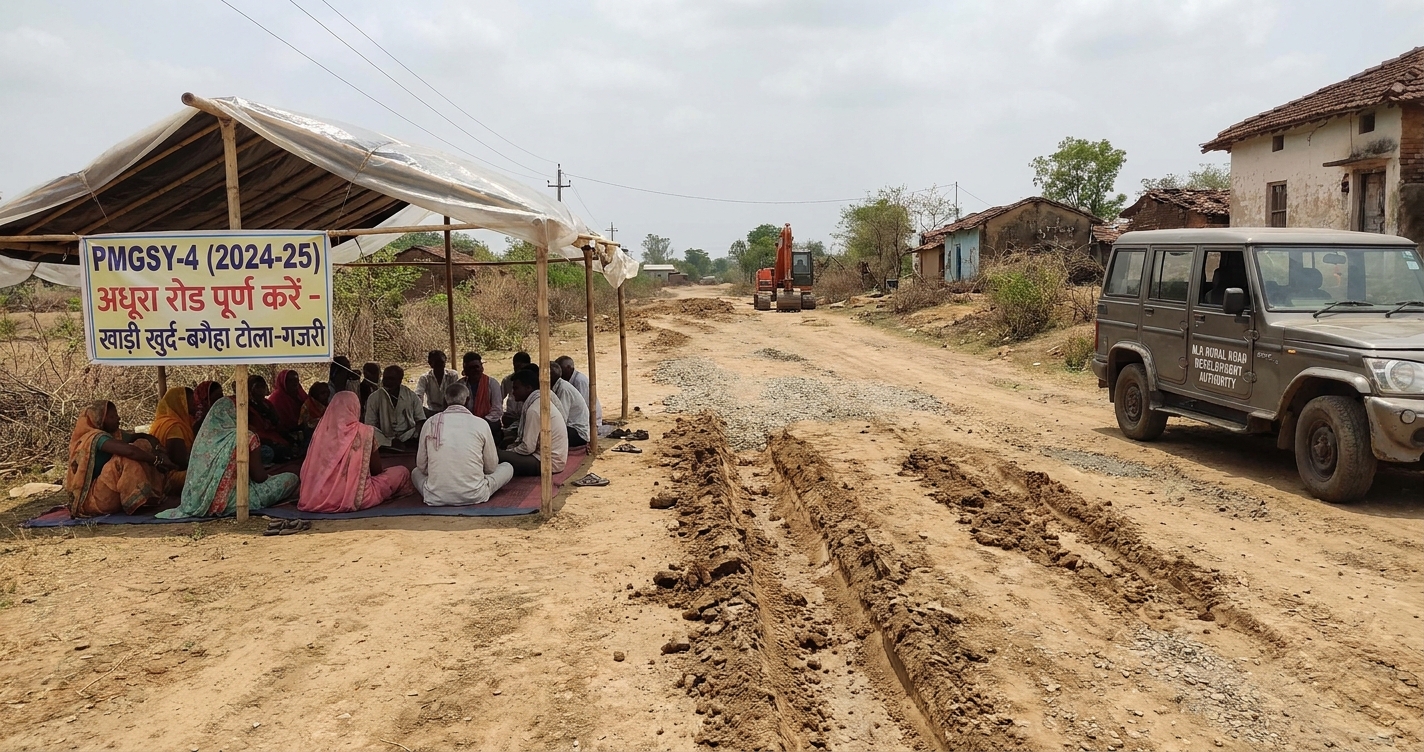
An estimate worth Rs 4.48 crore, a 5.07-km PMGSY-4 priority listing and Rs 10 lakh of murum surfacing, yet the Khaddi Khurd road stays impassable. The


Powered by

© Tuskus 2025 - All Rights Reserved by Teamic Creative Lab Pvt. Ltd.
