The death of labourer Biram Mogiya under a Gadganga River bridge exposes how India's low-value municipal works orders - like the plank-installation jo


insghits
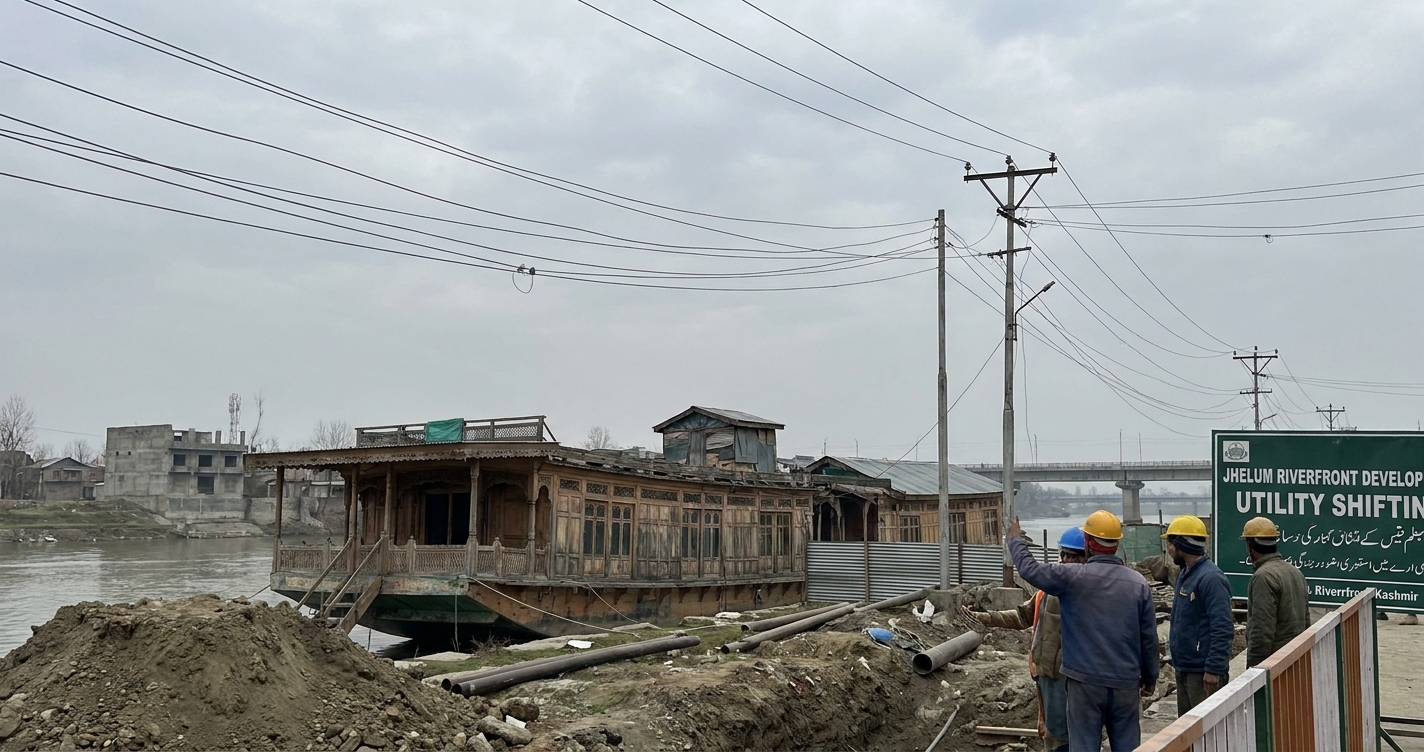
Anshul Garg, Divisional Commissioner Kashmir, has pushed the Inland Waterways Authority of India (IWAI) back to the survey stage on River Jhelum National Waterway-49, instructing the authority to complete a joint survey and utility assessment at Gund Parang before any water transport works can be sequenced.
The review makes clear that NW-49's critical path is no longer navigation or dredging — it is utility relocation, sewage treatment, and land identification.
The gating items are explicit:
- Tree removal and road widening at Gund Parang
- Construction of sewage treatment plants (STPs)
- Shifting of KPDCL and KPTCL utilities
- Relocation of houseboats
Most of these sit outside IWAI's direct scope. STPs fall to the Urban Environmental Engineering Department (UEED); electrical utility shifting belongs to KPDCL and KPTCL; road widening is R&B territory; houseboat relocation runs through Tourism and Urban Local Bodies.
“incorporate the required construction and utility-shifting works in their respective departmental plans”
Garg's directive is the commercially significant line. It fragments the enabling works across line-department budgets and timelines rather than consolidating them under a single project vehicle or EPC package.
For contractors, this means a series of smaller packages — UEED-led STP civil works, KPDCL and KPTCL electrical shifting, R&B road widening — distributed across local firms, with no single entity carrying integrated delivery risk.
The STP requirement is the structural cost driver. Waterway-49 is being treated as an urban river-corridor redevelopment program, not a standalone navigation contract.
That raises the environmental compliance burden and the capital base before IWAI can mobilize terminal or ferry infrastructure. IWAI now bears schedule risk on interfaces it does not control, a familiar pattern in metro and road corridor projects where right-of-way and utility relocation decide the actual start date.
The industry signal: inland waterway development in urbanized corridors is a utility-and-sanitation sequencing exercise first and a navigation project second.
Owners such as IWAI must clear inter-departmental interfaces before any water transport revenue or public utility can be realized, and folding enabling works into departmental plans fragments both delivery accountability and commercial opportunity.
Insights
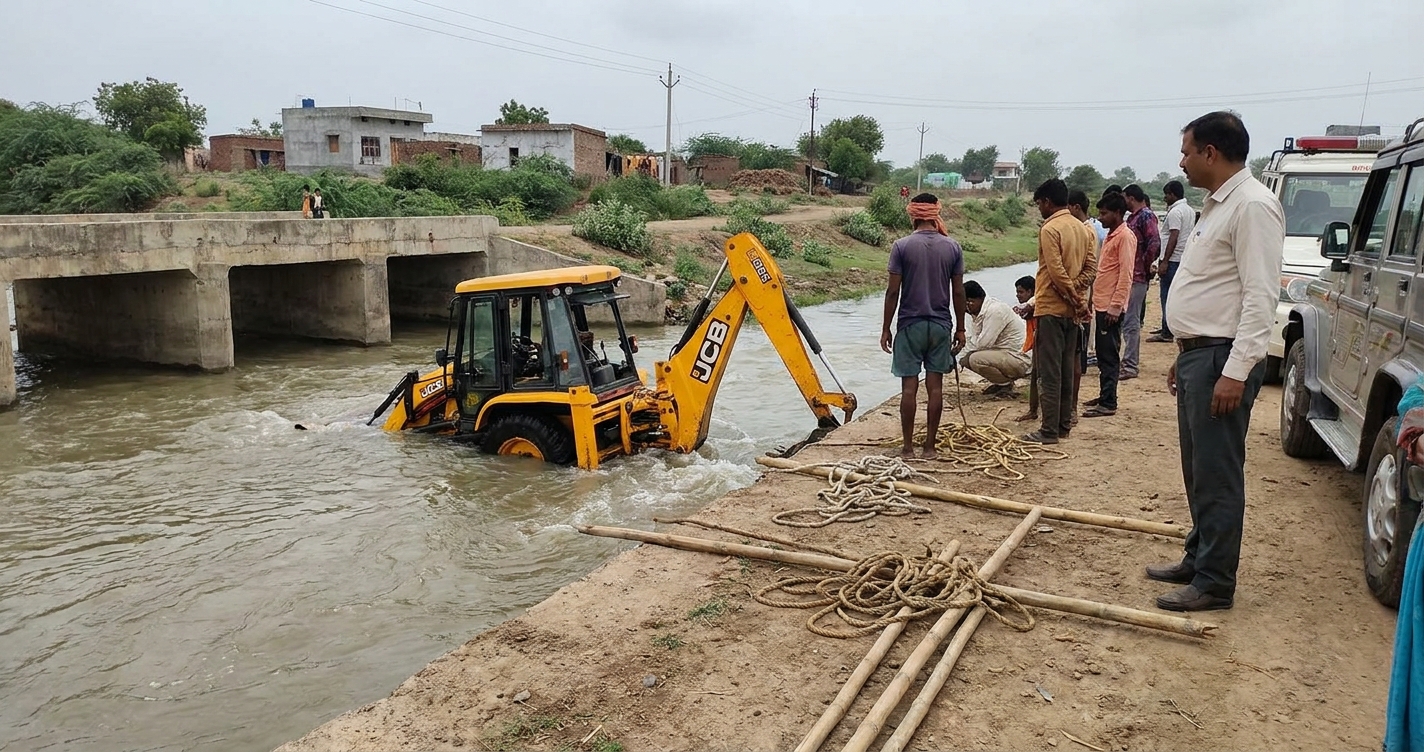
The death of labourer Biram Mogiya under a Gadganga River bridge exposes how India's low-value municipal works orders - like the plank-installation jo
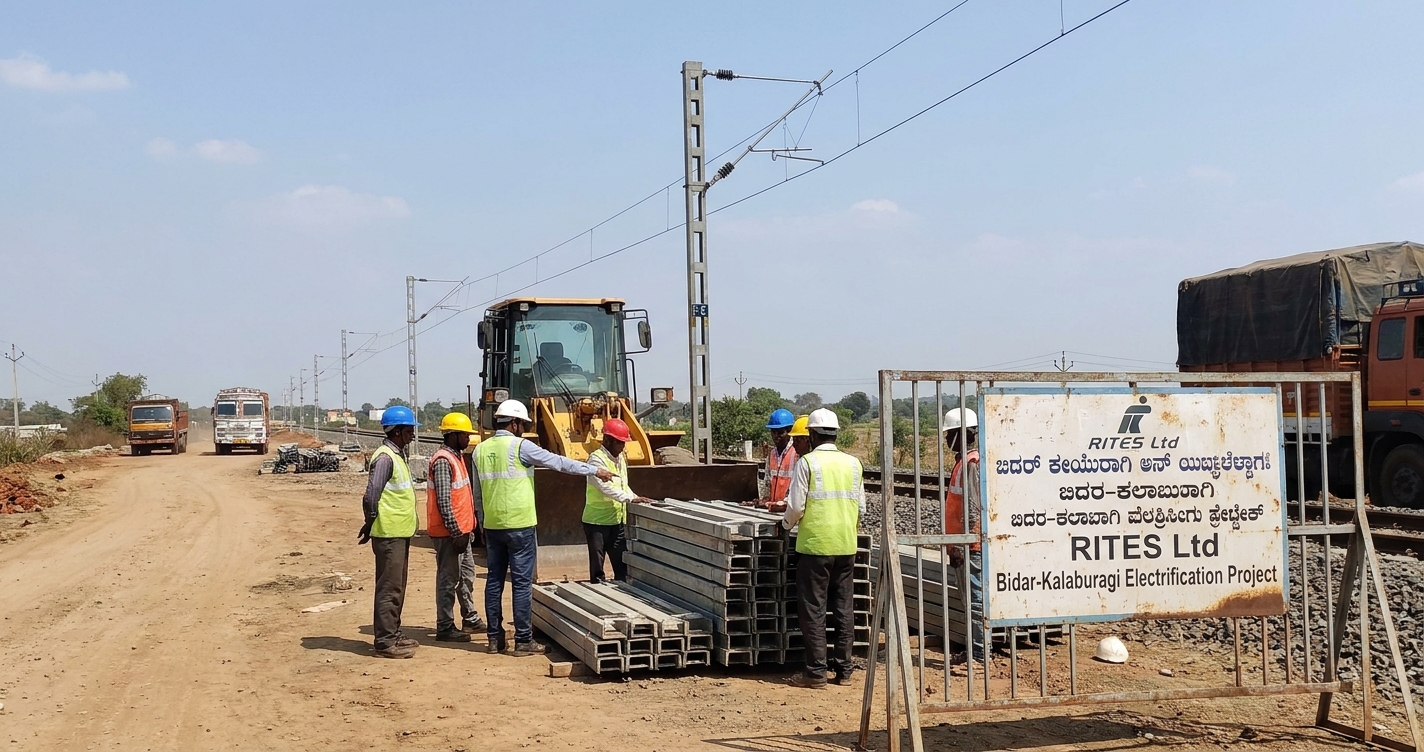
RITES' 58% repricing of the Bidar–Kalaburagi electrification mandate shows how cost-plus turnkey contracting shifts escalation risk from consultant to
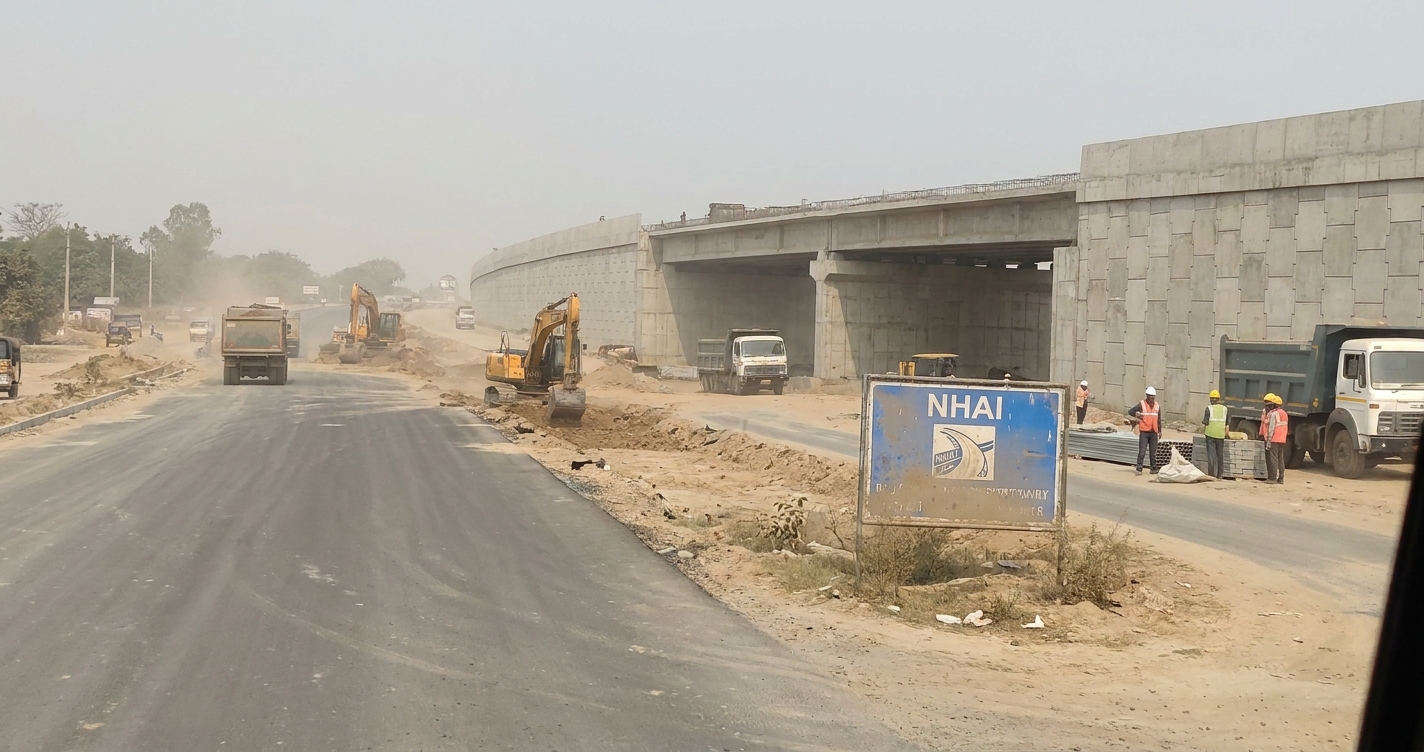
NHAI's 21 September 2026 design guidelines lock uniform 60-70m right-of-way and structure standards for 4-lane and 6-lane high-speed corridors, reshap


Powered by

© Tuskus 2025 - All Rights Reserved by Teamic Creative Lab Pvt. Ltd.
