Indian Railways has approved a four-lane Road Over Bridge at Alkapuri in Western Railway's Vadodara division, with the Ministry of Railways and the Gu


insghits
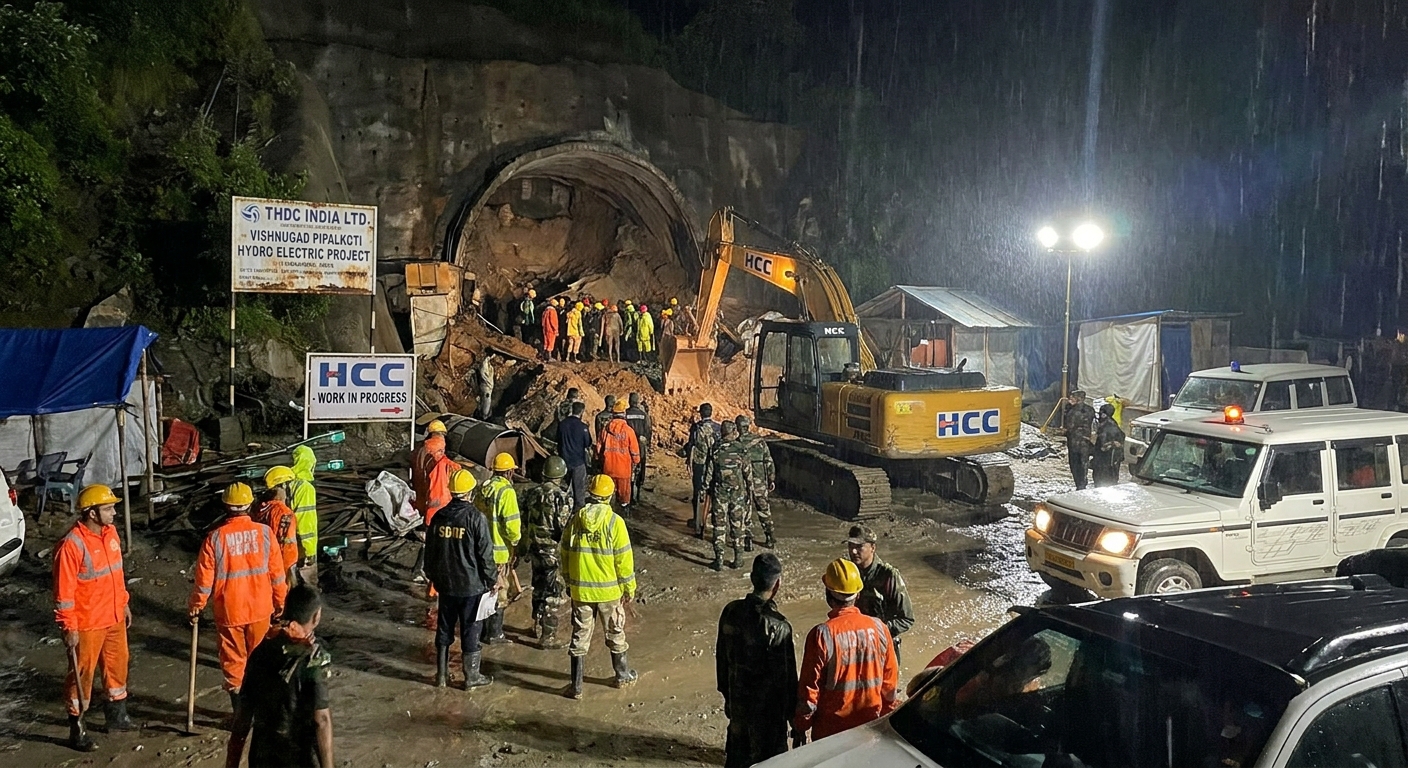
The tunnel collapse at THDC India Limited's Vishnugad Pipalkoti Hydro Electric Project (VPHEP) in Chamoli district is more than a rescue operation. It is a stress test of Himalayan hydropower execution, landing directly on two entities: owner THDC India Limited and contractor Hindustan Construction Company (HCC), which is building the tunnel where debris and water entered around 7:05 pm on August 13.
The NDRF, SDRF, ITBP, Army and CISF are on site, with Uttarakhand Chief Minister Pushkar Singh Dhami monitoring the response.
Operationally, the picture is still forming. Preliminary figures suggest 18 to 19 workers were inside, with 13 evacuated and 5 to 6 unaccounted for.
For infrastructure decision-makers, however, the commercial questions are already sharpening.
The Alaknanda valley has repeatedly punished tunnel construction.
- The February 2021 Tapovan flash flood inundated an NTPC project tunnel in the same district.
- The November 2023 Silkyara collapse trapped 41 workers in a road tunnel in neighbouring Uttarkashi.
Water and debris ingress at Pipalkoti points to the familiar failure cluster of Himalayan hydro tunnelling:
- Shear zones
- Squeezing ground
- Perched aquifers
- Sudden inrush
These are the same conditions that convert fixed-price EPC tunnels into contingent liabilities.
THDC India Limited, now majority-owned by NTPC Limited, has already watched VPHEP’s 444 MW run-of-the-river schedule slip repeatedly.
A collapse of this nature will likely force revised support design or realignment at the affected reach, followed by claims, arbitration risk and rebaselined timelines.
For HCC — a contractor that has carried heavy debt and historically leaned on arbitration awards to recover dues — a safety incident on a flagship hydro package brings reputational, insurance and liquidity consequences alongside the immediate human cost.
India’s accelerating hydro and pumped-storage pipeline depends on contractors willing to absorb Himalayan geological risk.
Every high-profile failure — Silkyara, and now Pipalkoti — raises the price of that risk:
- Stricter geological investigation
- Heavier support classes
- Higher insurance premiums
- Ultimately, either more owner-furnished risk-sharing or fewer bidders prepared to price lump-sum tunnels in fragile terrain
The rescue outcome is the priority.
But for THDC, HCC and the wider EPC ecosystem, the post-incident review will determine how much geological risk contractors are expected to carry in India’s Himalayan hydropower corridor — and whether the current procurement model remains bankable.
Insights
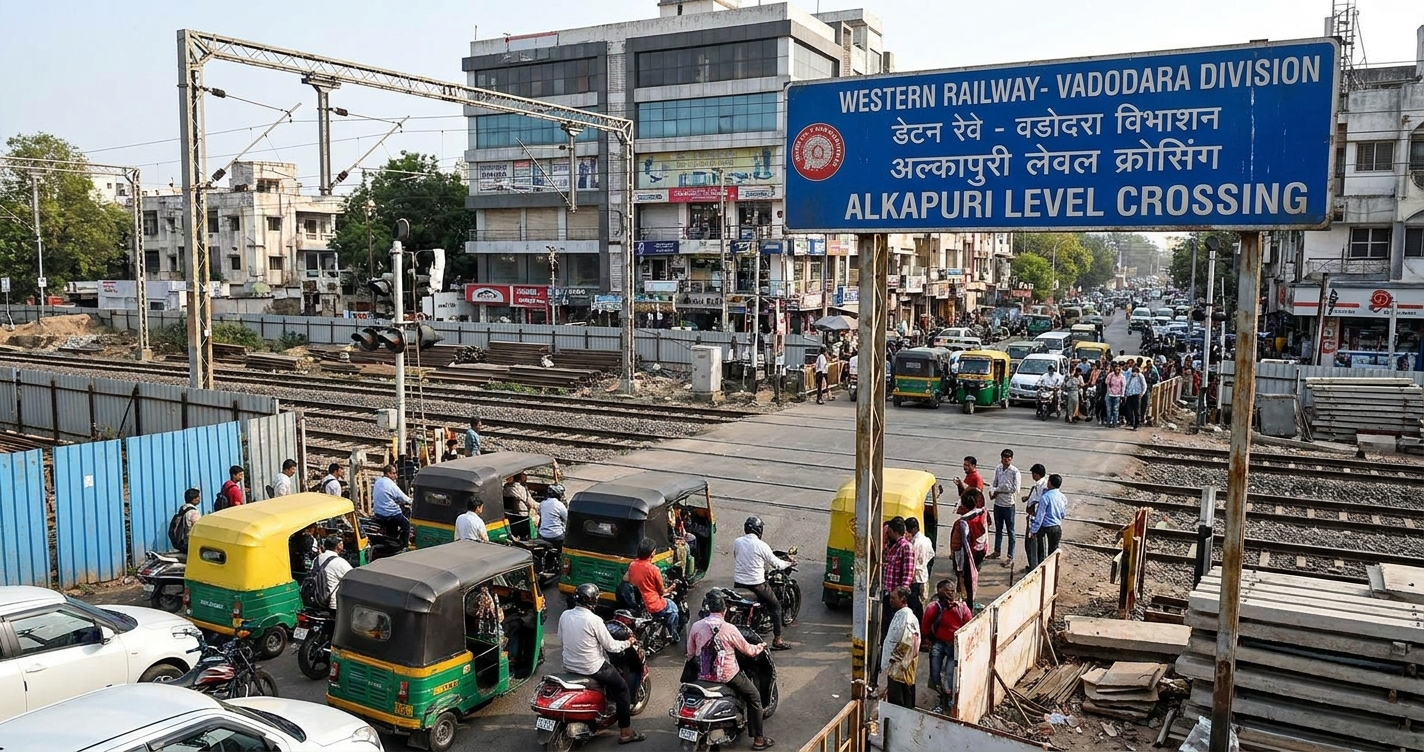
Indian Railways has approved a four-lane Road Over Bridge at Alkapuri in Western Railway's Vadodara division, with the Ministry of Railways and the Gu
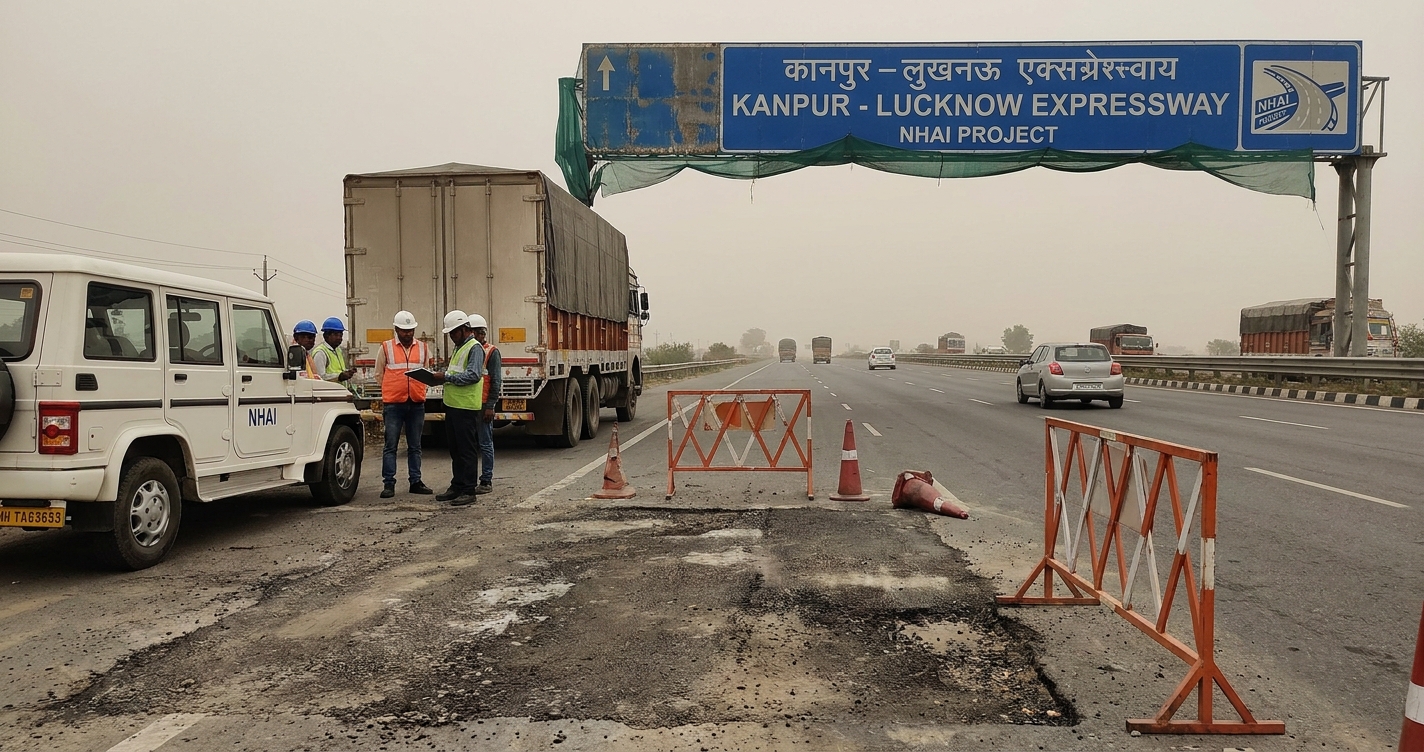
NHAI's two-year debarment of Theme Engineering Services over the Kanpur-Lucknow Expressway moves accountability from contractors to independent engine
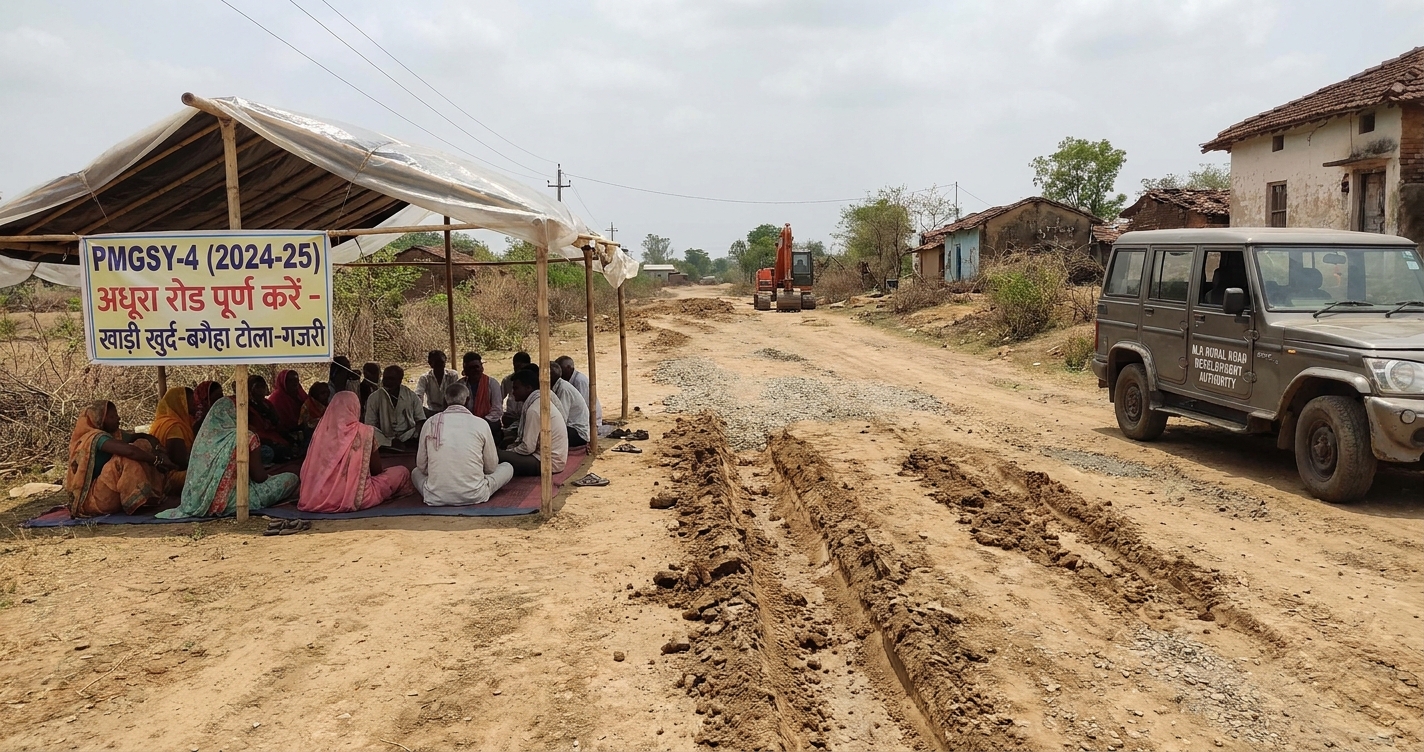
An estimate worth Rs 4.48 crore, a 5.07-km PMGSY-4 priority listing and Rs 10 lakh of murum surfacing, yet the Khaddi Khurd road stays impassable. The


Powered by

© Tuskus 2025 - All Rights Reserved by Teamic Creative Lab Pvt. Ltd.
