The death of labourer Biram Mogiya under a Gadganga River bridge exposes how India's low-value municipal works orders - like the plank-installation jo


insghits
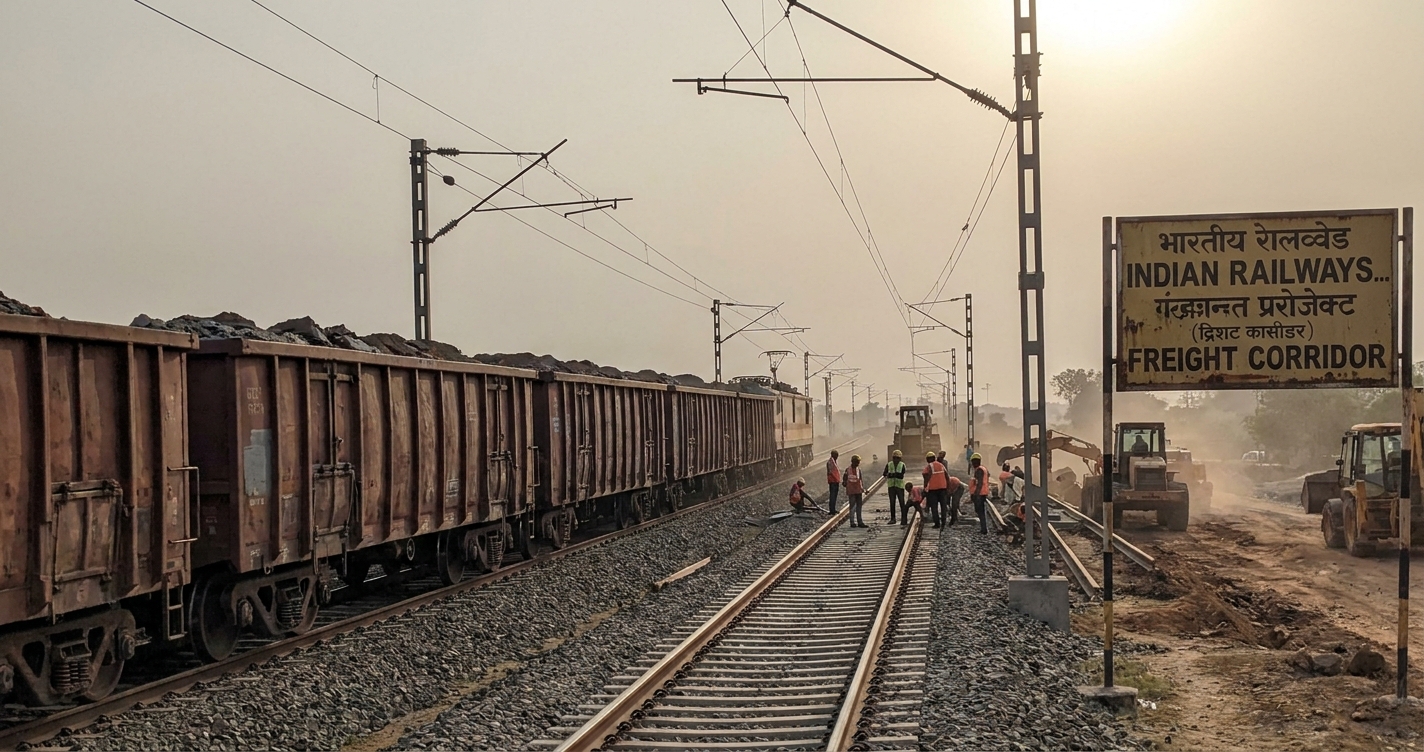
The Ministry of Railways has moved to de-risk private participation in rail freight by clearing six Hybrid Annuity Model (HAM) corridor projects — the first time Indian Railways will deploy a structure imported from the National Highways Authority of India's (NHAI) highways playbook.
The Public Private Partnership Appraisal Committee (PPPAC), under the Ministry of Finance, approved the 647-km package in August. It now heads to the Union Cabinet before bids are invited, with construction targeted from April 2028.
The pivot is the real signal. PPPAC had earlier granted in-principle approval under Design, Build, Finance, Operate, Transfer (DBFOT). After market feedback, the Ministry of Railways switched to HAM, effectively conceding that private capital will not underwrite freight demand risk — even on coal and mineral corridors with captive volumes.
The structure reallocates risk sharply.
- Indian Railways funds 40% of the Rs 15,976-crore bid project cost as a construction-period grant.
- The concessionaire finances 60% and is repaid through annuity instalments over a 17–19-year concession.
- Railways retains traffic and tariff risk, operates trains and collects all freight revenue, and separately pays the concessionaire for maintenance.
Total capital cost over the concession period is Rs 40,866 crore — the spread over bid cost reflects financing, interest and O&M.
Four corridors sit in Odisha's mineral belt:
- Balaram–Putgadia–Tentuloi — 49.58 km
- Budhapank–Tentuloi–Luburi — 112.56 km
- Jajpur–Keonjhar Road–Aradi–Dhamara Port — 101.26 km
- Tikiri–Waltair Bauxite Mines — 48.96 km
Telangana's Manuguru–Ramagundam line (207.80 km) and Jharkhand's Pakur/Nagarnabi–Godda line (126.52 km) anchor coal movement.
Commodities include coal, iron ore, bauxite, coke, cement and food grains.
For EPC-led developers and lenders, HAM is more bankable than DBFOT.
The 40% grant lowers upfront equity, and annuity backed by a sovereign-linked payer is cleaner collateral.
The execution burden shifts to financing capacity, land acquisition and alignment risk in mineral zones, and O&M performance through the concession.
Indian Railways has also added HAM and the Development Partner Model to its participative policy, with 49 more PPP projects — roughly Rs 1.80 lakh crore — in the pipeline.
The strategic takeaway: Indian Railways is prioritising capital mobilisation and bankability over risk transfer, converting rail PPPs into financed annuity contracts to unlock long-term private capital.
Insights
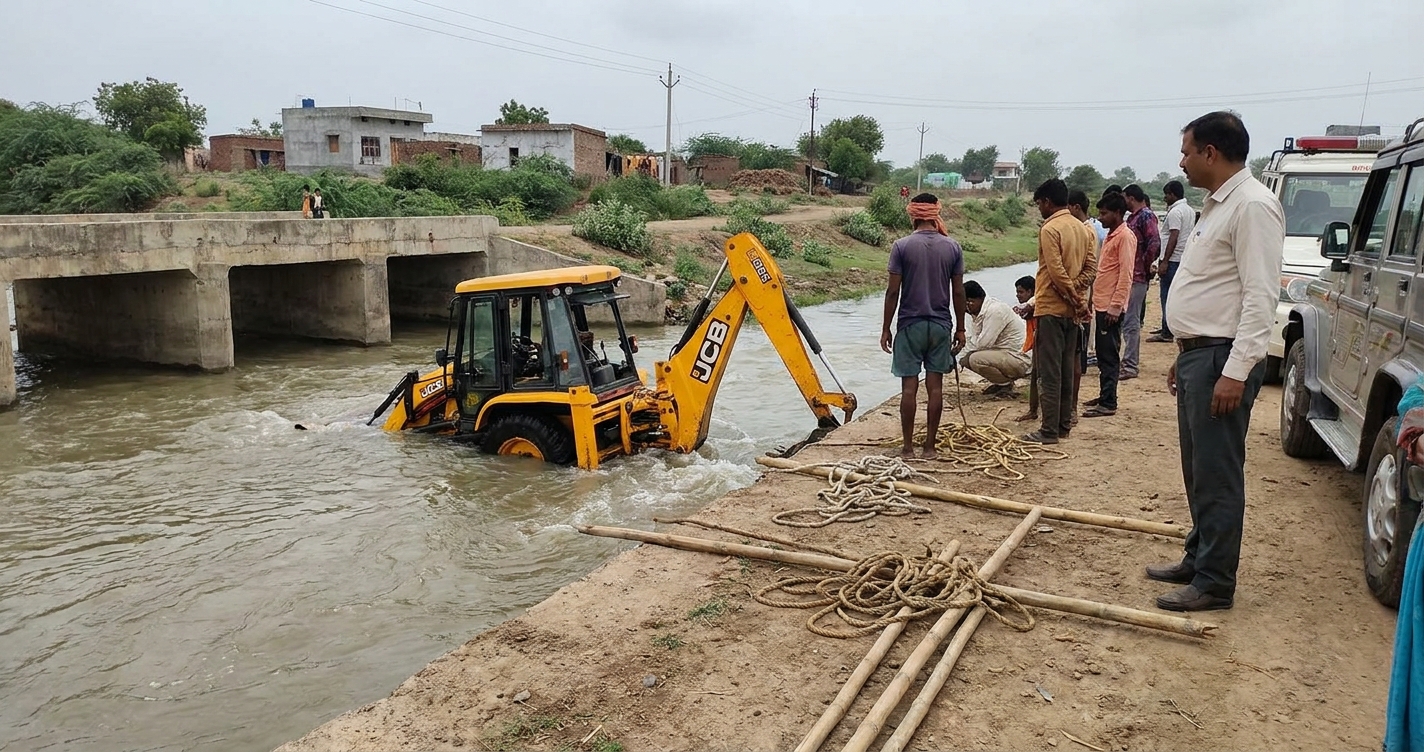
The death of labourer Biram Mogiya under a Gadganga River bridge exposes how India's low-value municipal works orders - like the plank-installation jo
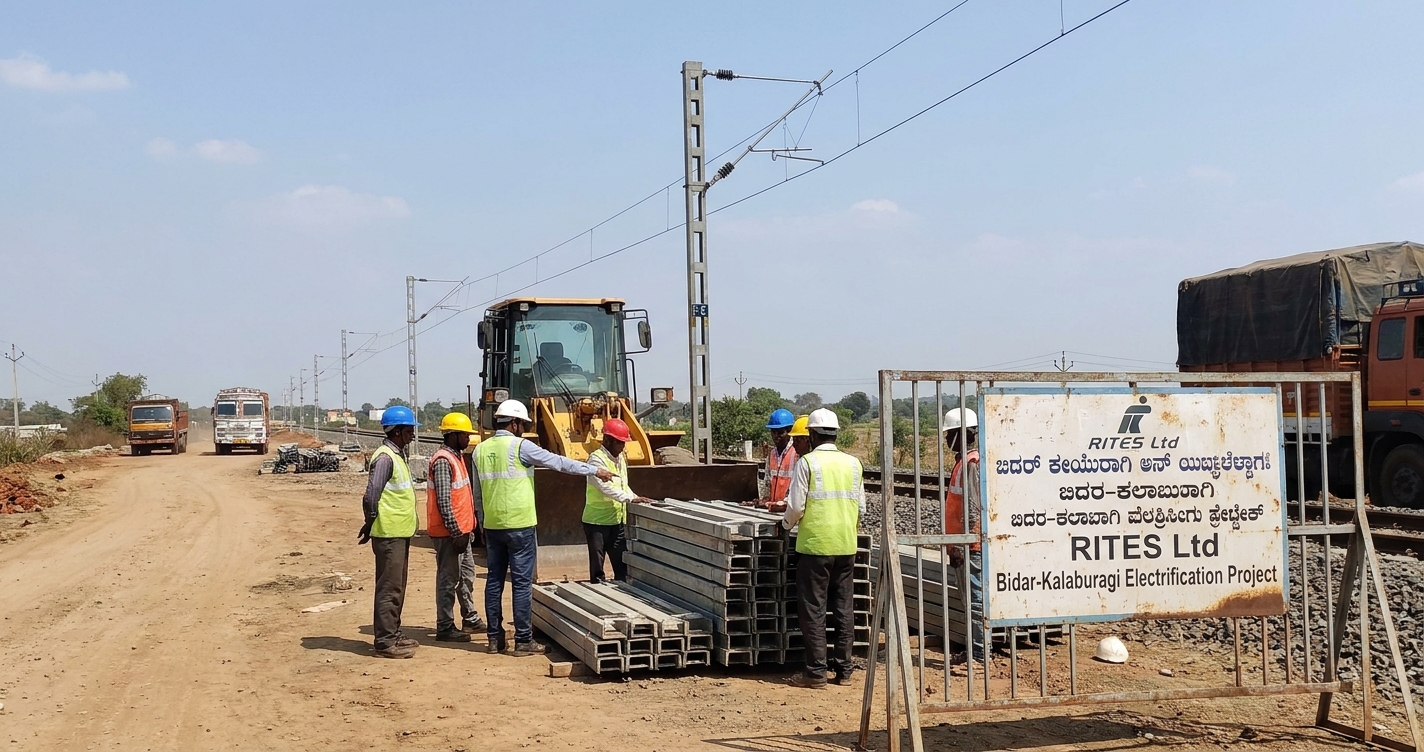
RITES' 58% repricing of the Bidar–Kalaburagi electrification mandate shows how cost-plus turnkey contracting shifts escalation risk from consultant to
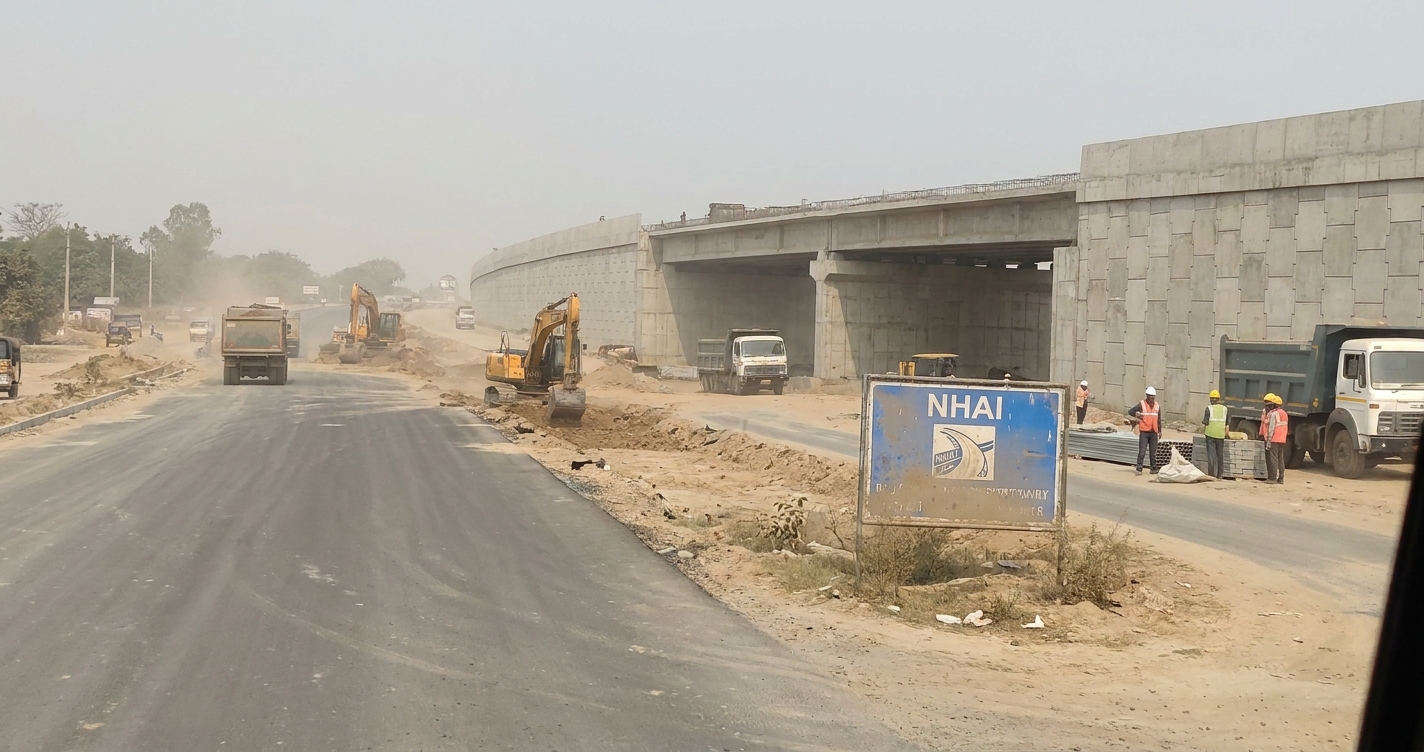
NHAI's 21 September 2026 design guidelines lock uniform 60-70m right-of-way and structure standards for 4-lane and 6-lane high-speed corridors, reshap


Powered by

© Tuskus 2025 - All Rights Reserved by Teamic Creative Lab Pvt. Ltd.
