The death of labourer Biram Mogiya under a Gadganga River bridge exposes how India's low-value municipal works orders - like the plank-installation jo


insghits
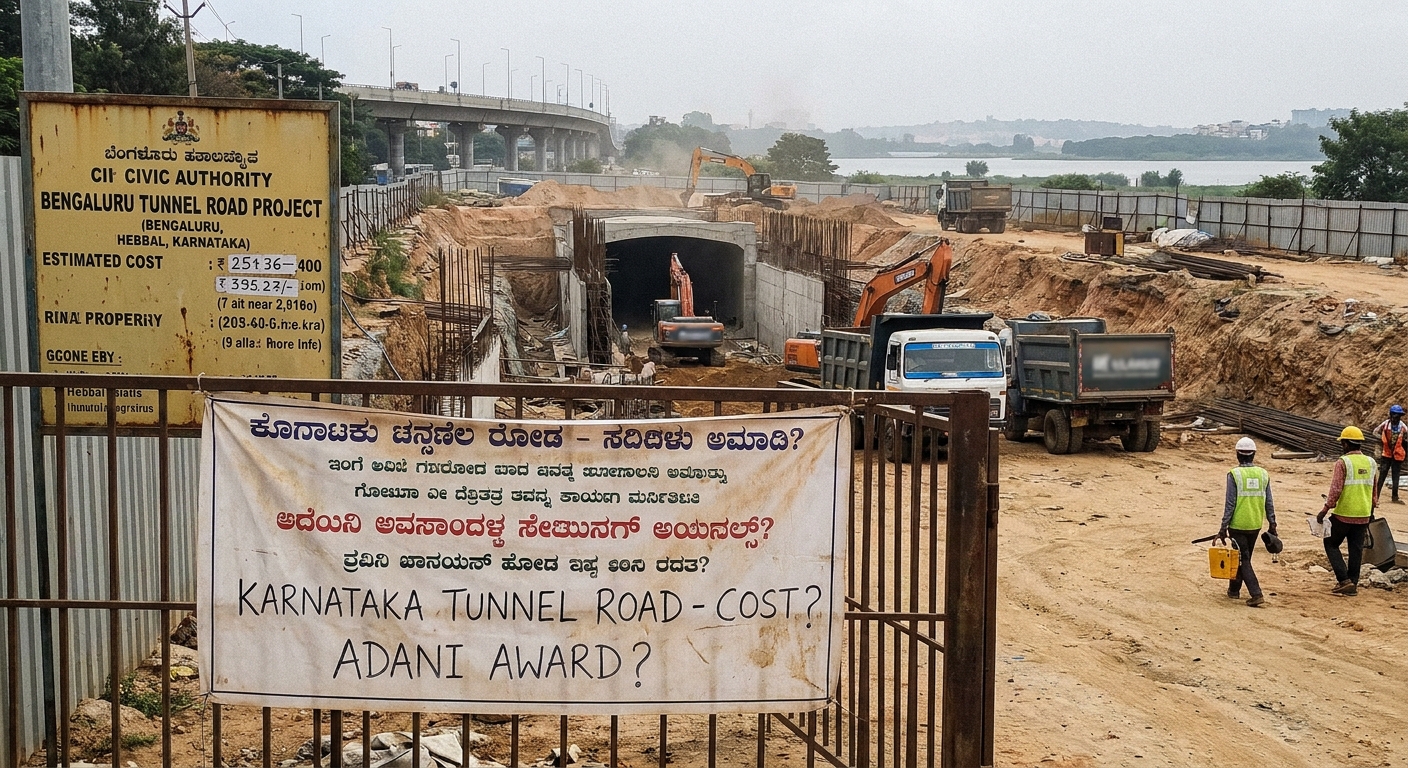
The Bengaluru tunnel road project has moved from planning risk to procurement risk.
At a BJP event on Friday, Bengaluru South MP Tejasvi Surya said the first package's estimate had climbed from Rs 5,484 crore to Rs 10,734 crore, a 97% jump, while the second package sits at Rs 11,263 crore.
For a corridor that has yet to produce a published technical report, the numbers now carry the project's political and commercial exposure.
The Government of Karnataka remains the owner and approval authority.
BJP MP PC Mohan alleged the state government has awarded the tunnel works to the Adani Group, though the report provides no tender documents or company response.
If confirmed, Adani becomes the dominant execution and commercial stakeholder across a combined envelope approaching Rs 22,000 crore, a materially larger order than the original two-package framing suggested.
Union Minister Shobha Karandlaje pointed to a state circular that caps tender premium at 5% and argued the escalation invites questions about public-fund deployment.
That is the operative contracting signal:
The gap between the first estimate and the awarded value is not a marginal premium but a near-doubling, which would normally trigger re-benchmarking or re-approval before ground-breaking.
Surya separately flagged that about 3.5 acres in the Hebbal area involves lake and buffer-zone land, and alleged the project is advancing without an adequate scientific study.
The Karnataka High Court has reportedly sought a technical report, a detail that matters for lenders and insurers because unresolved buffer-zone status converts into land-acquisition delay and TBM mobilisation risk.
The opposition's counter-position is capital allocation, not just environment.
Surya argued metro expansion serves thousands of daily riders while a tunnel road benefits fewer users.
For the Government of Karnataka, that reframes the project as a contest between underground road capacity and BMRCL's transit network for the same constrained public capex.
The real exposure sits with whoever has priced the first package.
A 97% cost revision before execution signals one of three possibilities:
- A weak initial estimate
- Scope expansion
- A premium that exceeds the state's own 5% threshold
Contractors and suppliers positioning for the second package should treat the first package's escalation as the pricing benchmark and expect fresh technical scrutiny to precede any award.
Insights
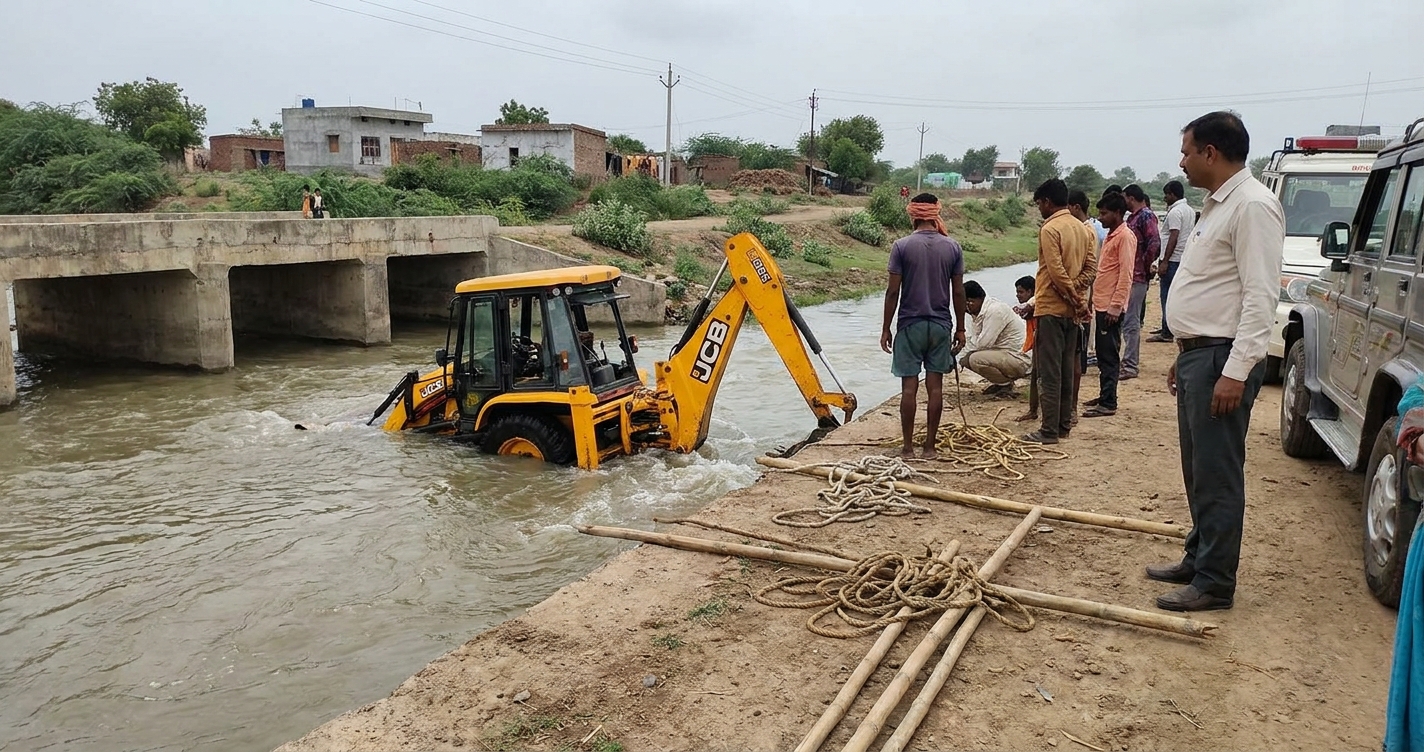
The death of labourer Biram Mogiya under a Gadganga River bridge exposes how India's low-value municipal works orders - like the plank-installation jo
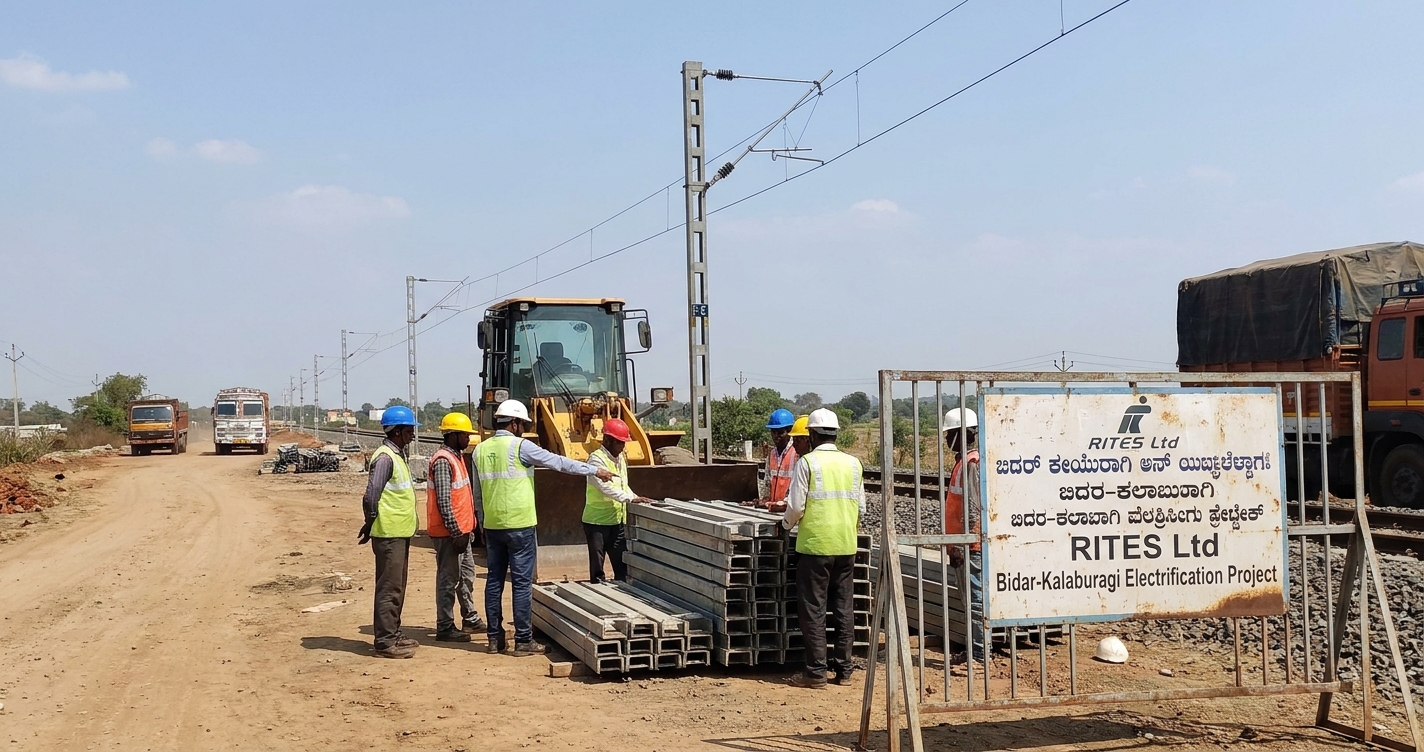
RITES' 58% repricing of the Bidar–Kalaburagi electrification mandate shows how cost-plus turnkey contracting shifts escalation risk from consultant to
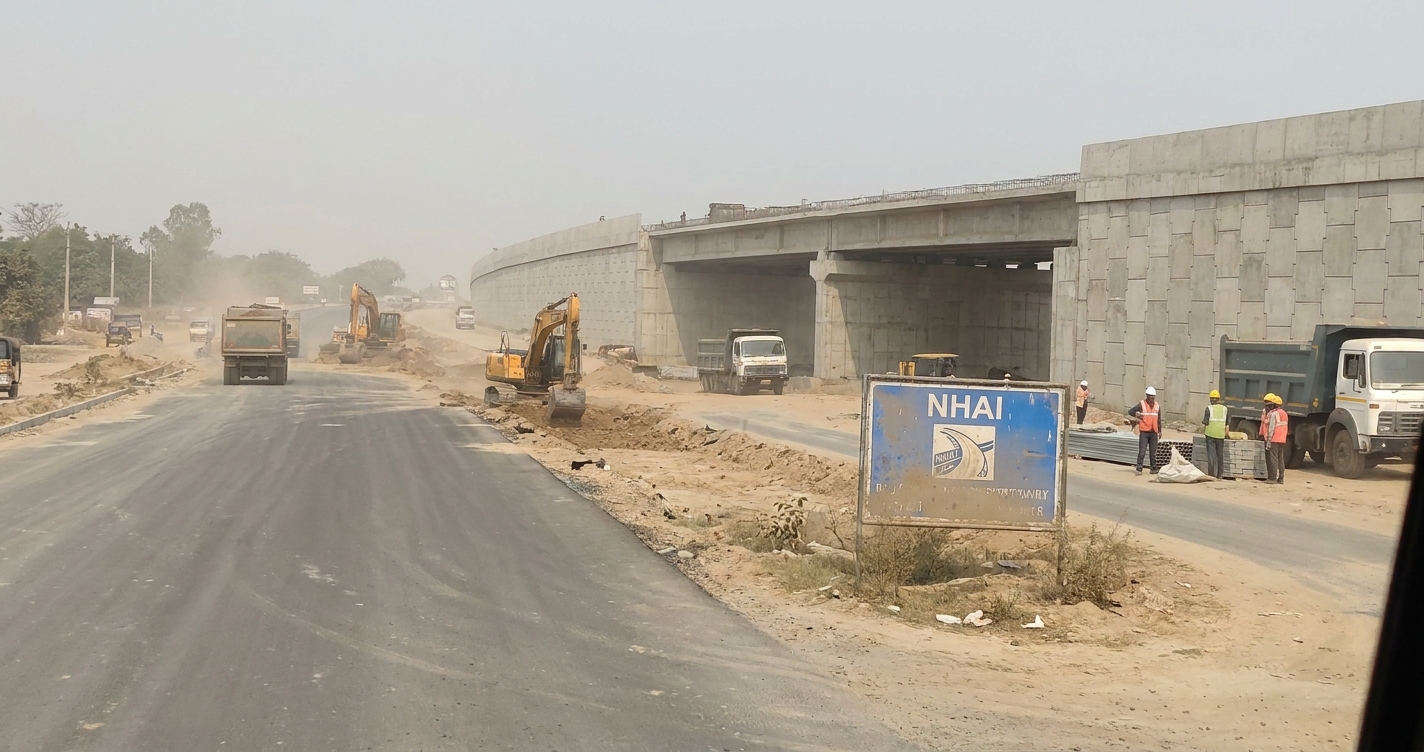
NHAI's 21 September 2026 design guidelines lock uniform 60-70m right-of-way and structure standards for 4-lane and 6-lane high-speed corridors, reshap


Powered by

© Tuskus 2025 - All Rights Reserved by Teamic Creative Lab Pvt. Ltd.
