Indian Railways has approved a four-lane Road Over Bridge at Alkapuri in Western Railway's Vadodara division, with the Ministry of Railways and the Gu


insghits
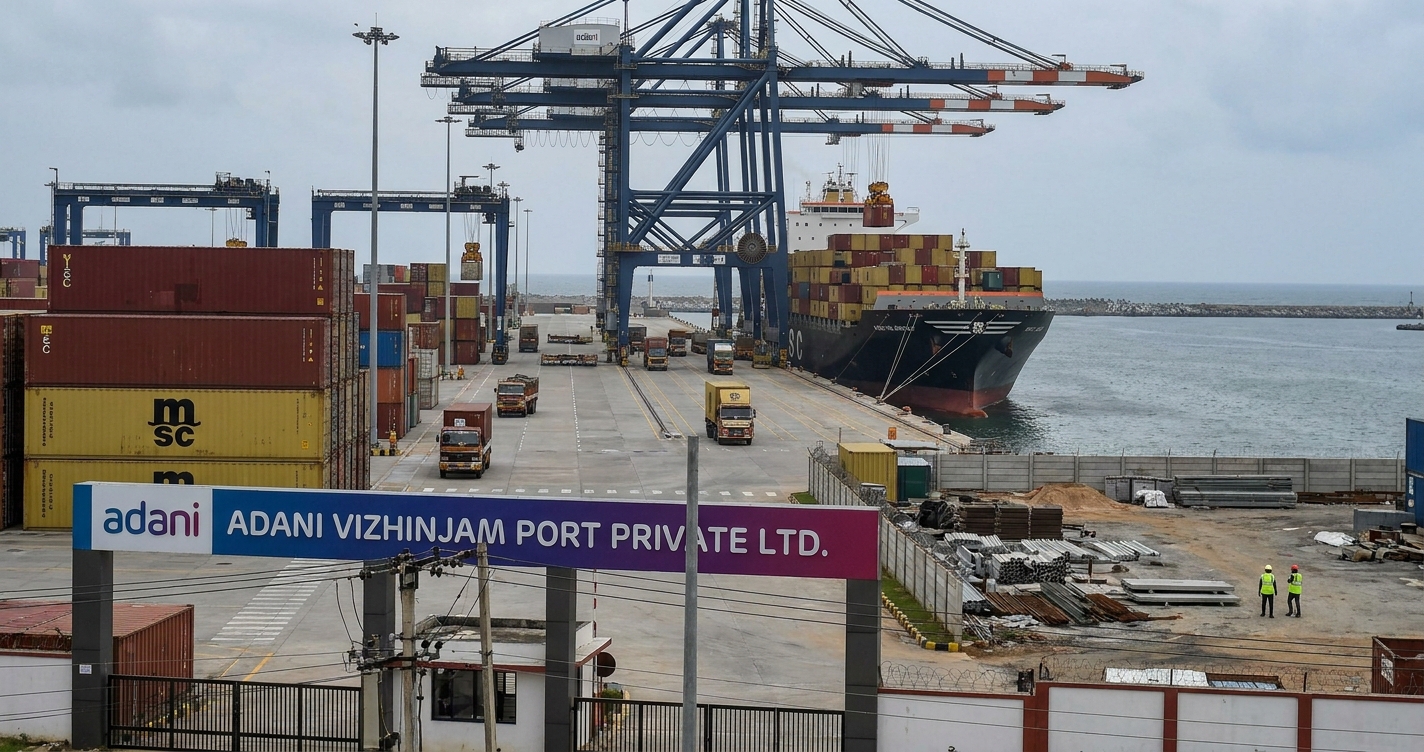
The confirmation came from Union Minister of Ports, Shipping and Waterways Shri Sarbananda Sonowal in a written reply to the Lok Sabha on August 7. The Kerala government has received a formal proposal from Adani Vizhinjam Port Private Ltd (AVPPL) seeking prior approval to transfer a 49 percent equity stake to Geneva-headquartered Mediterranean Shipping Company (MSC), the world's largest container shipping line.
No such proposal has been received by the Union government — nor is one required.
The jurisdictional clarity is significant. Vizhinjam International Seaport is a non-major port, developed under a public-private partnership model through a concession agreement between the Government of Kerala and AVPPL, a subsidiary of Adani Ports and Special Economic Zone (APSEZ). Under Indian law, non-major ports fall squarely within the administrative and regulatory control of state governments. The Centre has no approval authority here.
That places Kerala Chief Minister V.D. Satheesan and his administration at the fulcrum of a transaction valued at approximately $1.4 billion — a number disclosed when APSEZ first announced the proposed deal in June 2026.
The CM has already signalled that the state intends to exercise its rights fully, citing Clause 5.3 of the concession agreement, which explicitly prohibits any change in ownership of the concessionaire without prior approval of the Authority — defined as the Government of Kerala.
Under the Companies Act, any transfer exceeding 25 percent of equity constitutes a change in ownership. A 49 percent transfer comfortably crosses that threshold. The legal architecture is unambiguous: the deal cannot close without Kerala's consent.
What makes this more than a routine regulatory filing is the strategic calculus on both sides.
For APSEZ, bringing in MSC as a 49 percent partner is a capital recycling play — monetising a long-gestation deep-water asset while retaining majority operational control at 51 percent. Vizhinjam, positioned on the southern tip of India astride major east-west shipping lanes, is designed to challenge Colombo, Singapore, and Dubai as a regional container transshipment hub.
The port has absorbed substantial capital during its development phase. A partial exit at a $2.86 billion implied valuation would allow APSEZ to unlock significant liquidity.
For MSC, acquiring a near-half stake in a strategically located deep-water terminal in South Asia secures preferential berthing and transshipment capacity in a market where container volumes are growing faster than global averages. MSC, through its terminal operating arm Terminal Investment Limited (TiL), has been aggressively acquiring stakes in port assets along critical trade corridors. Vizhinjam fits that pattern precisely.
The Kerala government's position, however, is not merely procedural. The concession agreement gives it leverage — and the question now is whether the state will use that leverage to:
- Extract additional commitments
- Renegotiate revenue-sharing terms
- Impose conditions around employment, local contracting, or future expansion phases
The CM's July 1 statement that the state would “examine” the proposal suggests a deliberate, measured approach rather than a rubber stamp.
For infrastructure professionals watching this space, the real signal transcends this single transaction. India's non-major port sector is attracting global capital at increasing scale, but the concession frameworks governing these assets were largely drafted for domestic developer-operators, not for multinational terminal acquisitions where shipping lines become equity partners. The Vizhinjam approval process will set precedent — not in law, but in practice — for how state governments handle similar situations at other non-major ports where global shipping lines may seek strategic equity positions.
The Union Minister's parliamentary reply achieves something subtle: it removes any ambiguity about regulatory jurisdiction while simultaneously distancing the Centre from a politically sensitive approval process involving the Adani Group. Kerala must now make a decision that balances investment credibility, commercial upside, and political accountability.
The port industry will watch closely — not for the outcome alone, but for what the terms of approval signal about the maturity of India's state-level PPP governance when confronted with billion-dollar global M&A.
Insights
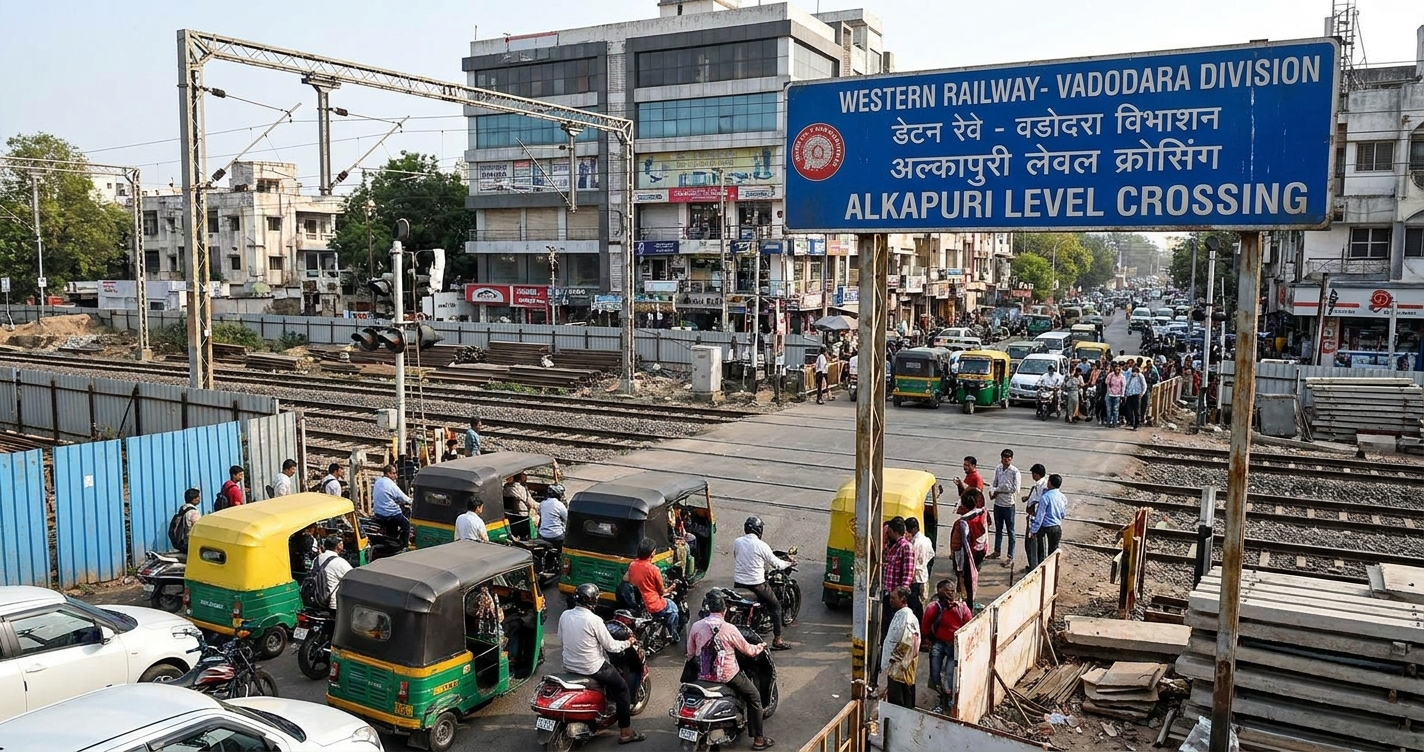
Indian Railways has approved a four-lane Road Over Bridge at Alkapuri in Western Railway's Vadodara division, with the Ministry of Railways and the Gu
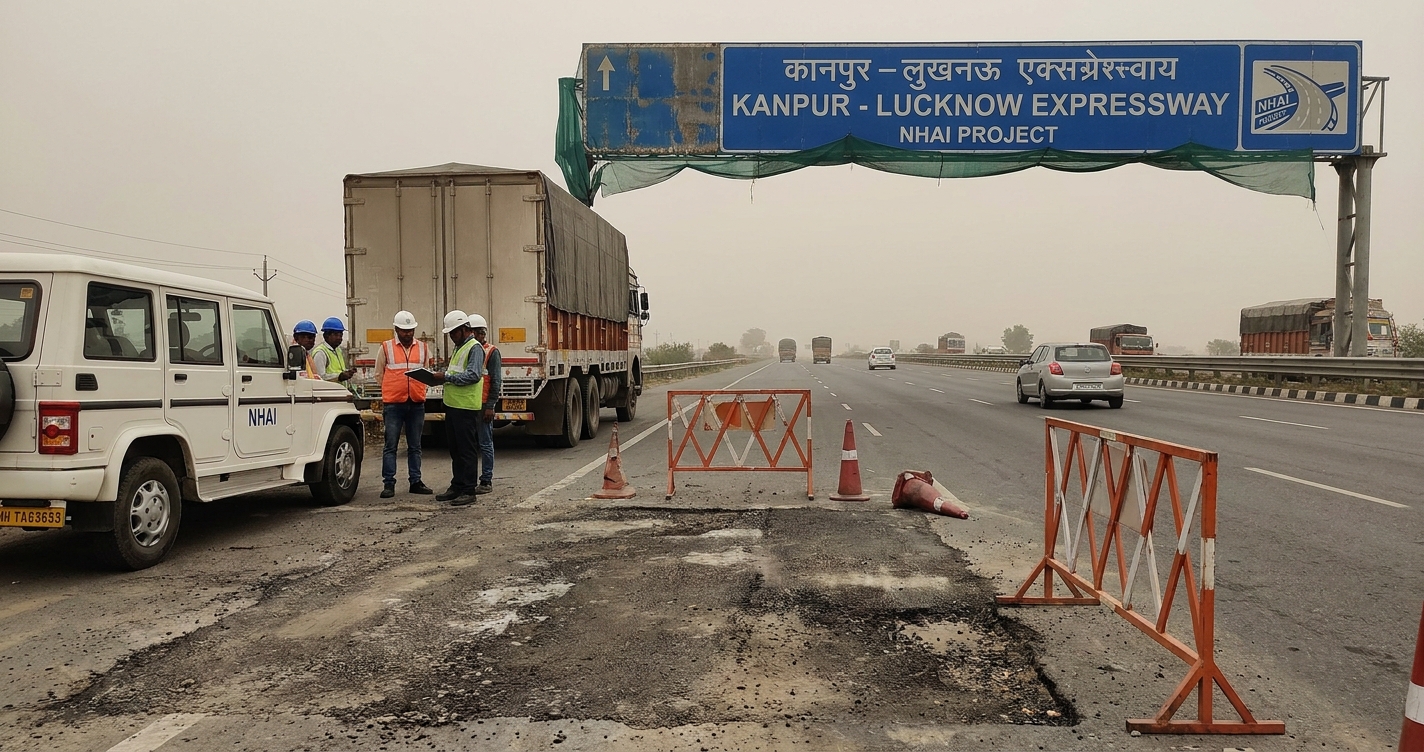
NHAI's two-year debarment of Theme Engineering Services over the Kanpur-Lucknow Expressway moves accountability from contractors to independent engine
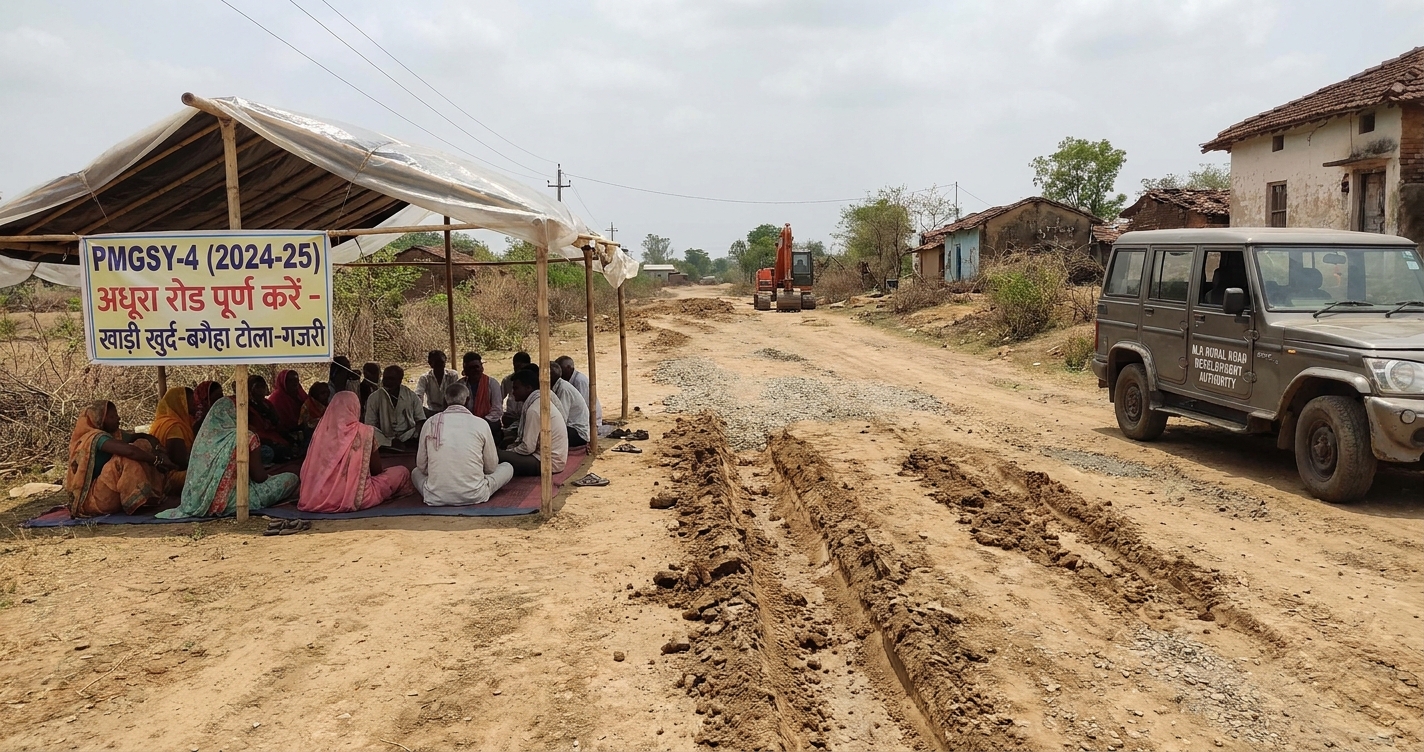
An estimate worth Rs 4.48 crore, a 5.07-km PMGSY-4 priority listing and Rs 10 lakh of murum surfacing, yet the Khaddi Khurd road stays impassable. The


Powered by

© Tuskus 2025 - All Rights Reserved by Teamic Creative Lab Pvt. Ltd.
