The death of labourer Biram Mogiya under a Gadganga River bridge exposes how India's low-value municipal works orders - like the plank-installation jo


insghits
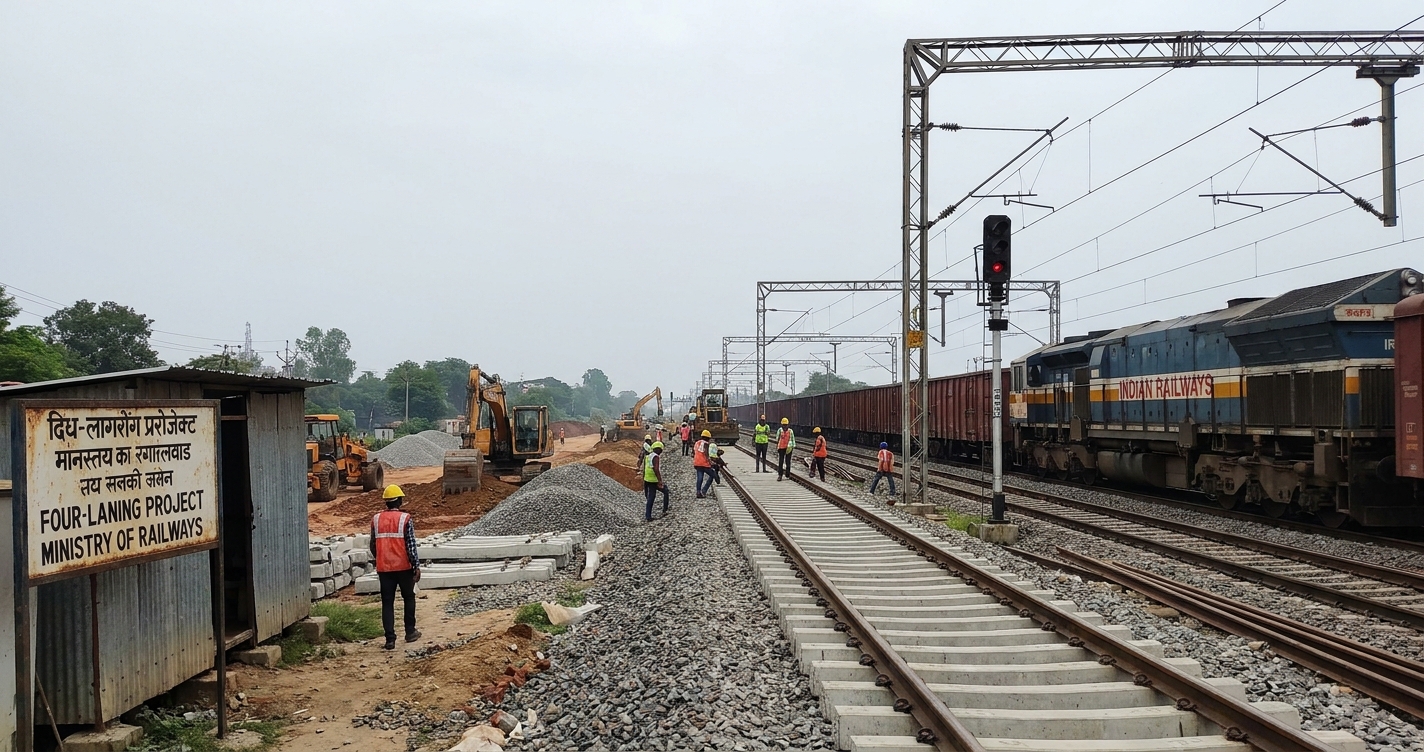
Ministry of Railways (MoR) is preparing to four-lane seven high-density network (HDN) corridors so each can operate four railway lines:
- Delhi-Howrah
- Howrah-Chennai
- Chennai-Mumbai
- Mumbai-Delhi
- Delhi-Chennai
- Mumbai-Howrah
- Delhi-Guwahati
The decision targets the arteries of Indian Railways (IR).
The HDN spans roughly 11,000 route-km, only about 16% of the network, yet carries around 41% of total freight traffic.
For the contracting ecosystem, the real message is that MoR is prioritising brownfield densification of saturated trunk corridors over greenfield additions.
Four-laning converts a planning statement into a multi-year pipeline of civil, track, signalling, overhead electrification and land works executed on live, high-traffic lines.
Execution is where the commercial risk sits. Adding third and fourth lines on corridors such as Delhi-Howrah and Howrah-Chennai demands land acquisition, station yard remodelling, bridge and culvert extensions, and heavy traffic blocks—each a schedule and cost variable.
Automatic block signalling and electrification upgrades will run in parallel, raising the engineering coordination burden.
Stakeholders line up around MoR as the dominant decision-maker and owner.
Indian Railways remains the executing and operational entity, while the Dedicated Freight Corridor Corporation of India Limited (DFCCIL) provides the adjacent benchmark: dedicated corridors relieved some pressure, but residual congestion on mixed-use HDN lines still forces capacity augmentation.
Contractors, rail and sleeper suppliers, ballast and steel vendors, and signalling firms stand to gain—but only those with proven brownfield and traffic-block management capability will capture margin.
Funding and timelines are not yet disclosed, which is itself a signal: MoR is sequencing corridor investment without a single bundled procurement model.
The likely outcome is phased, corridor-specific EPC packages rather than one mega-tender, spreading execution risk but extending the opportunity window.
The structural shift is clear—capital is flowing into densifying the busiest existing corridors. For contractors, that means high-value, high-disruption, high-accountability work where traffic management, not just construction, decides profitability.
Insights
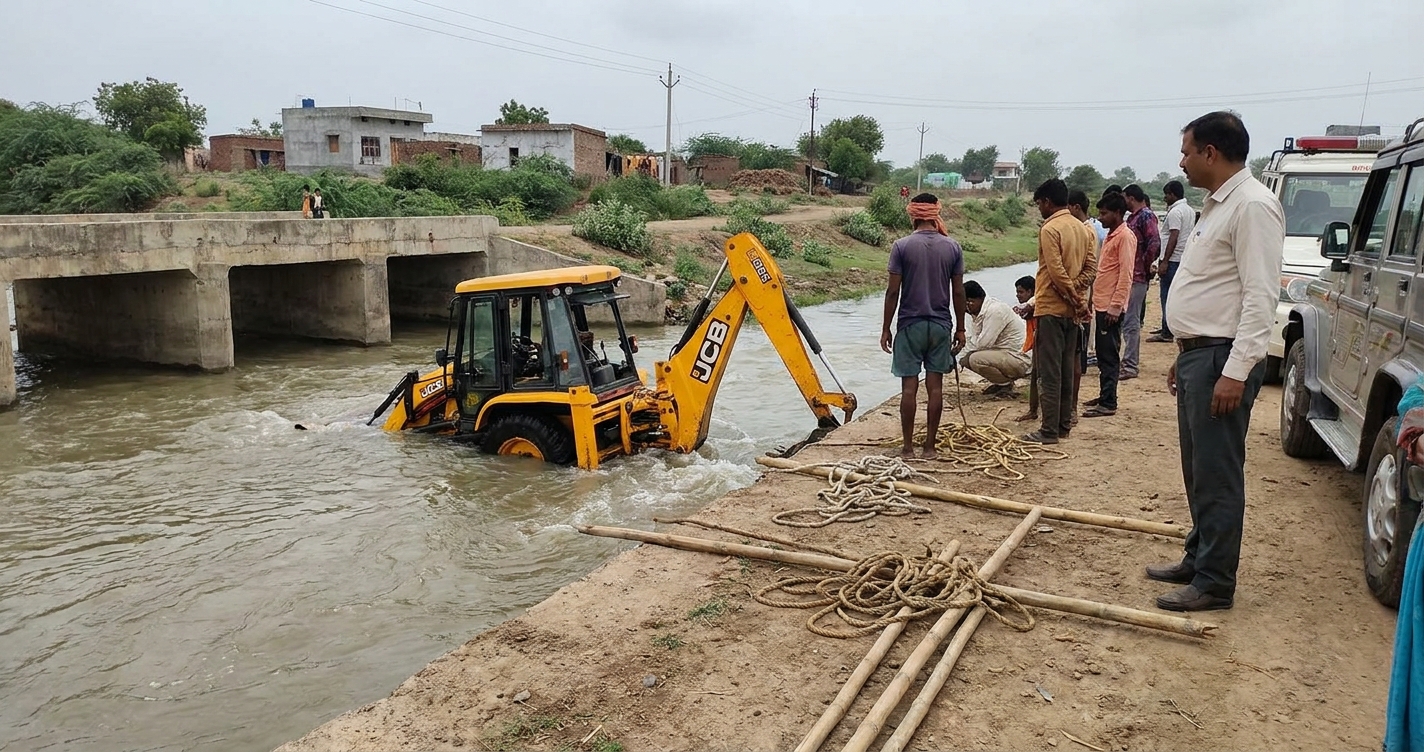
The death of labourer Biram Mogiya under a Gadganga River bridge exposes how India's low-value municipal works orders - like the plank-installation jo
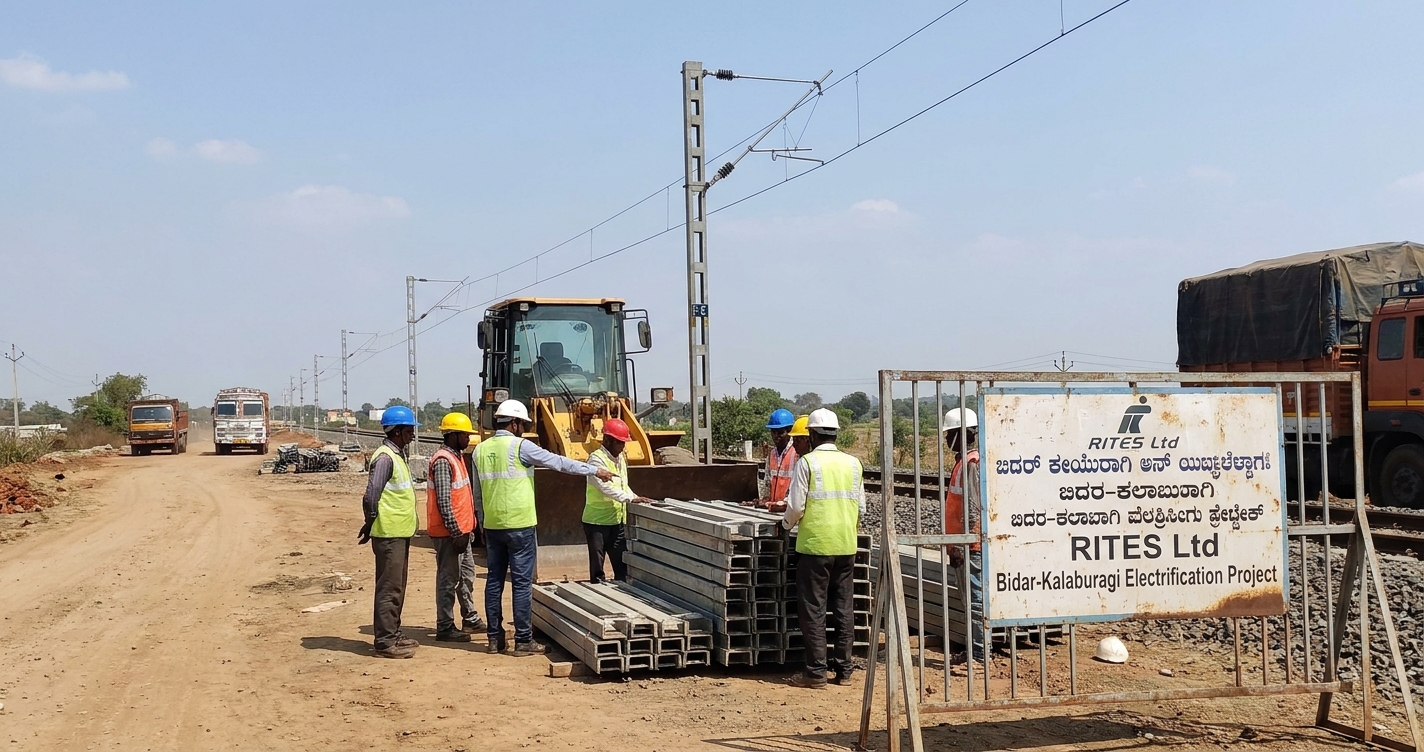
RITES' 58% repricing of the Bidar–Kalaburagi electrification mandate shows how cost-plus turnkey contracting shifts escalation risk from consultant to
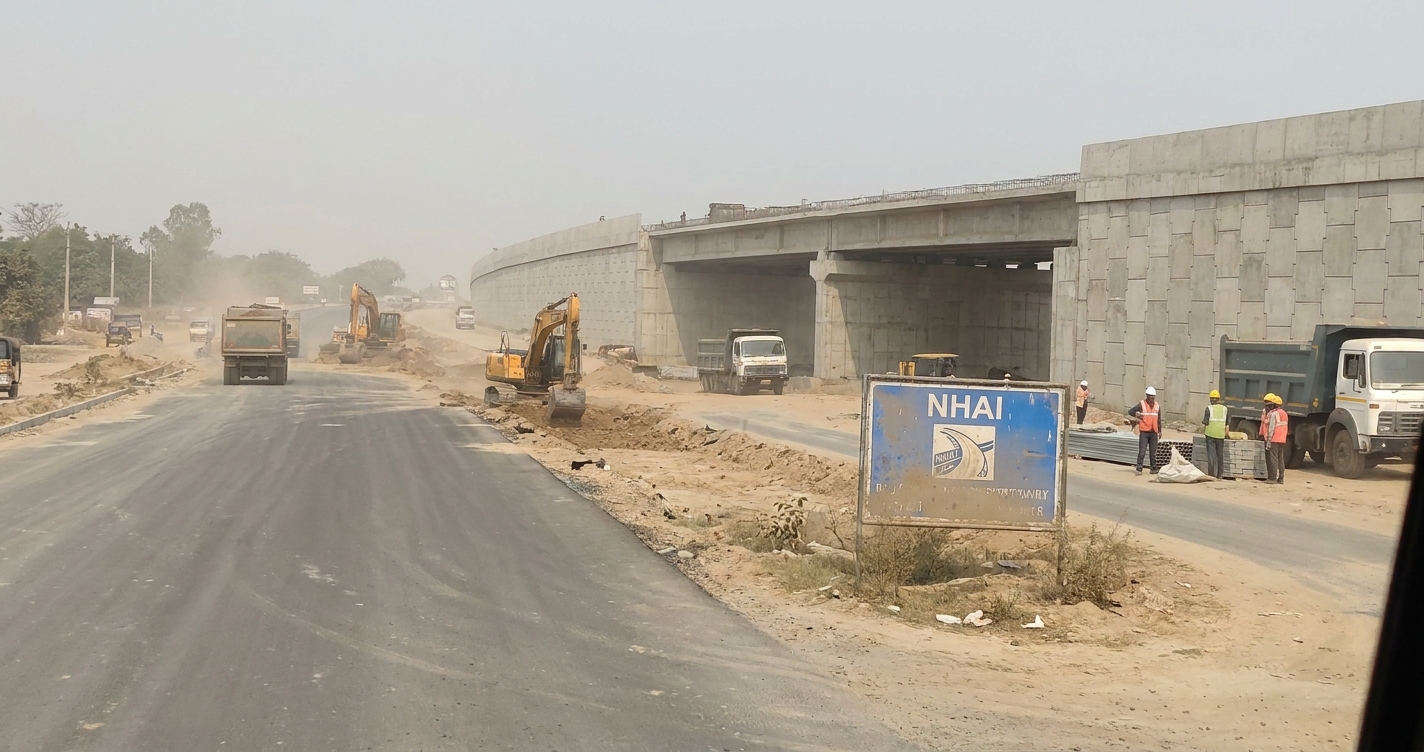
NHAI's 21 September 2026 design guidelines lock uniform 60-70m right-of-way and structure standards for 4-lane and 6-lane high-speed corridors, reshap


Powered by

© Tuskus 2025 - All Rights Reserved by Teamic Creative Lab Pvt. Ltd.
