The death of labourer Biram Mogiya under a Gadganga River bridge exposes how India's low-value municipal works orders - like the plank-installation jo


insghits

The headline number — a 10–12 per cent rise in national highway toll collections in FY2028, per ICRA — is not the real story. The structural shift is.
The Ministry of Road Transport and Highways (MoRTH) is moving awards away from pure EPC dependence toward BOT (Toll), handing traffic risk back to private capital while a revised concession agreement caps the downside.
ICRA frames the economics:
- Toll growth moderates to 7–9 per cent in FY2027 from 10 per cent.
- Traffic cools to 4.5–5.5 per cent.
- Toll revisions land at 3.4–4 per cent.
Suprio Banerjee, ICRA Co-Group Head, Corporate Ratings, links highway traffic to construction, mining and manufacturing GVA, up 8.1 per cent in FY2026.
The FY2028 rebound to 10–12 per cent hinges on WPI-driven revisions — 8–8.5 per cent by December 2026 — partly a function of the West Asian crisis.
Execution stays range-bound. MoRTH is expected to complete 9,000–9,500 km in FY2027 against 9,380 km in FY2026, held back by a sustained awards slowdown.
Awards recover only to 8,000–8,500 km from roughly 7,000 km. That awards-to-execution gap explains why the government is recasting financing, not just volumes.
The revised BOT (Toll) concession is the contract to watch.
ICRA says it lowers downside risk for concessionaires and lenders through:
- Revenue support during traffic shortfalls.
- Explicit termination provisions.
For developers and financiers, underwriting changes: revenue risk is no longer binary, and lenders get a clearer recovery path.
It is a deliberate attempt to revive private participation that retreated after earlier BOT losses.
Commercially, toll-focused developers and lenders with balance-sheet headroom gain; EPC contractors keep near-term awards.
The exposed are:
- Concessionaires that under-price traffic risk.
- Any entity treating 4–5 per cent traffic growth as guaranteed.
The signal: India's highway programme is shifting from state-funded construction to privately financed operations, with MoRTH using the concession contract — not the toll rate — as the policy instrument.
The toll forecast is optics; the BOT (Toll) revival is the capital redeployment deciding who carries traffic risk through the next cycle.
Insights
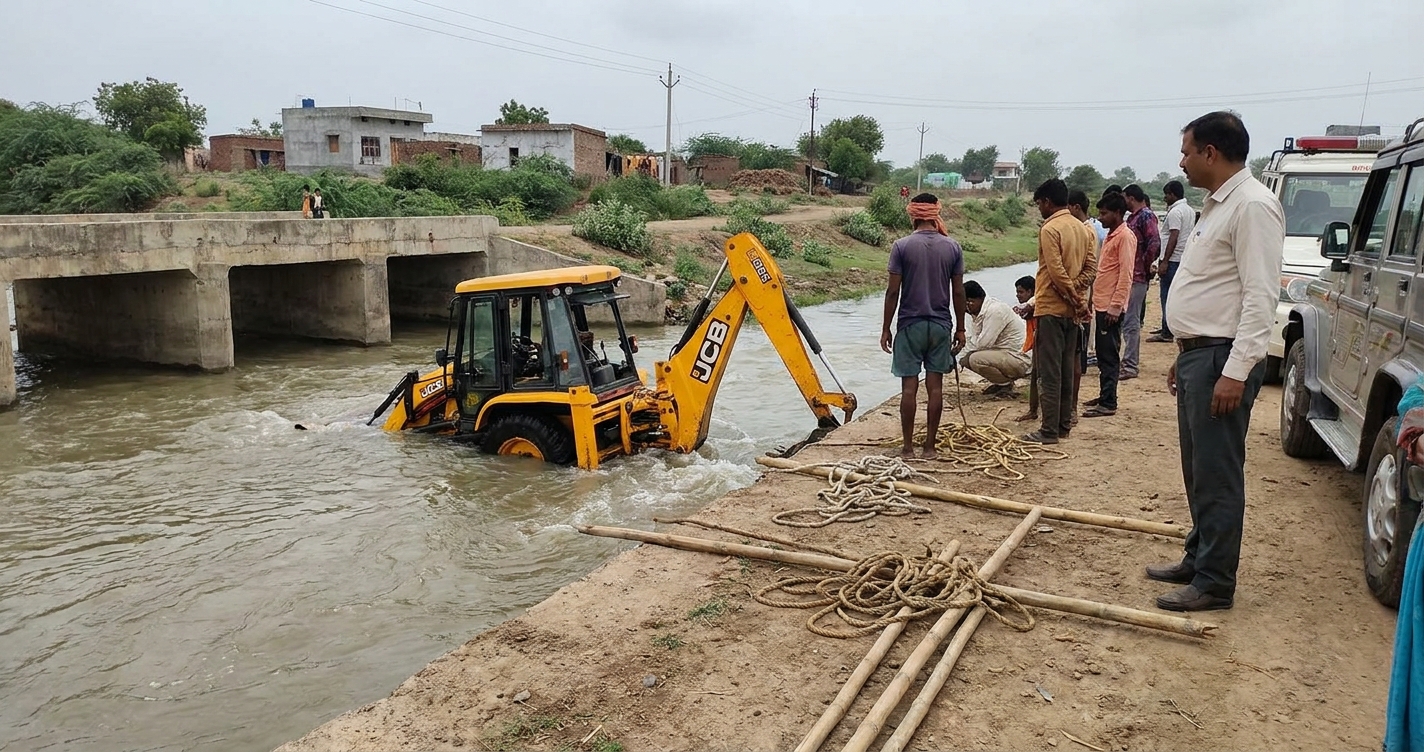
The death of labourer Biram Mogiya under a Gadganga River bridge exposes how India's low-value municipal works orders - like the plank-installation jo
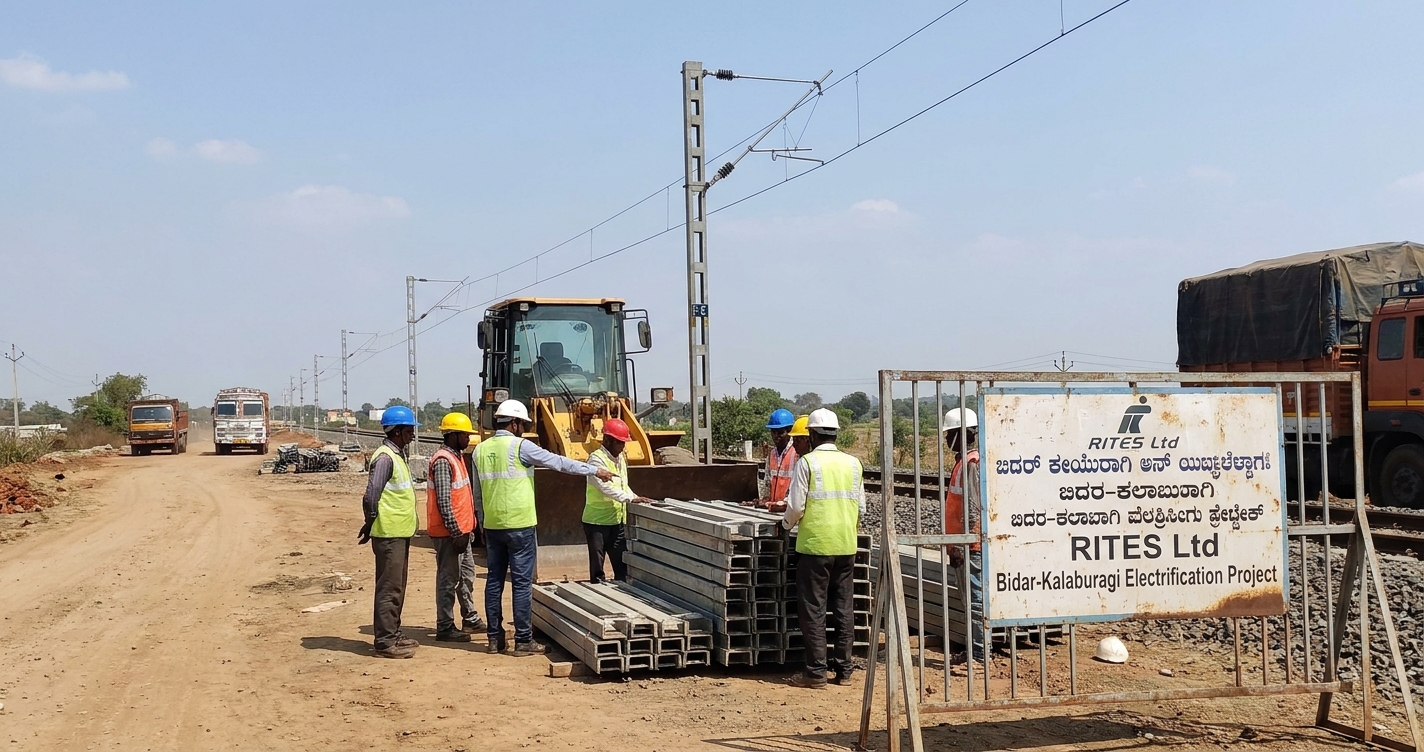
RITES' 58% repricing of the Bidar–Kalaburagi electrification mandate shows how cost-plus turnkey contracting shifts escalation risk from consultant to
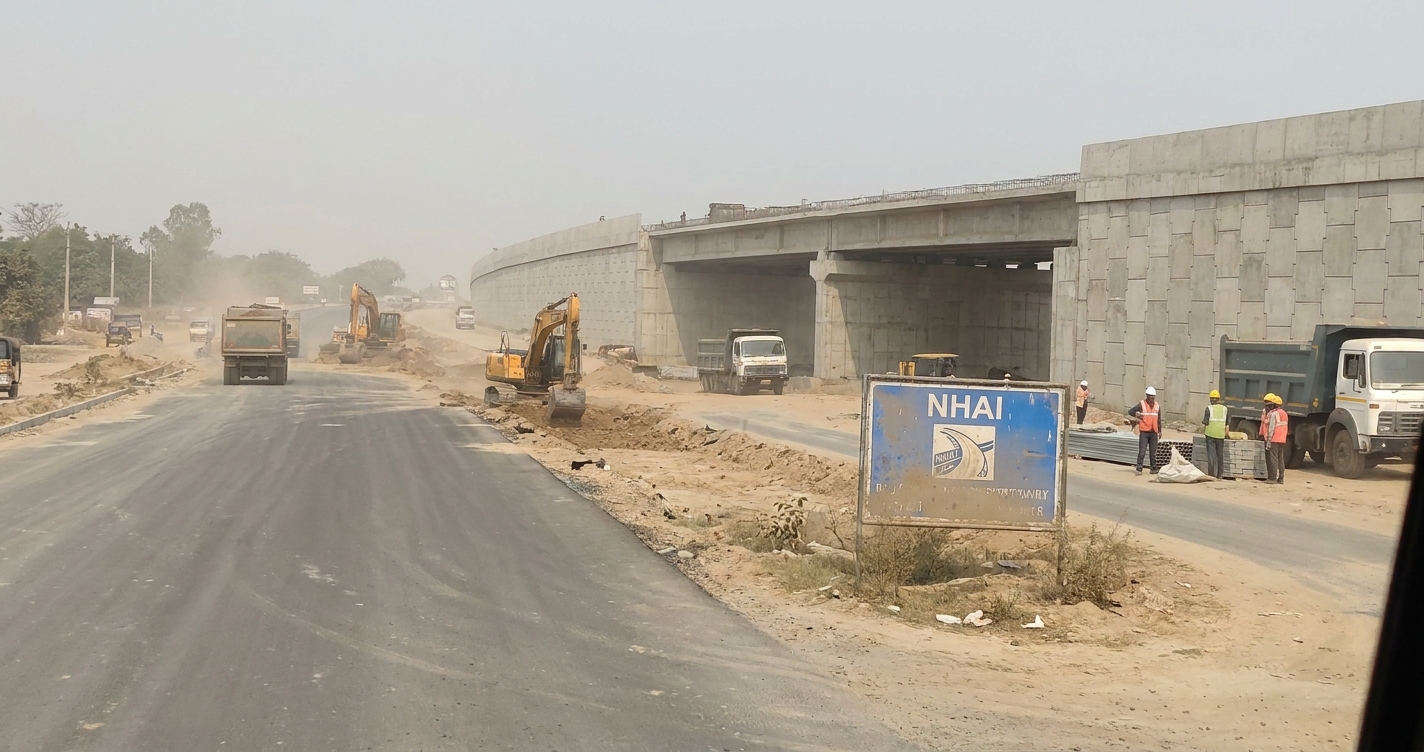
NHAI's 21 September 2026 design guidelines lock uniform 60-70m right-of-way and structure standards for 4-lane and 6-lane high-speed corridors, reshap


Powered by

© Tuskus 2025 - All Rights Reserved by Teamic Creative Lab Pvt. Ltd.
