The death of labourer Biram Mogiya under a Gadganga River bridge exposes how India's low-value municipal works orders - like the plank-installation jo


insghits
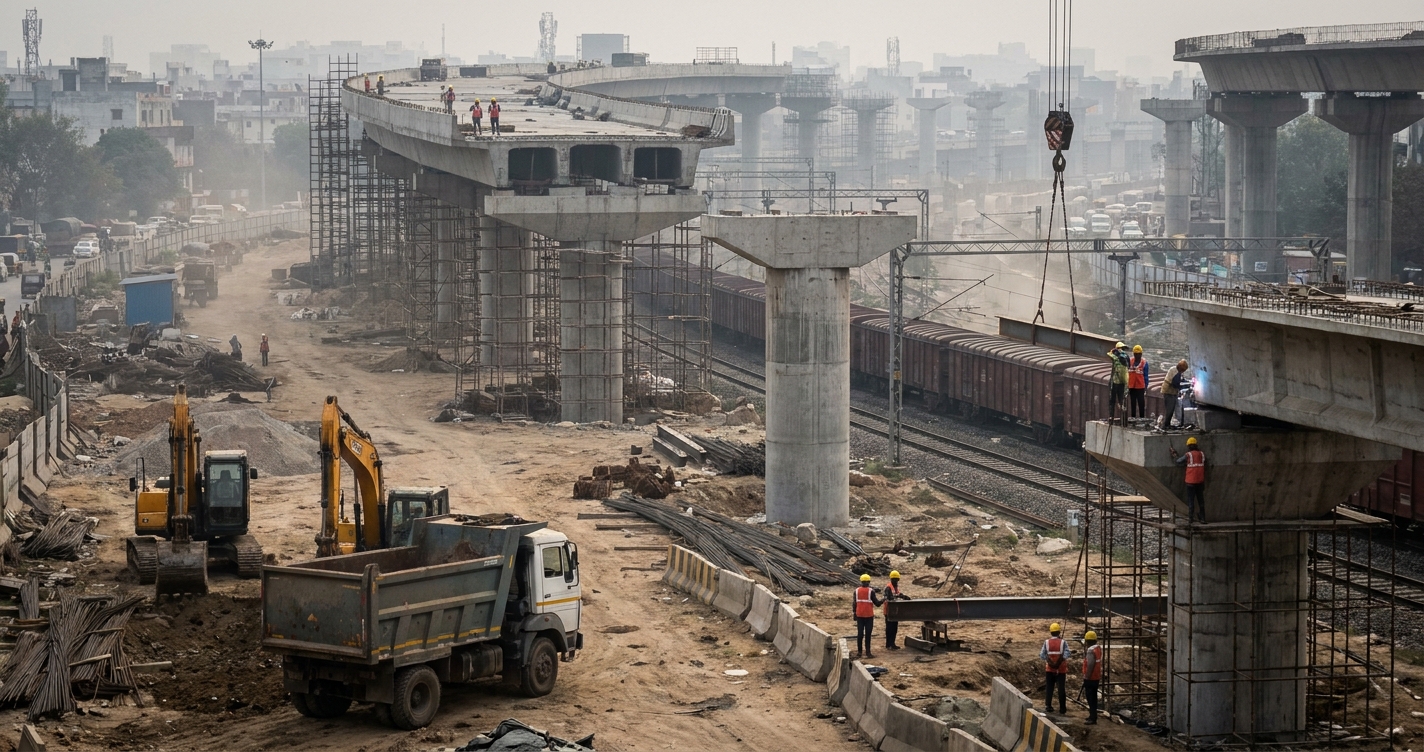
MoSPI's latest project monitoring report puts a hard number on a familiar problem: Rs 3.4 trillion in cost escalation across 1,775 live infrastructure projects.
The Ministry of Road Transport and Highways (MoRTH) alone carries 993 projects and Rs 9.62 trillion of revised cost, while the Ministry of Railways runs 190 projects at Rs 6.38 trillion.
For contractors, financiers and programme owners, this is less a news item than a contracting-risk map.
Three signals stand out.
- Escalation is concentrated, not dispersed. Transport and Logistics accounts for 70% of projects and 53% of revised cost, meaning roads and rail absorb most of the sector's schedule and budget drift.
- The Others category at Rs 2.26 trillion across 149 projects points to diversification into coal, steel and mining-linked works, a shift from pure connectivity toward industrial logistics.
- Physical-versus-financial progress divergence is a monitoring blind spot. Financial progress runs ahead in early stages because of upfront mobilisation and land spend, while physical progress only overtakes in the 81–100% completion band. Overrun recognition therefore lags on-ground reality.
With MoRTH's revised cost pool at Rs 9.62 trillion, escalation risk sits where EPC and hybrid annuity contracts are most mature.
Bid-stage contingencies, price-adjustment clauses and re-tendering exposure will be stress-tested across road packages.
At the Ministry of Power (98 projects, Rs 6.08 trillion) and the Ministry of Petroleum and Natural Gas (103 projects, Rs 4.23 trillion), escalation is capital-heavy and equipment-linked, shifting margin risk toward OEMs and EPC players rather than civil contractors alone.
The actionable signal for delivery teams: MoSPI's data is now effectively a de-risking instrument.
Ministry-level revised costs act as a forward indicator of where re-tendering, scope revision and funding stress will concentrate.
MoRTH and the Ministry of Railways are where schedule discipline and milestone payments will be watched most closely.
Continued monitoring of timelines and costs remains the only lever that prevents overruns from hardening into unrecoverable liabilities.
Insights
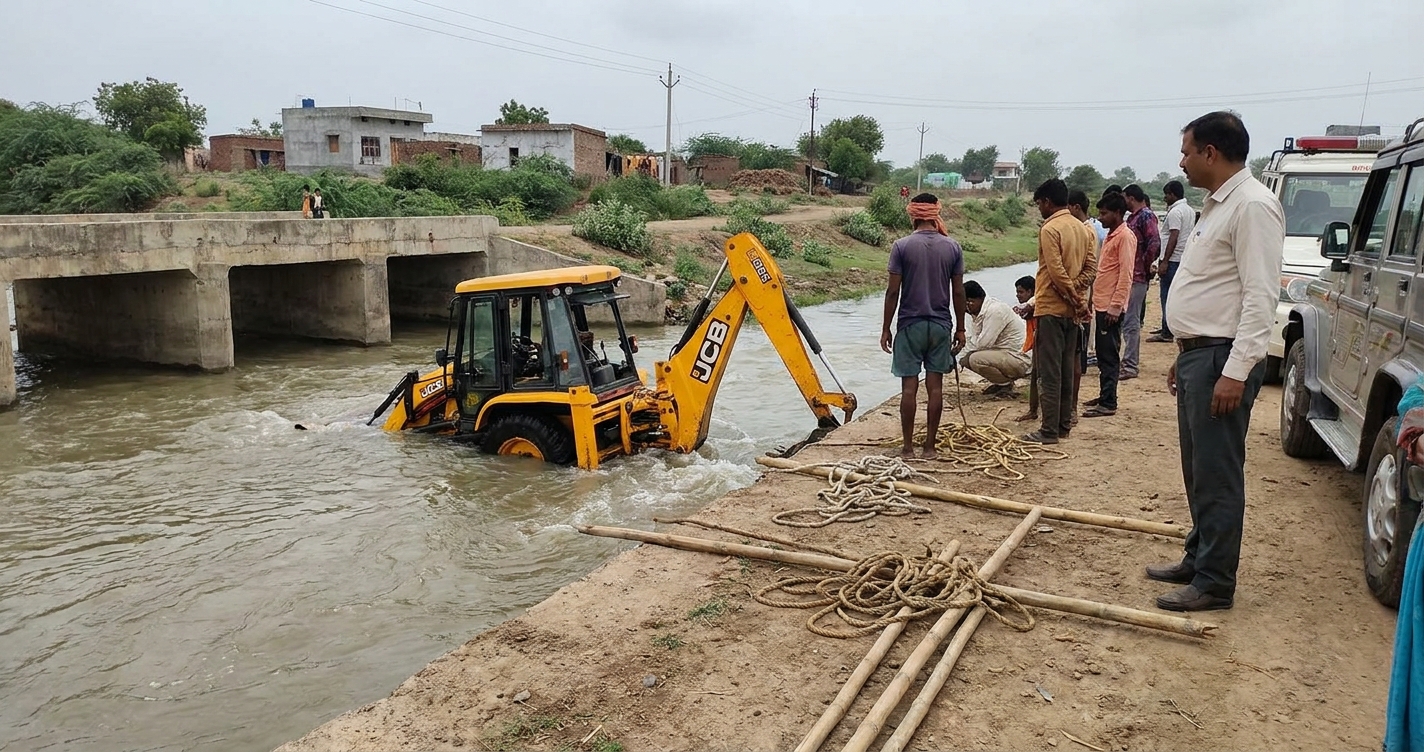
The death of labourer Biram Mogiya under a Gadganga River bridge exposes how India's low-value municipal works orders - like the plank-installation jo
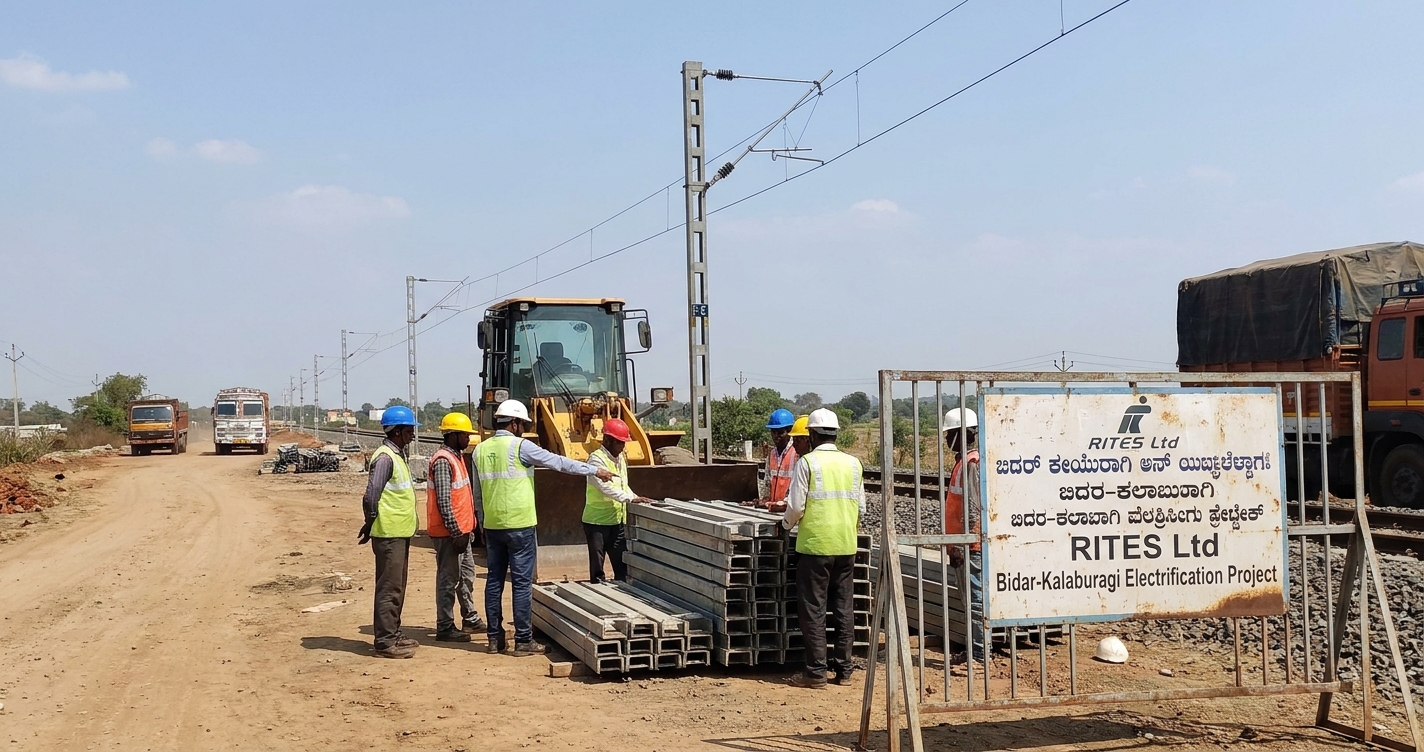
RITES' 58% repricing of the Bidar–Kalaburagi electrification mandate shows how cost-plus turnkey contracting shifts escalation risk from consultant to
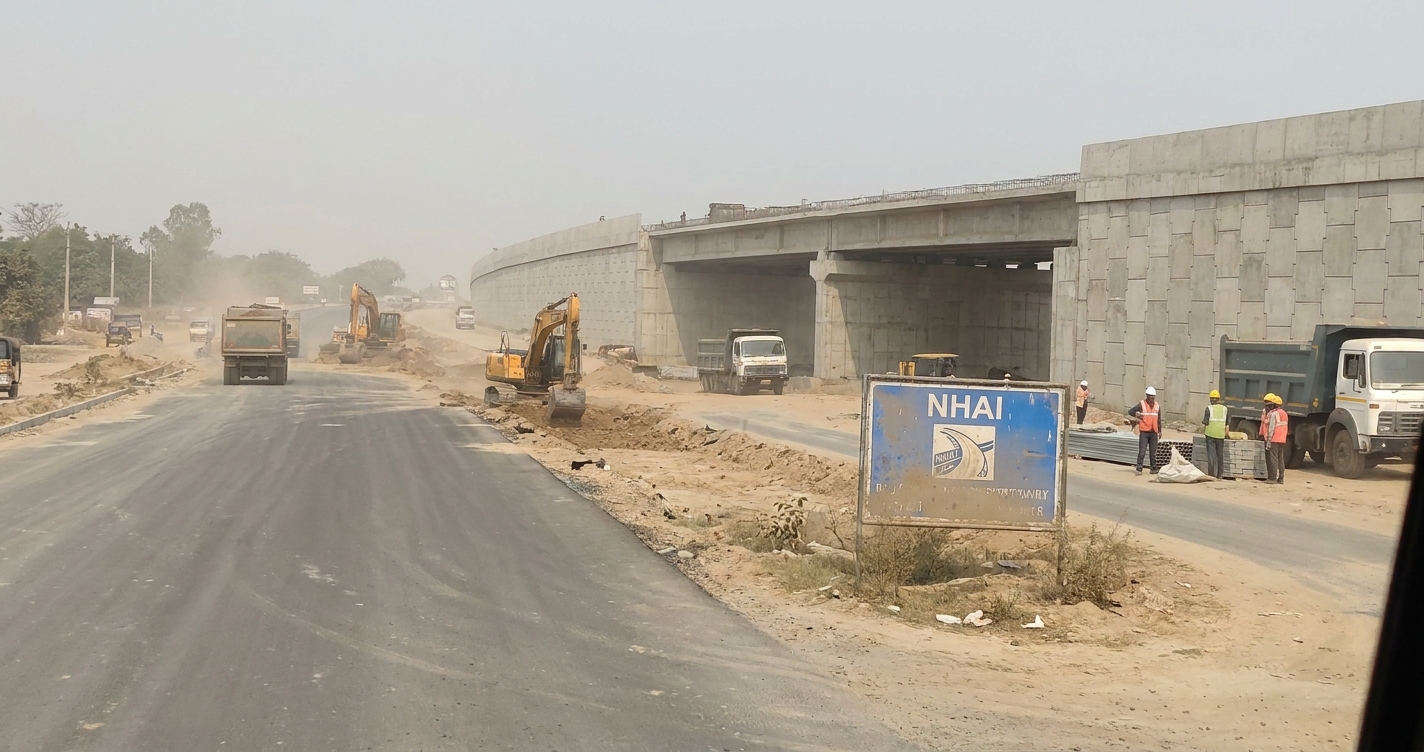
NHAI's 21 September 2026 design guidelines lock uniform 60-70m right-of-way and structure standards for 4-lane and 6-lane high-speed corridors, reshap


Powered by

© Tuskus 2025 - All Rights Reserved by Teamic Creative Lab Pvt. Ltd.
