The death of labourer Biram Mogiya under a Gadganga River bridge exposes how India's low-value municipal works orders - like the plank-installation jo


insghits
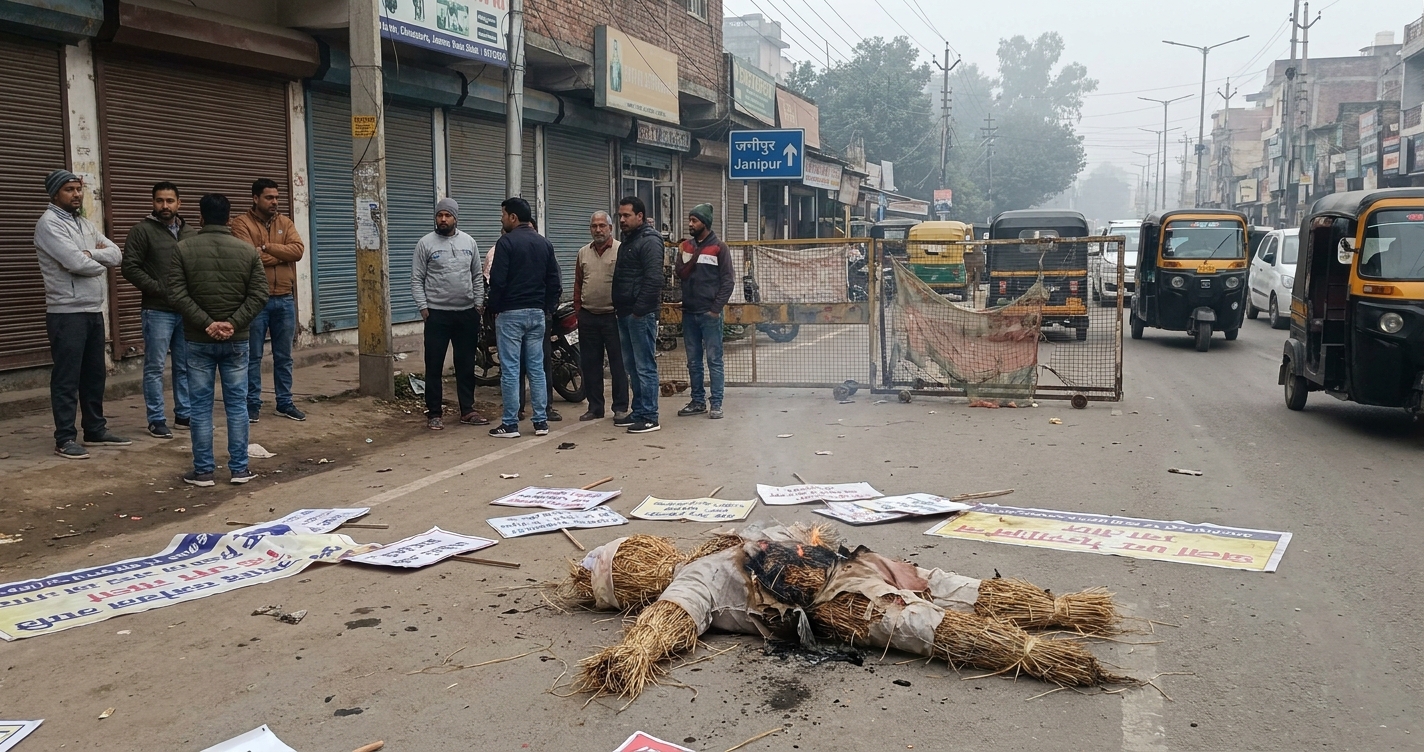
A single-day protest in Jammu has surfaced a delivery risk that infrastructure stakeholders consistently under-price: social licence and resettlement closure.
On September 1, Mission Statehood Jammu Kashmir (MSJK), led by president Sunil Dimple, demonstrated against the flyover planned on the Ambphalla–New Plot–Janipur–Roopnagar corridor, burned an effigy of the Government and warned of an indefinite agitation and a Jammu bandh.
The trigger is not structural complexity. MSJK's grievances are procedural:
- No formal notices to affected traders, shopkeepers and residents
- No compensation framework
- No structured negotiation
Dimple has instead demanded a ring road from Ambphalla Manda to Janipur High Court and onward to Akhnoor, plus a metro on the same axis — a sign that the dispute extends beyond relocation to project selection itself.
For the executing agency — unnamed in the protest report but operating under the Government of Jammu & Kashmir — the exposure is immediate.
An elevated corridor cannot be built through an occupied urban right-of-way unless acquisition, utility shifting and business relocation are closed before mobilisation.
Missing notices suggest either premature site activity or a truncated consultation process; both convert into stop-work risk, schedule slippage and idle contractor capacity.
The contractor and consultant carrying the package absorb the operational cost:
- Demobilised crews
- Deployed barricading and traffic management against an unsettled alignment
- Bid assumptions on possession dates that no longer hold
Traders along the corridor carry the direct commercial impact, but the wider cost lands on the authority's credibility and its ability to sequence future packages.
The real signal is structural. Urban elevated corridor approvals in Jammu are moving faster than land, resettlement and stakeholder closure.
When a protest leader can credibly demand a ring road and a metro as alternatives, the gap is not technical but governance: project selection has not been socialised, and compensation has not been priced into sanction.
For infrastructure professionals, the leading indicator is clear — the binding constraint on Tier-2 and Tier-3 urban mobility delivery is now social licence, not finance or construction capability.
Insights
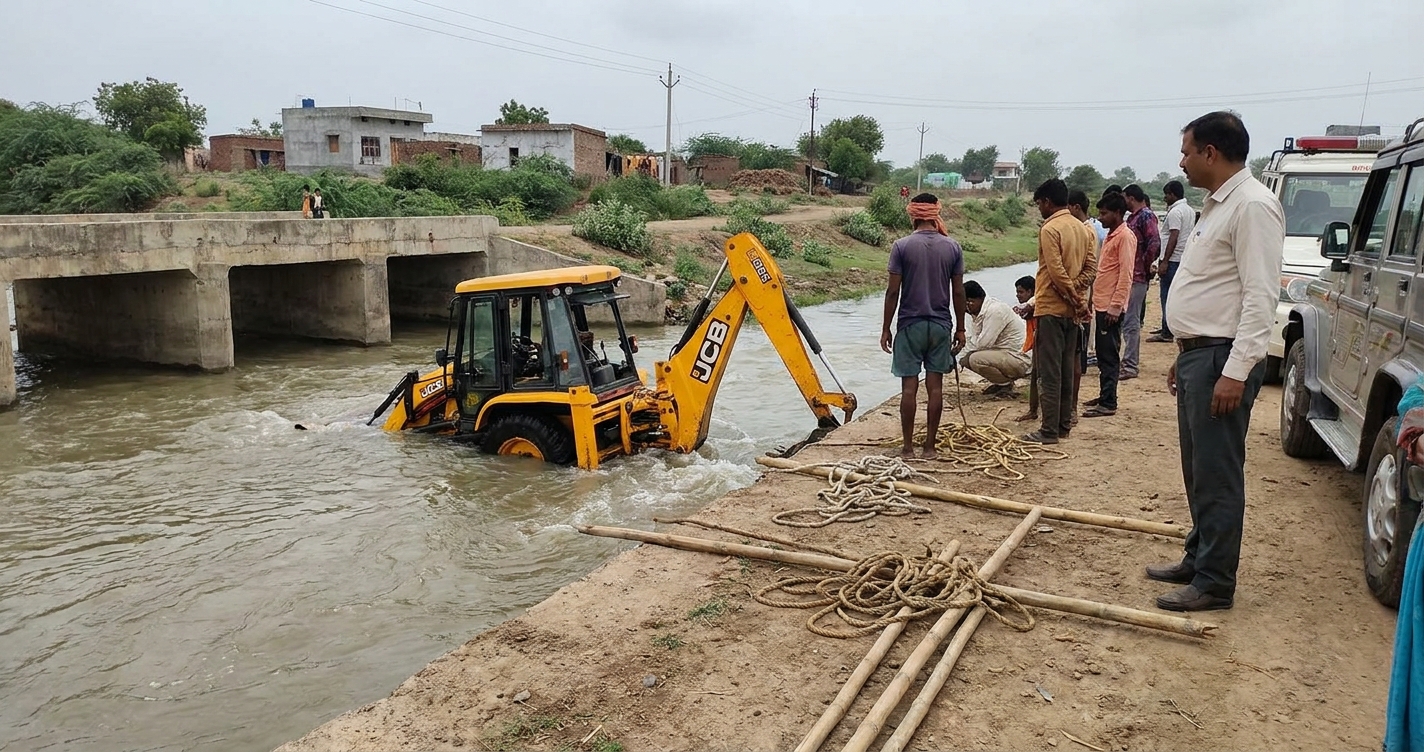
The death of labourer Biram Mogiya under a Gadganga River bridge exposes how India's low-value municipal works orders - like the plank-installation jo
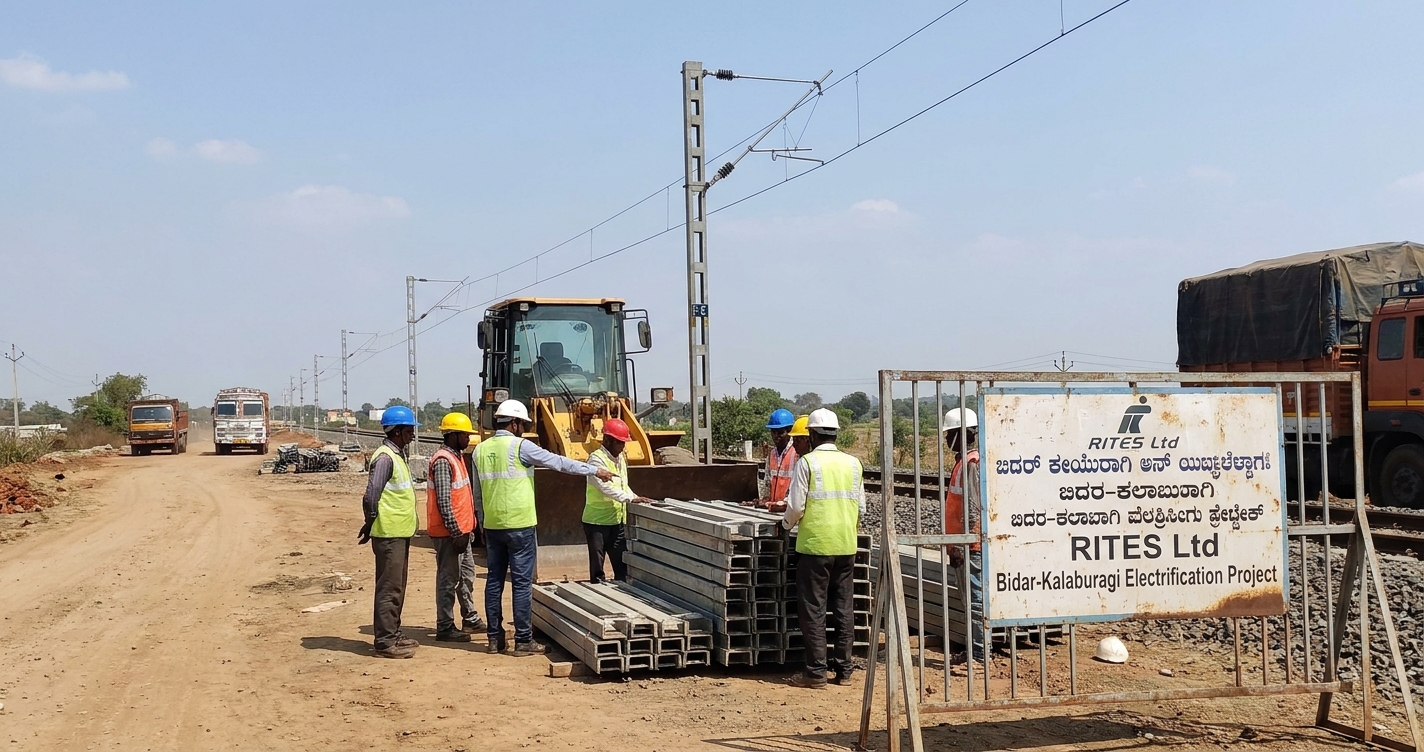
RITES' 58% repricing of the Bidar–Kalaburagi electrification mandate shows how cost-plus turnkey contracting shifts escalation risk from consultant to
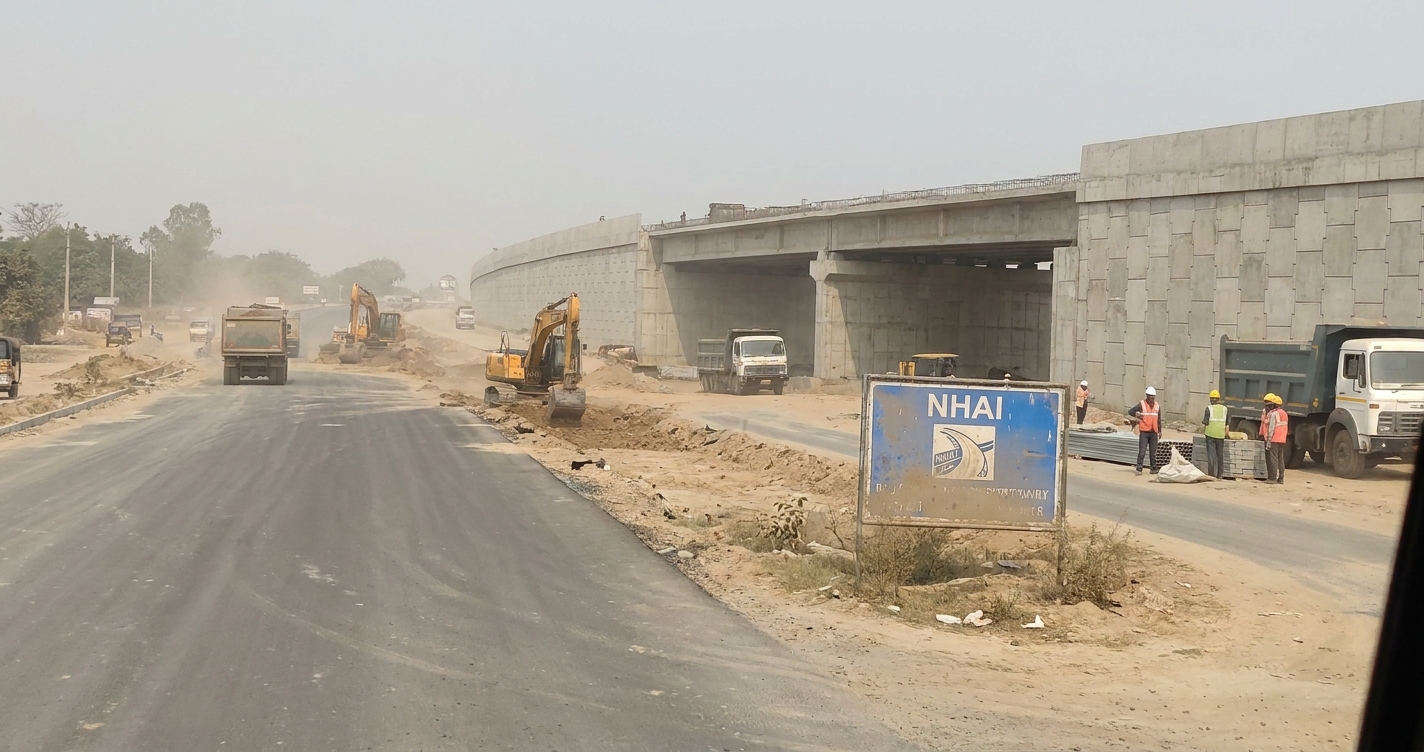
NHAI's 21 September 2026 design guidelines lock uniform 60-70m right-of-way and structure standards for 4-lane and 6-lane high-speed corridors, reshap


Powered by

© Tuskus 2025 - All Rights Reserved by Teamic Creative Lab Pvt. Ltd.
