The death of labourer Biram Mogiya under a Gadganga River bridge exposes how India's low-value municipal works orders - like the plank-installation jo


insghits
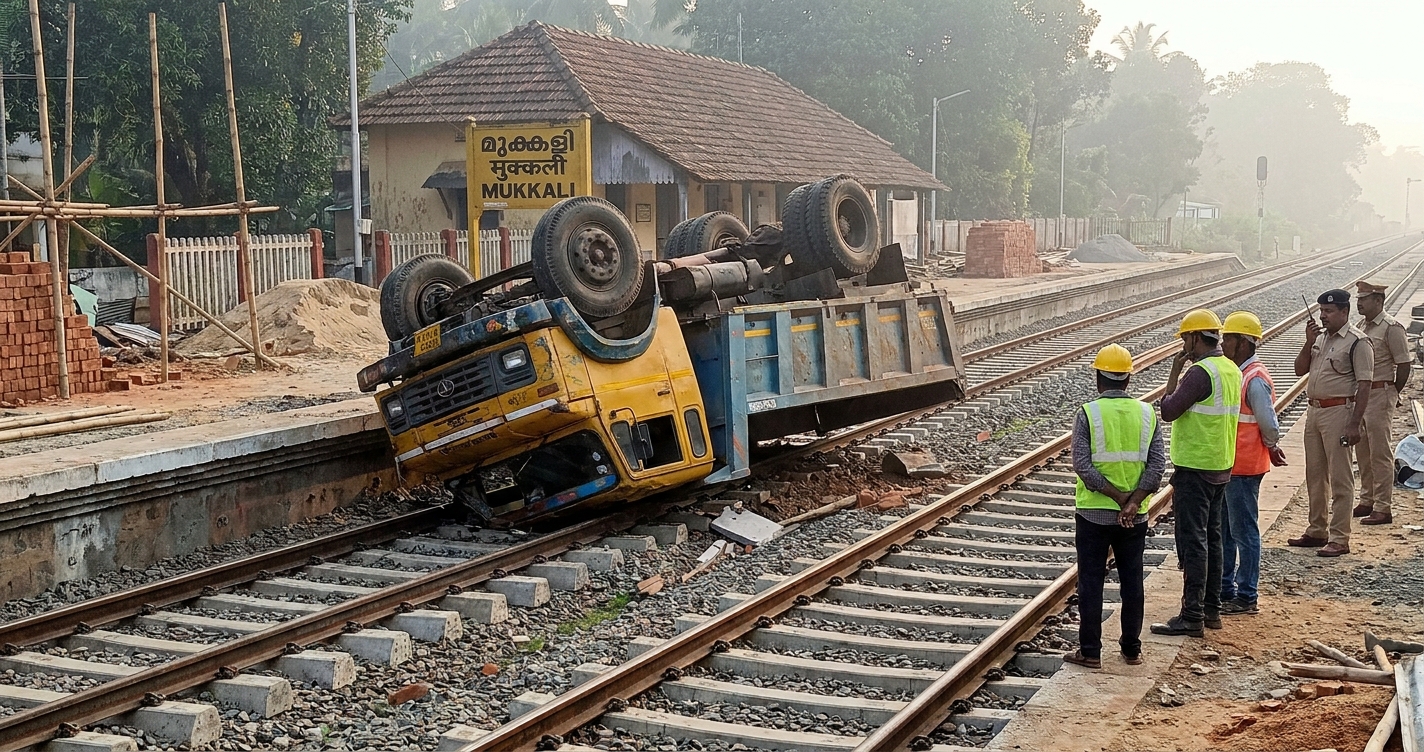
The near-miss at Mukkali station on Friday morning is the kind of incident that should not survive a routine site safety audit. A tipper lorry engaged in platform renovation work overturned onto the running line between Vadakara and Mahe around 7:30 am. No train was passing at that moment, but three services—including the morning Vande Bharat Express—were held at intermediate stations. Indian Railways has ordered an inquiry.
The provisional cause points to the operator suffering an epileptic seizure. That detail reframes the event.
This is not a mechanical failure or a design error; it is a medical fitness and site-control failure.
For any contractor working on a live railway corridor under Indian Railways' station redevelopment push, the implication is direct: heavy-equipment operators on rail worksites require verified medical fitness, and site layouts must assume an incapacitated operator is possible.
Mukkali sits on Southern Railway's Palakkad Division, on the busy Shoranur–Mangaluru section. The station works are consistent with Indian Railways' Amrit Bharat Station Scheme, which has pushed platform and station redevelopment onto hundreds of small stations.
The programme's scale multiplies the interface risk: more sites, more local contractors, more live-line working, more heavy plant operating metres from running tracks.
The commercial exposure is not trivial. The unnamed contractor now faces an inquiry that will examine:
- Whether the vehicle was correctly positioned
- Whether the operator held valid medical certification
- Whether the worksite had edge protection or a vehicle arrestor between the platform and the track
A finding of negligence converts a near-miss into contractual consequences—penalties, possible blacklisting, and insurance repricing across the contractor's rail portfolio.
For Indian Railways, the cost is operational and reputational. Stopping the Vande Bharat Express is a visible disruption on a premium service.
The bigger risk is governance: if station redevelopment contracts do not explicitly price and enforce live-line safety controls, the next incident may not end with an empty track.
The real signal is not about one tipper. It is about the tightening of safety and operator-fitness obligations as station redevelopment scales.
Expect Indian Railways to push stricter medical certification, site-specific vehicle control plans, and mandatory possession protocols on platform works—and expect contractors to reprice that risk into future bids.
Insights
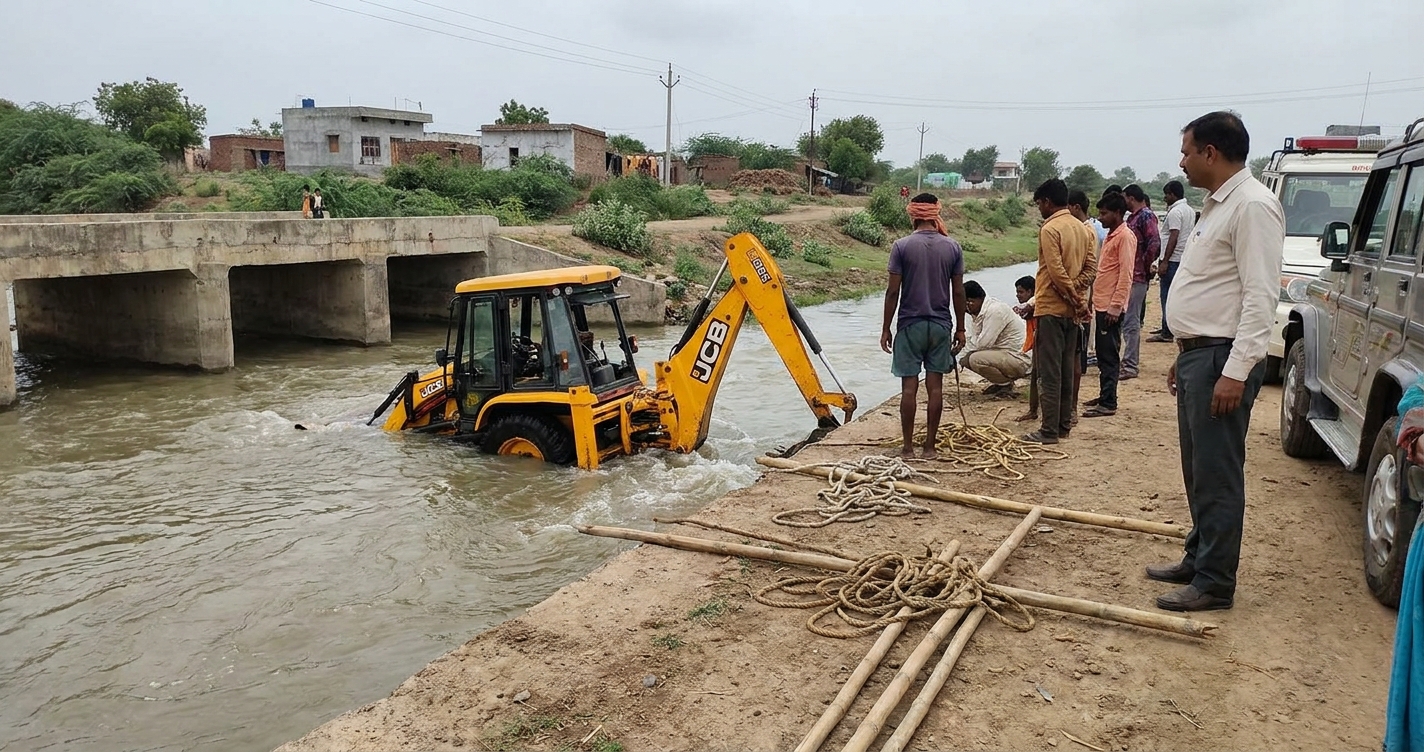
The death of labourer Biram Mogiya under a Gadganga River bridge exposes how India's low-value municipal works orders - like the plank-installation jo
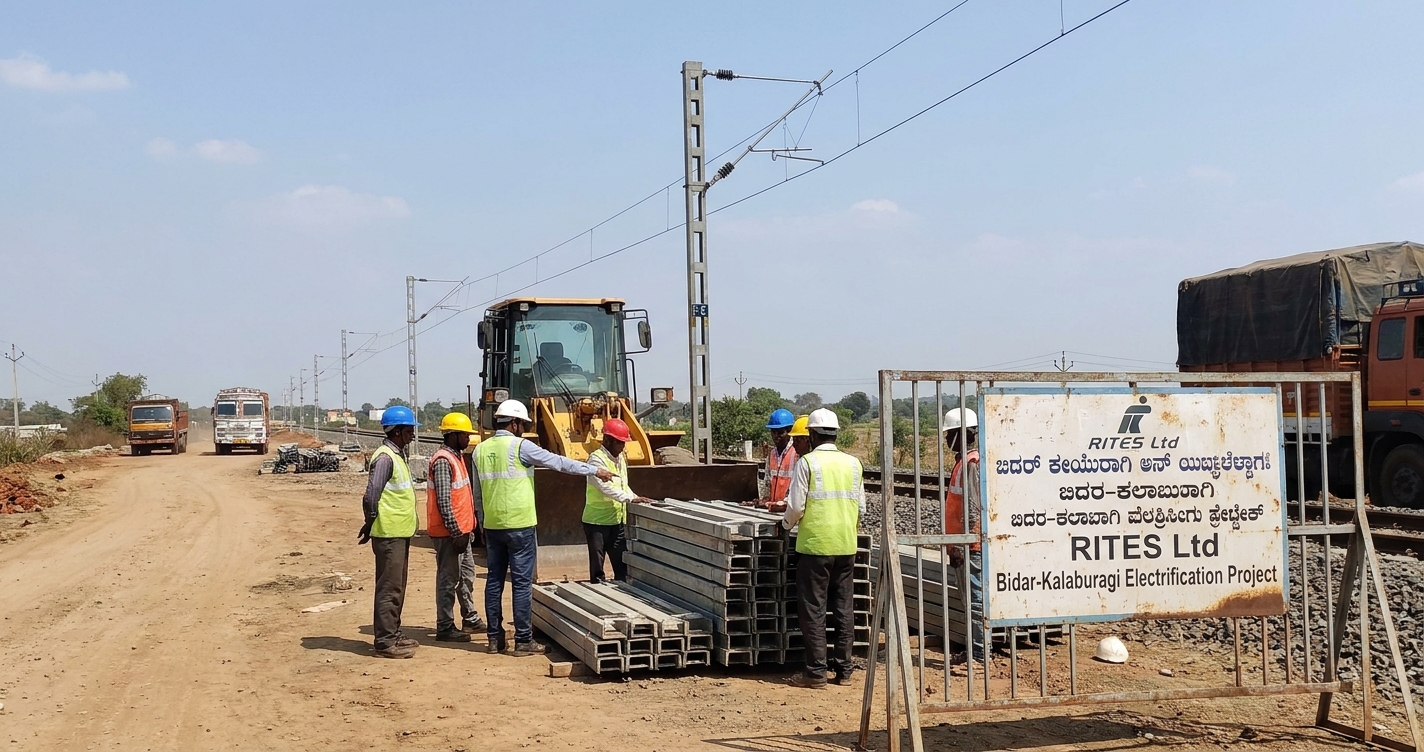
RITES' 58% repricing of the Bidar–Kalaburagi electrification mandate shows how cost-plus turnkey contracting shifts escalation risk from consultant to
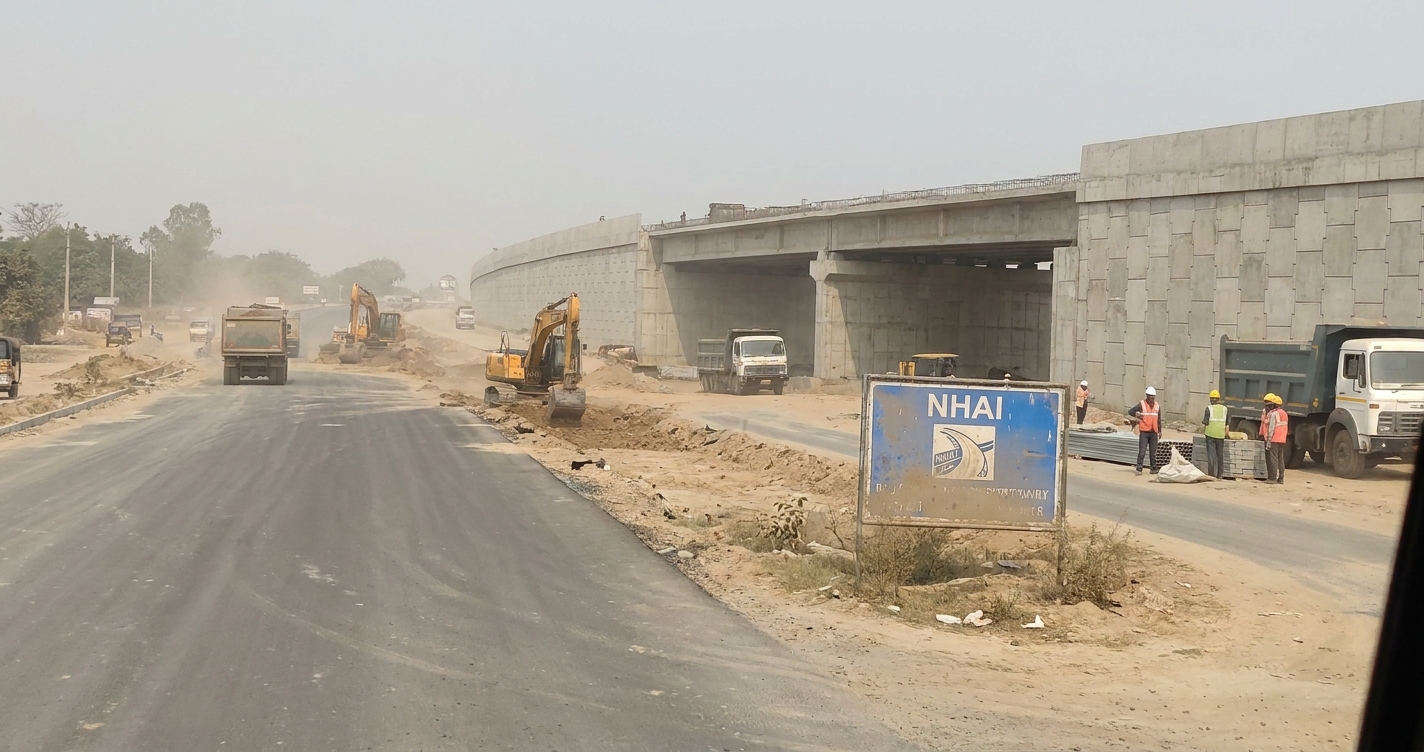
NHAI's 21 September 2026 design guidelines lock uniform 60-70m right-of-way and structure standards for 4-lane and 6-lane high-speed corridors, reshap


Powered by

© Tuskus 2025 - All Rights Reserved by Teamic Creative Lab Pvt. Ltd.
