Indian Railways has approved a four-lane Road Over Bridge at Alkapuri in Western Railway's Vadodara division, with the Ministry of Railways and the Gu


insghits
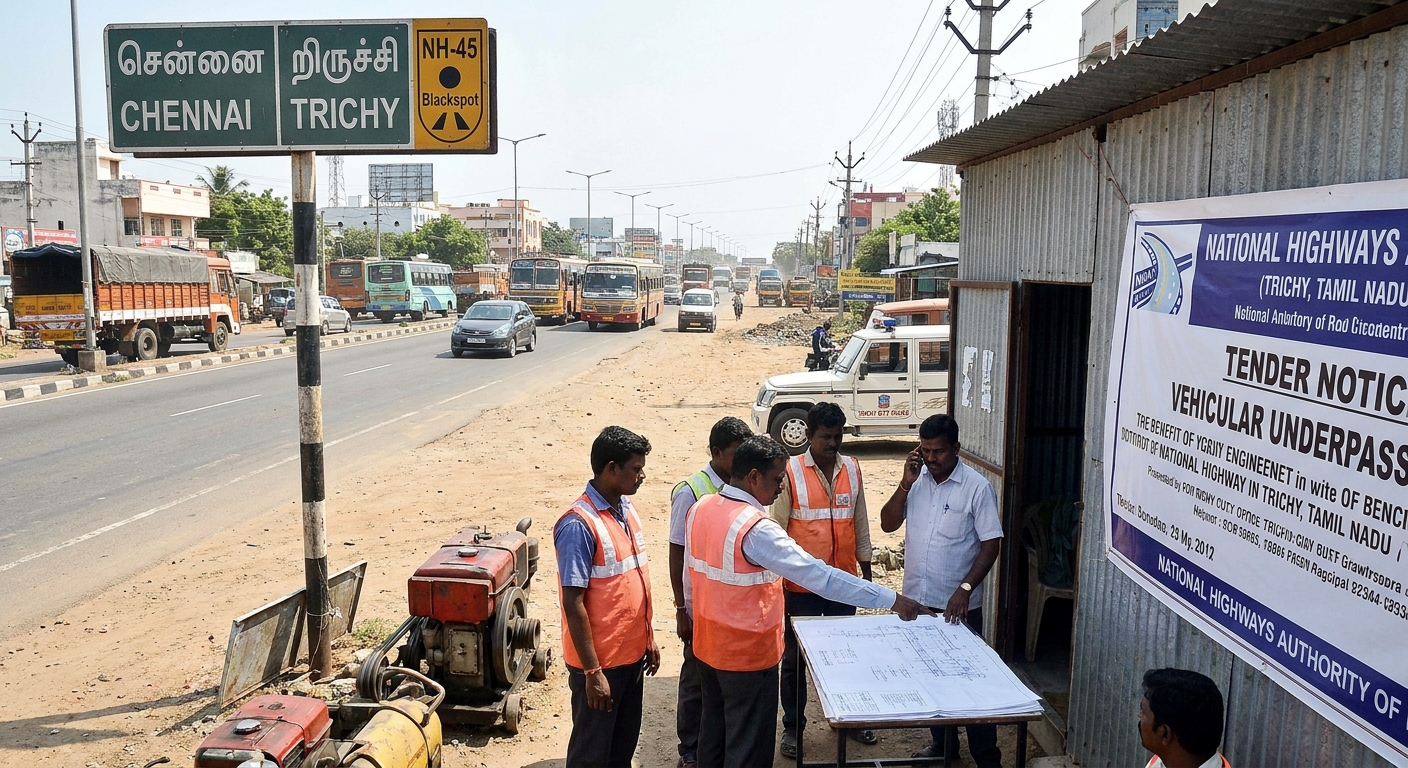
The National Highways Authority of India (NHAI) has floated a Rs 121.6 crore tender for three six-lane vehicular underpasses (VUPs) on the Trichy-Chennai National Highway. The contract covers VUPs at Sanjeevi Nagar, Kollidam Y Road, and Maruti Nagar — junctions that have together recorded over 50 fatalities since 2021.
Trichy city police flagged eight accident hotspots on this corridor, while rural police identified Maruti Nagar among 84 such locations in its jurisdiction. This convergence of blackspot data and political intervention increasingly shapes India’s highway safety programme.
What converted data into a funded, tendered project was direct political escalation. Trichy MP Durai Vaiko (MDMK) took the fatality figures to Harsh Malhotra, Minister of State for Road Transport and Highways, in Delhi.
The result: a common tender designed to deliver all three structures within 18 months. That timeline is ambitious, given the dense urban setting and the need to keep the arterial Trichy-Chennai route operational throughout construction.
For contractors, this is not a routine highway job. Urban VUPs on a live NH corridor demand sophisticated traffic management, utility shifting coordination with municipal agencies, and staged construction sequencing. The six-lane configuration adds structural complexity.
At roughly Rs 40 crore per underpass, the package sits in the sweet spot for mid-tier EPC players with urban highway experience — particularly those already operating in Tamil Nadu.
Bundling three geographically separated VUPs into one tender tests procurement efficiency. A single contract reduces administrative overhead and enables resource pooling across sites.
However, it also concentrates execution risk. A single contractor must run parallel operations across different urban locations, each with distinct ground conditions, traffic patterns, and stakeholder interfaces.
A separate tender for an elevated rotary at G Corner junction — the most notorious of the eight hotspots — is expected shortly. Together, these moves signal a programme-level approach where NHAI deploys surgical grade-separation instead of full corridor reconstruction as its default response to urban highway blackspots. This creates a replicable tender category: discrete, medium-value, urban-grade-separation contracts with faster completion cycles than greenfield highway EPC.
Infrastructure safety has become a federated, party-neutral priority. A regional-party MP successfully lobbied a BJP minister and unlocked central capital with relative speed — provided the fatality data existed to justify the intervention. Contractors tracking NHAI’s pipeline should watch for similar blackspot-to-tender conversions in constituencies where MPs actively engage MoRTH.
The 18-month timeline carries assumptions that rarely hold in urban Tamil Nadu. Key risks include:
- Unresolved land acquisition
- Complicated utility shifting
- Traffic diversion on a high-volume corridor connecting Chennai and Madurai
- Urban working constraints: restricted hours, noise limits, community interface
These factors typically compress margins relative to rural highway work and will severely test contractor planning capability.
If the bundled, politically-accelerated model delivers on time and within budget, expect NHAI to replicate it across other urban NH corridors where blackspot data and parliamentary constituency pressure intersect.
For NHAI, the Trichy VUPs represent a critical experiment. Successful execution here could redefine how the authority addresses urban highway blackspots — moving decisively from data and politics to funded, surgically targeted projects.
Insights
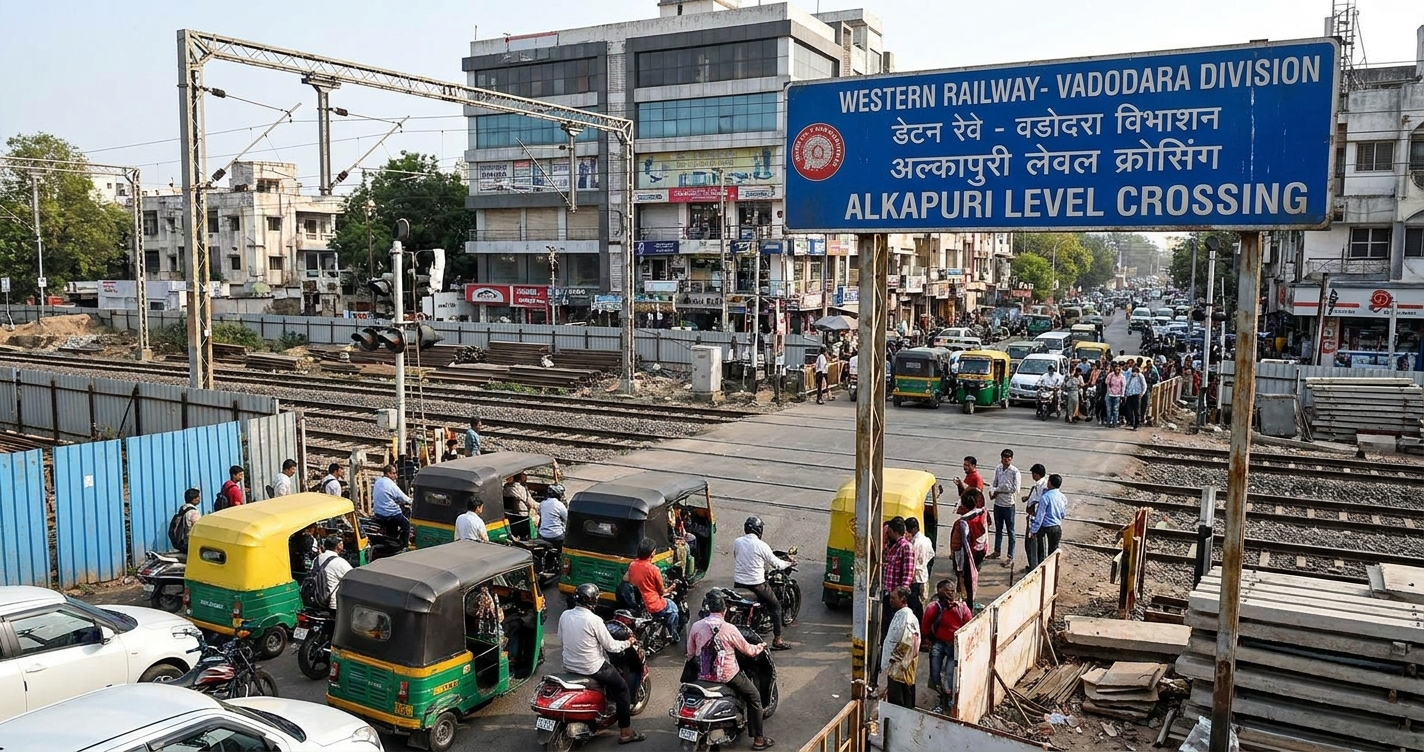
Indian Railways has approved a four-lane Road Over Bridge at Alkapuri in Western Railway's Vadodara division, with the Ministry of Railways and the Gu
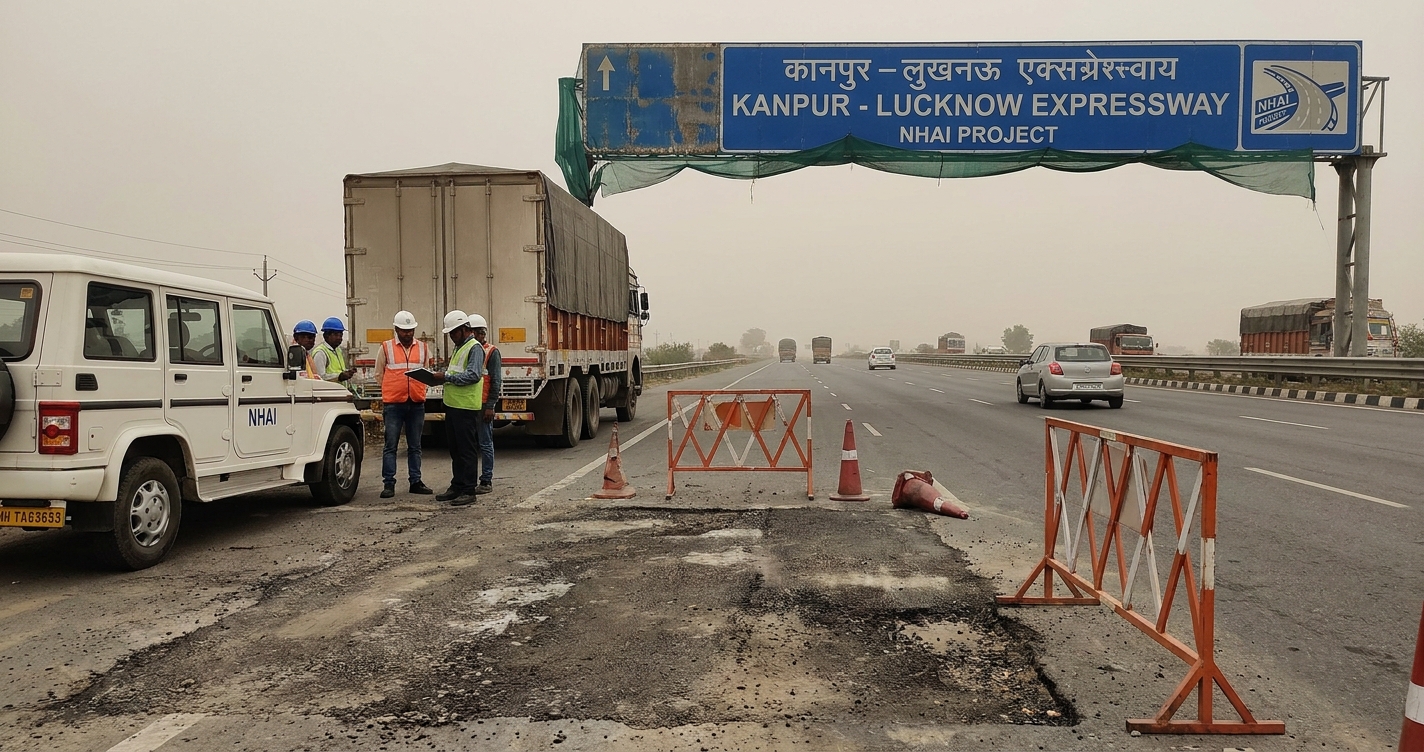
NHAI's two-year debarment of Theme Engineering Services over the Kanpur-Lucknow Expressway moves accountability from contractors to independent engine
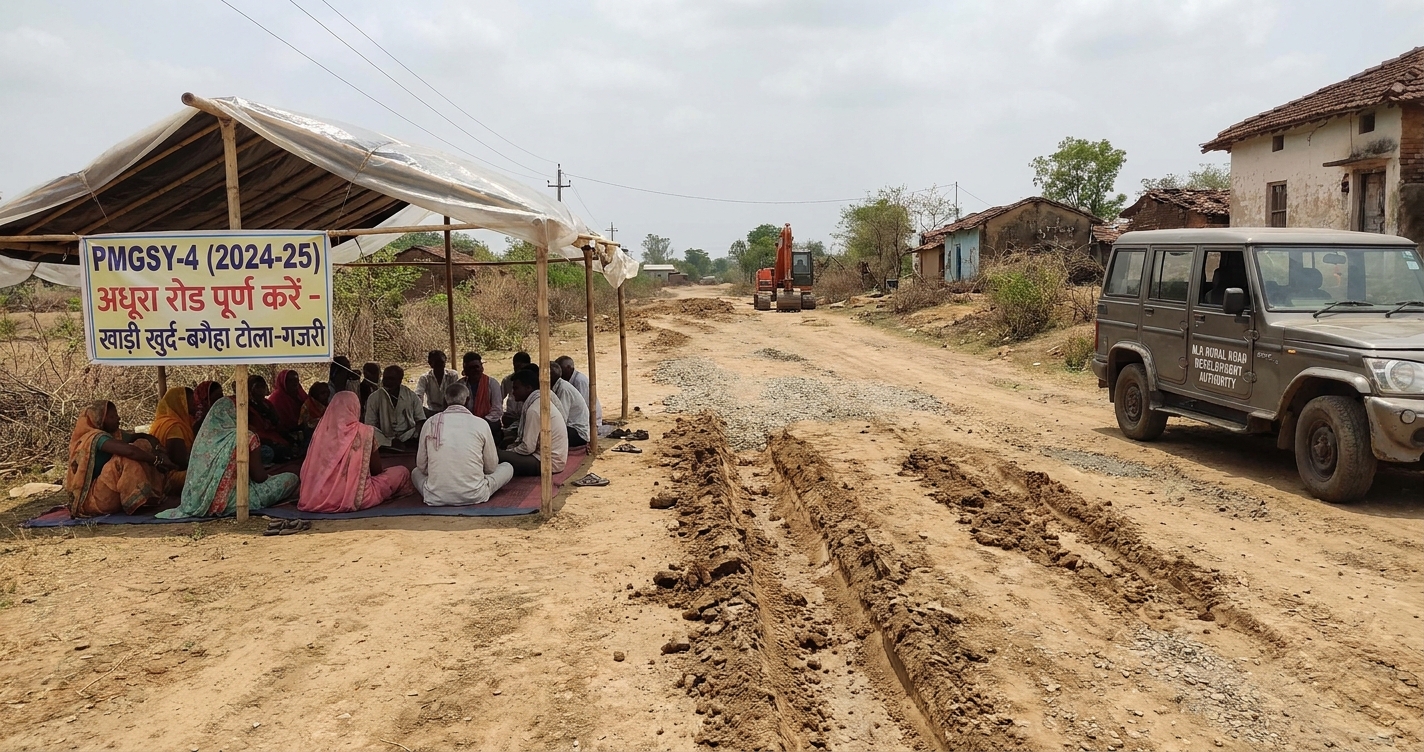
An estimate worth Rs 4.48 crore, a 5.07-km PMGSY-4 priority listing and Rs 10 lakh of murum surfacing, yet the Khaddi Khurd road stays impassable. The


Powered by

© Tuskus 2025 - All Rights Reserved by Teamic Creative Lab Pvt. Ltd.
