The death of labourer Biram Mogiya under a Gadganga River bridge exposes how India's low-value municipal works orders - like the plank-installation jo


insghits
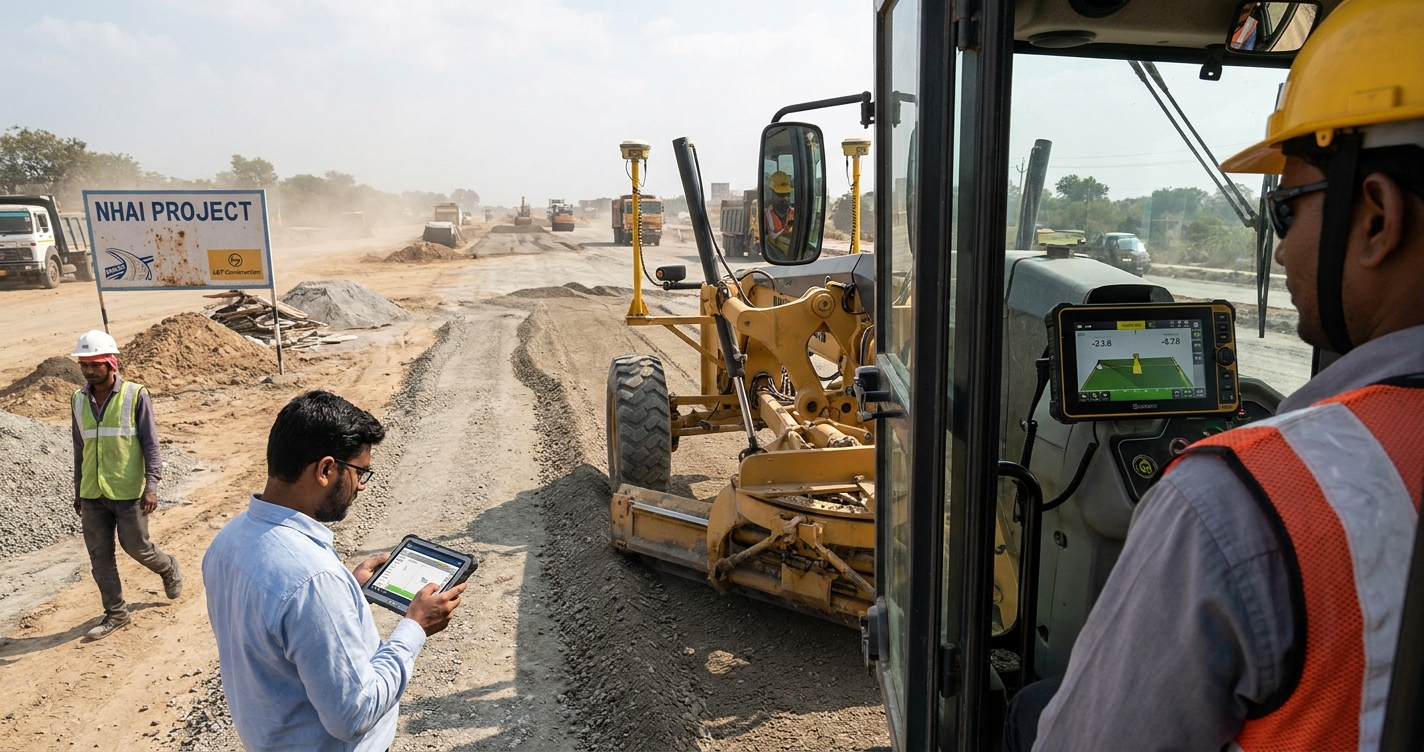
The National Highways Authority of India (NHAI) has made AI-based machine control (AI-MC) compulsory for highway construction projects.
What was a voluntary productivity tool is now a contractual conformance requirement.
The mandate uses sensors, GNSS-guided equipment, and real-time data to verify that every pavement layer is built to specification — moving quality assurance from post-hoc inspection to instrumented, machine-level verification.
The timing is not accidental.
NHAI’s own data records 62,122 fatalities on national highways in 2025.
A Transport Corporation of India (TCI) and IIM Kolkata study puts the annual cost of poor road conditions at $21.3 billion:
- $6.6 billion in delays
- $14.7 billion in added fuel consumption
The commercial case is clear: precision at the point of construction is cheaper than recurring repairs, congestion, and casualty costs.
Commercially, the mandate redraws the cost structure of NHAI contracts.
EPC players such as Larsen & Toubro, IRB Infrastructure, GR Infraprojects, and Dilip Buildcon must now price in machine-control hardware, telematics integration, and operator training across their equipment fleets.
The burden falls on the contractor’s balance sheet, not NHAI’s. Upfront capex is absorbed into bid pricing before a single kilometre is certified.
Equipment OEMs and machine-control technology suppliers are the immediate commercial beneficiaries.
The execution constraint is rarely the hardware.
It is:
- Operator capability
- Data governance
- Dispute exposure
AI-MC generates continuous machine logs that become the evidentiary record of:
- Layer thickness
- Compaction
- Alignment
That shifts liability dynamics: contractors are no longer defending an inspection result but a machine-generated conformance trail.
Contractors without disciplined data management and trained crews face higher rejection risk and variation-order friction, not lower.
The real signal is procurement-driven consolidation.
By mandating instrumented processes rather than inspecting finished outcomes, NHAI is raising the technical and capital threshold for highway work.
Larger, technology-absorbent contractors capture the upside through fewer reworks and stronger claims defensibility.
Mid-tier and regional bidders competing on thin margins and lowest-cost execution face a structural disadvantage.
The mandate is framed as road safety; its deeper effect is a reallocation of delivery risk in India’s highway market.
Insights
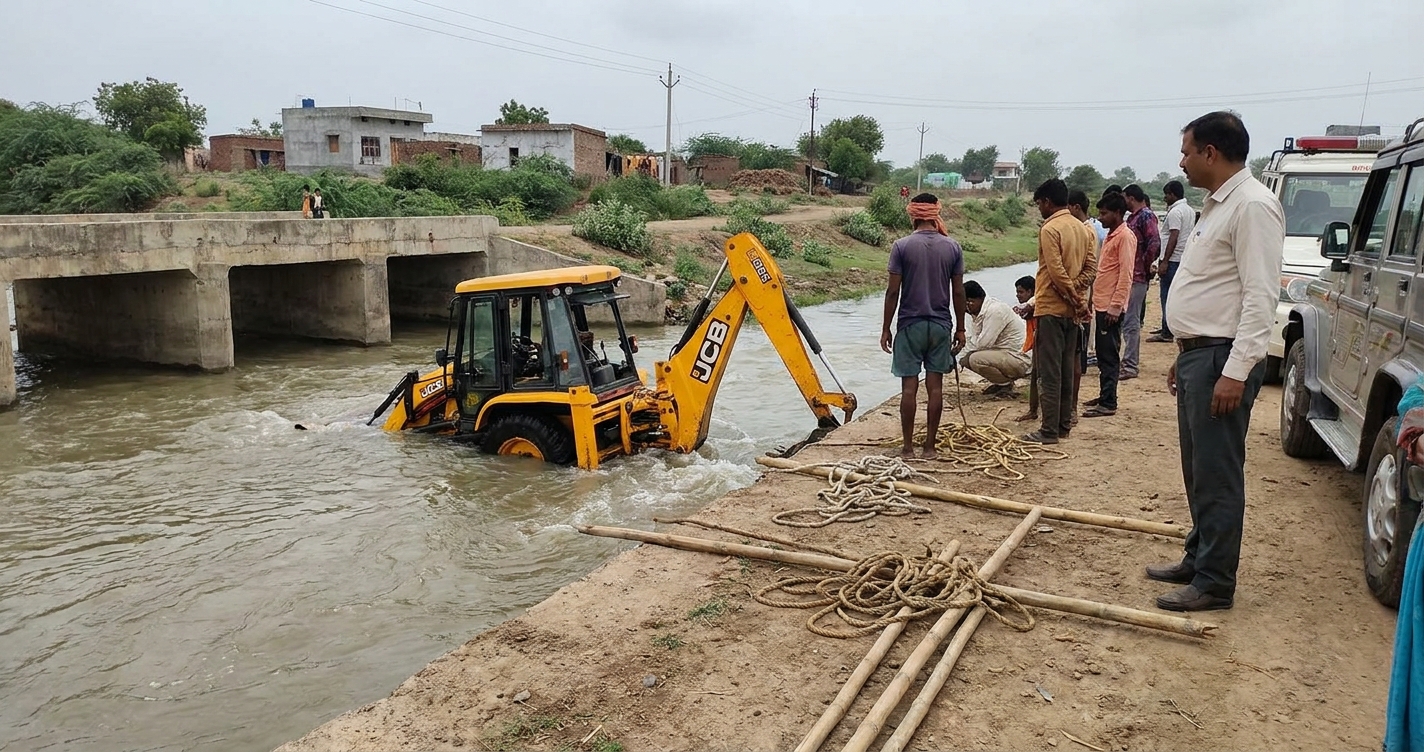
The death of labourer Biram Mogiya under a Gadganga River bridge exposes how India's low-value municipal works orders - like the plank-installation jo
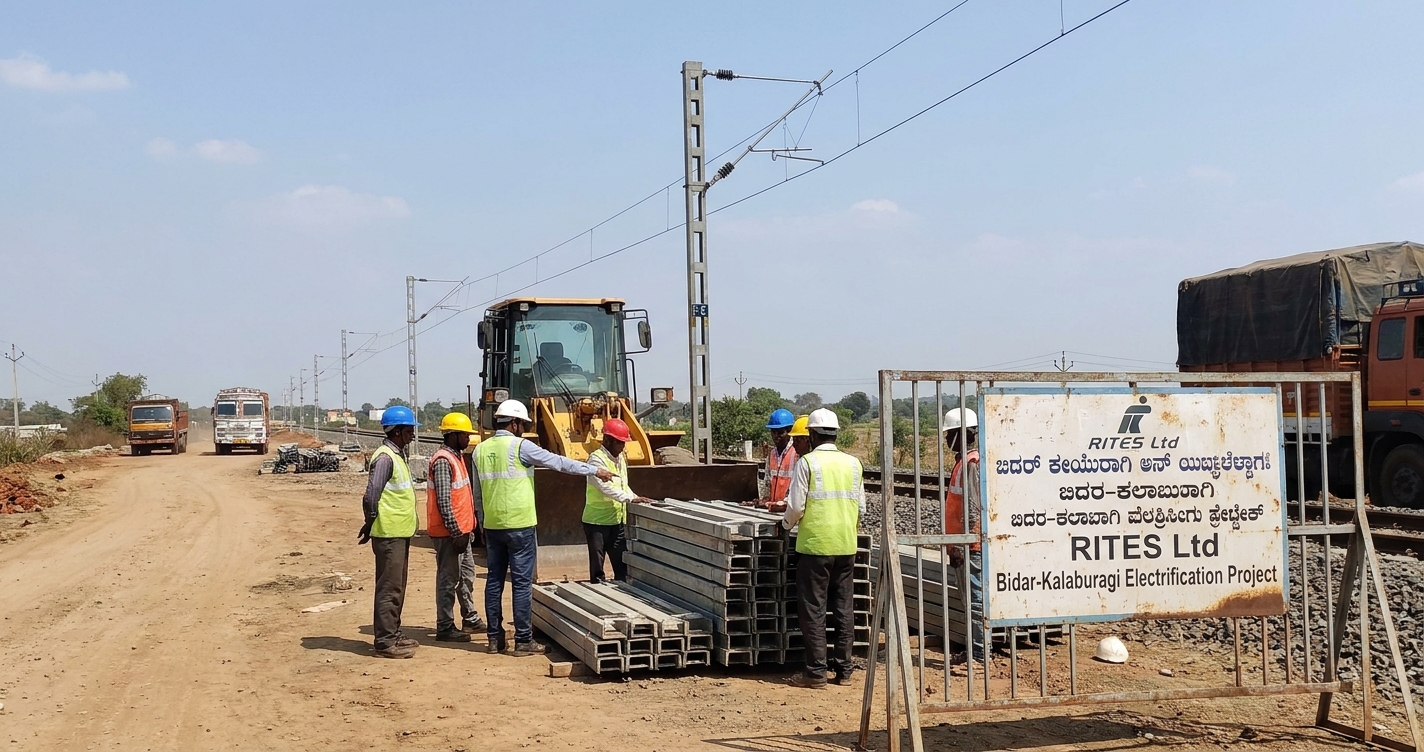
RITES' 58% repricing of the Bidar–Kalaburagi electrification mandate shows how cost-plus turnkey contracting shifts escalation risk from consultant to
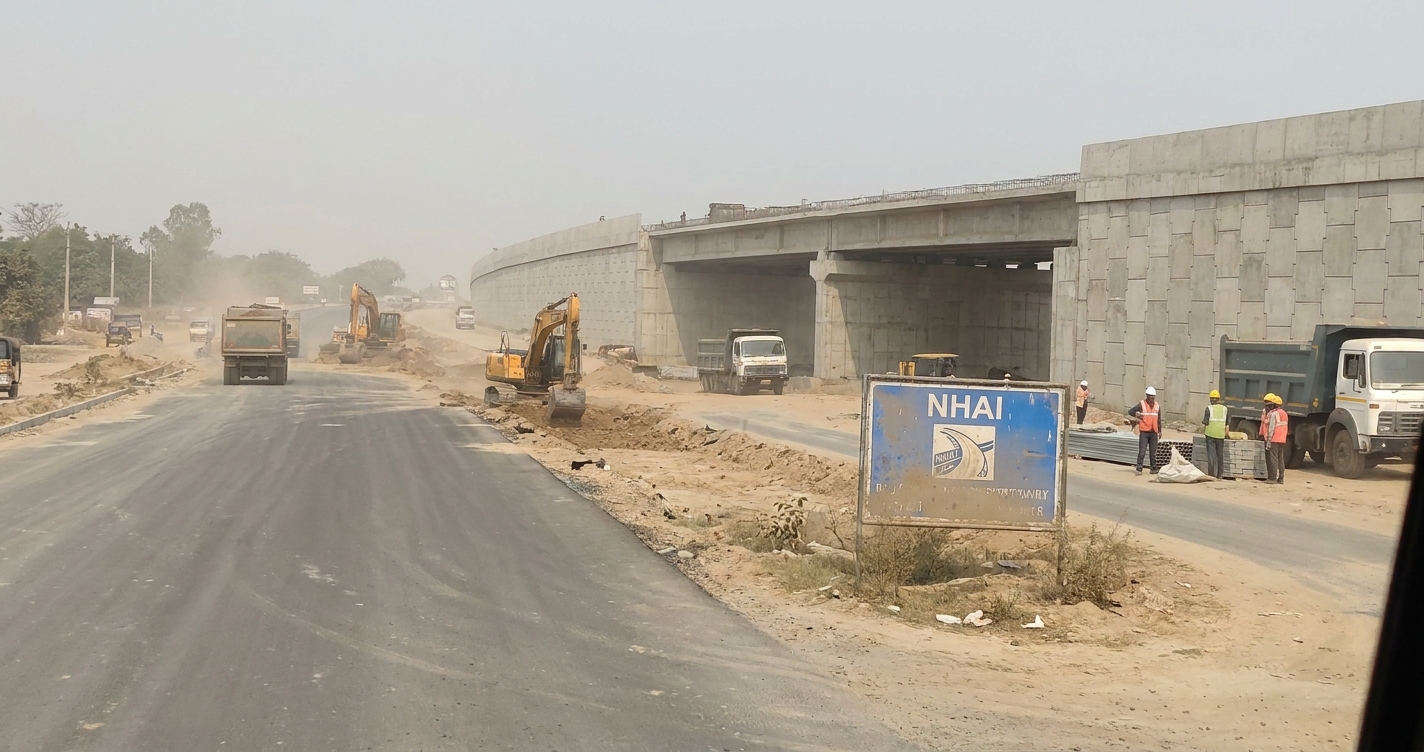
NHAI's 21 September 2026 design guidelines lock uniform 60-70m right-of-way and structure standards for 4-lane and 6-lane high-speed corridors, reshap


Powered by

© Tuskus 2025 - All Rights Reserved by Teamic Creative Lab Pvt. Ltd.
