The death of labourer Biram Mogiya under a Gadganga River bridge exposes how India's low-value municipal works orders - like the plank-installation jo


insghits
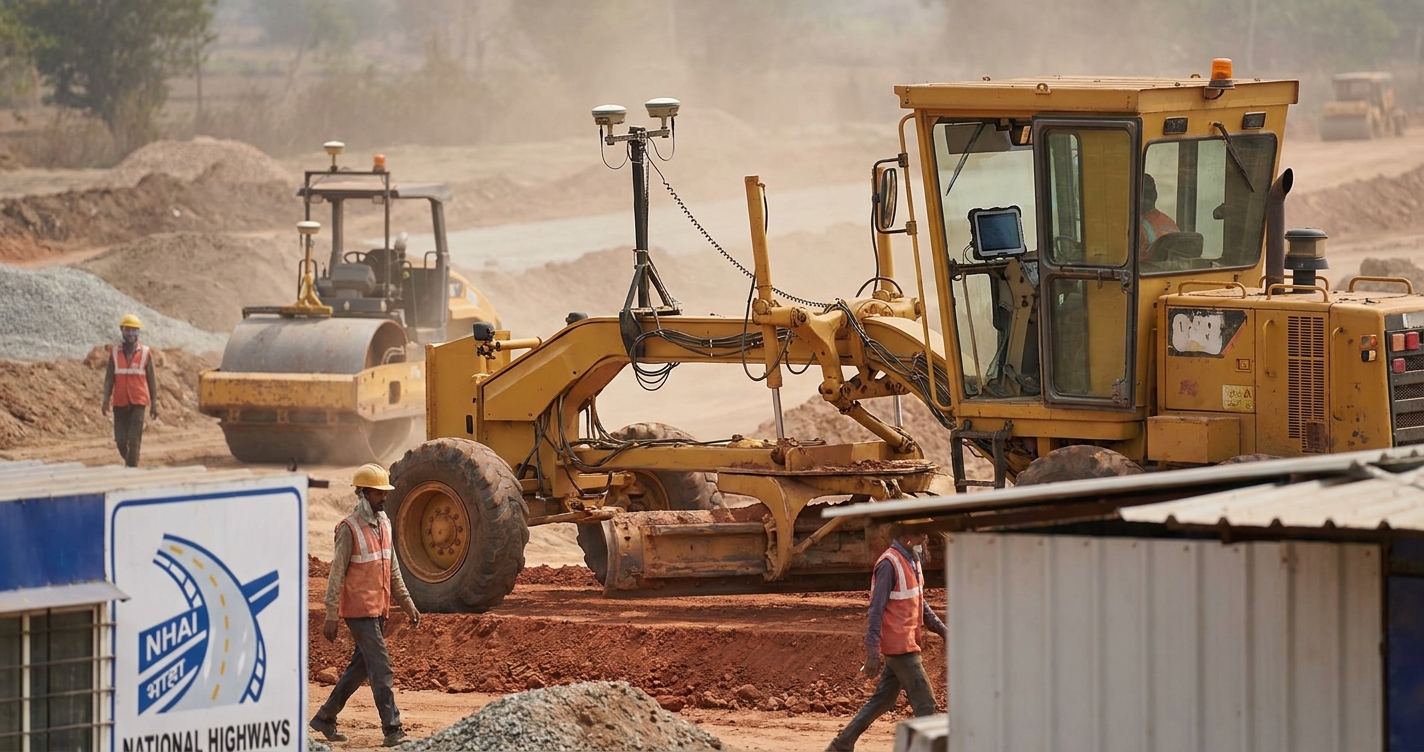
National Highways Authority of India (NHAI) has moved quality assurance from periodic inspection to continuous machine telemetry.
A Friday circular makes Automated and Intelligent Machine-Aided Construction (AI-MC) mandatory, end-to-end and across the full spatial footprint, for every highway project exceeding 20 km in length and ₹500 crore in cost.
The threshold matters more than the technology. Most EPC and HAM packages in the Bharatmala pipeline clear both bars, making this a sector-wide default rather than a pilot.
Contractors will now run graders, pavers, compactors and dozers fitted with on-board sensors and computers through embankment, subgrade and granular sub-base layers, with real-time data shared directly to NHAI.
That data-sharing clause is where the commercial tension sits. The circular converts the contractor from a self-certifying executor into a continuously monitored operator.
Sub-contractor discretion shrinks, as does the ability to compress quality at the margin. An unnamed NHAI official frames it as a win-win, arguing real-time data leaves sub-contractors “hardly any scope to cut corners.”
Technology providers in the AI-MC segment read it differently: contractors remain reluctant to hand over telemetry precisely because it makes them accountable. Their warning is blunt.
Without genuine real-time transmission, the impact is negligible.
The precedent should temper expectations. AI-MC was first deployed on the Lucknow-Kanpur Expressway, a UPEIDA-led corridor, but only partially and not across all grades.
Piecemeal adoption delivered piecemeal assurance.
For NHAI, this is risk transfer by instrumentation: the authority offloads a portion of supervision cost onto mandated technology while building a digital record of every construction stage.
For contractors, it is an unfunded capability burden. The following now sit inside bid economics:
- Machine-control hardware
- Sensor retrofits
- Connectivity
- Data integration
Mid-tier players with older equipment fleets and thinner balance sheets face the sharpest margin exposure.
The signal is not automation; it is the shift from output-based acceptance to process-based, telemetry-verified execution. NHAI is effectively writing real-time data transparency into contract terms.
The winners are equipment-control and telematics suppliers who capture a compliance-driven market.
The test is enforcement — a circular alone does not force a reluctant contractor to open its machine data.
Until data transmission becomes a payment-linked deliverable, the mandate remains an intent, not a standard.
Insights
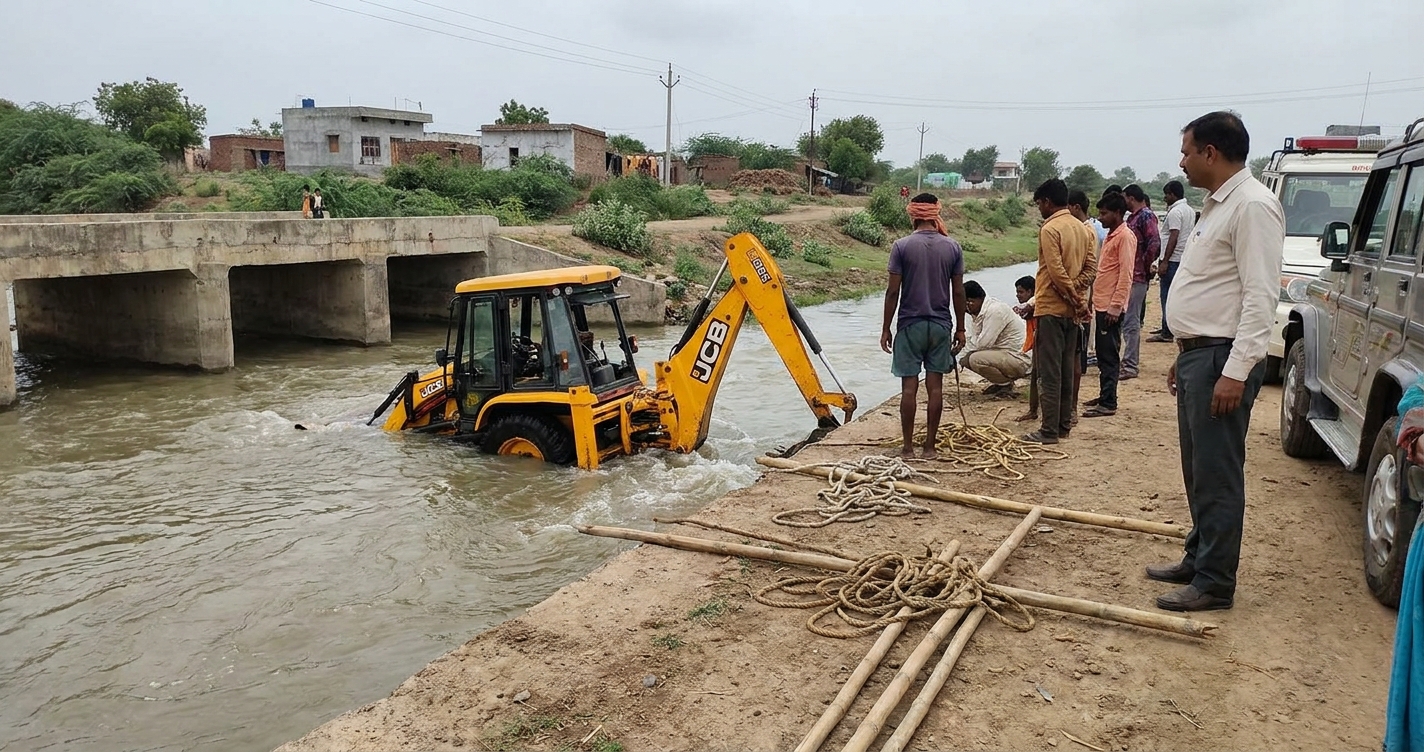
The death of labourer Biram Mogiya under a Gadganga River bridge exposes how India's low-value municipal works orders - like the plank-installation jo
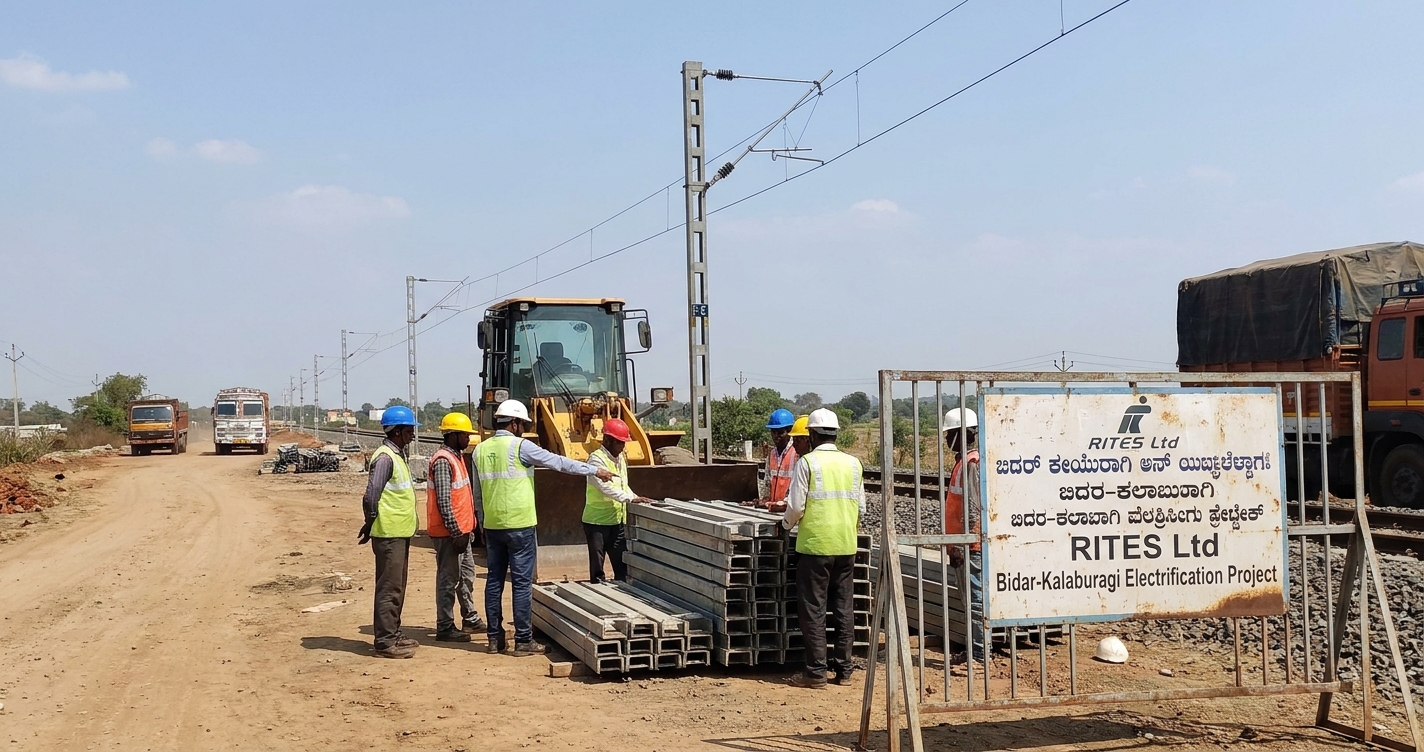
RITES' 58% repricing of the Bidar–Kalaburagi electrification mandate shows how cost-plus turnkey contracting shifts escalation risk from consultant to
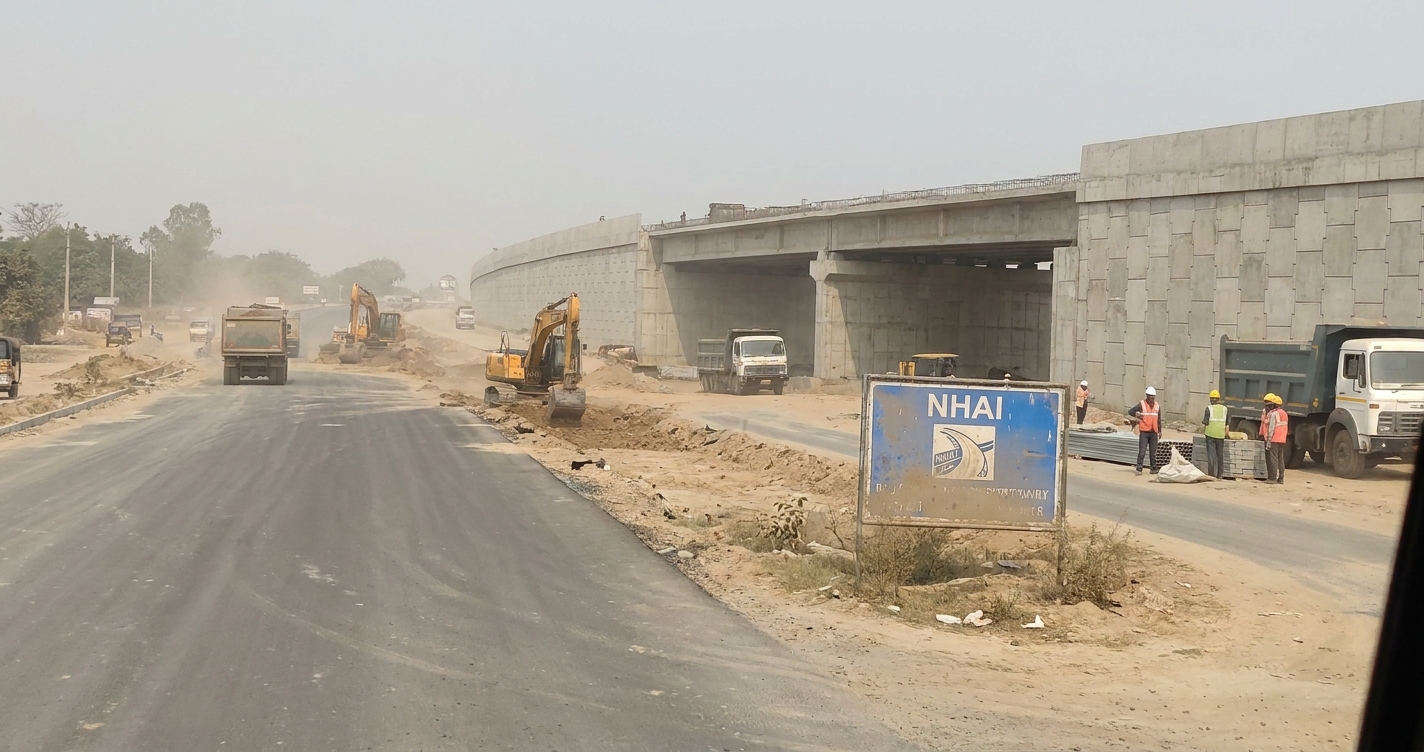
NHAI's 21 September 2026 design guidelines lock uniform 60-70m right-of-way and structure standards for 4-lane and 6-lane high-speed corridors, reshap


Powered by

© Tuskus 2025 - All Rights Reserved by Teamic Creative Lab Pvt. Ltd.
