The death of labourer Biram Mogiya under a Gadganga River bridge exposes how India's low-value municipal works orders - like the plank-installation jo


insghits
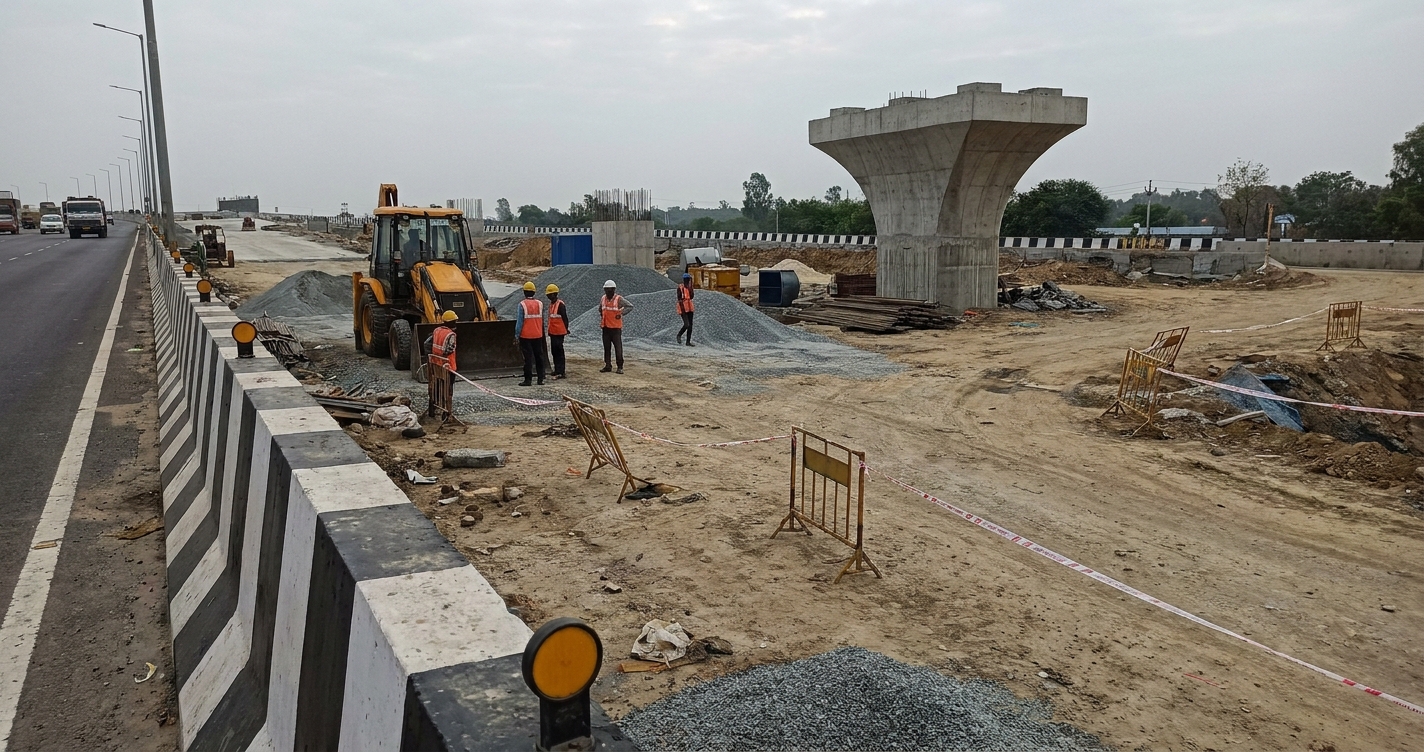
The National Highways Authority of India (NHAI) awarded eight projects spanning about 95 km in August 2026 — a 621% year-on-year jump over the 13 km awarded in August 2025.
The headline number, however, is a low-base artefact, not a structural reset. NHAI's FY27 budgetary support is frozen at Rs 1.87 lakh crore, and its projected internal and extra-budgetary resources are nil.
Nuvama Research, which compiled the data, is right to remain cautious:
- FY26 awards: 3,124 km awarded against a 4,500 km plan, down from 4,008 km in FY25
- August construction: 182 km, down 12% year-on-year
- FY27 first four months: 1,053 km, down 24% year-on-year
For EPC contractors and developers, the immediate exposure is order-book visibility. A stated 5,200 km FY27 award ambition means little without disbursable capital.
The Ministry of Road Transport and Highways has lifted the road sector's overall allocation 8% to Rs 2.94 lakh crore, but the incremental money is not flowing through NHAI's balance sheet.
The sharper shift is in funding architecture. With the government unwilling to add NHAI debt, the authority is being steered toward toll-operate-transfer (TOT) and infrastructure investment trust (InvIT) monetisation.
That transfers real risk: private capital will now price traffic and tolling exposure, not just construction risk, and award velocity will track monetisation receipts rather than budget releases.
The supply-chain read is equally clear. For bitumen, cement, steel and the mid-tier contractors feeding NHAI packages, the pipeline is becoming thinner and lumpier.
Monthly awards can spike, but sustained execution requires consistent cash conversion — exactly what the FY27 arithmetic has not yet secured.
Insights
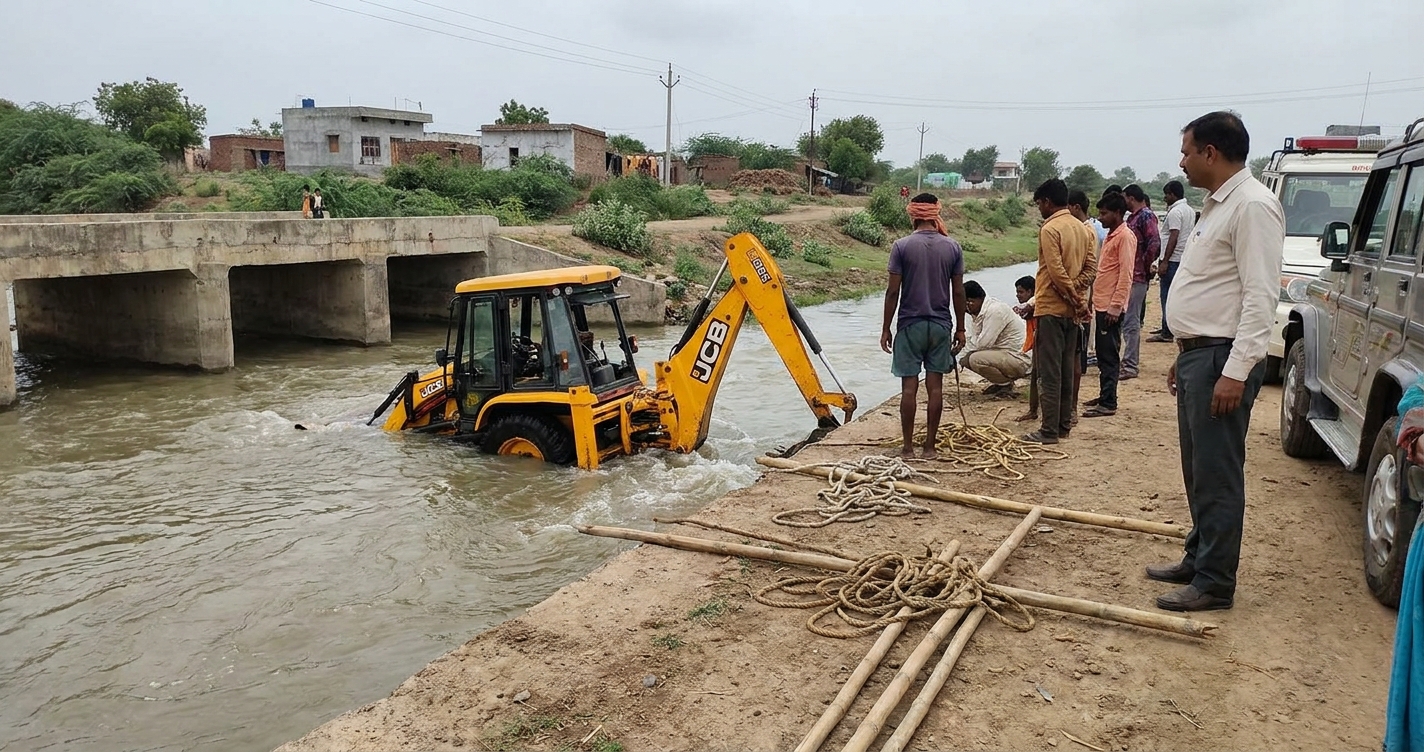
The death of labourer Biram Mogiya under a Gadganga River bridge exposes how India's low-value municipal works orders - like the plank-installation jo
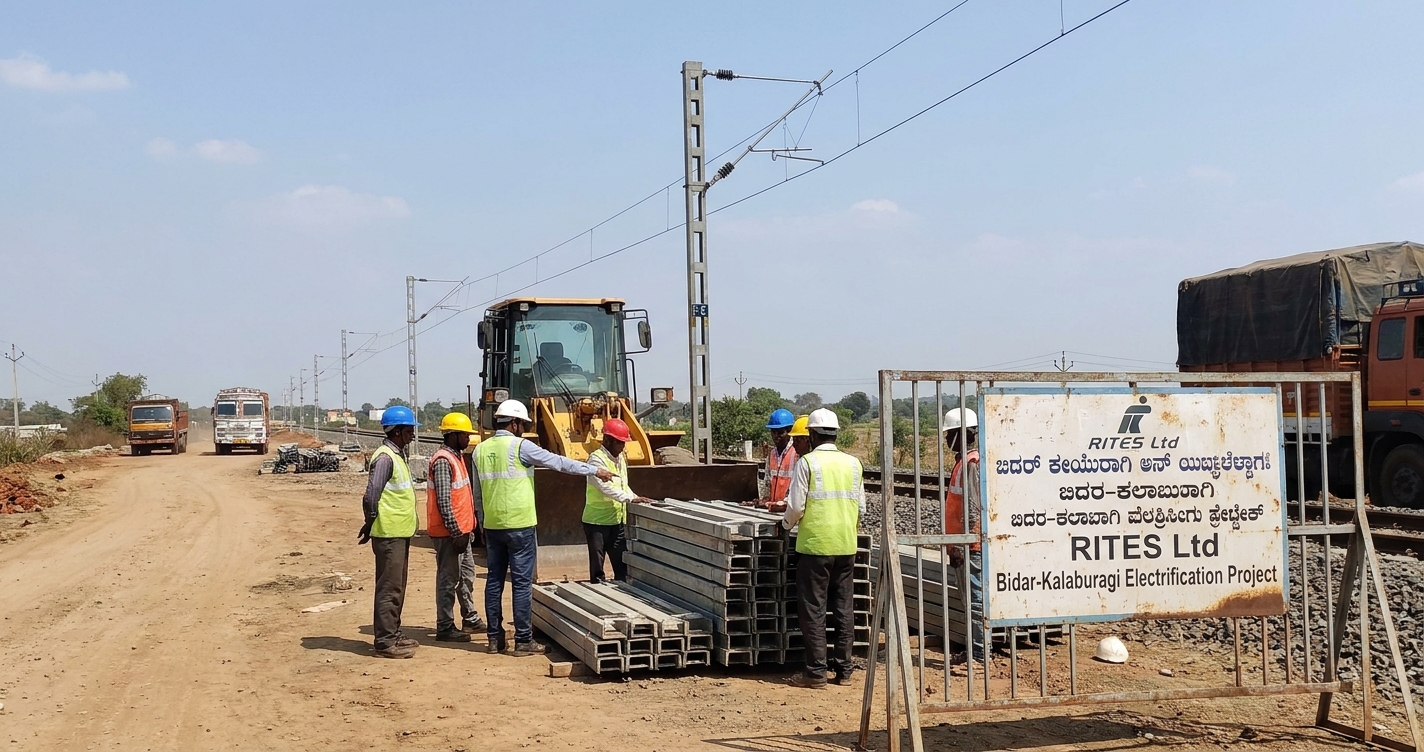
RITES' 58% repricing of the Bidar–Kalaburagi electrification mandate shows how cost-plus turnkey contracting shifts escalation risk from consultant to
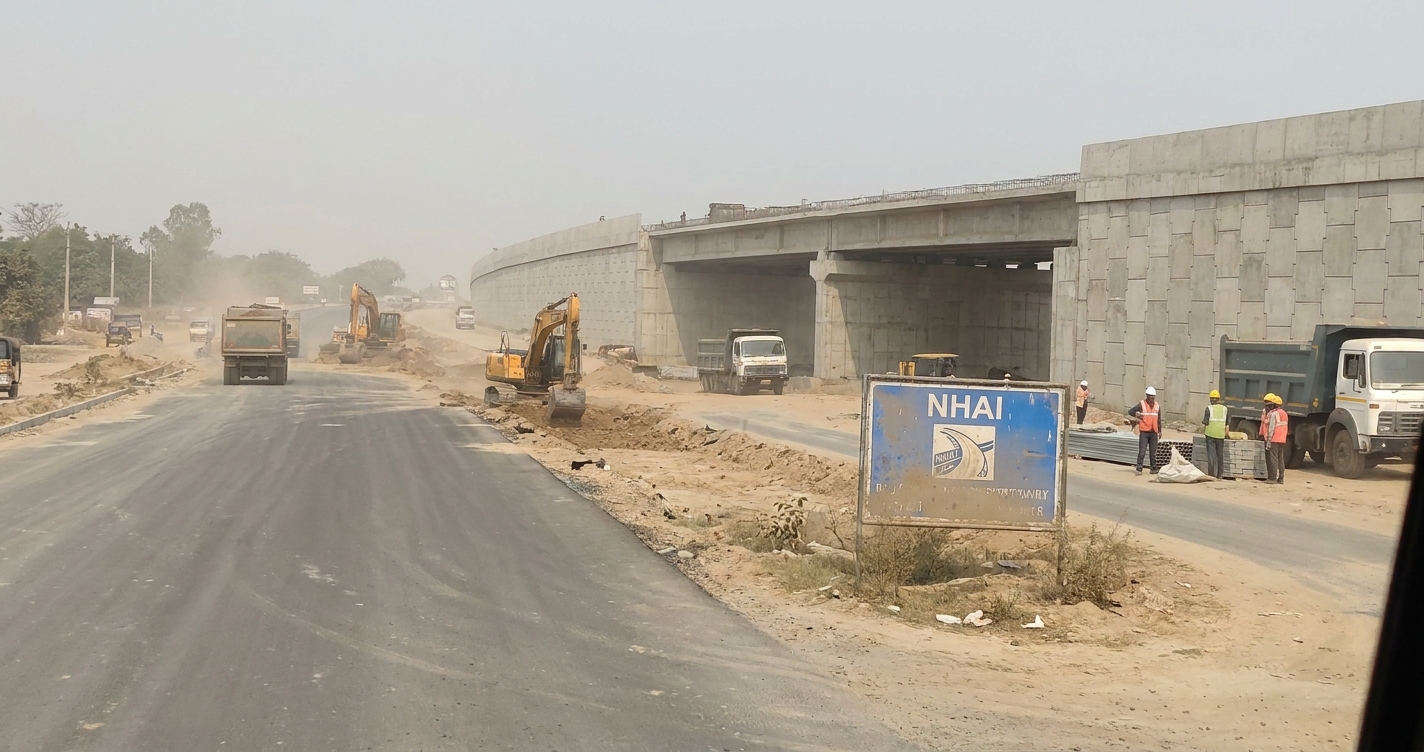
NHAI's 21 September 2026 design guidelines lock uniform 60-70m right-of-way and structure standards for 4-lane and 6-lane high-speed corridors, reshap


Powered by

© Tuskus 2025 - All Rights Reserved by Teamic Creative Lab Pvt. Ltd.
