The death of labourer Biram Mogiya under a Gadganga River bridge exposes how India's low-value municipal works orders - like the plank-installation jo


insghits
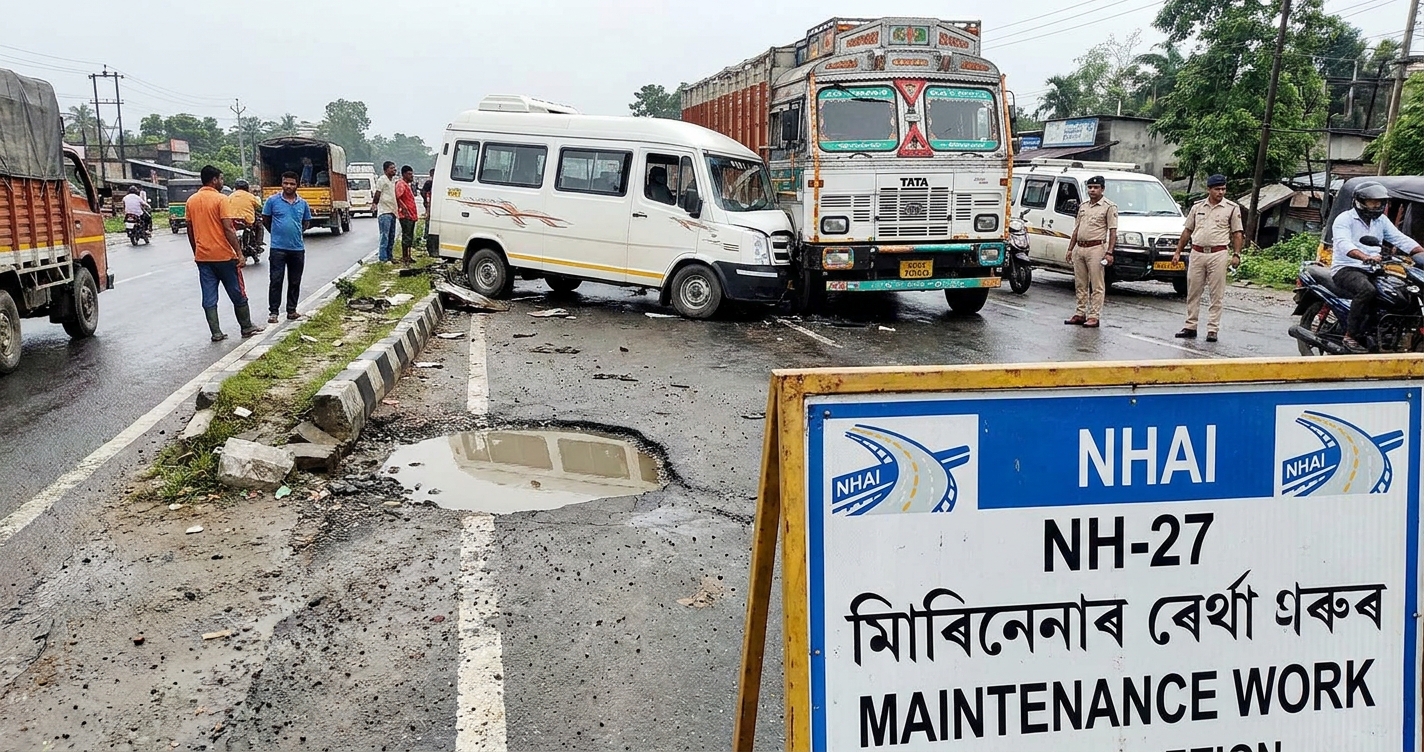
An FIR filed by Dimoria-based organisations against the National Highways Authority of India (NHAI) over the August 30 fatal crash at Nalgadera in Khetri marks a shift in how road maintenance failure is being treated on national highway corridors.
Seven passengers died when a commercial passenger vehicle struck a pothole on NH-27, crossed the divider, and collided with an oncoming goods truck.
The complaint, lodged at Khetri Police Station on September 4, names NHAI as accountable for alleged construction and maintenance deficiencies.
The FIR demands:
- Investigation of both NHAI officials and the contractor responsible for the road work
- Rs 20 lakh compensation per deceased victim
- Rs 5 lakh compensation per injured person
These demands convert a safety failure into a defined financial liability question.
NH-27 is not a marginal road. As part of the East-West Corridor, it carries heavy freight and passenger movement through Assam, including the Guwahati-Khetri stretch.
When a pothole becomes the alleged trigger for a seven-fatality event, the commercial and legal exposure shifts from an operational nuisance to a maintenance-performance obligation.
The complaint’s demand to hold both NHAI and the unnamed contractor accountable raises a contracting question the sector has been avoiding: where does defect liability and maintenance risk actually sit in highway O&M and EPC contracts?
If investigations establish that uneven surfaces, potholes and inadequate drainage contributed to the crash, the defect liability period, performance security and maintenance schedules become evidence, not boilerplate.
Stakeholders affected by the FIR and its potential fallout include:
- NHAI — dominant institutional exposure as named respondent and highway owner
- Contractor — not named in the FIR report, faces the sharpest execution and commercial risk if lapses are proven
- Local Dimoria organisations — driving the accountability demand
- Insurers and the vehicle operator — face downstream civil claims once criminal investigation and technical audit run their course
The deeper signal is liability migration.
Highway maintenance failures on national corridors are moving from insurance claims and road-user complaints into criminal FIRs, targeted compensation demands and contractor-level accountability.
For EPC and O&M players, this changes the pricing of maintenance contracts, the documentation discipline required on defect rectification, and the insurance cover needed for defect-linked fatality claims.
For senior delivery teams, the Khetri FIR is an early indicator that maintenance obligations on high-density national highway stretches will be scrutinised as contractual and criminal exposure, not just operational performance.
The contractor and NHAI’s own supervision records will now determine whether the Rs 20 lakh-per-victim compensation benchmark becomes a precedent for future fatal defect claims across India’s national highway network.
Insights
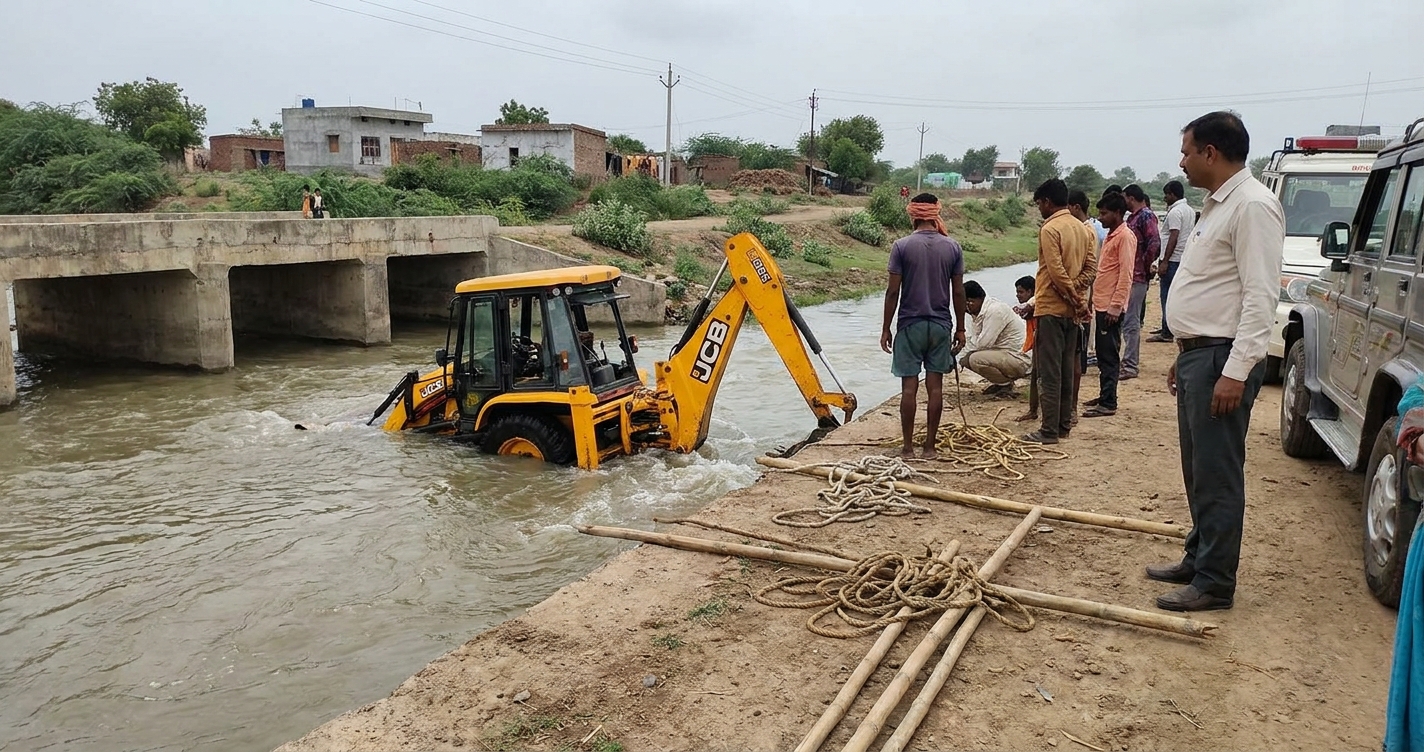
The death of labourer Biram Mogiya under a Gadganga River bridge exposes how India's low-value municipal works orders - like the plank-installation jo
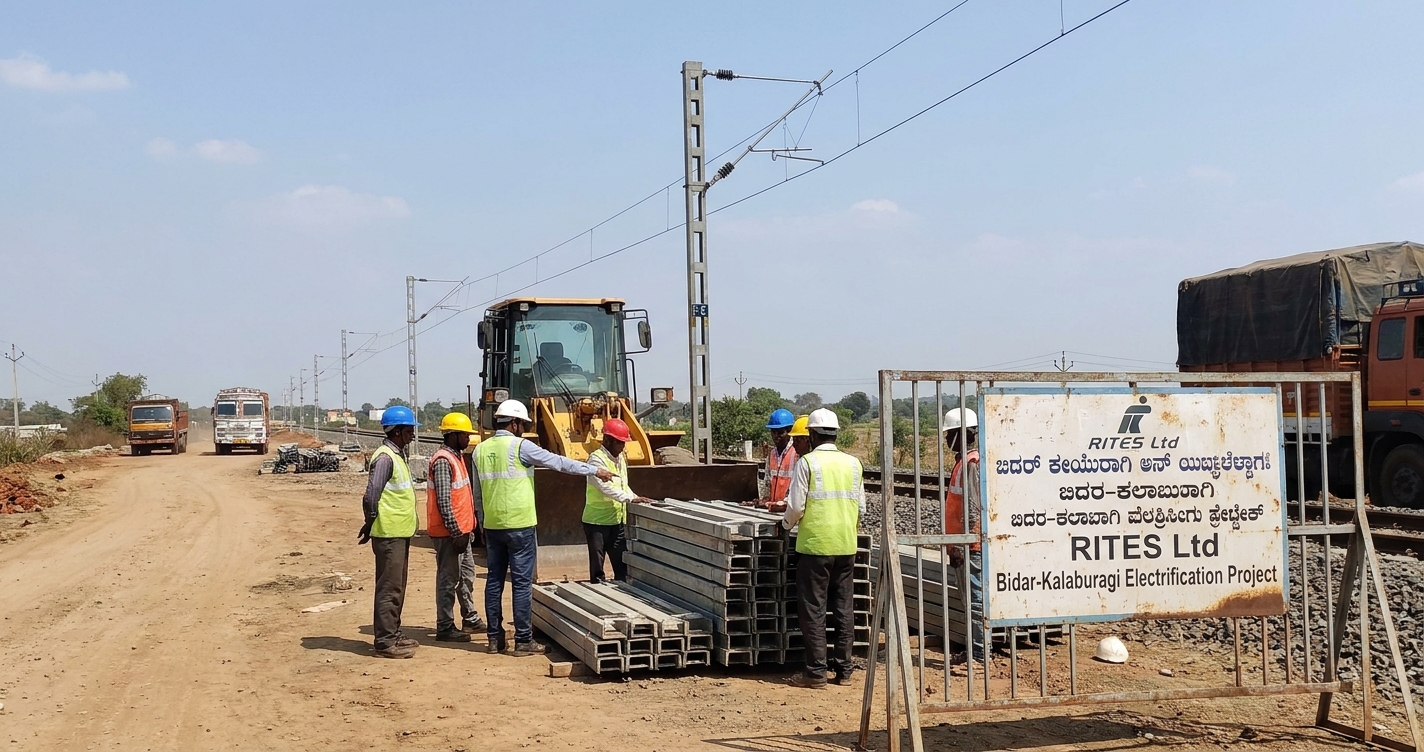
RITES' 58% repricing of the Bidar–Kalaburagi electrification mandate shows how cost-plus turnkey contracting shifts escalation risk from consultant to
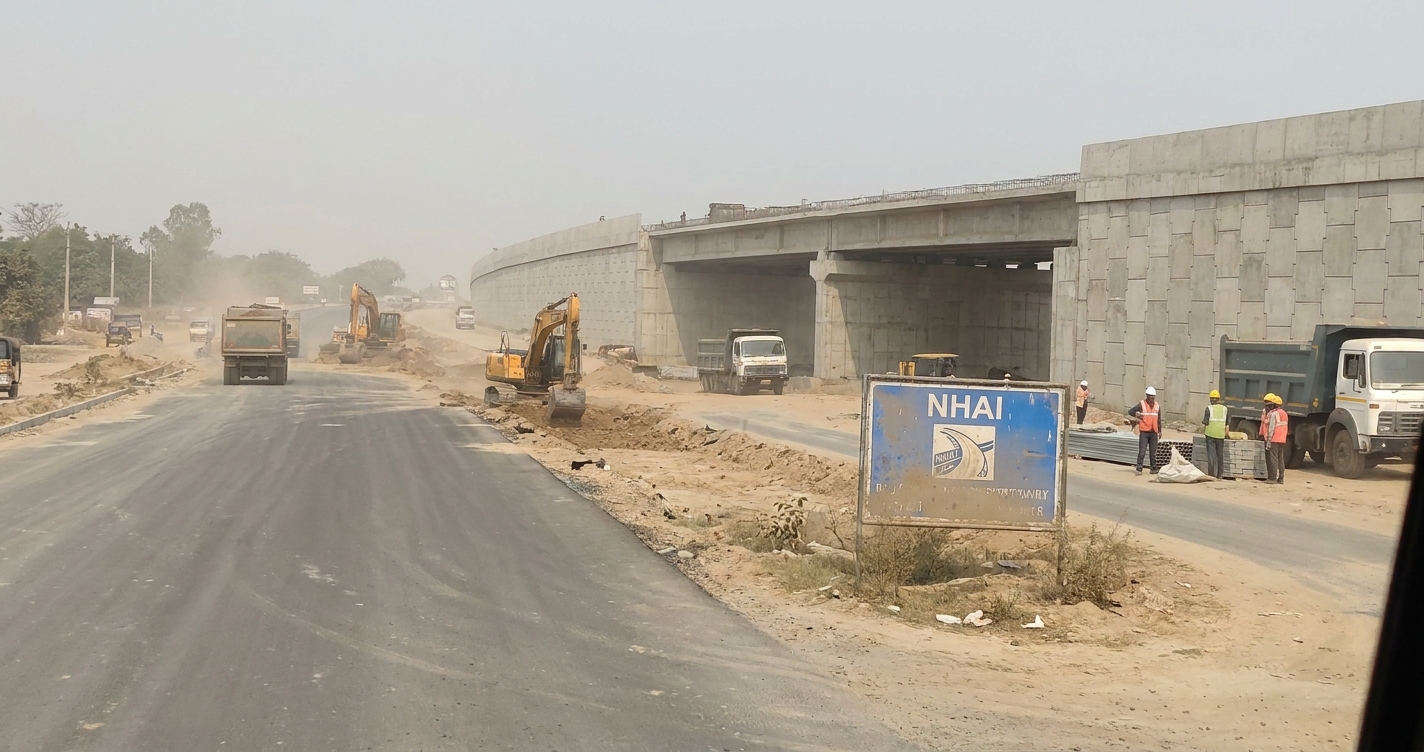
NHAI's 21 September 2026 design guidelines lock uniform 60-70m right-of-way and structure standards for 4-lane and 6-lane high-speed corridors, reshap


Powered by

© Tuskus 2025 - All Rights Reserved by Teamic Creative Lab Pvt. Ltd.
