The death of labourer Biram Mogiya under a Gadganga River bridge exposes how India's low-value municipal works orders - like the plank-installation jo


insghits
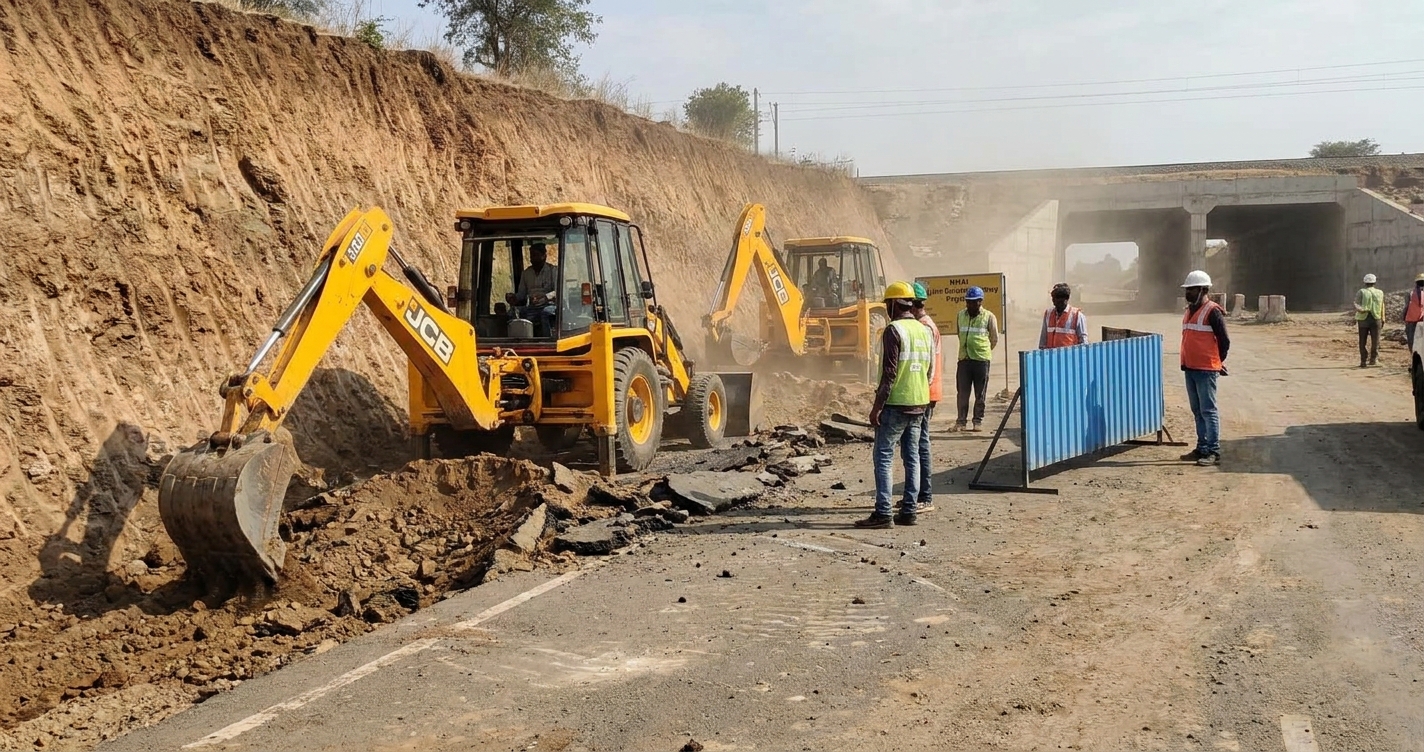
The second settlement event in seven months on the ₹2,600-crore Ujjain-Garoth Highway has pushed the National Highways Authority of India (NHAI) into a hard call: order the demolition and reconstruction of a 500-metre, 17-metre-high section between the Dewas Road bridge and an under-construction railway culvert before the corridor is handed over.
NHAI's Ujjain Project Director, Shivam Sharma, has set a 31 March target for traffic resumption.
GHV Construction has already mobilised two JCB excavators and begun cutting into the pavement.
The contractor's senior engineer, Amit Rai, disputes the "sank" framing, attributing the demolition to a technical issue flagged by a third-party review.
That distinction is commercially material.
Settlement on a 17-metre-high embankment points to geotechnical failure, including:
- Poor fill compaction
- Inadequate ground improvement
- Drainage defects
A diffuse "technical issue" keeps defect liability ambiguous.
The real signal here is not the 500 metres.
NHAI is extracting rectification before handover and placing the full cost on the contractor.
Rebuilding a high embankment on this scale carries earthwork, pavement and structural costs that can erase the margin on the affected package, reset the defect liability clock, and delay operational commencement, and with it revenue or tolling start under any concession or annuity structure.
For the broader market, high-embankment corridors remain a recurring failure zone in Indian highway delivery.
The episode is a pricing reminder: contractors bidding high-fill alignments must cost geotechnical risk and third-party inspection exposure explicitly, while NHAI demonstrates it will enforce quality at the contractor's expense before it assumes maintenance liability.
GHV Construction carries the execution and reputational risk; NHAI secures a corrected asset at no public cost.
Insights
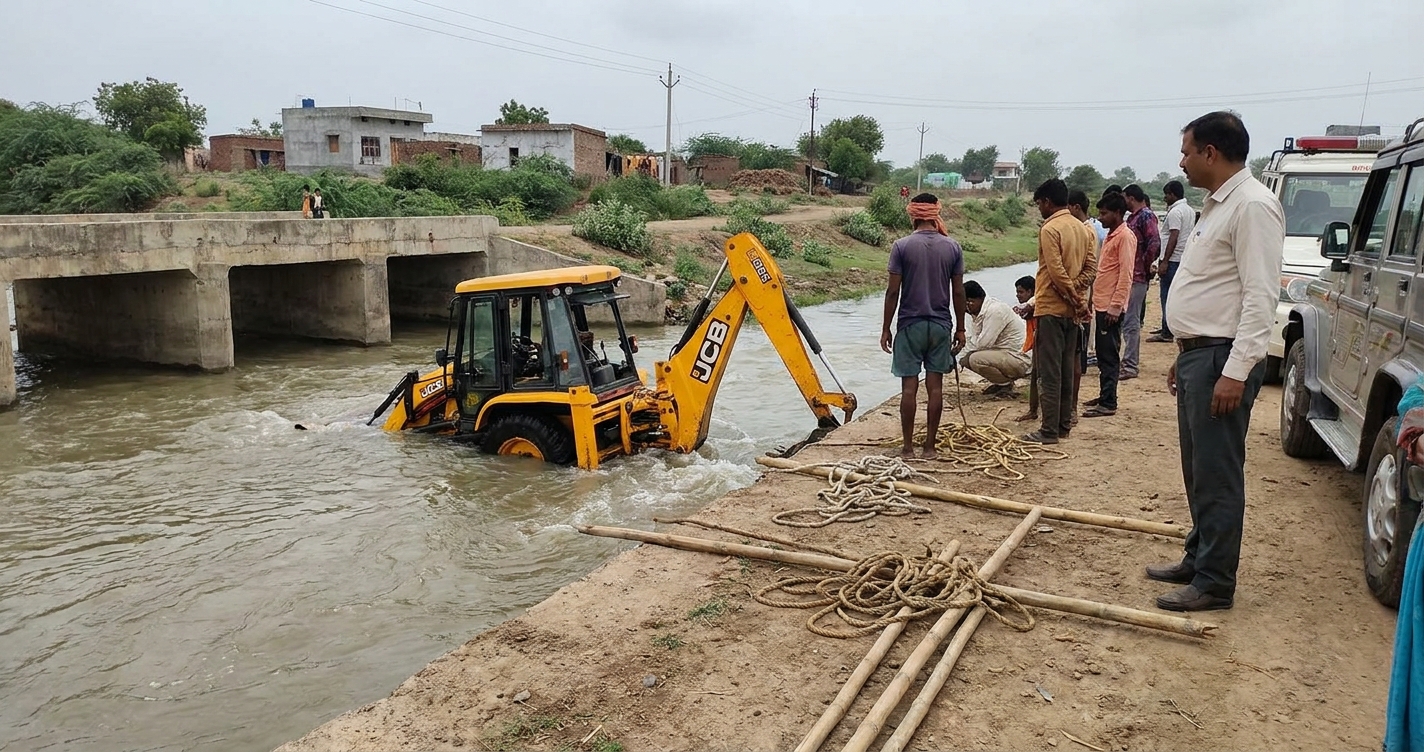
The death of labourer Biram Mogiya under a Gadganga River bridge exposes how India's low-value municipal works orders - like the plank-installation jo
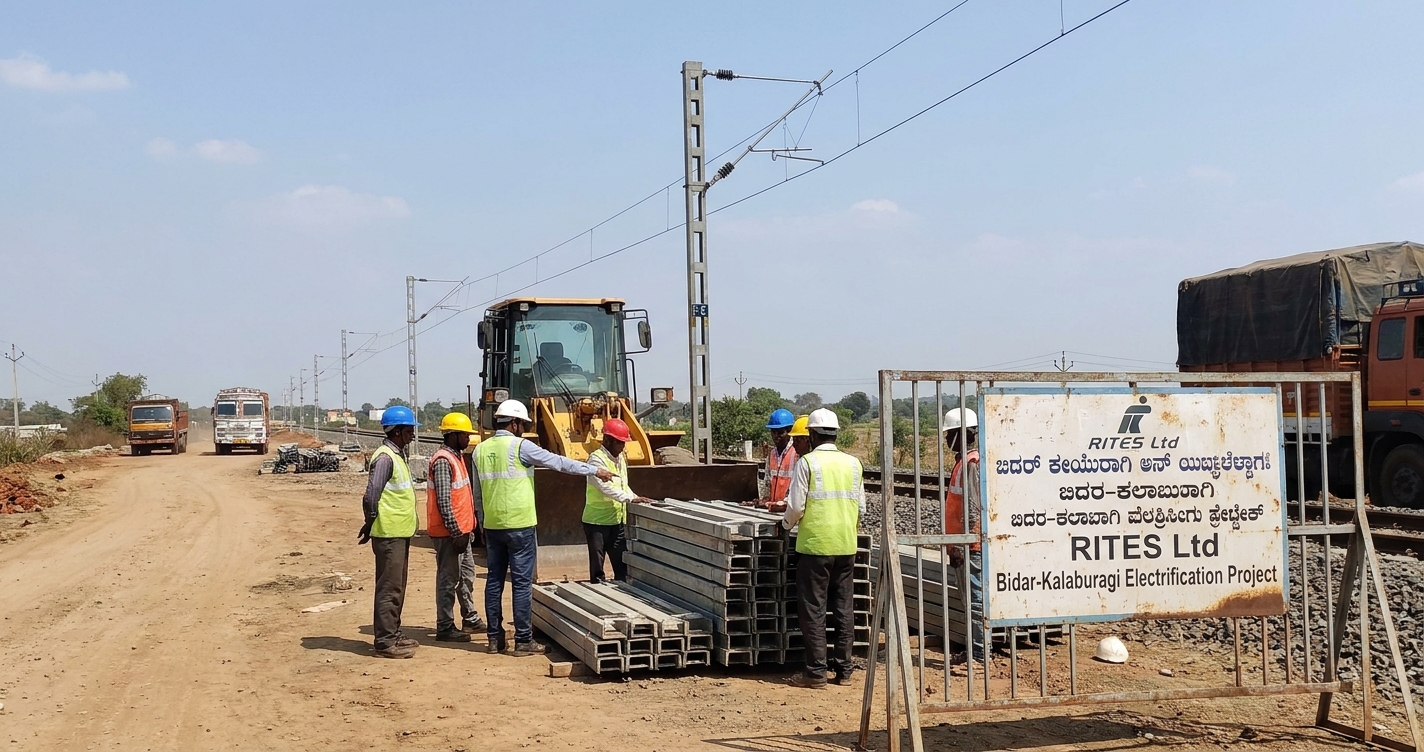
RITES' 58% repricing of the Bidar–Kalaburagi electrification mandate shows how cost-plus turnkey contracting shifts escalation risk from consultant to
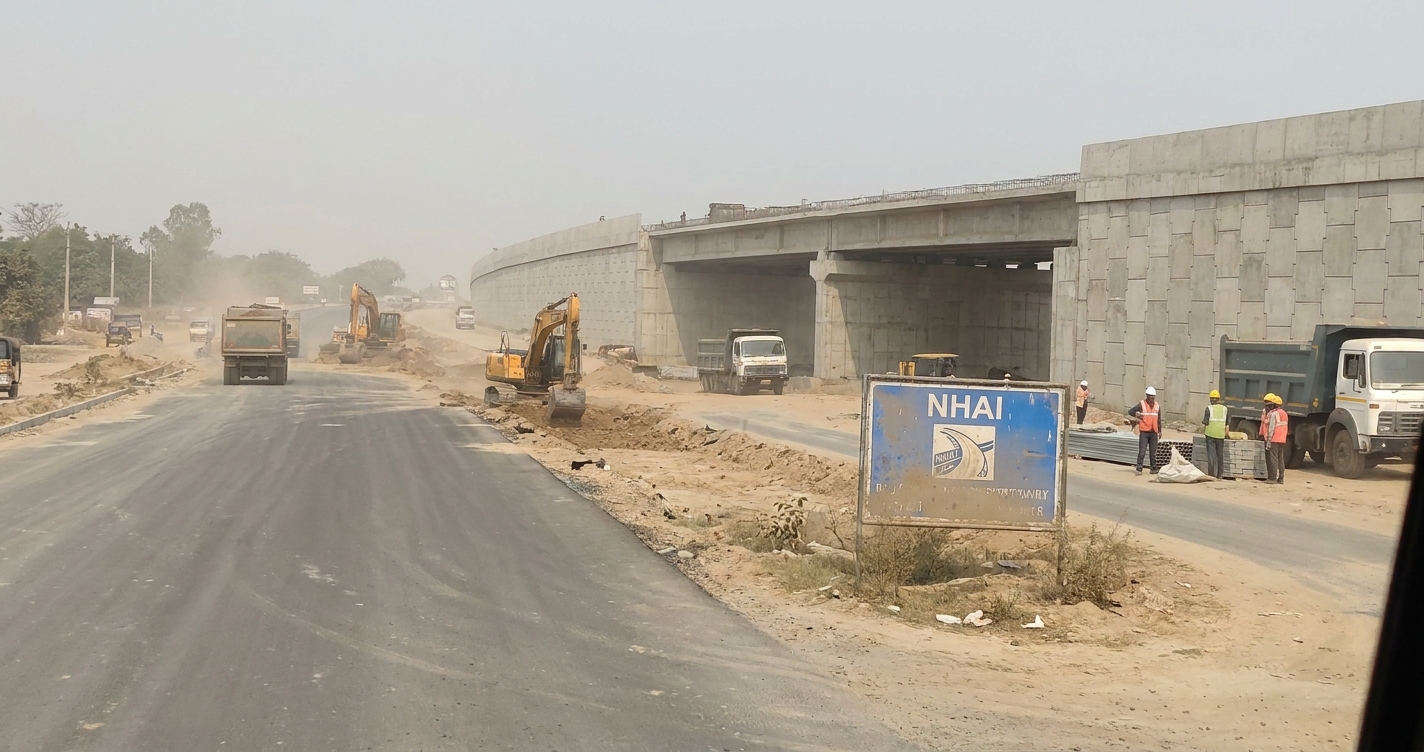
NHAI's 21 September 2026 design guidelines lock uniform 60-70m right-of-way and structure standards for 4-lane and 6-lane high-speed corridors, reshap


Powered by

© Tuskus 2025 - All Rights Reserved by Teamic Creative Lab Pvt. Ltd.
