The death of labourer Biram Mogiya under a Gadganga River bridge exposes how India's low-value municipal works orders - like the plank-installation jo


insghits
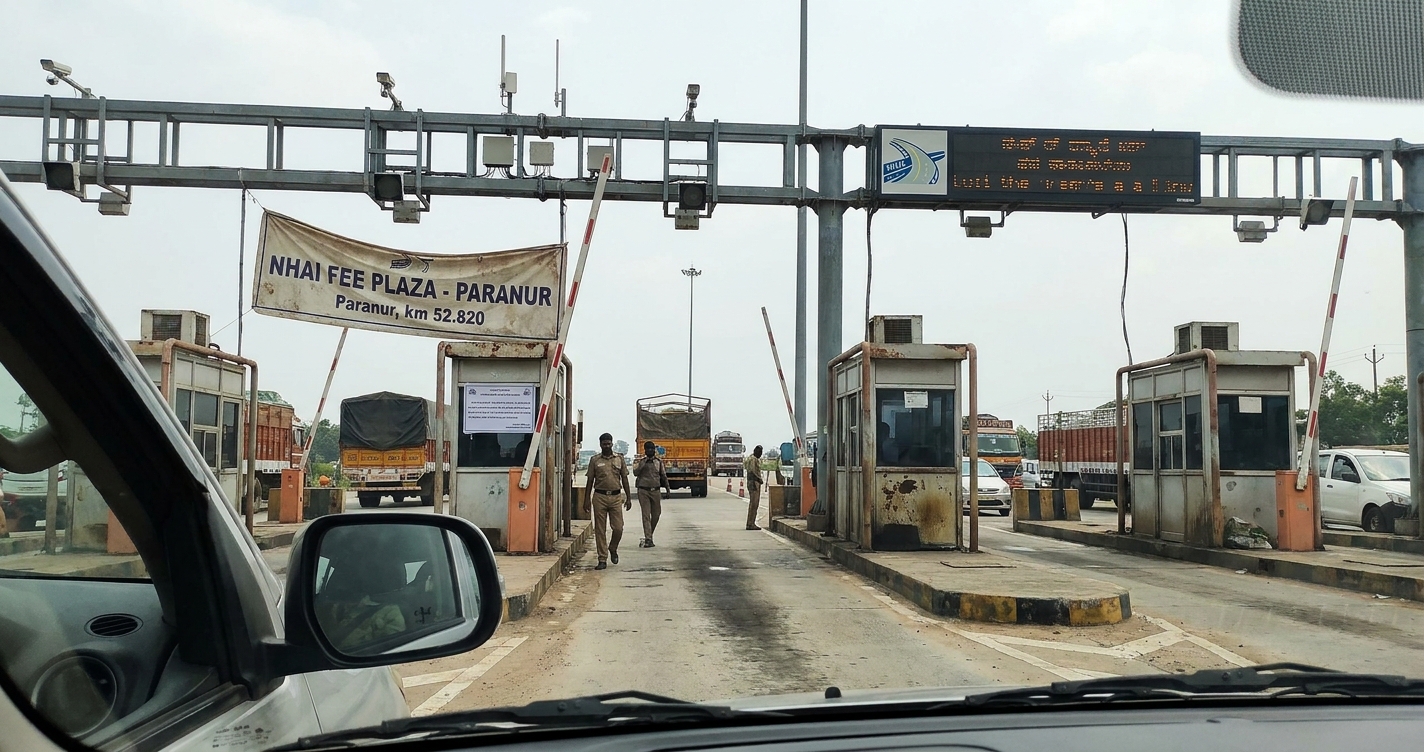
NHAI's withdrawal of Hazoor Multi Projects' Letter of Acceptance for the Paranur Fee Plaza is not a routine cancellation. It is a six-day signal — the LOA was issued on 25 August 2026 and pulled back on 31 August 2026 — that manual toll collection is being structurally phased out faster than NHAI's own award pipeline can adjust.
The sequence is the story.
1. On 25 August 2026, Hazoor Multi Projects secured user fee collection at km 52.820.
2. On 26 August 2026, the company wrote to NHAI seeking clarification.
3. By 31 August 2026, the competent authority had withdrawn the LOA, citing IHMCL's confirmation that Multi-Lane Free Flow (MLFF) tolling would go live at the plaza by 15 September 2026.
Commercially, the contract's shelf life was shorter than its award-to-mobilisation cycle. That is the core execution problem: NHAI's contracting vertical issued an acceptance for a barrier-based fee collection service while its technology arm, IHMCL, was weeks away from eliminating the need for that service.
For Hazoor Multi Projects, the immediate financial impact is muted — the filing states none — but the strategic exposure is real. The company holds a growing NHAI toll portfolio, including a Rs 442.3 million toll contract announced in March 2026 and a Rs 243.3 million work order in August 2026.
If MLFF conversion accelerates across its other plazas, recurring fee-collection revenue becomes stranded order book — not due to performance, but because the asset class itself is disappearing.
The wider signal for contractors: user fee agency contracts are now time-boxed. Bid costs, bank guarantees, and mobilisation planning are being incurred against an asset category with a known expiry date.
Award letters now carry an unstated condition — obsolescence risk driven by the MLFF rollout calendar.
NHAI's intent is defensible: MLFF removes plazas, cuts leakage, and enables barrier-free travel. But the withdrawal exposes a coordination gap between NHAI's procurement process and IHMCL's technology deployment schedule. The authority awarded a contract it had to unwind in six days.
For a listed contractor, that translates into exchange disclosures, bid-cost write-offs, and a strategic re-evaluation of toll collection as a business line.
The opportunity shifts to MLFF integrators, GNSS-based tolling vendors, and enforcement infrastructure — the supply chain replacing the booth operator. The risk consolidates in the traditional toll collection segment.
Hazoor Multi Projects is now the visible case study for that transition.
Insights
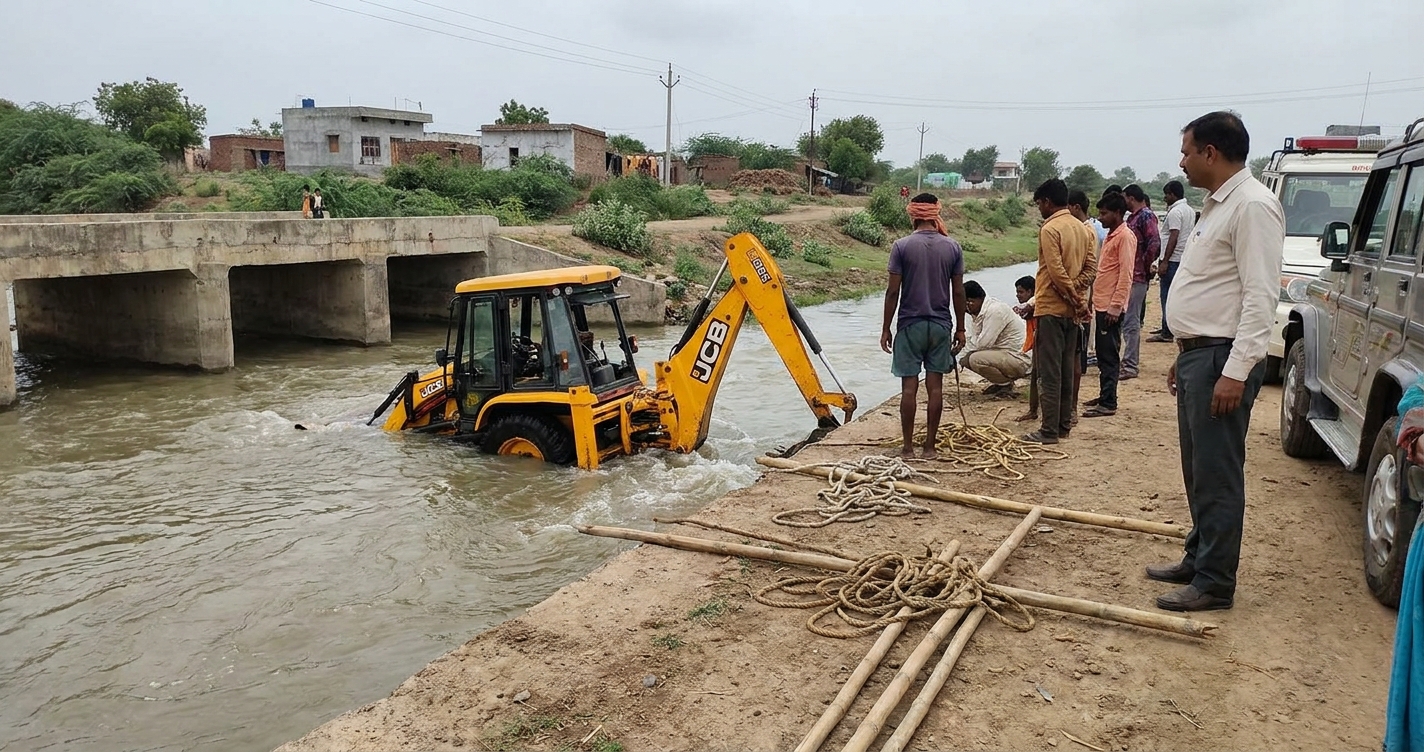
The death of labourer Biram Mogiya under a Gadganga River bridge exposes how India's low-value municipal works orders - like the plank-installation jo
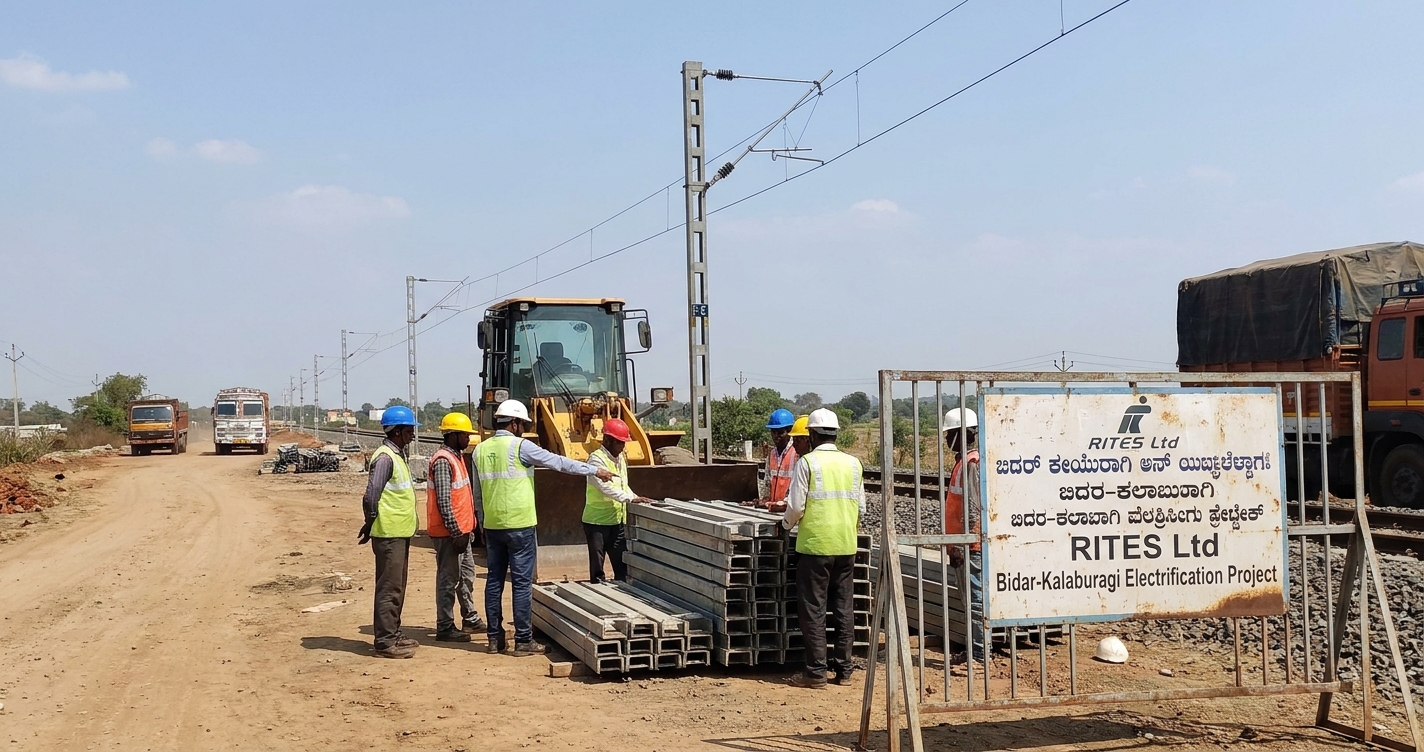
RITES' 58% repricing of the Bidar–Kalaburagi electrification mandate shows how cost-plus turnkey contracting shifts escalation risk from consultant to
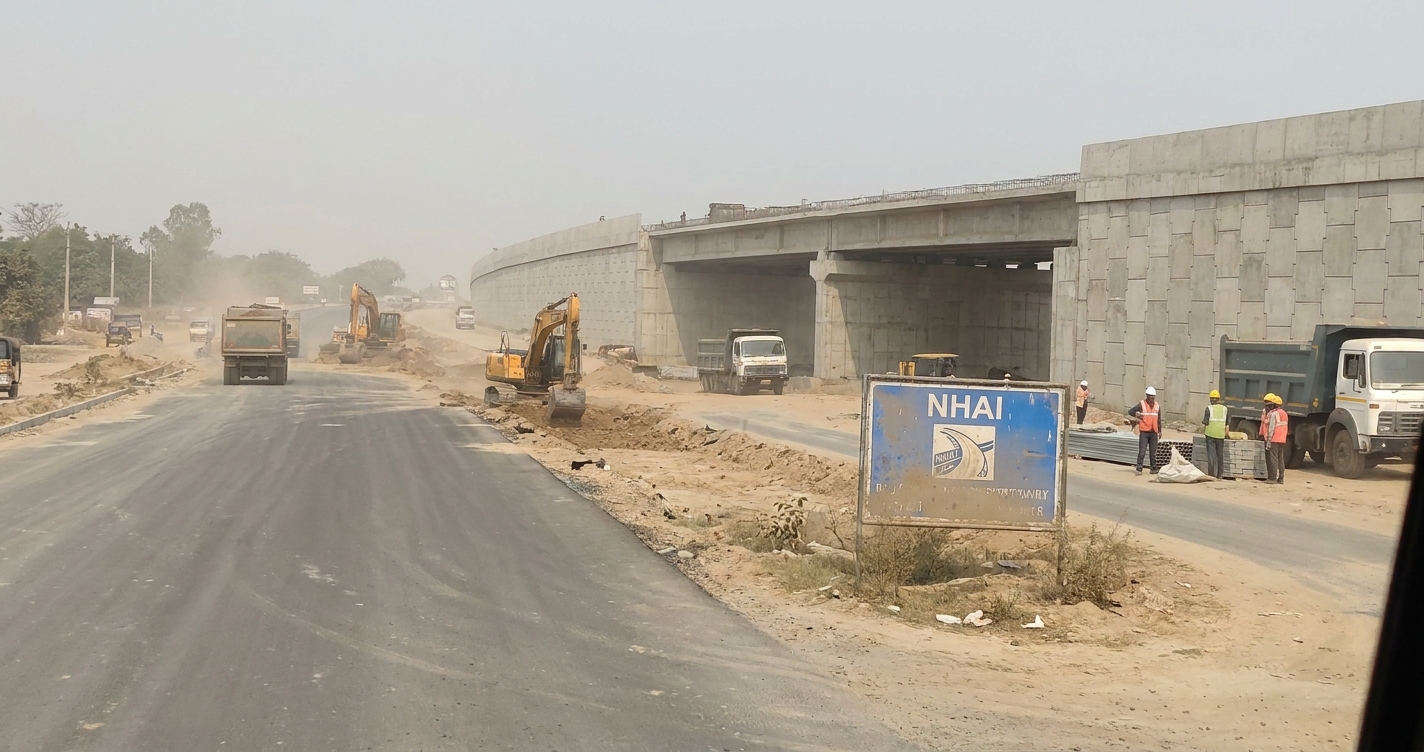
NHAI's 21 September 2026 design guidelines lock uniform 60-70m right-of-way and structure standards for 4-lane and 6-lane high-speed corridors, reshap


Powered by

© Tuskus 2025 - All Rights Reserved by Teamic Creative Lab Pvt. Ltd.
