The death of labourer Biram Mogiya under a Gadganga River bridge exposes how India's low-value municipal works orders - like the plank-installation jo


insghits
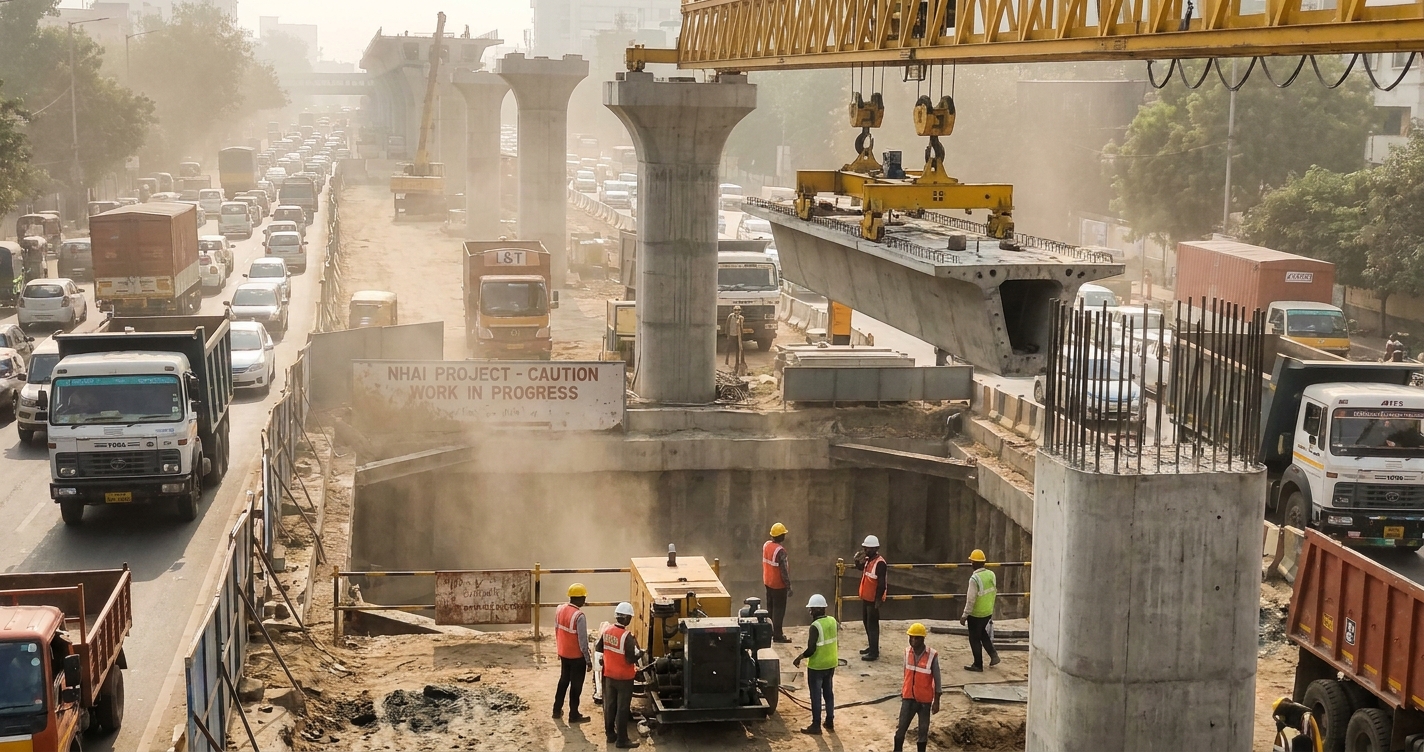
In Construction World, construction law practitioner Ronak Desai dissects one of the most consequential clauses in Indian infrastructure contracting: the No Damage for Delay provision.
Employers — NHAI, public-sector undertakings and state metro corporations — routinely insert it to cap a contractor's remedy at an extension of time (EOT), barring claims for extended overheads, idling costs and lost profit.
For EPC contractors such as L&T, Afcons Infrastructure, Hindustan Construction Company and G R Infraprojects, the clause converts a schedule slip into an unrecoverable working-capital event.
Indian courts have largely upheld these clauses. In Ramnath International Construction v. Union of India (2007), the Supreme Court held a no-damage-for-delay provision valid and outside the mischief of Sections 23 and 28 of the Indian Contract Act, 1872, provided it is clear and unambiguous.
Arbitration tribunals have followed, treating the clause as a contractual allocation of delay risk. That gives employers a strong shield — but not an absolute one.
The shield cracks where the employer itself causes the delay. Tribunals and courts apply the prevention principle and construe exclusion clauses strictly (contra proferentem): a clause silent on employer-caused delay, suspension of work or scope variation will not automatically extinguish claims.
A 'no claim' clause that purports to bar all remedies can also collide with Section 28, which voids agreements in restraint of legal proceedings.
The distinction between "no damage for delay" (enforceable) and "no claim at all" (vulnerable) is where disputes now concentrate.
The commercial consequence is asymmetric. Through prolonged timelines, contractors continue to pay:
- Site overheads
- Plant idling costs
- Labour retention
- Financing charges
Yet they recover only time.
At bid stage this is not a drafting technicality; it is a margin and cash-flow decision. Contracting teams that price delay risk without testing the clause's carve-outs are effectively underwriting the employer's prolongation cost.
The real signal is procedural. As EPC order books in highways, metro and energy expand, employers will keep the clause while contractors invest in forensic delay analysis, contemporaneous records and tighter EOT claims — even where money is barred, because the EOT becomes the gateway to overhead recovery and prolongation-cost defences.
The clause is not disappearing; the fight is moving into drafting, carve-outs and evidence.
Insights
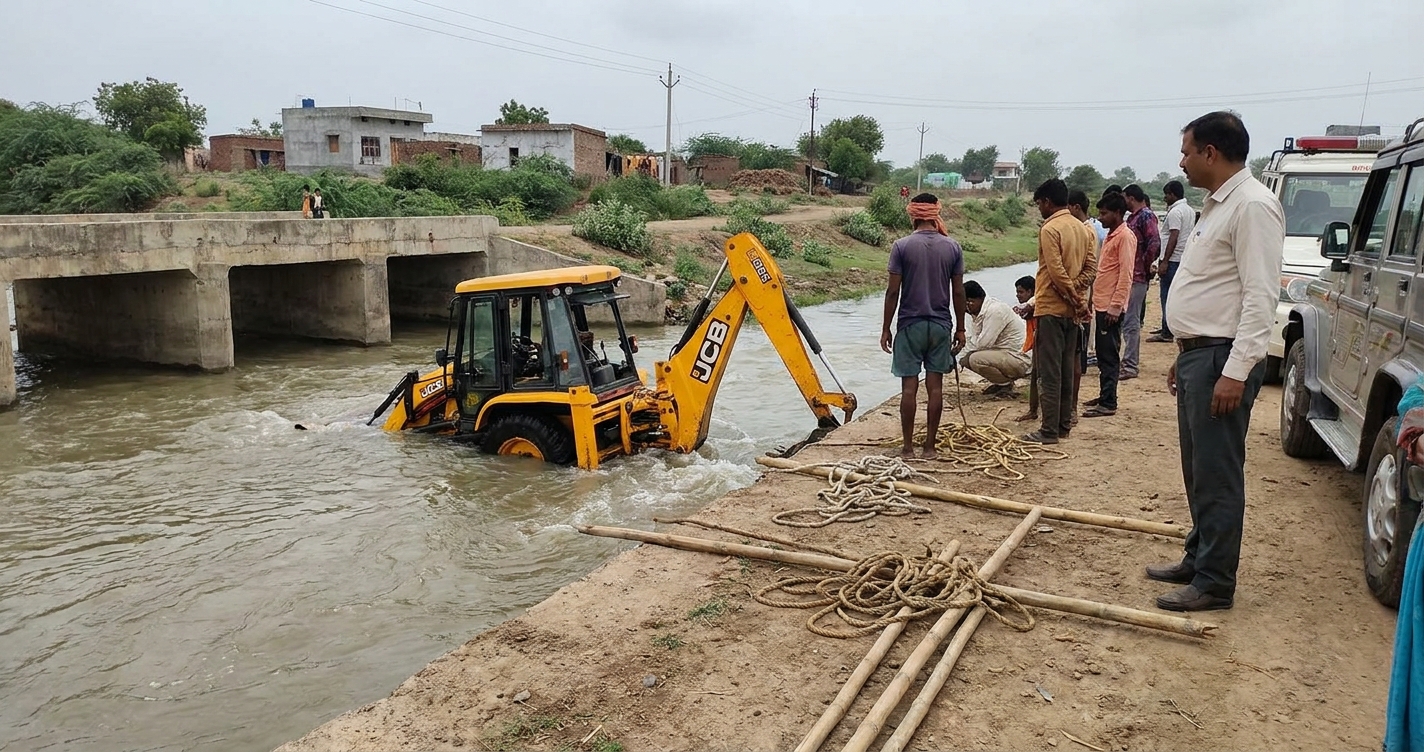
The death of labourer Biram Mogiya under a Gadganga River bridge exposes how India's low-value municipal works orders - like the plank-installation jo
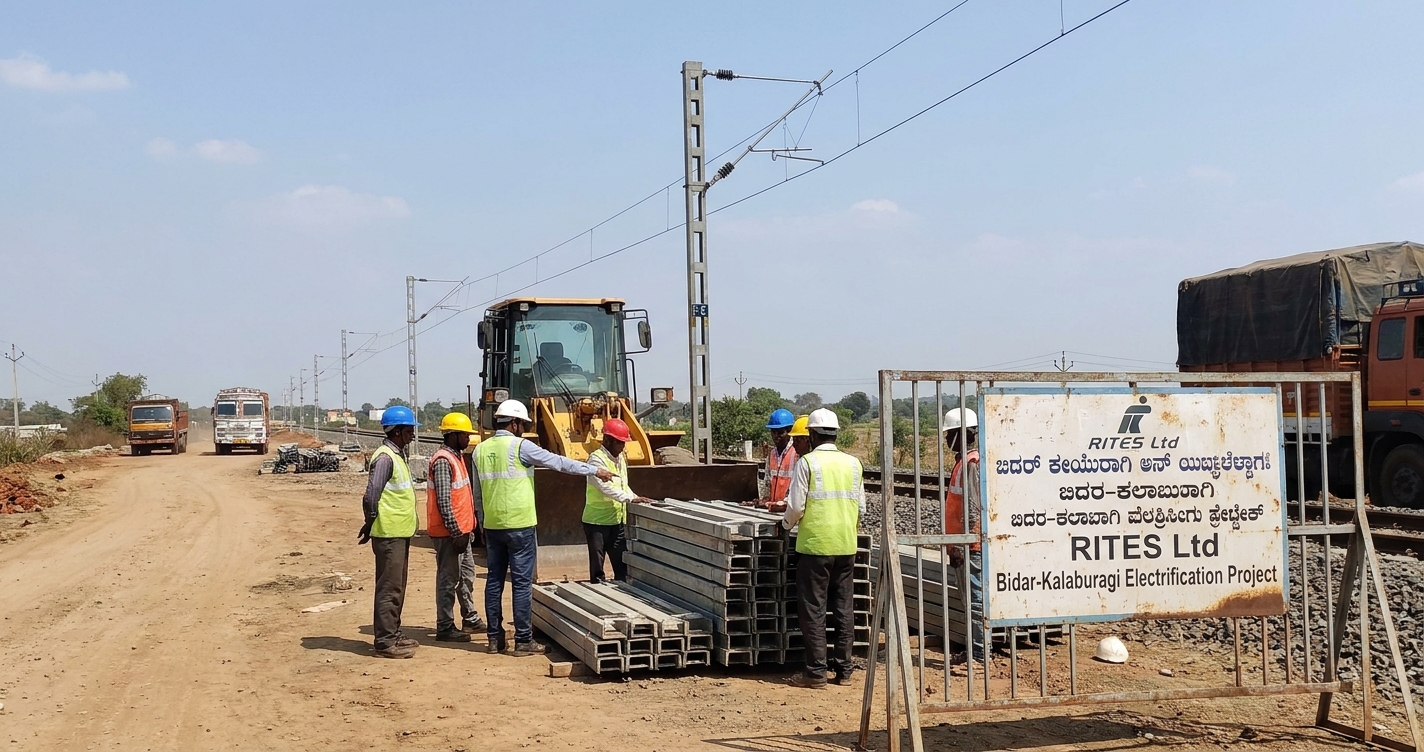
RITES' 58% repricing of the Bidar–Kalaburagi electrification mandate shows how cost-plus turnkey contracting shifts escalation risk from consultant to
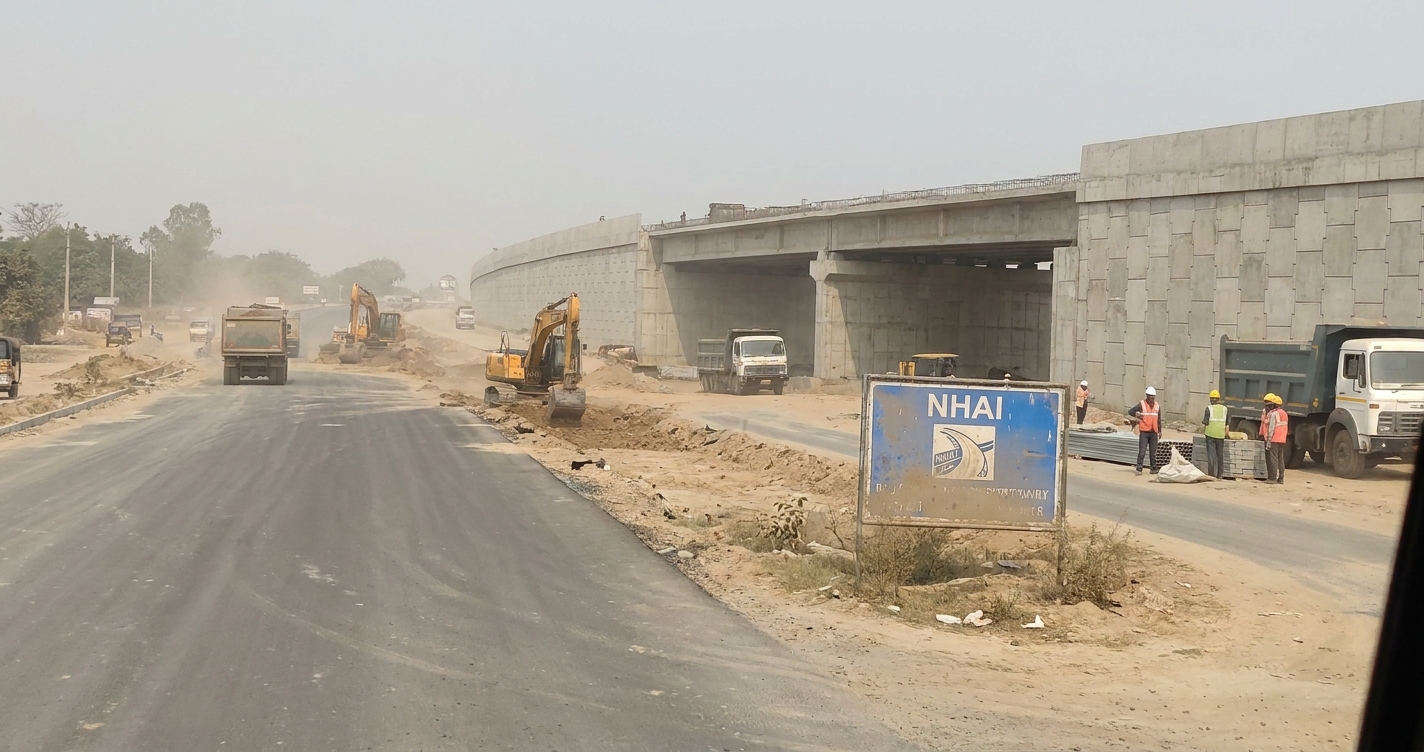
NHAI's 21 September 2026 design guidelines lock uniform 60-70m right-of-way and structure standards for 4-lane and 6-lane high-speed corridors, reshap


Powered by

© Tuskus 2025 - All Rights Reserved by Teamic Creative Lab Pvt. Ltd.
