The death of labourer Biram Mogiya under a Gadganga River bridge exposes how India's low-value municipal works orders - like the plank-installation jo


insghits
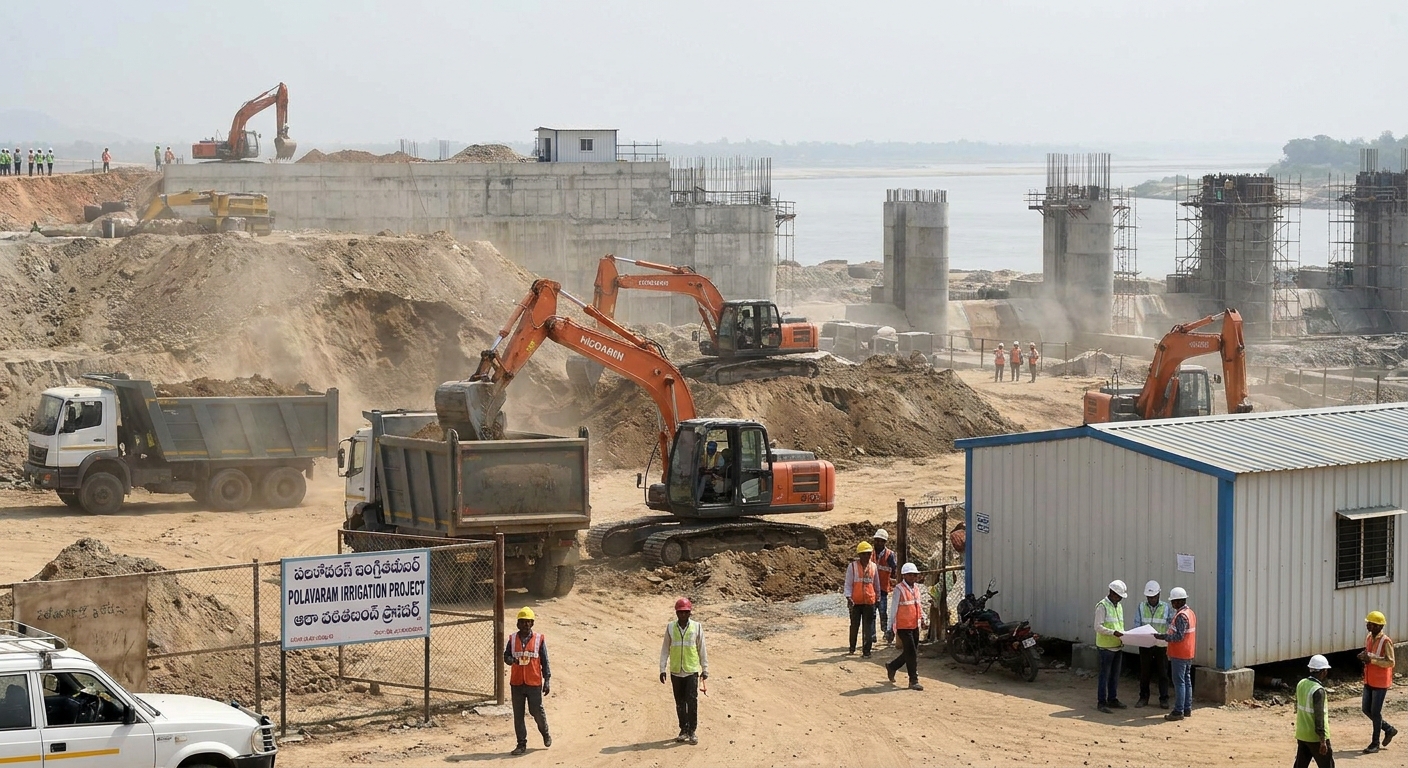
Congress leader Shaik Mastan Vali’s demand for a sitting High Court judge to investigate Polavaram Irrigation Project tenders converts a long-running execution problem into a live procurement and fund-flow risk for the Government of Andhra Pradesh, the Union Ministry of Jal Shakti, and principal headworks contractor Megha Engineering & Infrastructures Ltd (MEIL).
The arithmetic is the first warning. Vali placed the original Congress-era estimate at Rs 23,291 crore against a current cost exceeding Rs 62,000 crore — a near 2.7x escalation.
Even allowing for scope revisions and expanded Rehabilitation and Resettlement obligations, that trajectory signals weak baseline cost control across successive administrations, and it collides with the Centre’s August 2026 clearance of a Rs 30,436 crore revised Phase-I cost.
The sharper execution signal sits in R&R. Vali stated the following figures:
- Only 11% of allocated R&R funds have been spent
- 1,06,006 affected households
- 56,504 tribal families
- 7,180 Scheduled Caste families
- 373 habitations
- Roughly Rs 7,000 crore in dues pending
For MEIL and package-level contractors, this is the binding constraint. Land and R&R clearance is the critical path for dam and canal completion, and under-executed R&R converts directly into idle mobilisation, extended site overheads and schedule slippage.
Procurement governance is now the contested terrain. The demand for full disclosure of mobilisation advances, excess payments and recoveries — alongside the allegation that penalty clauses were not invoked against delayed contractors — puts contract administration under scrutiny.
If a judicial probe materialises, contractors holding outstanding advances and receivables face clawback and recovery risk, while the non-enforcement of liquidated damages suggests delay has been effectively decoupled from commercial consequence, weakening delivery incentives across the programme.
The industry signal: mega water-infrastructure awards are shifting from an engineering problem to an audit-and-accountability problem. Capital deployed — central funds, mobilisation advances and R&R allocations — is not converting into completed scope.
That mismatch, not technical capability, is now the dominant risk for the Andhra Pradesh government, its contractors and the Centre’s cost-sharing position.
Insights
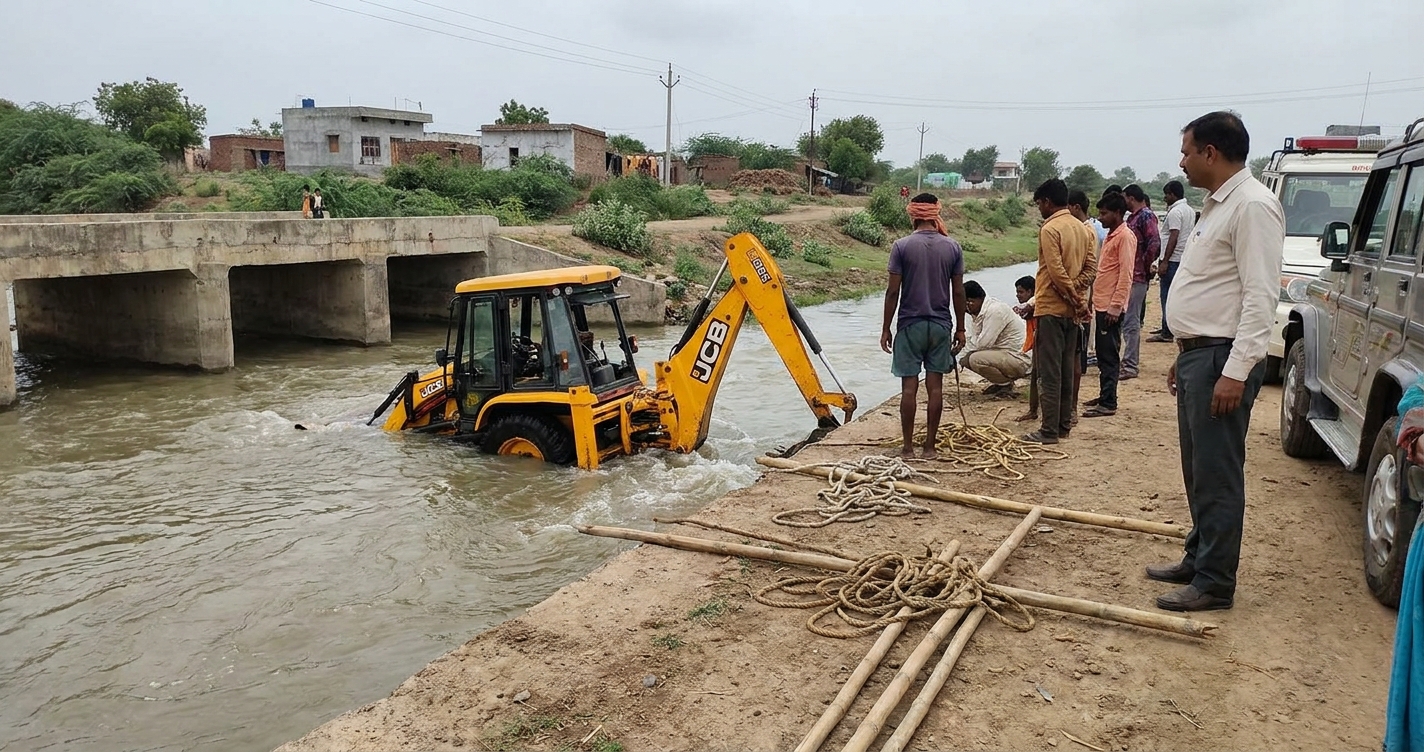
The death of labourer Biram Mogiya under a Gadganga River bridge exposes how India's low-value municipal works orders - like the plank-installation jo
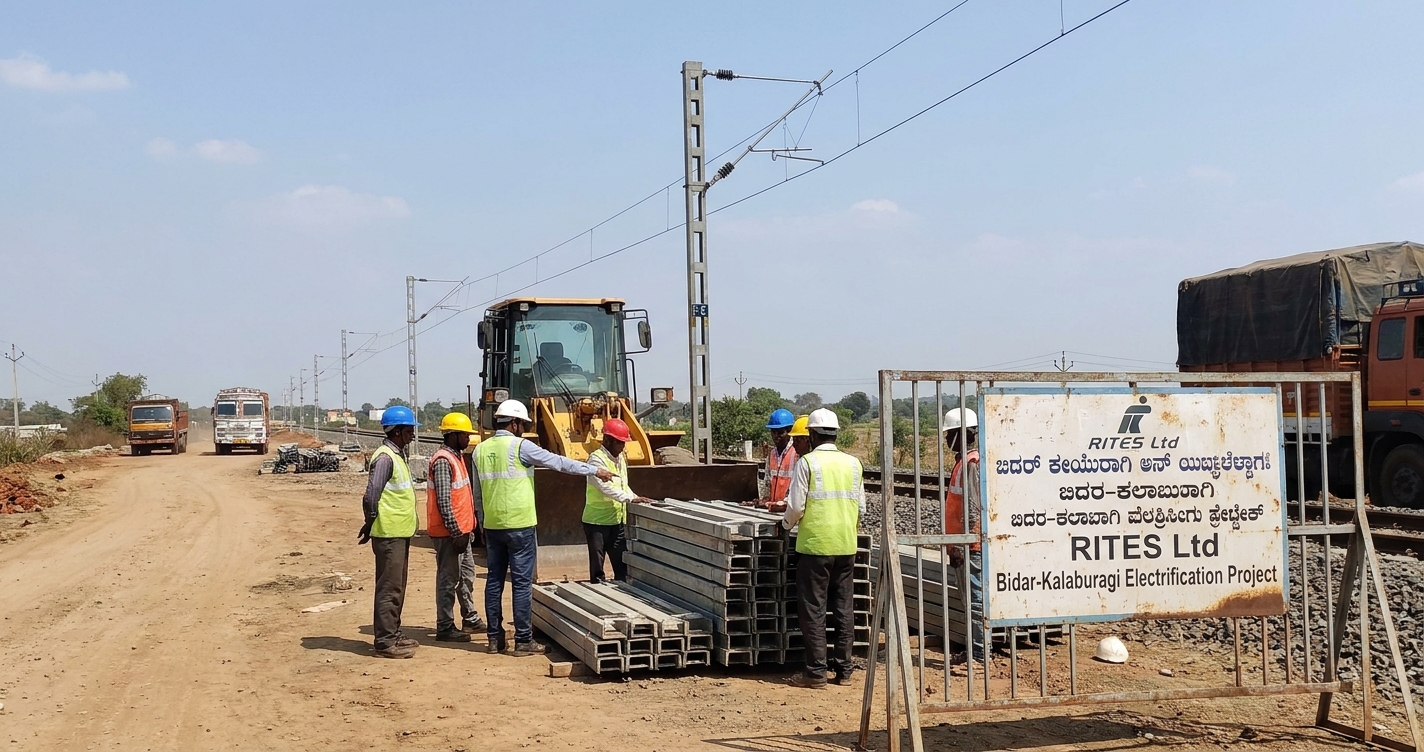
RITES' 58% repricing of the Bidar–Kalaburagi electrification mandate shows how cost-plus turnkey contracting shifts escalation risk from consultant to
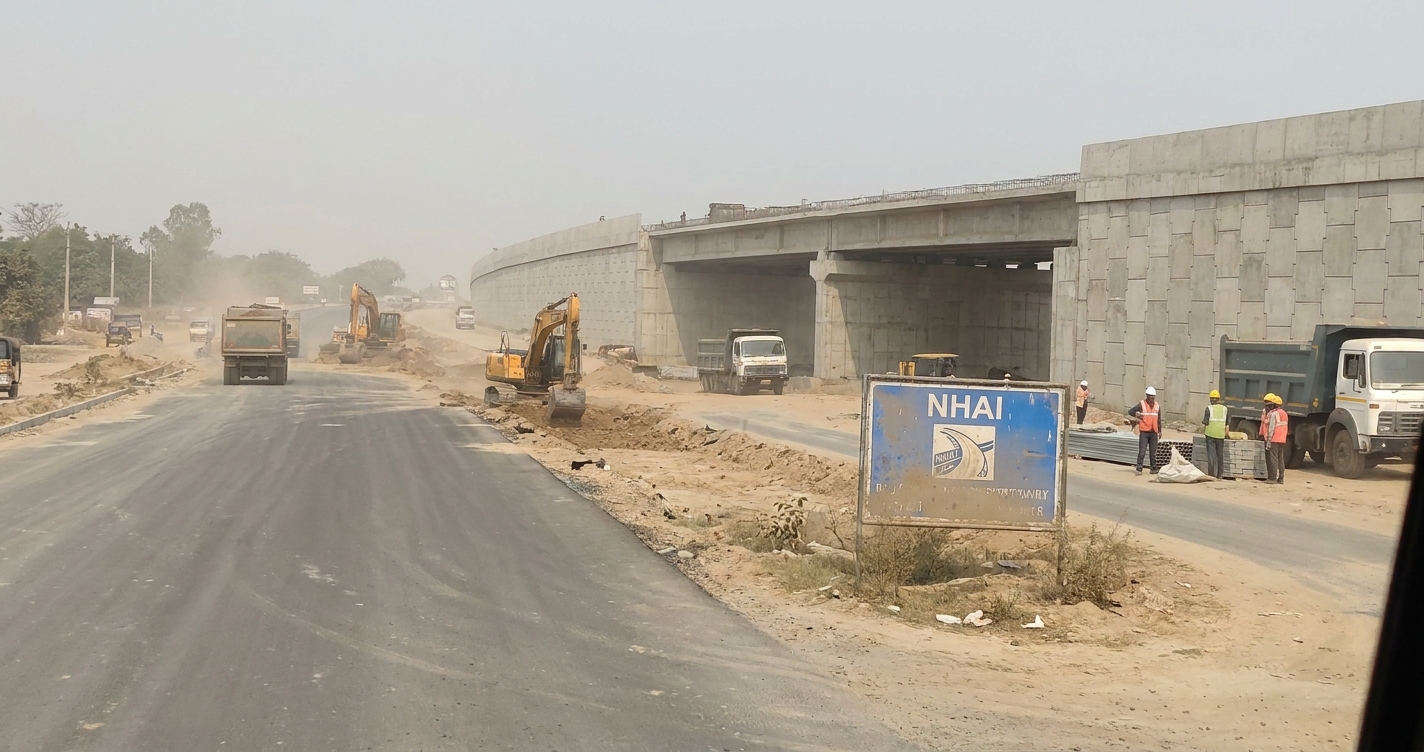
NHAI's 21 September 2026 design guidelines lock uniform 60-70m right-of-way and structure standards for 4-lane and 6-lane high-speed corridors, reshap


Powered by

© Tuskus 2025 - All Rights Reserved by Teamic Creative Lab Pvt. Ltd.
