Gurugram Metro Rail Limited has locked the alignment and access gates for the Subhash Chowk Metro station, but both entrances sit in a stretch that fl


insghits
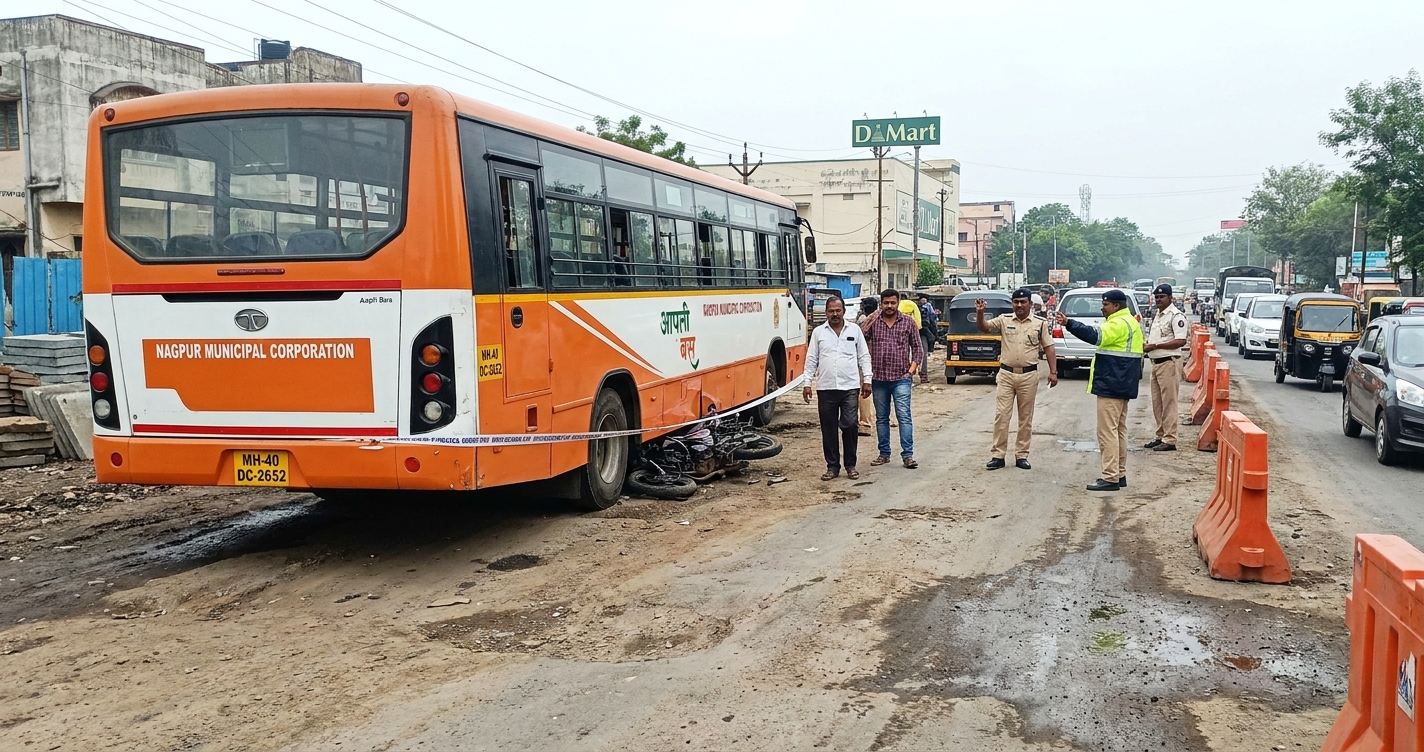
A 28-year-old rider died under an Aapli Bus on Kamptee Road near Automotive Chowk in Nagpur.
The accident occurred on a corridor where one carriageway is closed for the Rs 185-crore concretisation project between RBI Square and Automotive Square. The executing agency is the Maharashtra Public Works Department (PWD).
The bus, an NMC city bus MH-40 DC-2652, is operated by EKA under the Nagpur Municipal Corporation's city transit network. The two entities that matter most here are PWD and NMC, because the accident sits exactly at the interface where the executing authority and the transit operator hand off responsibility for a live traffic corridor.
PWD has rejected any suggestion that poor road condition caused the fall.
Kapil Nagar police have registered a case against the driver, Jeetlal Neware, and say the cause of the fall remains under investigation.
The preliminary NMC report points to an uneven surface near DMart.
That divergence is the real story: on a two-way diversion compressed onto a single carriageway, no party currently owns temporary traffic management (TTM) as a distinct, measurable deliverable.
For contractors and authorities, the liability signal is structural.
Urban road concretisation is being procured as a pavement-quality job, not as a corridor-safety job. When one carriageway closes, two-way traffic, bus stops and rider movement are pushed onto a reduced footprint, yet TTM is treated as incidental site overhead rather than a priced, audited work item.
The Rs 185-crore scale suggests the contract is weighted toward concrete and drainage, with safety integration left to site-level improvisation.
The outcome is a fatality sitting in a grey zone: the driver is booked, the executing agency defends pavement quality, and the operator absorbs operational risk.
The exposure is unevenly distributed:
- NMC carries the public and operational exposure as the transit owner.
- EKA, as the fleet operator, holds driver liability and service disruption risk.
- PWD holds the construction corridor and the reputational exposure of an arterial job.
Cement and concrete supply chains benefit from the rigid-pavement push, but only if the programme is not derailed by safety incidents.
The deeper industry signal: Nagpur's concretisation wave is moving faster than its traffic-management contracting practice.
Unless TTM, diversion design and inter-agency liability are priced and allocated as explicit contract items, with named ownership across PWD, NMC and the fleet operator, arterial upgrades will keep converting live corridors into uninsured operational risk.
The police case against the driver is the first visible cost transfer; it will not be the last.
Insights
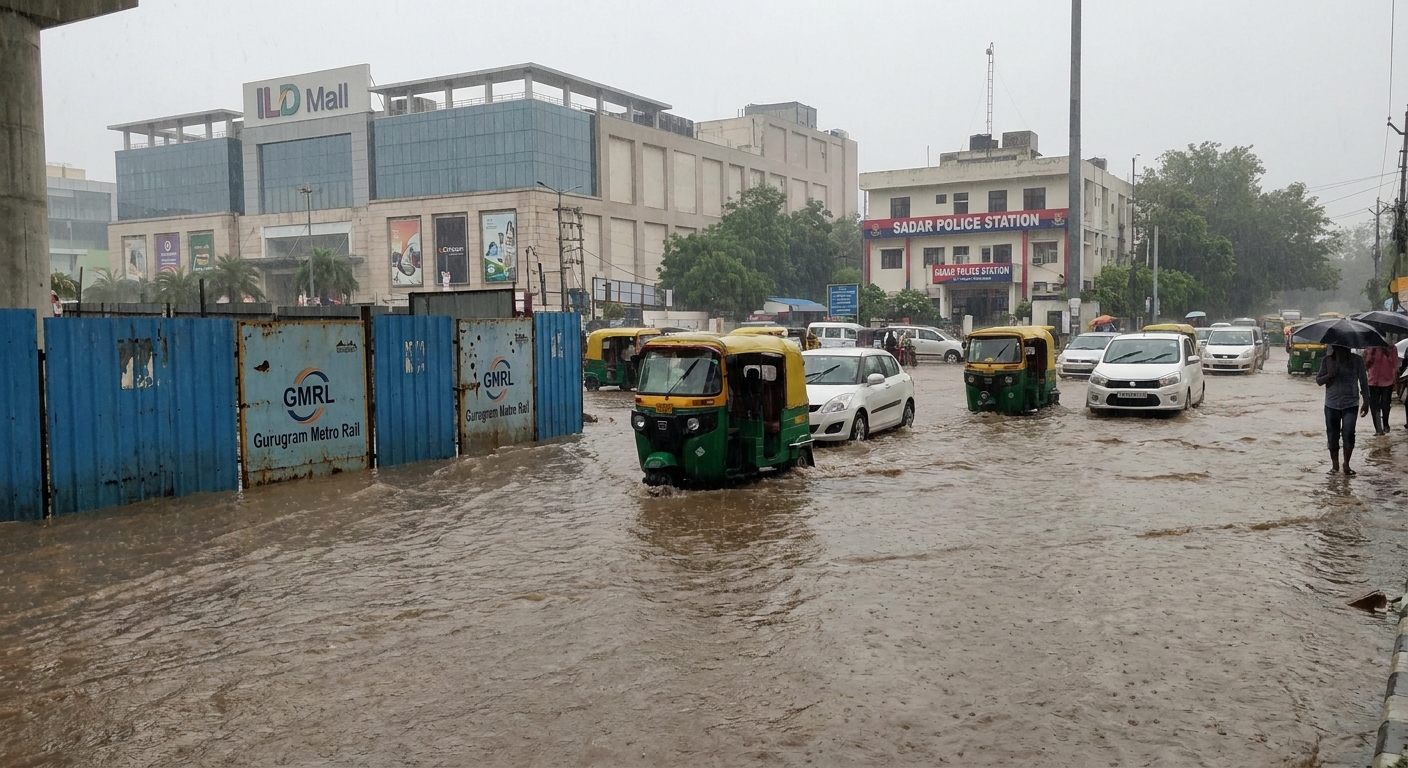
Gurugram Metro Rail Limited has locked the alignment and access gates for the Subhash Chowk Metro station, but both entrances sit in a stretch that fl
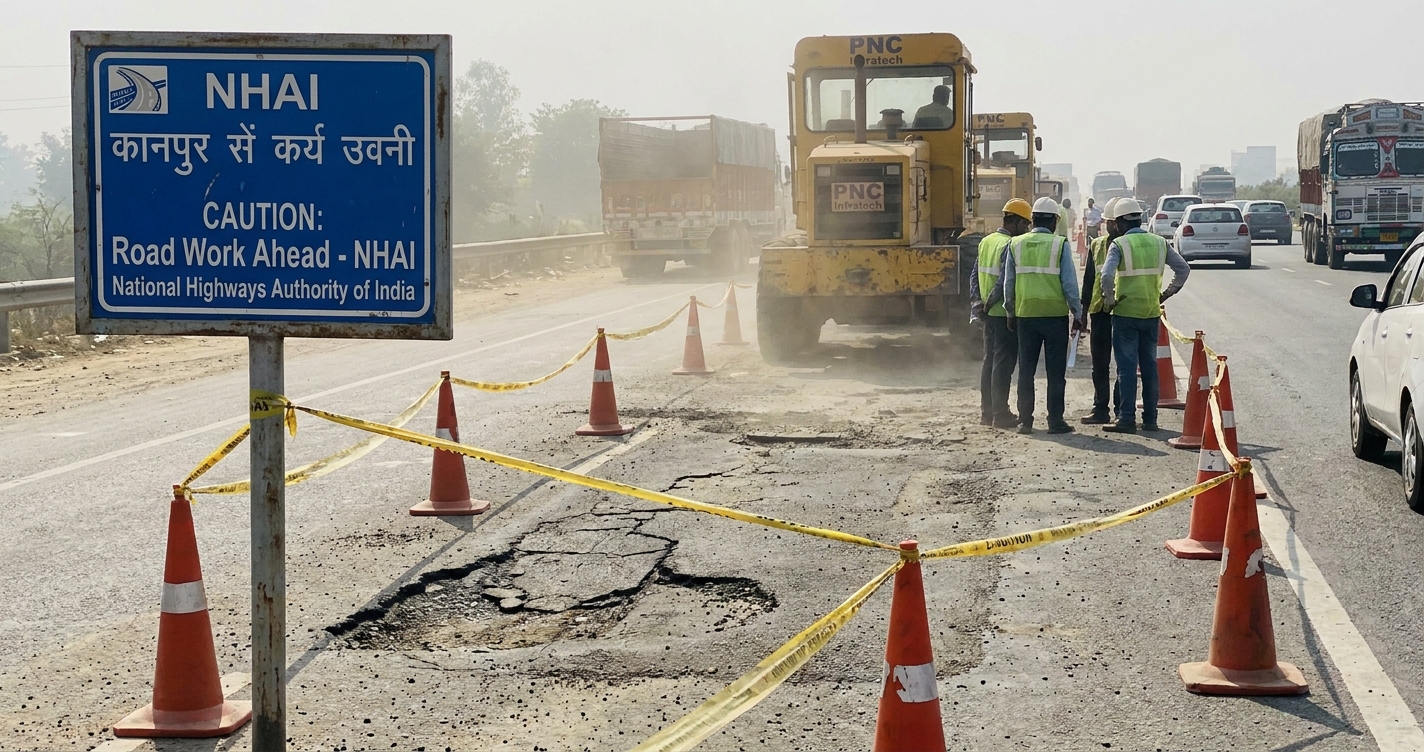
NHAI has debarred PNC Infratech from its tenders for three years and, critically, extended the penalty upward from the Awadh Expressway concessionaire
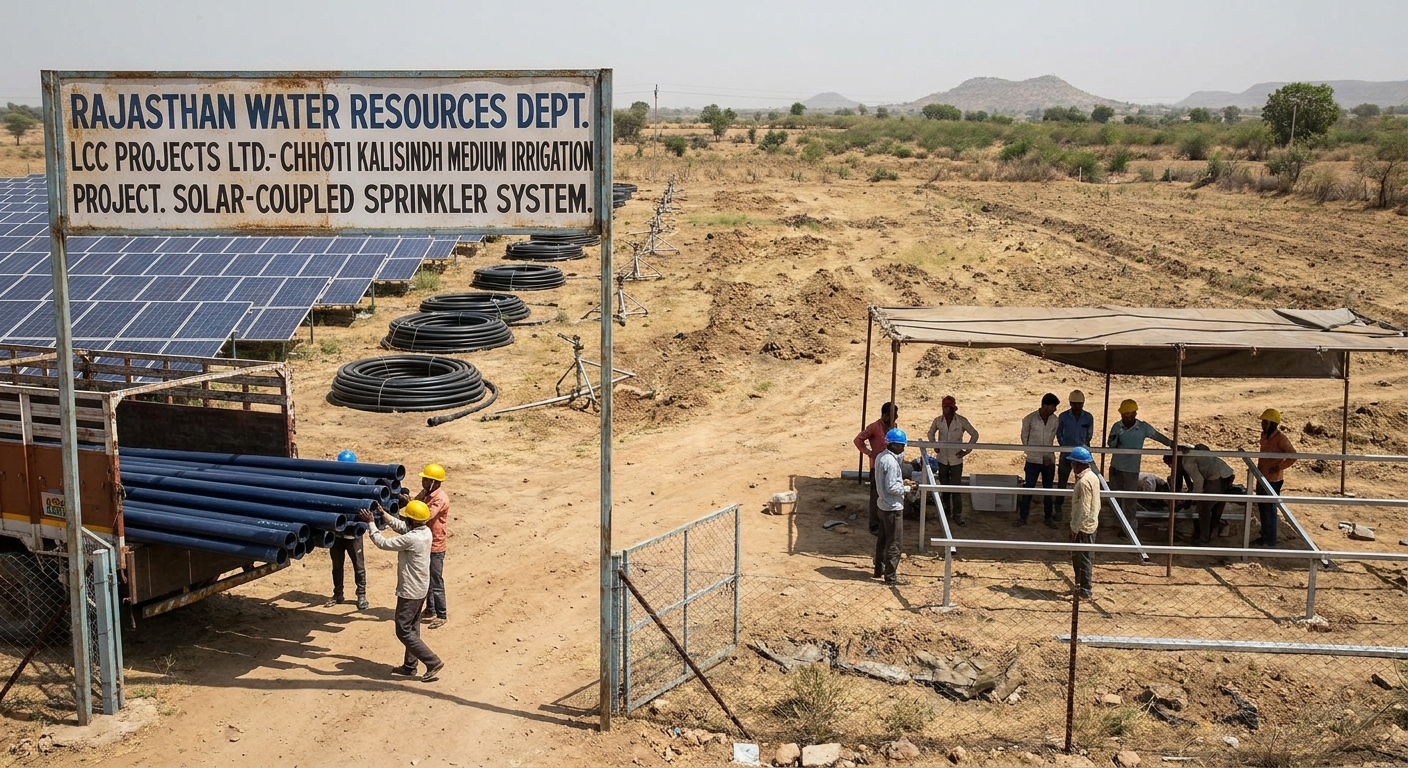
LCC Projects' L-1 position on a Rs 653.34-crore Rajasthan turnkey contract matters less for the order value than for the solar-coupled execution model


Powered by

© Tuskus 2025 - All Rights Reserved by Teamic Creative Lab Pvt. Ltd.
