Deputy Commissioner Poonch Ashok Kumar Sharma chaired a September 25 review of bottlenecks on National Highway-144A, the strategic Akhnoor–Poonch corr


insghits
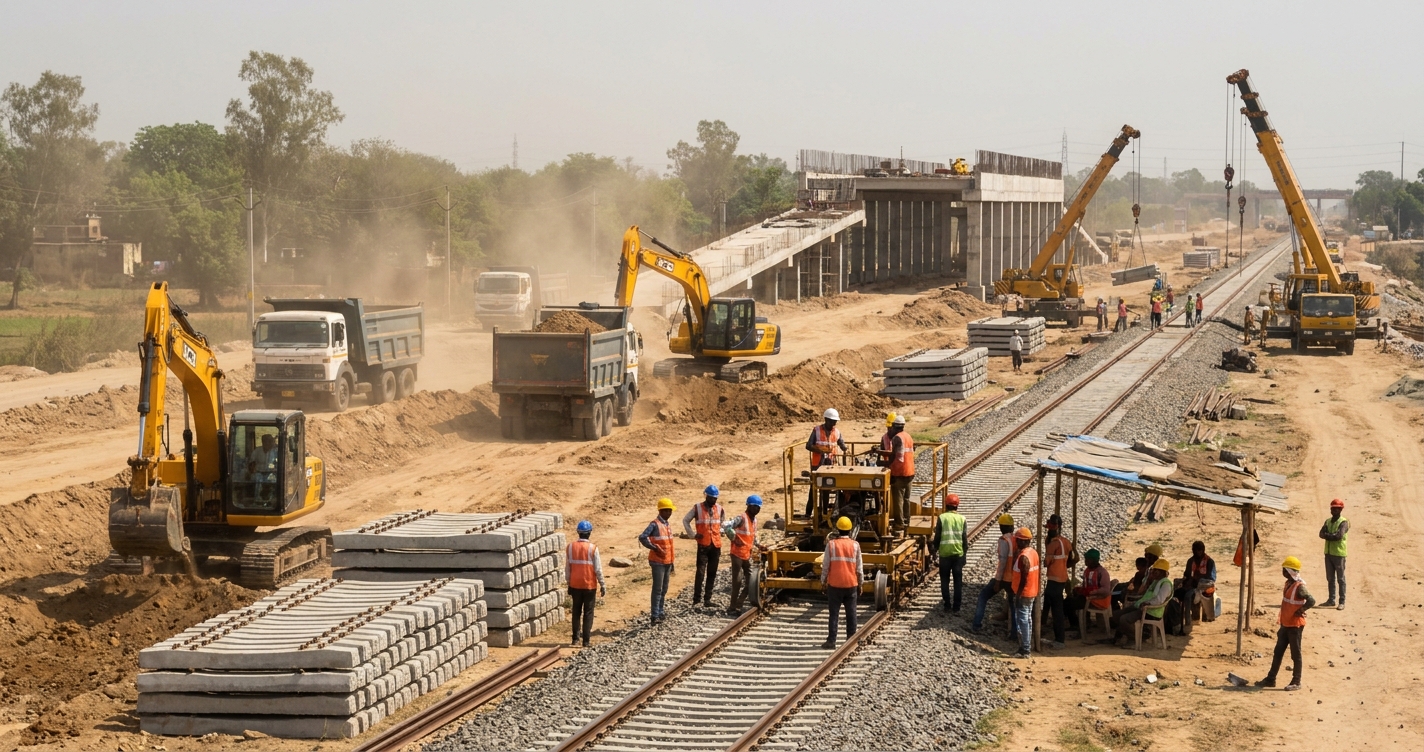
The Ministry of Railways has approved moving six new-line projects worth ₹31,814 crore to the Hybrid Annuity Model (HAM), replacing a revenue-linked framework that exposed private investors to traffic and earnings risk.
The target is to mobilise roughly ₹16,000 crore in private capital for track development, while the government funds the balance through construction support and annuity payments over the concession period.
The shift matters because railway demand risk is structurally different from highways. Unlike a BOT toll road, a private concessionaire does not control train operations, freight pricing or passenger traffic — Indian Railways retains that control.
A revenue-risk concession was asking private capital to underwrite a variable it cannot influence. HAM removes that mismatch: the concessionaire finances and builds, while the government absorbs revenue risk and pays through a defined annuity stream.
Indian Railways has historically leaned on gross budgetary support and extra-budgetary borrowings through Indian Railway Finance Corporation (IRFC). New lines carry high upfront construction cost and weak initial traffic, making conventional PPPs unbankable.
By importing the HAM template that the National Highways Authority of India (NHAI) scaled after 2016, the Railway Ministry is reclassifying expansion from a demand-linked concession into a government annuity obligation — widening financing options without front-loading the full capital requirement on public expenditure.
The structure favours:
- Construction-led, balance-sheet-heavy developers already proven in highway HAM — players who can raise equity and debt against an annuity, not traffic operators.
- Lenders such as the National Bank for Financing Infrastructure and Development (NaBFID) and commercial banks, which gain annuity-backed assets.
- The government, which now carries revenue and payment risk, not the private party.
The trade-off means bid terms, milestone linkage and annuity payment discipline — not demand forecasts — will decide bidder appetite.
Execution risk does not disappear. Land acquisition, clearances and how operational and construction risks are split will determine whether the ₹16,000 crore pipeline actually converts.
If the Railway Ministry demonstrates NHAI-grade payment reliability, this becomes a multi-year railway HAM pipeline. If not, it stalls at the bid stage.
Insights
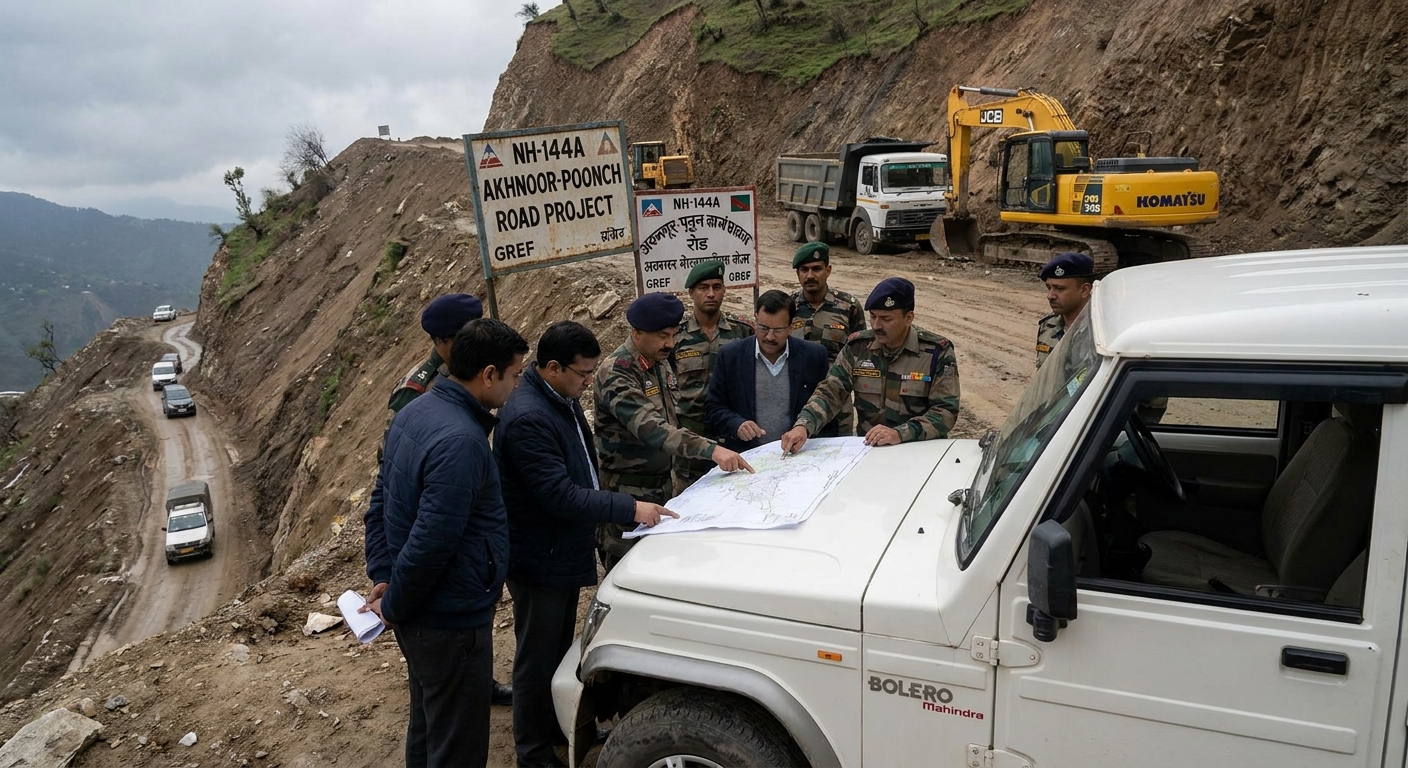
Deputy Commissioner Poonch Ashok Kumar Sharma chaired a September 25 review of bottlenecks on National Highway-144A, the strategic Akhnoor–Poonch corr
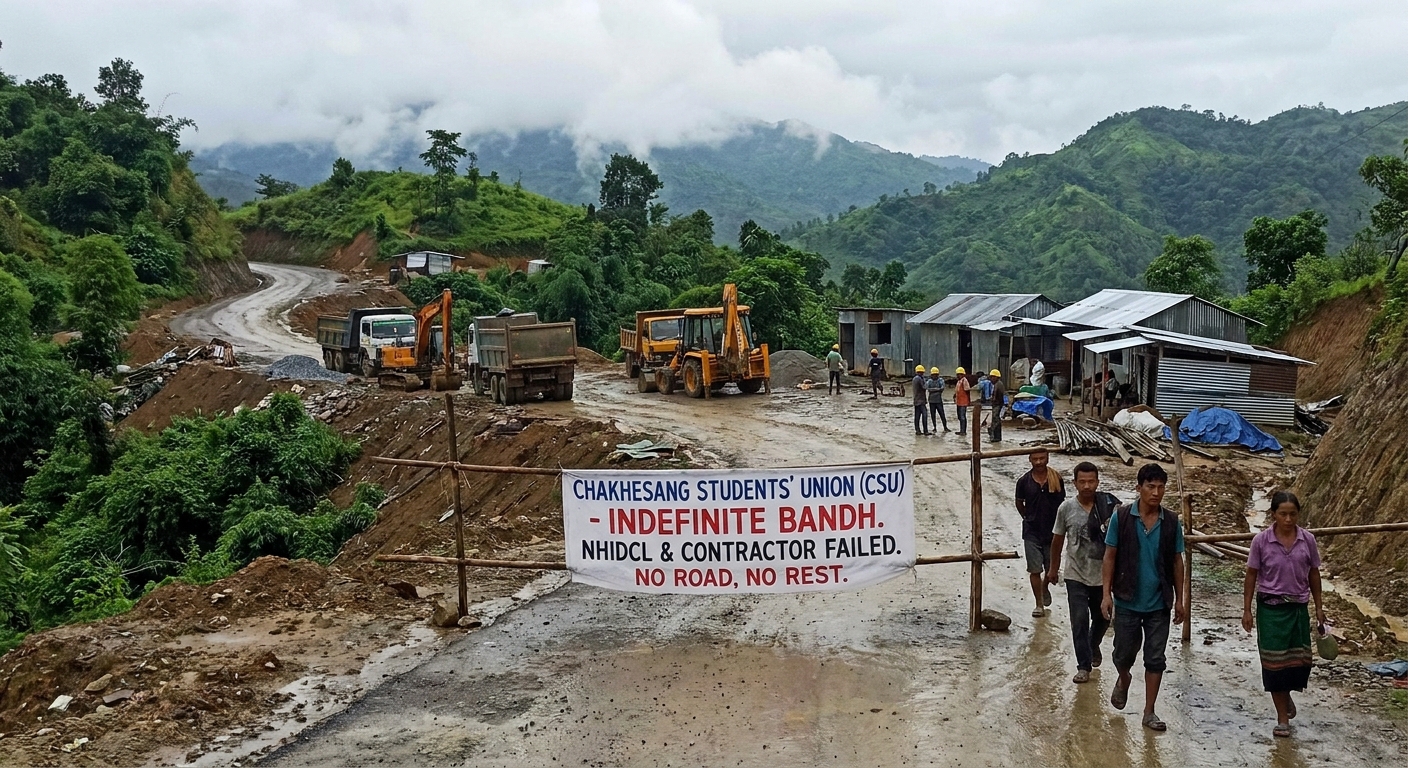
The Chakhesang Students Union has given NHIDCL 72 hours to terminate the contractor on the Chakhabama-Kikruma package of NH-29, with 44.30% physical p
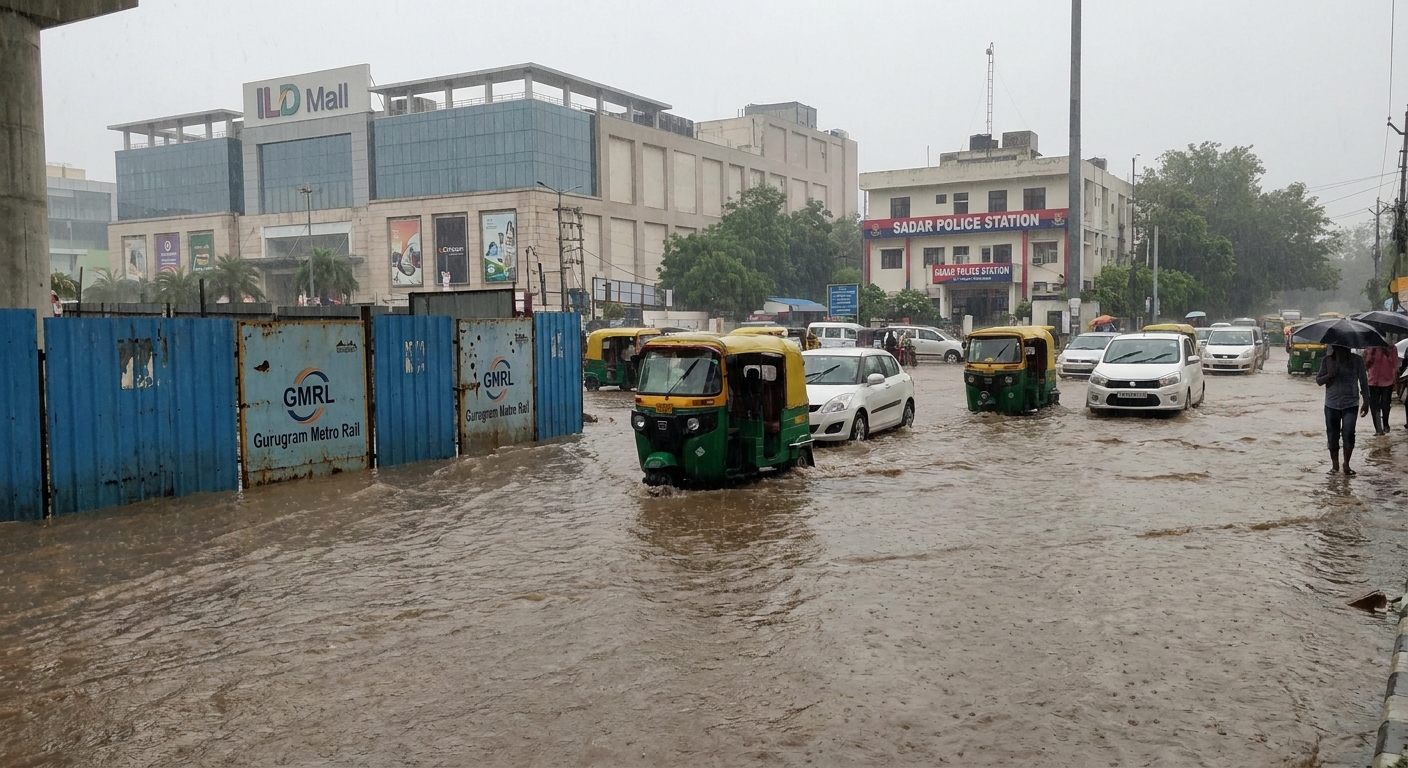
Gurugram Metro Rail Limited has locked the alignment and access gates for the Subhash Chowk Metro station, but both entrances sit in a stretch that fl


Powered by

© Tuskus 2025 - All Rights Reserved by Teamic Creative Lab Pvt. Ltd.
