The death of labourer Biram Mogiya under a Gadganga River bridge exposes how India's low-value municipal works orders - like the plank-installation jo


insghits
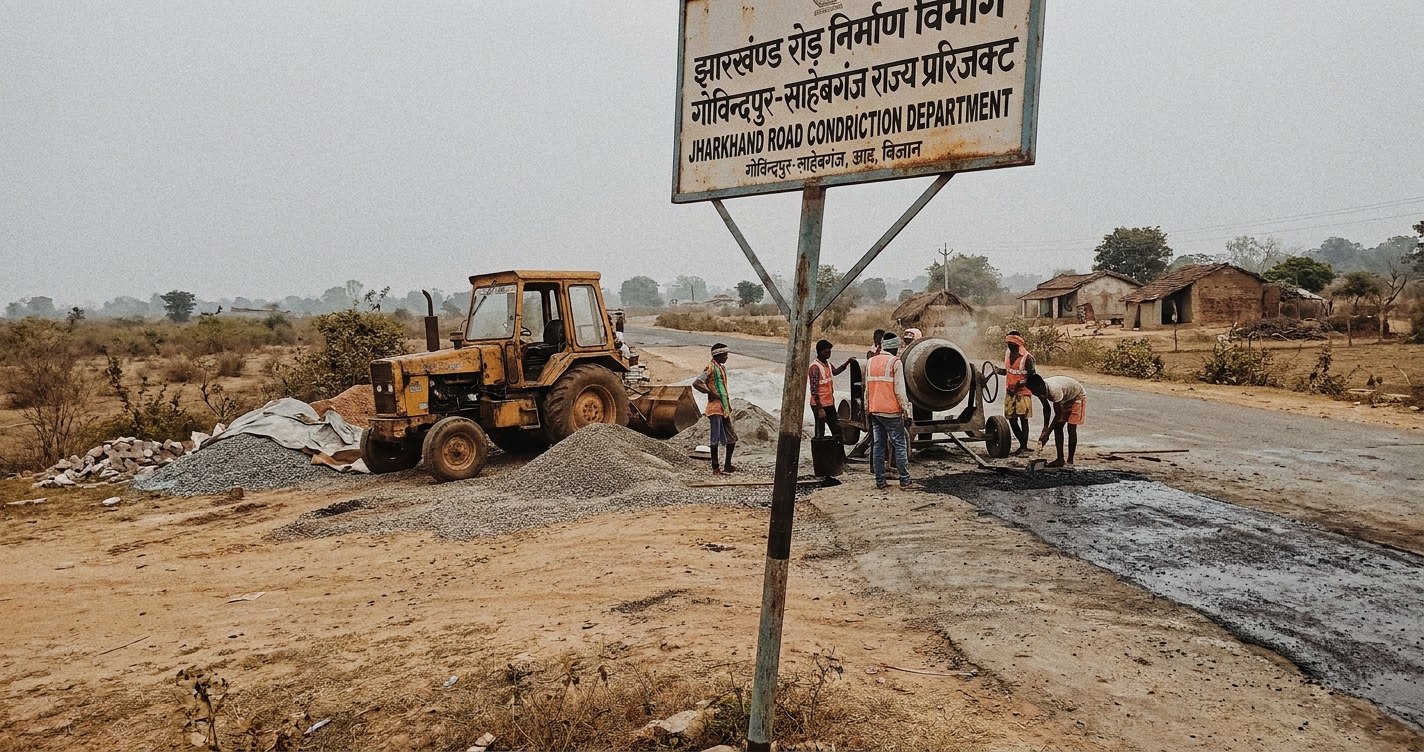
The Jharkhand High Court has locked Delhi as the juridical seat of arbitration in the 2010 road contract dispute between Ramky Infrastructure Limited and Jharkhand’s Road Construction Department (RCD), dismissing the State’s belated jurisdictional challenge.
Justice Ananda Sen’s ruling rests on one procedural fact: the RCD participated in proceedings for roughly two-and-a-half years without objecting to the tribunal’s September 2023 order fixing Delhi as the seat.
The underlying project is the rehabilitation and upgradation of the Barhet-Sahebganj section of the Govindpur-Sahebganj State Road Project. The 2010 agreement contemplated arbitration hearings at Ranchi but never expressly identified the seat — an omission that became commercially decisive.
At its first procedural hearing, the tribunal fixed Delhi as the seat while leaving the physical venue flexible. State representatives were present and did not challenge the order.
The distinction is not semantic.
Seat determines the juridical framework and the courts with supervisory jurisdiction; venue only determines where hearings convene.
For Ramky Infrastructure, a Hyderabad-headquartered EPC contractor, a Delhi seat places supervision, interim relief, mandate extensions and challenge proceedings before the Delhi High Court — a materially different forum from Ranchi.
The trigger for the State’s challenge is instructive. Ramky approached the Delhi High Court for an extension of the tribunal’s mandate, and the court granted a one-year extension, noting Delhi was the seat then in force.
Only then did the RCD contest the seat — first before the tribunal, then before the Jharkhand High Court. The Bench held the State’s prolonged participation amounted to acquiescence and waiver under Section 4 of the Arbitration and Conciliation Act, 1996.
The commercial signal for contractors is direct.
- The seat is the highest-stakes procedural decision in Indian arbitration and must be secured early.
- State authorities that litigate by delay now face a hardening judicial line: silence during proceedings forfeits the right to reopen jurisdiction.
- For Ramky, the ruling preserves a neutral, commercially experienced forum and removes a procedural lever that state road departments routinely use to stall awards.
The wider exposure sits with owner-side entities. Public works departments across India still draft contracts fixing venues without identifying seats — an ambiguity contractors are converting into forum advantage at the first hearing.
Jharkhand RCD’s loss matters less for this single contract than for the precedent it sets: prolonged participation without timely objection now carries binding consequences.
Insights
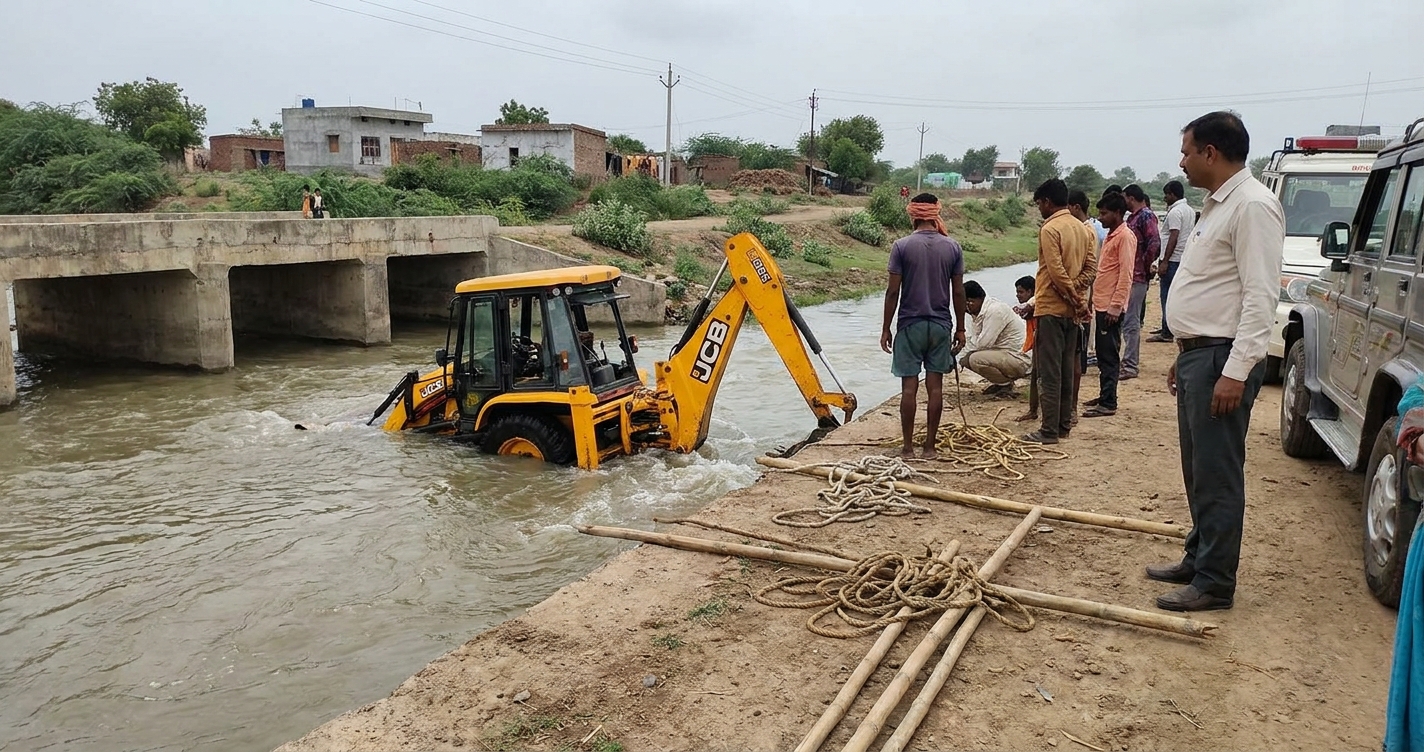
The death of labourer Biram Mogiya under a Gadganga River bridge exposes how India's low-value municipal works orders - like the plank-installation jo
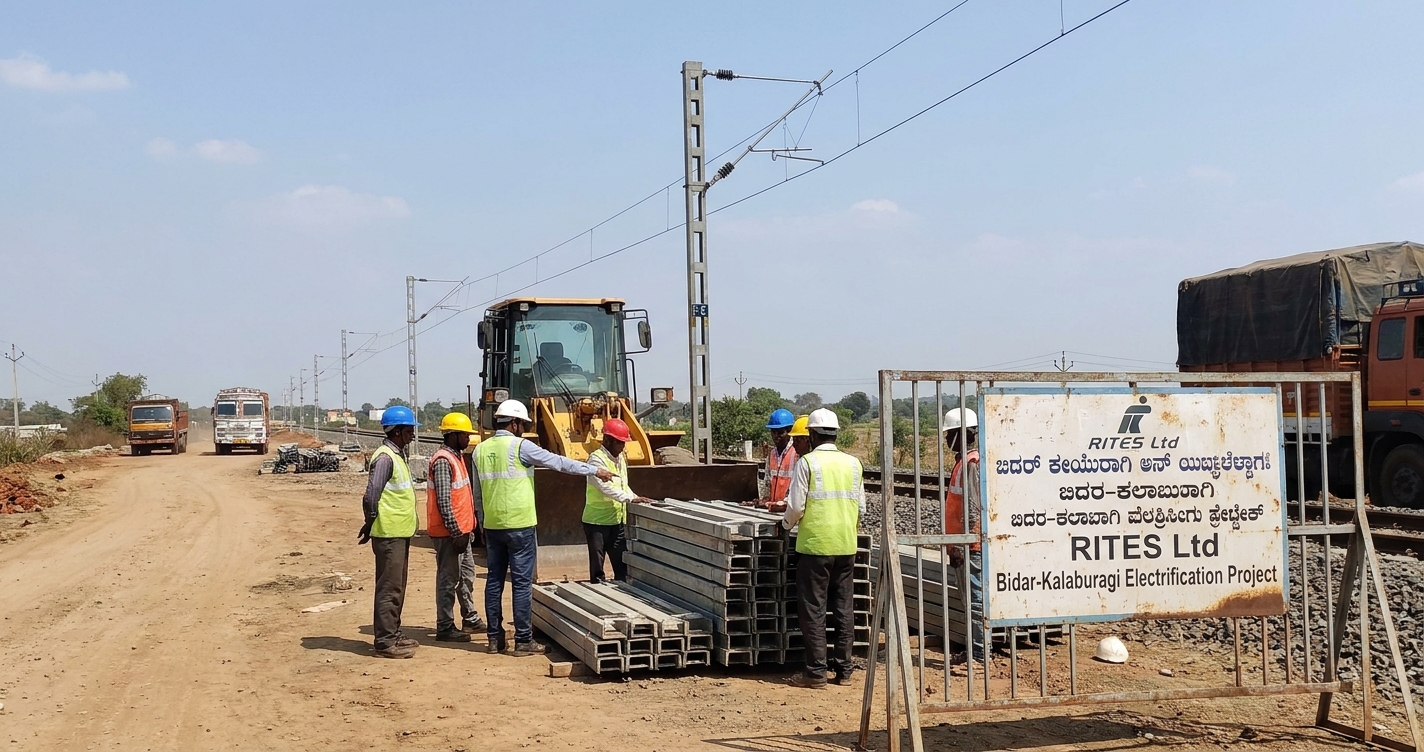
RITES' 58% repricing of the Bidar–Kalaburagi electrification mandate shows how cost-plus turnkey contracting shifts escalation risk from consultant to
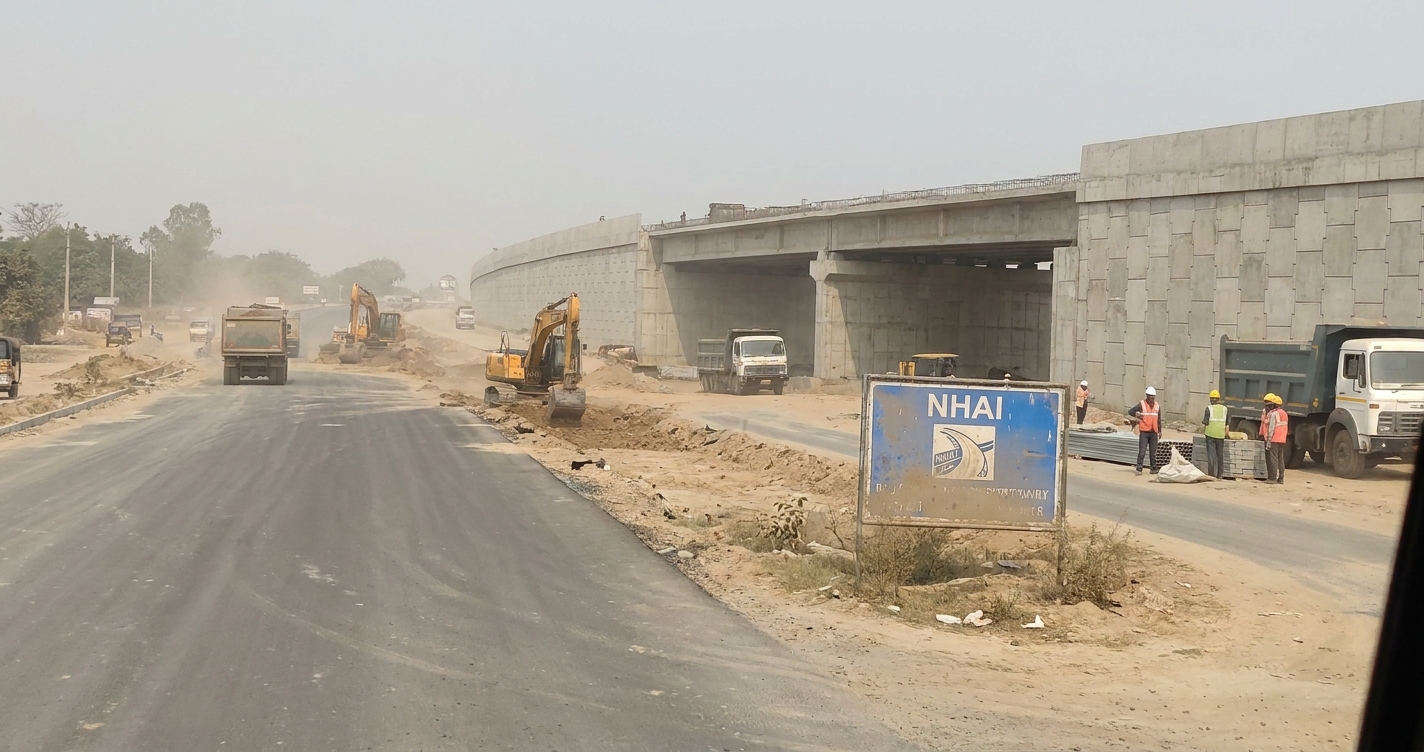
NHAI's 21 September 2026 design guidelines lock uniform 60-70m right-of-way and structure standards for 4-lane and 6-lane high-speed corridors, reshap


Powered by

© Tuskus 2025 - All Rights Reserved by Teamic Creative Lab Pvt. Ltd.
