Deputy Commissioner Poonch Ashok Kumar Sharma chaired a September 25 review of bottlenecks on National Highway-144A, the strategic Akhnoor–Poonch corr


insghits
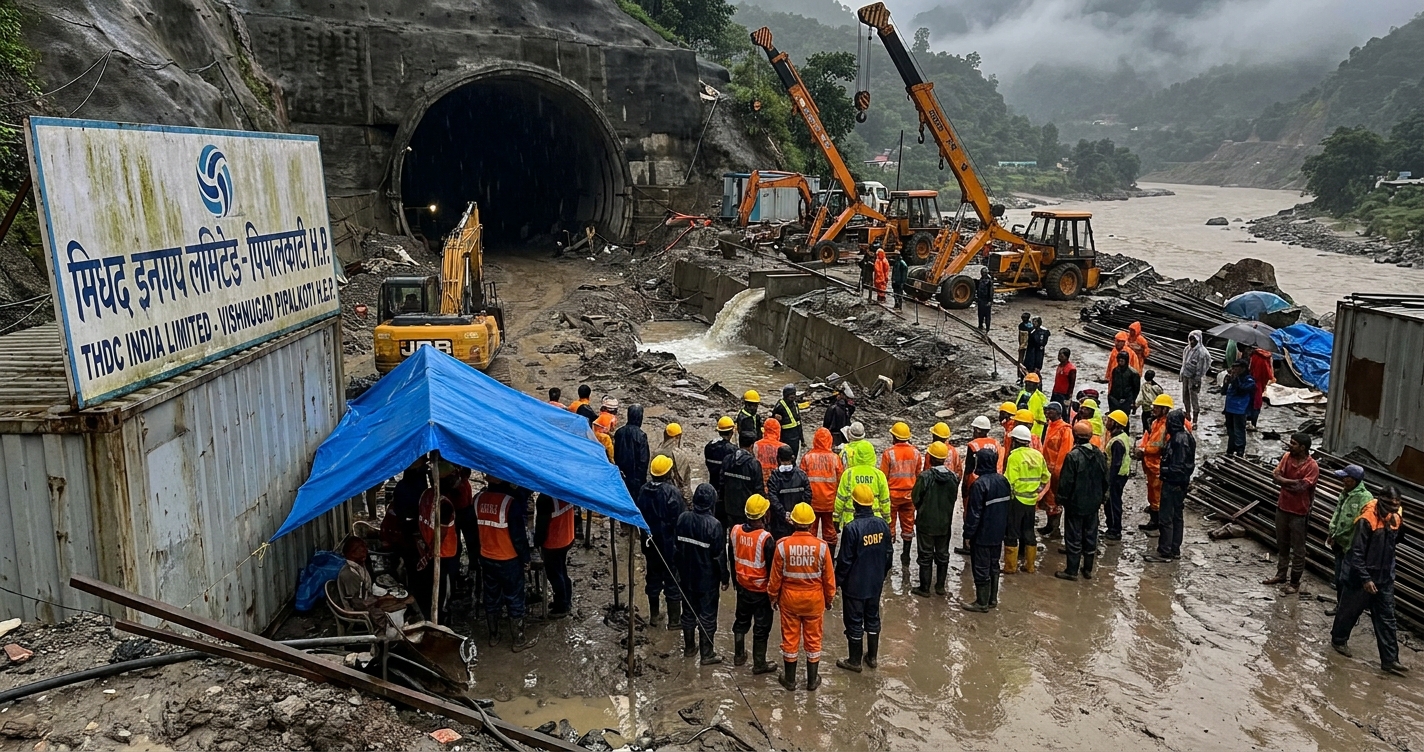
The recovery of the last two bodies on 18 August closed a 117-hour rescue at the under-construction tunnel of the Vishnugad-Pipalkoti Hydropower Project, owned by Tehri Hydropower Development Corporation (THDC India Limited). Ten of 22 night-shift workers died after a landslide-like event near the Birhi River forced water, mud and debris into the shaft on the evening of 13 August 2026.
This is a geohydrological ingress failure — the same class that has repeatedly disrupted Himalayan run-of-river tunnelling.
For THDC India Limited, the immediate cost is schedule: the 444 MW Alaknanda scheme in Chamoli has already shifted commissioning deadlines, and a six-day rescue followed by forensic review, dewatering and face stabilisation will push the critical path further right.
The contracting signal is sharper. The release does not name the executing civil contractor, but liability will concentrate on the package contractor through worker compensation, safety claims and a possible heading suspension.
THDC India Limited, a Ministry of Power PSU, absorbs reputational and financial risk: cost escalation, insurance claims and tighter conditions across its Himalayan portfolio.
Secondary stakeholders are equally exposed. The National Disaster Response Force, State Disaster Response Force and Chamoli district administration ran the extraction in persistent rainfall; District Disaster Management Officer Nand Kishore Joshi confirmed worker identities.
The rescued workers, from Chhattisgarh, Jharkhand, Bihar, West Bengal, Punjab and Himachal Pradesh, expose the migrant-labour structure of tunnel construction — and the safety gap when night-shift crews face monsoon hazards without automated ingress warning.
The deeper signal is structural: Silkyara, Tapovan-Rishiganga and now Vishnugad-Pipalkoti form a pattern of fatal ingress and collapse across Uttarakhand's hydropower belt.
That points to systemic gaps in geotechnical monitoring, monsoon work discipline and risk allocation.
Expect scrutiny of:
- method statements
- night-work restrictions during high-rainfall windows
- real-time water-pressure monitoring at the face
- higher insurance premiums for Himalayan tunnel packages.
Geotechnical instrumentation and emergency dewatering suppliers gain. Owners and EPC contractors absorb the downside: longer schedules, higher liability, more prescriptive bidding.
For THDC India Limited, the test is whether this fatality converts into enforceable delivery controls before the next tunnel package is tendered.
Insights
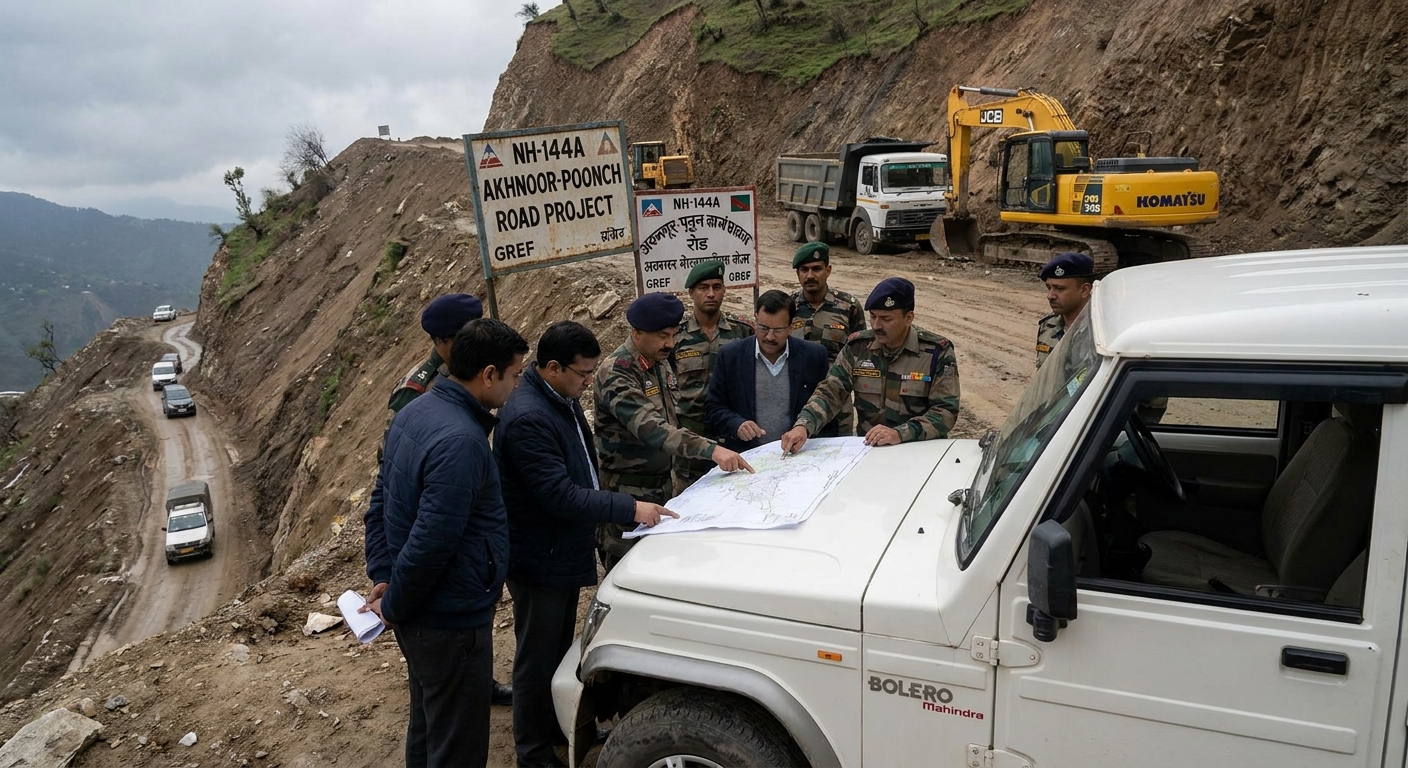
Deputy Commissioner Poonch Ashok Kumar Sharma chaired a September 25 review of bottlenecks on National Highway-144A, the strategic Akhnoor–Poonch corr
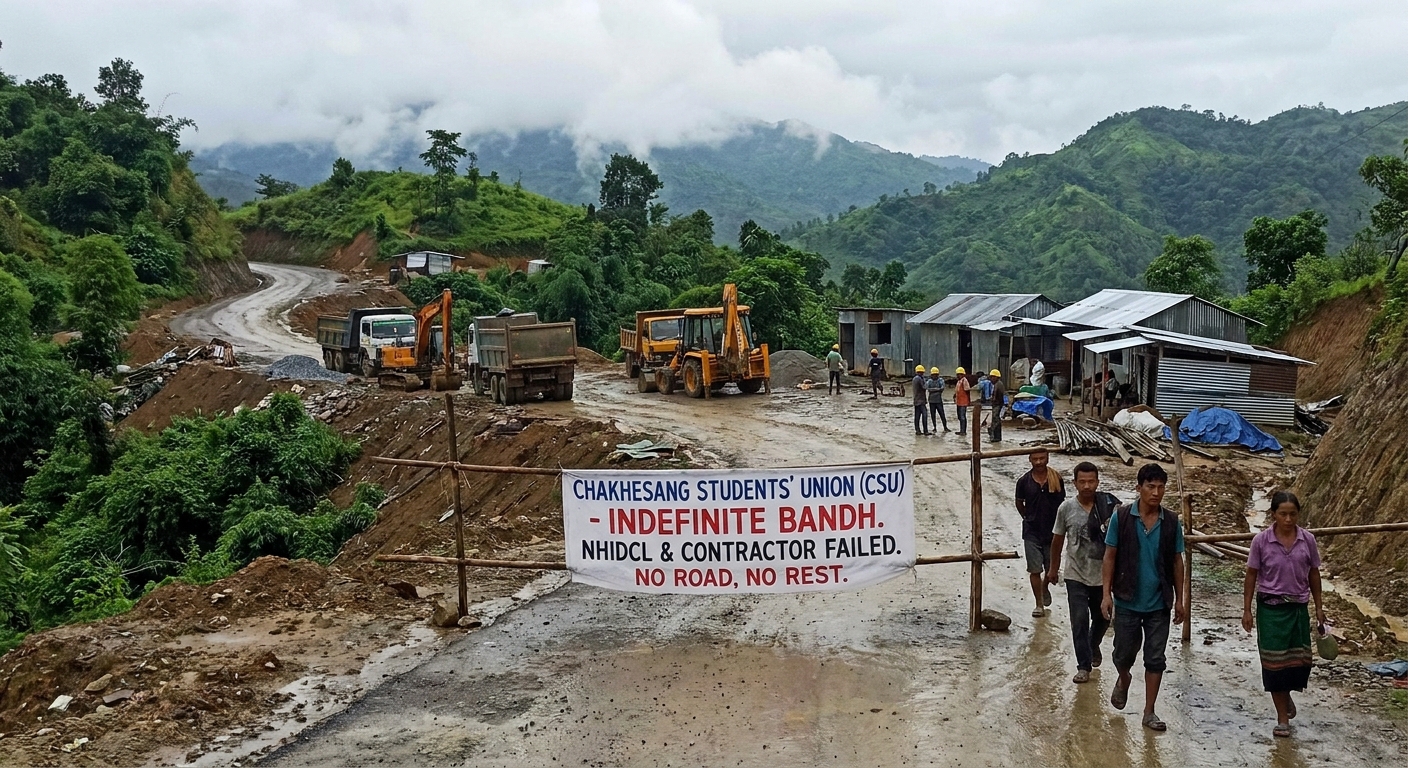
The Chakhesang Students Union has given NHIDCL 72 hours to terminate the contractor on the Chakhabama-Kikruma package of NH-29, with 44.30% physical p
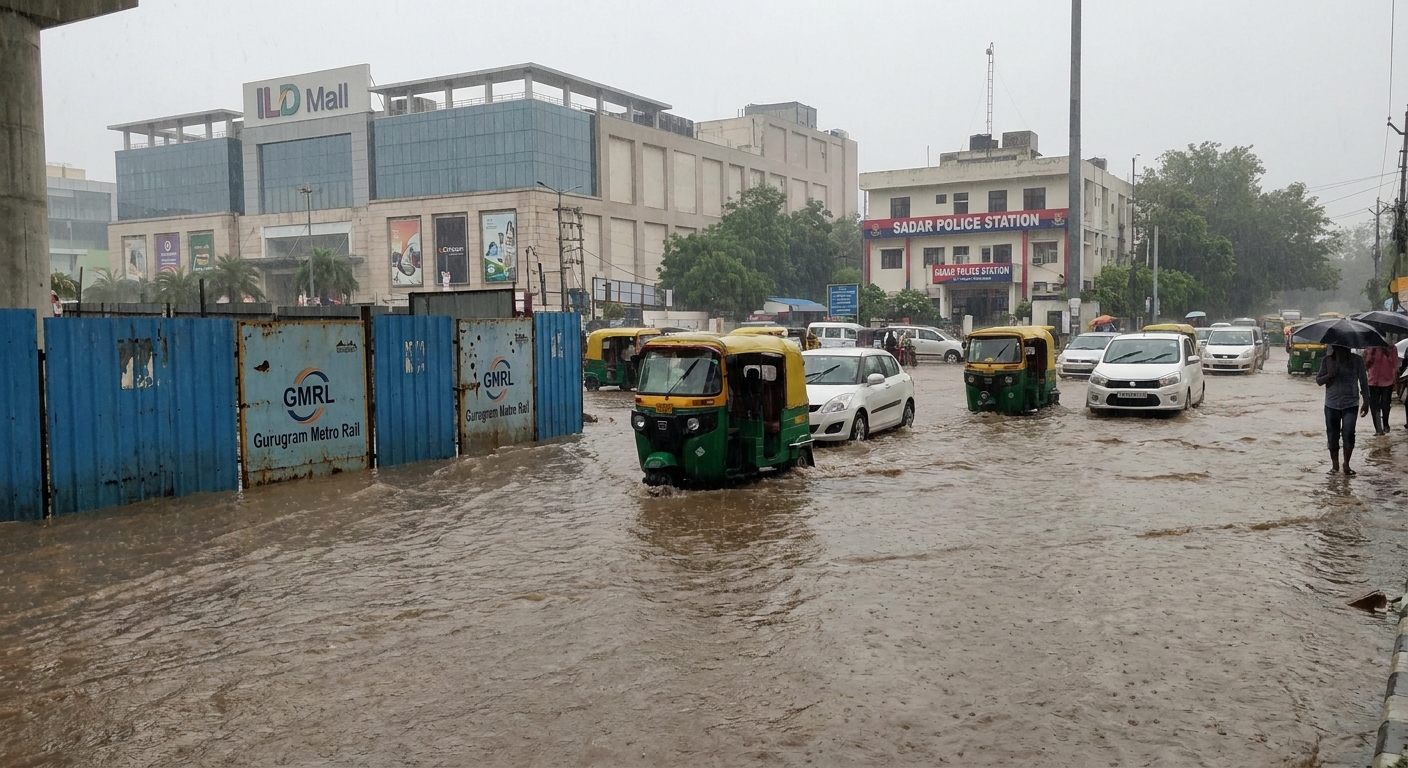
Gurugram Metro Rail Limited has locked the alignment and access gates for the Subhash Chowk Metro station, but both entrances sit in a stretch that fl


Powered by

© Tuskus 2025 - All Rights Reserved by Teamic Creative Lab Pvt. Ltd.
