The death of labourer Biram Mogiya under a Gadganga River bridge exposes how India's low-value municipal works orders - like the plank-installation jo


insghits

The Engineering, Procurement and Construction (EPC) Mission under Uttar Pradesh's planning department has withdrawn an office memorandum that had permitted sub-contractors to bid directly in large government EPC tenders.
The rollback resets bidder eligibility for future tenders — but only after the non-compliant clause operated for roughly 17 months, from March 2025 to August 2026.
The reversal cancels a March 12, 2025 order in which the EPC Mission's technical cell amended request for proposal (RFP) conditions to let experienced sub-contractors holding valid credentials compete as direct bidders.
The change was projected as a competition measure for big-ticket infrastructure works. In practice, it blurred the defining line of the EPC model: the primary contractor carries integration, schedule and performance risk, while sub-contractors execute defined specialist packages beneath that umbrella.
At the centre of the governance failure is Pavan Verma, then chief engineer of the technical cell.
- The EPC Mission's governing body, chaired by the Uttar Pradesh chief secretary, had declined the sub-contractor clause in February 2024 — even after a high-powered public works department (PWD) committee recommended it a month earlier.
- Verma proceeded without that clearance.
- He has been served a show-cause notice and was transferred on July 21 to the Uttar Pradesh Expressways Industrial Development Authority (UPEIDA) as chief engineer.
Commercially, the rollback protects the primary-contractor hierarchy.
Direct sub-contractor bidding would have widened the bidder pool and compressed margins for established EPC players.
Reversing the clause restores that structure but leaves a legal overhang: construction companies have petitioned the Lucknow bench of the Allahabad High Court, which has issued notice to the state government.
The near-term exposure is contained — contracts already awarded under the earlier order will not be disturbed.
The deeper risk is informational. Bidders that priced work under one eligibility regime now face a pipeline governed by a different one, while sub-contractors that repositioned as direct bidders see that pivot voided.
The industry signal here is tender governance, not competition policy. A single technical-cell amendment changed bidder eligibility across a state EPC programme without governing body clearance and survived in the market for a year and a half.
The lesson for every EPC procuring authority is that RFP clause changes are commercial decisions — and when they bypass the body that owns them, the pipeline, not just the officer, carries the liability.
Insights
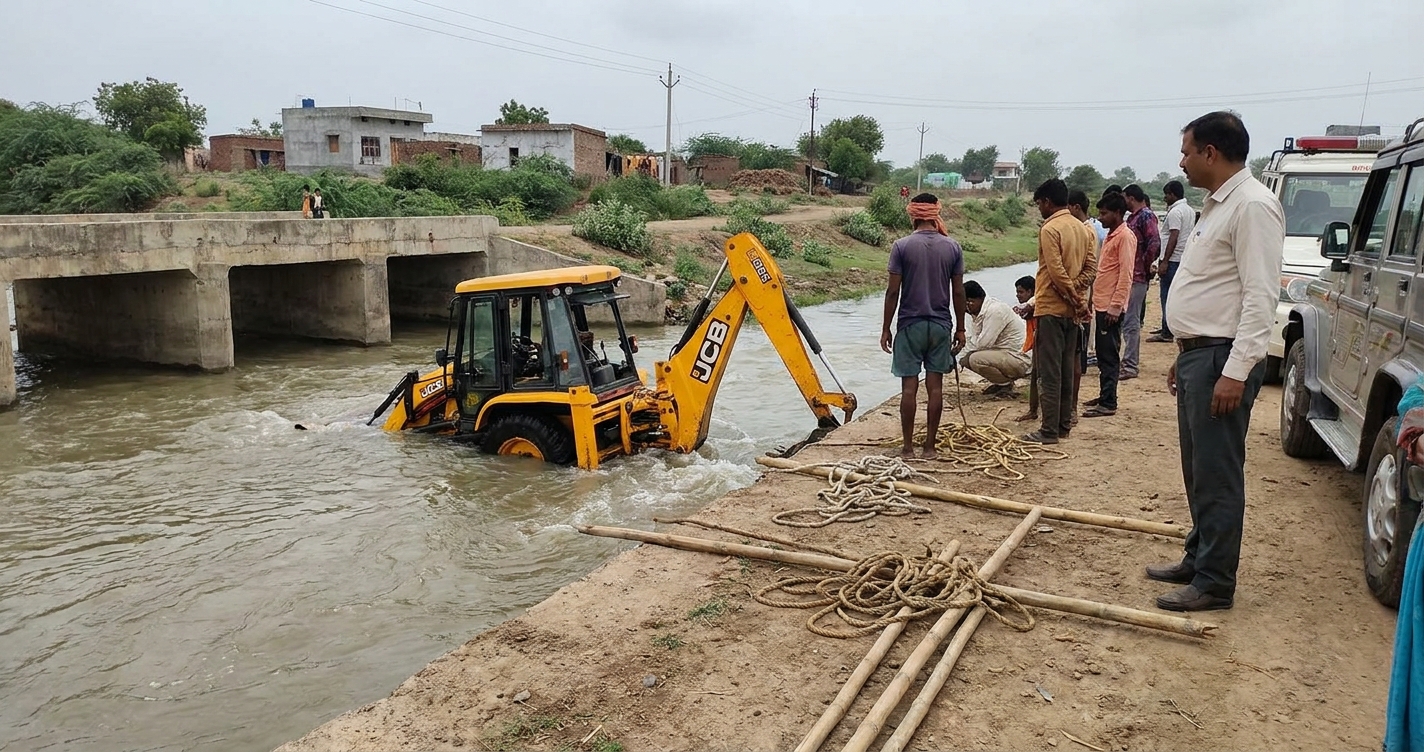
The death of labourer Biram Mogiya under a Gadganga River bridge exposes how India's low-value municipal works orders - like the plank-installation jo
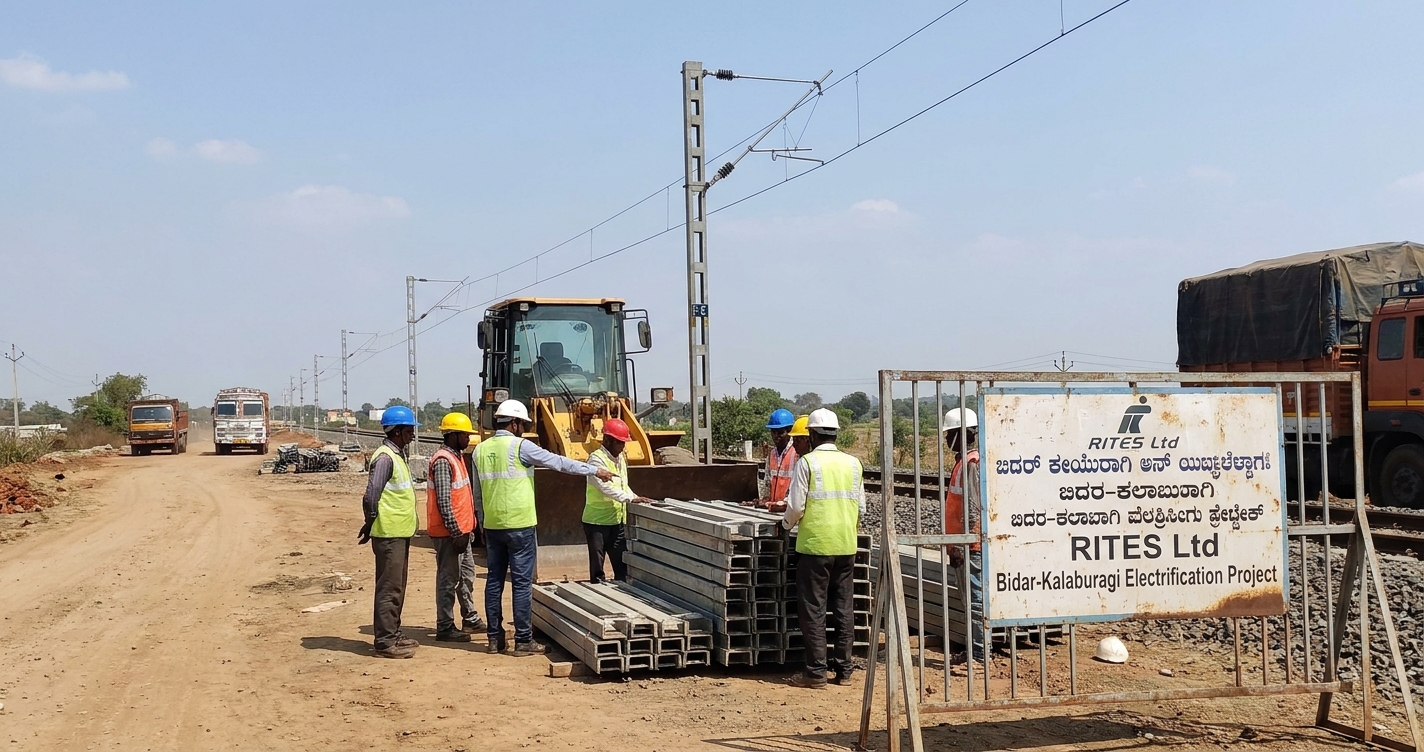
RITES' 58% repricing of the Bidar–Kalaburagi electrification mandate shows how cost-plus turnkey contracting shifts escalation risk from consultant to
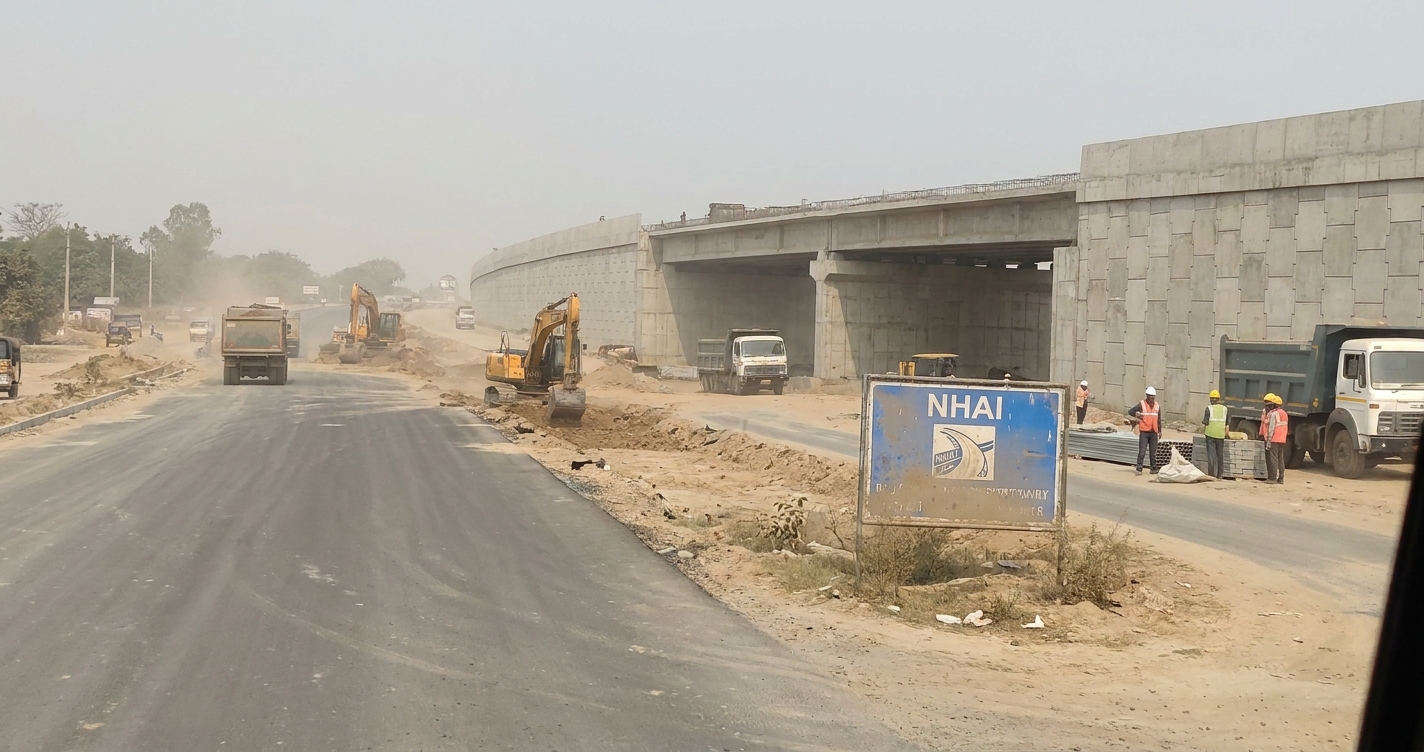
NHAI's 21 September 2026 design guidelines lock uniform 60-70m right-of-way and structure standards for 4-lane and 6-lane high-speed corridors, reshap


Powered by

© Tuskus 2025 - All Rights Reserved by Teamic Creative Lab Pvt. Ltd.
