Indian Railways has approved a four-lane Road Over Bridge at Alkapuri in Western Railway's Vadodara division, with the Ministry of Railways and the Gu


insghits
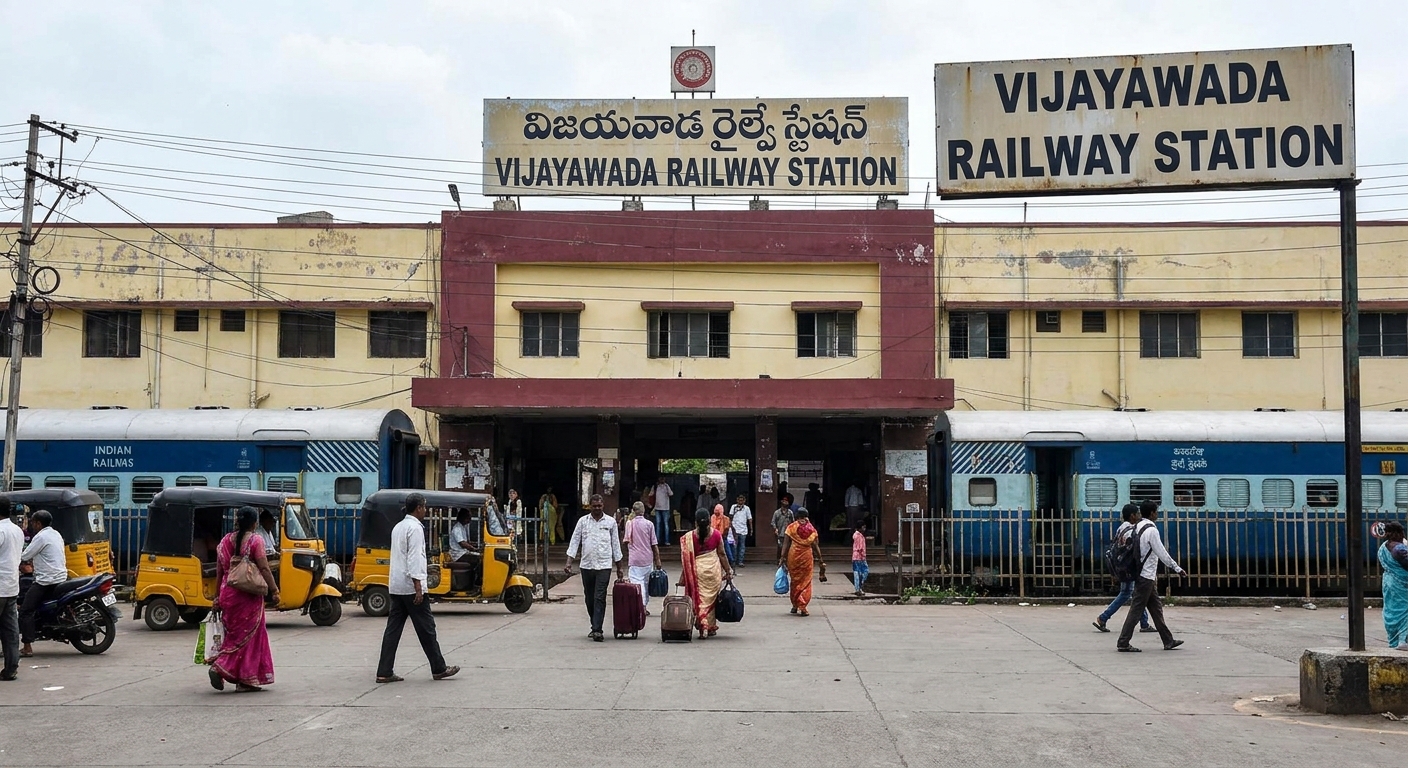
On 8 August 2026, Railway Minister Ashwini Vaishnaw disclosed in a written reply to the Rajya Sabha that the Public-Private Partnership (PPP) tender for Vijayawada Railway Station redevelopment — a project that had already secured approval from the Public-Private Partnership Appraisal Committee (PPPAC) — received zero response from the market. The Ministry of Railways has re-invited the tender.
The disclosure came in response to questions from BJP MP Dilip Ray on asset monetisation of railway stations. Vijayawada, under the South Coast Railway zone, is one of 15 stations identified for PPP-based redevelopment across India.
This is not a Vijayawada problem. It is a model problem.
Of the 15 stations identified for PPP redevelopment, only one has reached commissioning: Rani Kamalapati (formerly Habibganj) in Madhya Pradesh, developed by the Bansal Group.
The remaining 14 are stuck at master planning and financial modelling stages. These include high-footfall stations such as:
- Chennai Central
- Bengaluru's KSR (Krantivira Sangolli Rayanna)
- Pune
- Vadodara
- Bhopal
- Delhi Junction
If a station like Vijayawada — one of Andhra Pradesh's busiest — cannot attract a single bidder, the pipeline's viability is in serious question.
The PPP model for station redevelopment hinges on a simple trade-off: the private developer invests in modernising the station and, in return, receives commercial development rights — retail, office space, hospitality — on railway land. The revenue from commercial exploitation is meant to recover the investment.
The problem is structural. The capital expenditure required to redevelop a major railway station — including concourse upgrades, passenger amenities, multimodal integration, and circulation areas — often exceeds what commercial real estate revenues can support, particularly in tier-2 and tier-3 markets.
Add to this the complexities of railway land title, clearances, and revenue-sharing terms, and the risk-reward equation tilts decisively against the private sector.
The zero-bid outcome at Vijayawada suggests that even PPPAC approval — which signals inter-ministerial consensus on project structure — is not sufficient to de-risk the proposition for developers.
Re-inviting the tender rather than restructuring the deal is a telling move.
It suggests the Ministry of Railways is either constrained by existing PPP frameworks from making material changes, or believes the market failure is cyclical rather than structural. Neither reading is reassuring.
If the second tender also fails — and the track record across the 15-station programme gives little reason for optimism — the Ministry will face pressure to pivot these projects to the Engineering, Procurement and Construction (EPC) model, funded through gross budgetary support or external borrowings.
That shift, if it materialises, would open a significant pipeline for infrastructure contractors but would also mark a policy retreat from asset monetisation goals.
For civil contractors and developers, the Vijayawada episode is a signal to watch the next 6–12 months closely.
If the re-invited tender fails again and the Ministry begins pivoting even a subset of the 15 stations to EPC, the contracting opportunity could be substantial — but so would the pressure on government capital expenditure.
For the PPP model itself, the burden of proof now rests squarely on the Ministry of Railways.
One operational station out of 15 — and a zero-bid event at a major station in between — is not a programme. It is a warning.
Insights
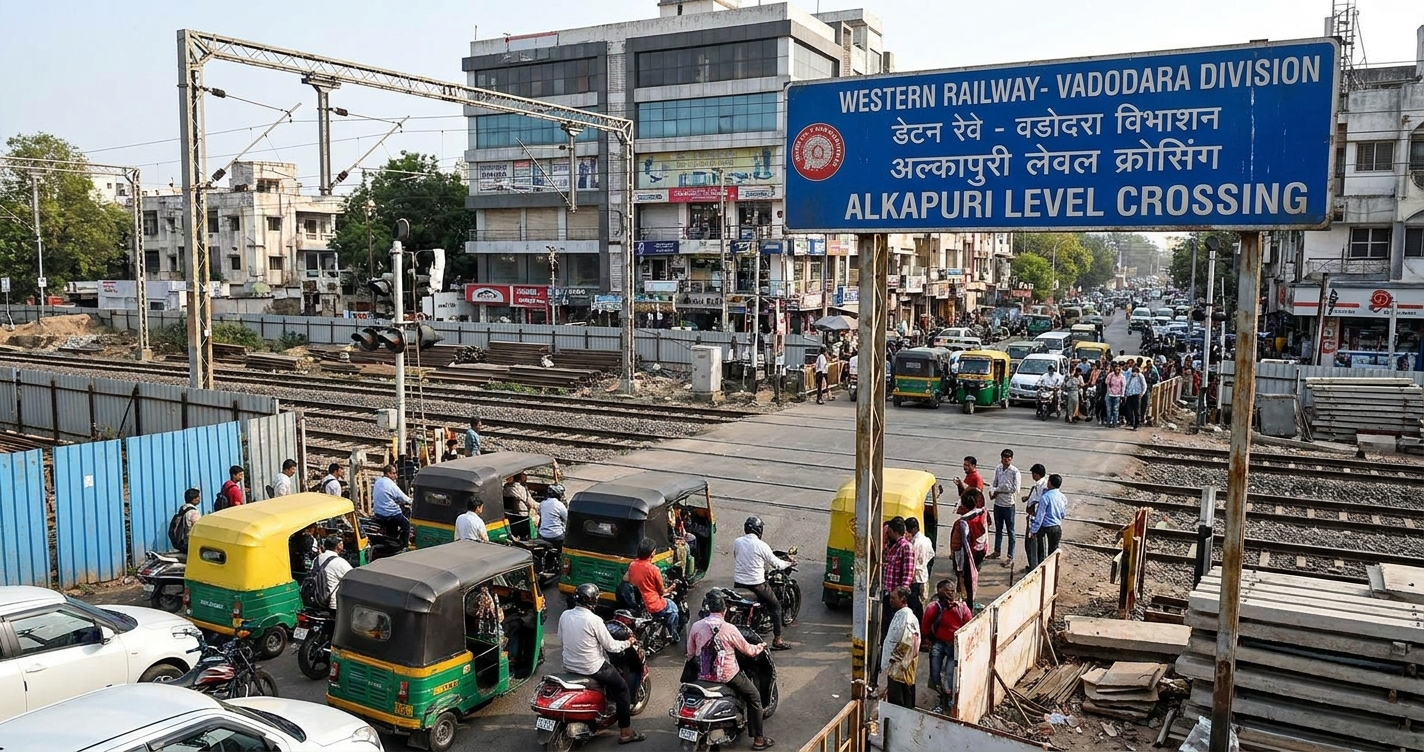
Indian Railways has approved a four-lane Road Over Bridge at Alkapuri in Western Railway's Vadodara division, with the Ministry of Railways and the Gu
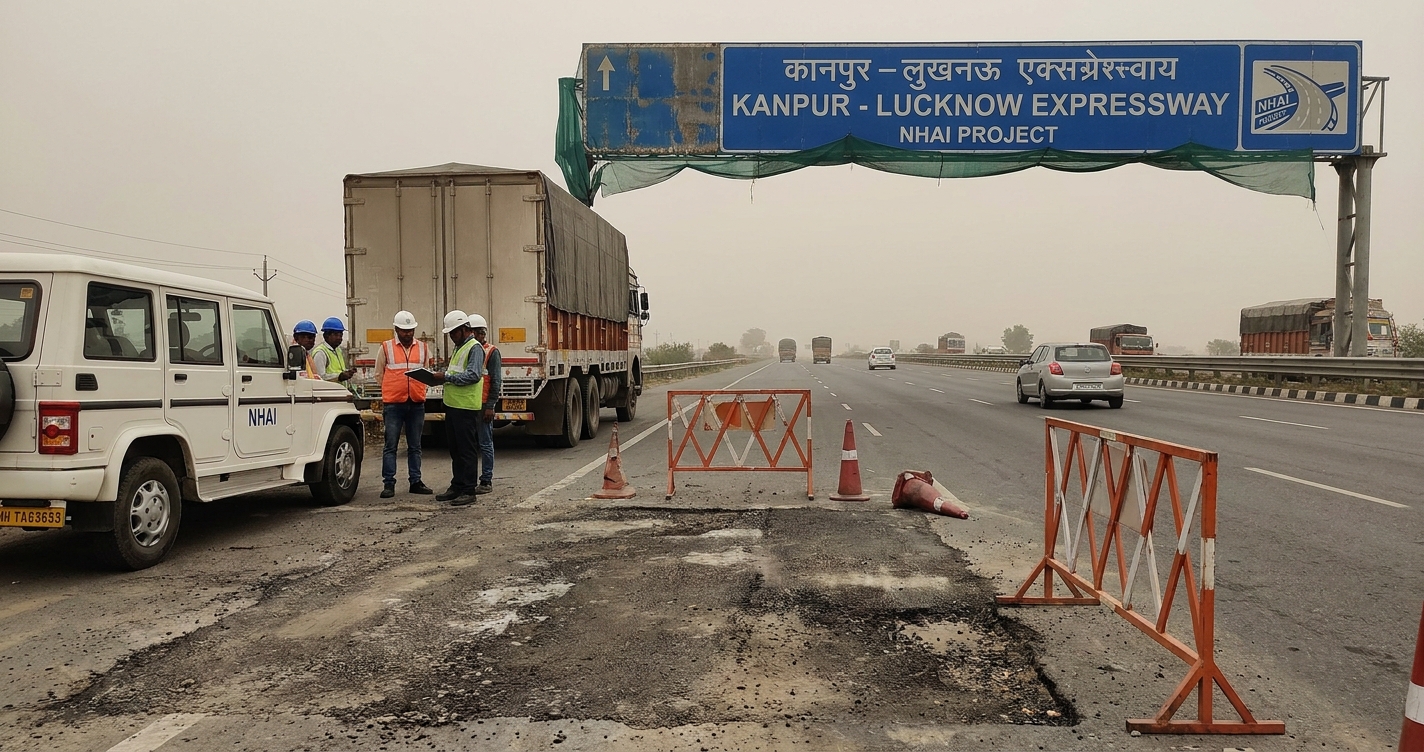
NHAI's two-year debarment of Theme Engineering Services over the Kanpur-Lucknow Expressway moves accountability from contractors to independent engine
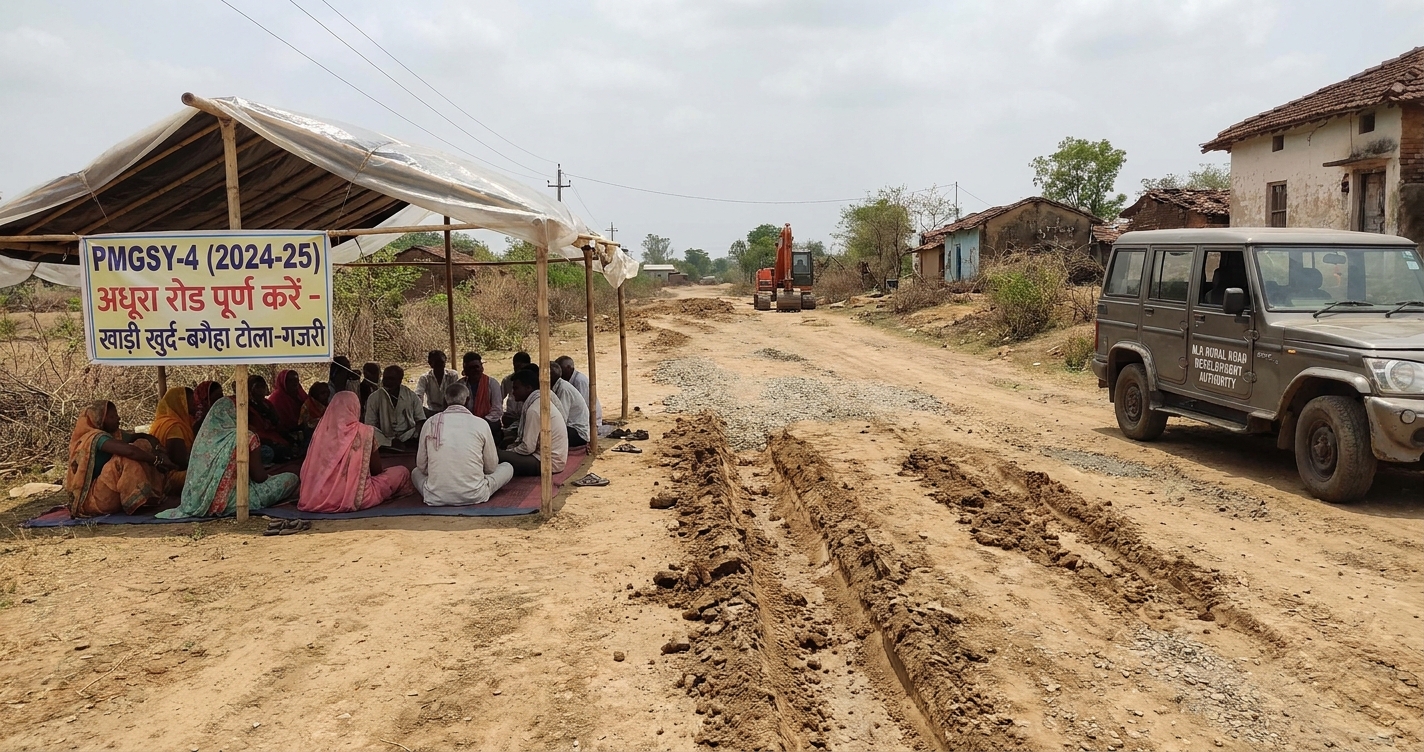
An estimate worth Rs 4.48 crore, a 5.07-km PMGSY-4 priority listing and Rs 10 lakh of murum surfacing, yet the Khaddi Khurd road stays impassable. The


Powered by

© Tuskus 2025 - All Rights Reserved by Teamic Creative Lab Pvt. Ltd.
