The Chakhesang Students Union has given NHIDCL 72 hours to terminate the contractor on the Chakhabama-Kikruma package of NH-29, with 44.30% physical p


insghits

The Karnataka High Court has directed the Government of Karnataka to reimburse Rs 1,50,935.68 plus 18% annual interest to Naganath Constructions Engineers And Contractors, a Class-I registered civil contractor, for a differential GST burden that arose mid-contract when India moved from VAT to GST on 01 July 2017.
The writ concerned recarpetting and improvement works on Kuchegar Kodar Road (KM 0.00–2.00) in Karwar Taluka, Uttara Kannada.
The contract had been priced under the VAT framework. GST altered rates and input-credit mechanics, and Naganath Constructions bore the additional liability before seeking reimbursement under a representation dated 25.06.2026.
When the State did not act, the contractor invoked Article 226 for a writ of mandamus. The Court held the position was no longer res integra — settled law obliges the State to neutralise tax-cost changes imposed by statute, not by contractor performance.
The commercial lesson is sharper than the legal one. The claim value is small, but the precedent is not.
Thousands of state PWD and municipal works contracts were re-priced mid-execution after 2017, and many still lack a codified change-in-law or tax-change clause. Where such clauses are absent, contractors carry regulatory risk on working capital until a court or a government order restores the balance.
The 18% interest award is the operative signal. Delayed reimbursement is effectively a financing cost transferred from the State to the contractor.
For smaller Class-I firms, whose cash cycles are tighter than large EPC players, a Rs 1.5 lakh differential can be material. The interest confirms that State instrumentalities cannot treat tax-transition claims as discretionary.
The ruling points to a procurement reform agenda:
- Standard works contracts in Karnataka — and other states — should embed a change-in-law clause that automatically adjusts contract value for GST rate and input-credit changes.
- Payment timelines should be defined in that clause.
- Until then, contractors should document every tax differential at the bill stage, not the dispute stage.
Naganath Constructions Engineers And Contractors is the dominant execution and risk-bearing stakeholder that has now converted a statutory burden into a recoverable claim.
The Government of Karnataka is the counterparty now carrying unreconciled tax-transition liabilities and accruing interest.
Whoever drafts the contract decides who absorbs a tax-regime shock.
Insights
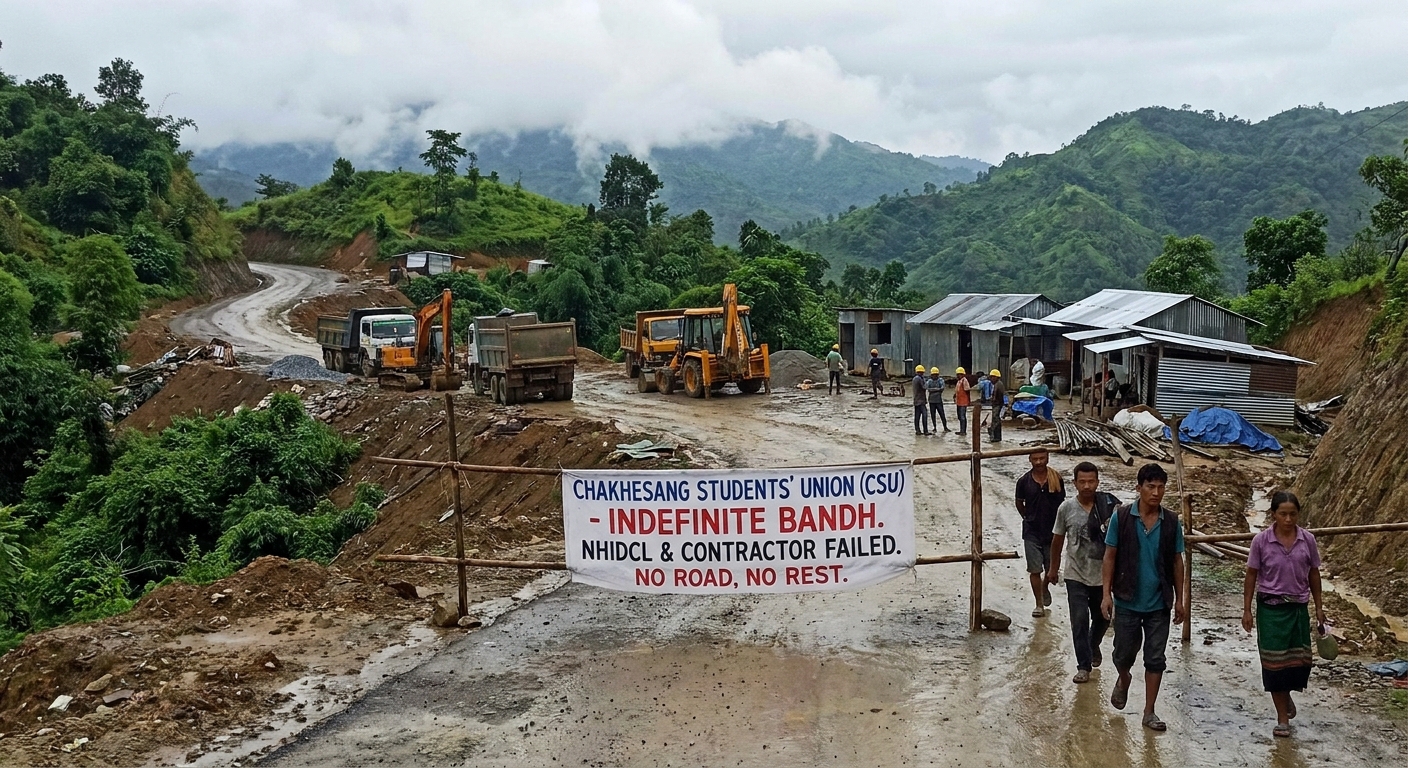
The Chakhesang Students Union has given NHIDCL 72 hours to terminate the contractor on the Chakhabama-Kikruma package of NH-29, with 44.30% physical p
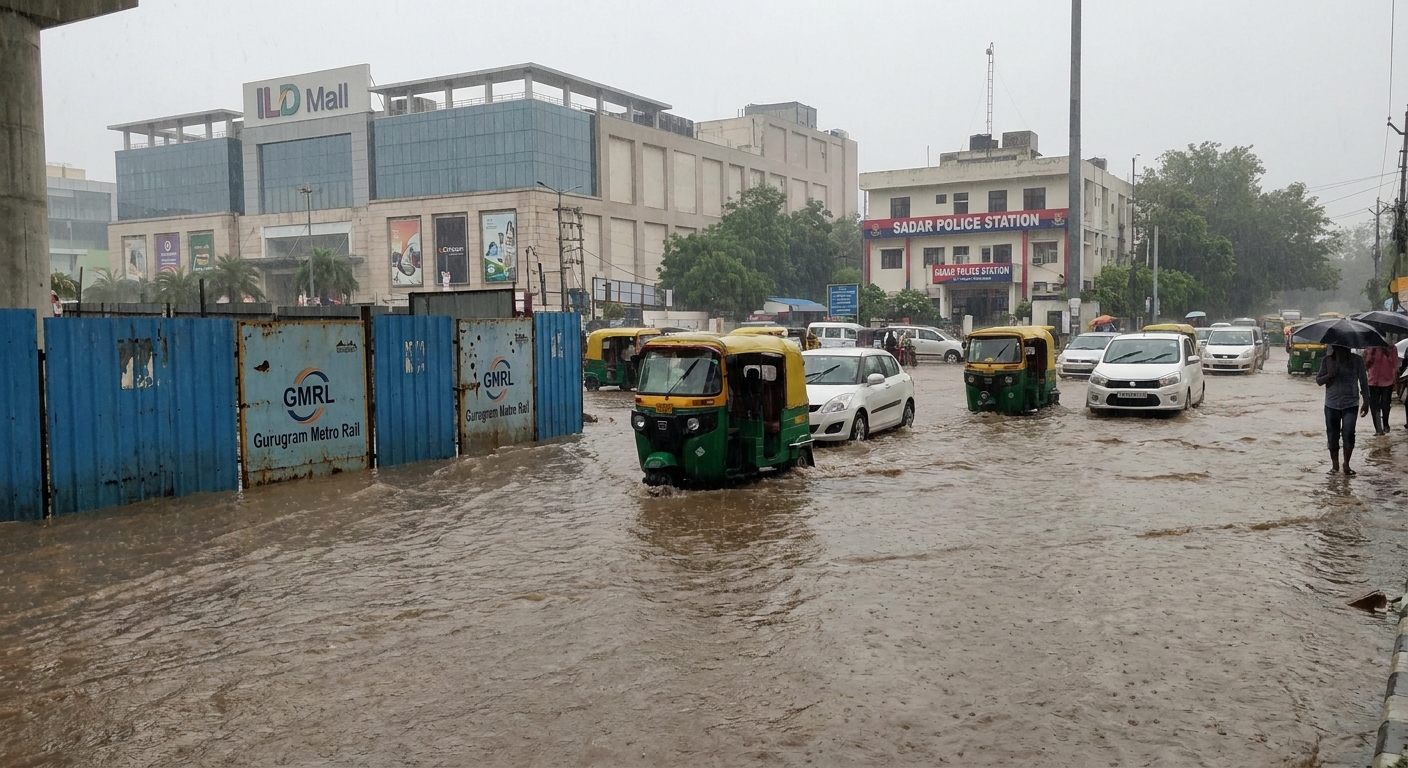
Gurugram Metro Rail Limited has locked the alignment and access gates for the Subhash Chowk Metro station, but both entrances sit in a stretch that fl
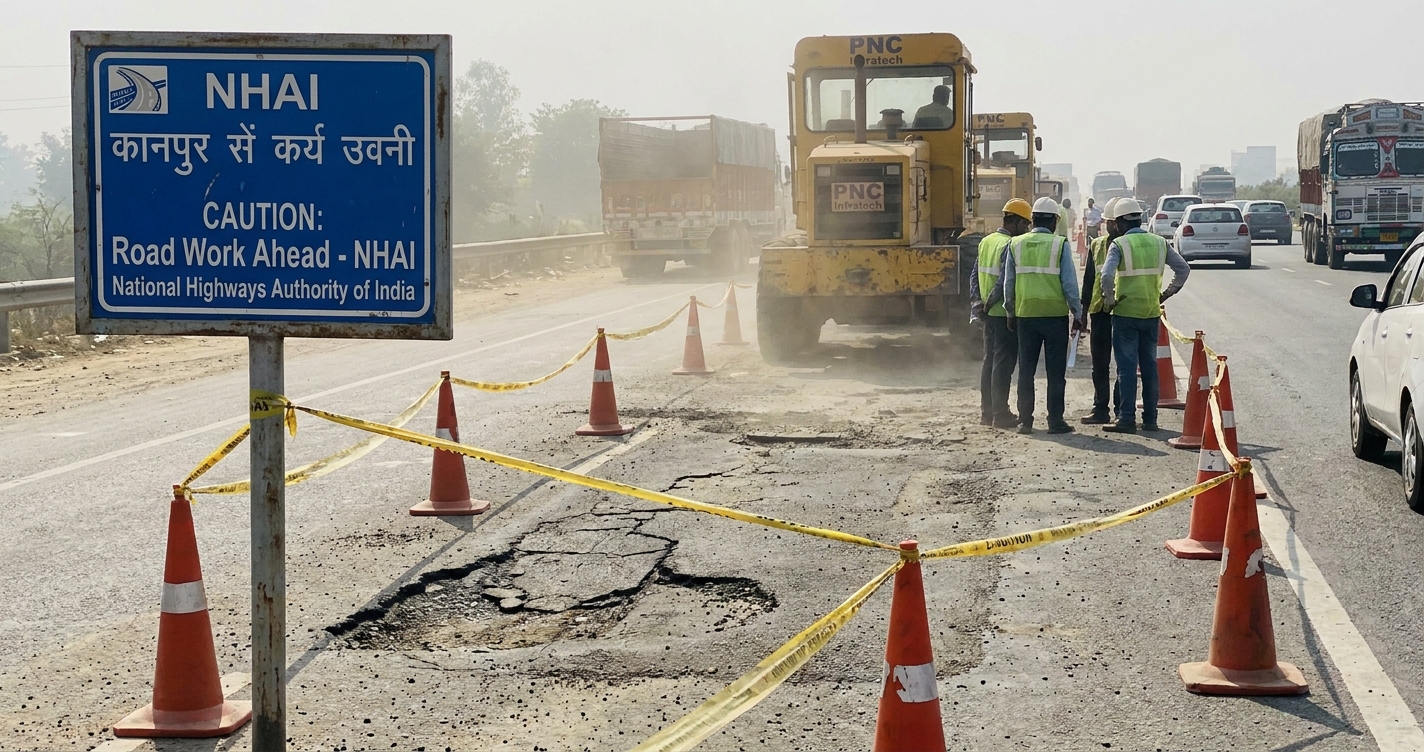
NHAI has debarred PNC Infratech from its tenders for three years and, critically, extended the penalty upward from the Awadh Expressway concessionaire


Powered by

© Tuskus 2025 - All Rights Reserved by Teamic Creative Lab Pvt. Ltd.
