The Chakhesang Students Union has given NHIDCL 72 hours to terminate the contractor on the Chakhabama-Kikruma package of NH-29, with 44.30% physical p


insghits
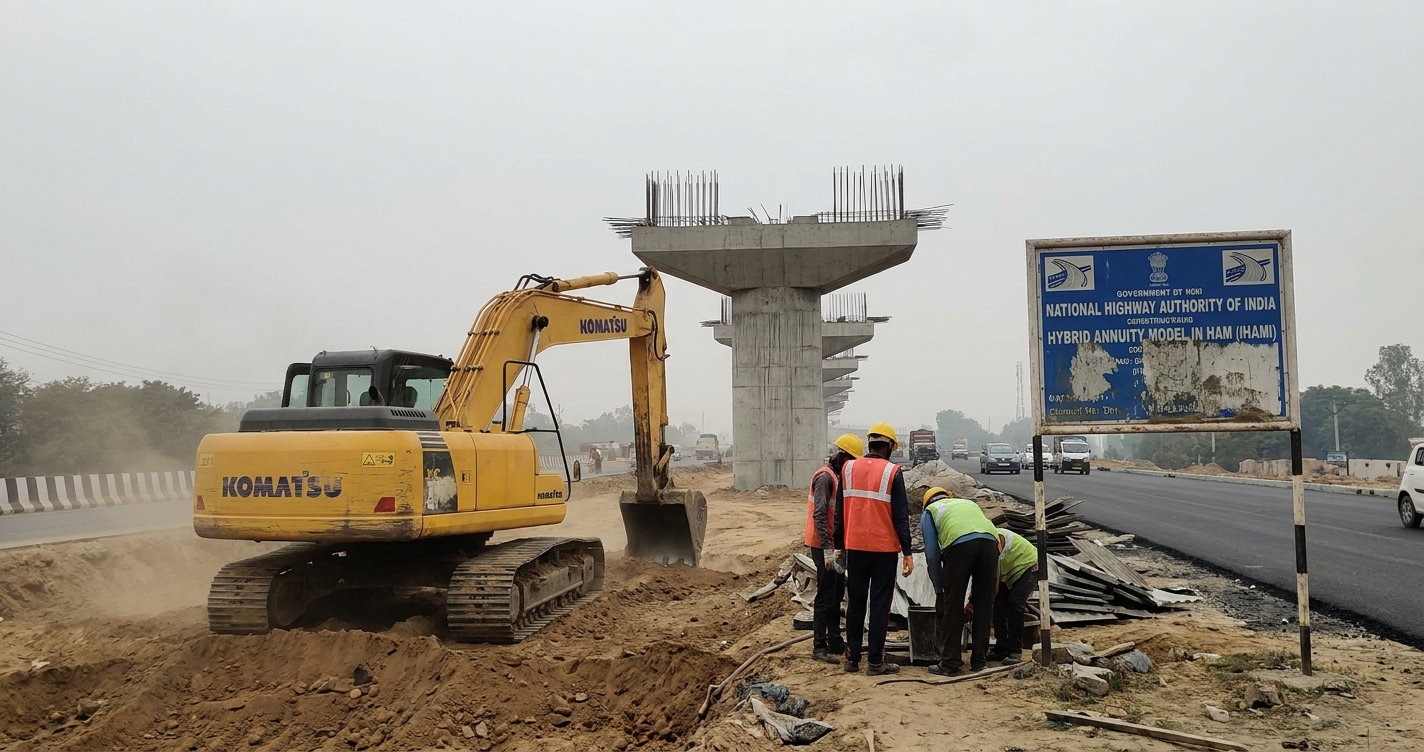
MoRTH's 10 July notification — raising the minimum available net worth requirement to 20% of estimated project cost from 15% and enlarging package sizes — is functioning less as a procurement tweak and more as a balance-sheet filter. India Ratings & Research (Ind-Ra) now records average HAM bidder participation falling from 13 to 10 during FY26, with the fourth quarter skewing toward larger packages and higher bid costs.
The immediate winners are sponsors with deeper equity and stronger credit profiles. Ind-Ra analyst S Suryanarayanan notes that awards to strong sponsors improved in FY26 for the first time after a prolonged decline. The trade-off is concentration: fewer bidders per package, but fewer marginal balance sheets winning work they cannot sustain.
The credit rationale sits inside NHAI's under-construction portfolio. Ind-Ra estimates roughly half of NHAI's HAM projects face delays beyond 12 months on the following issues:
- Land and work-front issues
- Standardised construction periods
- Material sourcing and approvals
Around 40% of those delayed projects are run by sponsors that entered after MoRTH relaxed bidding norms in 2021.
With 67% of new-sponsor projects leveraged above 70%, the 2021 relaxation has left a visible credit scar that the new threshold is designed to close.
The commercial divide is already behavioural. Stronger sponsors have monetised close to 80% of operational projects, while new sponsors have leaned on the top-up route for 55% of completed projects — a sign of constrained equity and refinancing pressure rather than genuine asset quality.
The deeper signal is strategic.
MoRTH's HAM reset is a quiet re-pricing of execution risk through qualification, not contract terms.
It protects NHAI's delivery pipeline but consolidates the market toward a narrower set of capitalised developers.
Meanwhile, the HAM-to-BOT shift stays stalled: no BOT awards in FY26 after just 209.8 km in FY25, even as the revised Model Concession Agreement adds lender protections and traffic-risk sharing.
Until BOT bankability improves, HAM remains the default — with a higher entry bar and a thinner, stronger bidder pool.
Insights
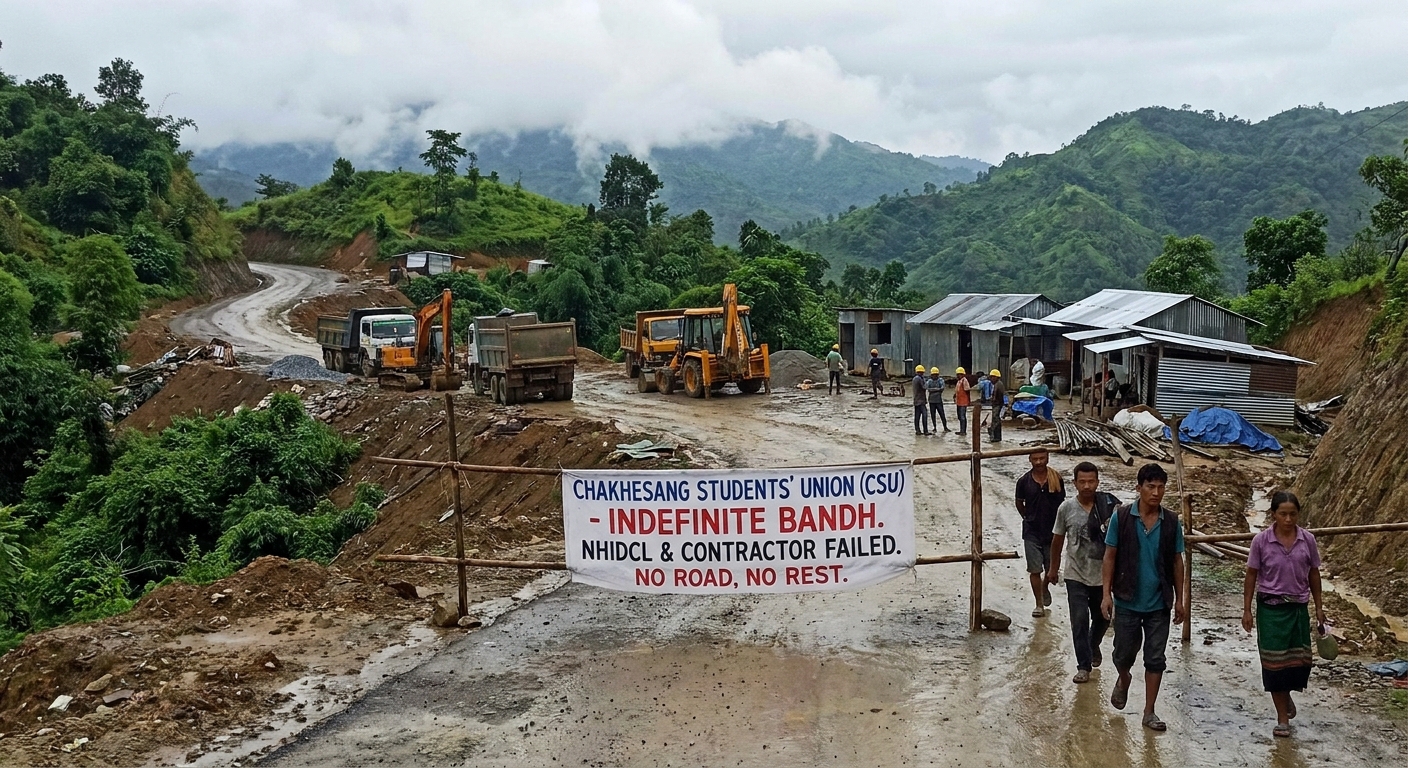
The Chakhesang Students Union has given NHIDCL 72 hours to terminate the contractor on the Chakhabama-Kikruma package of NH-29, with 44.30% physical p
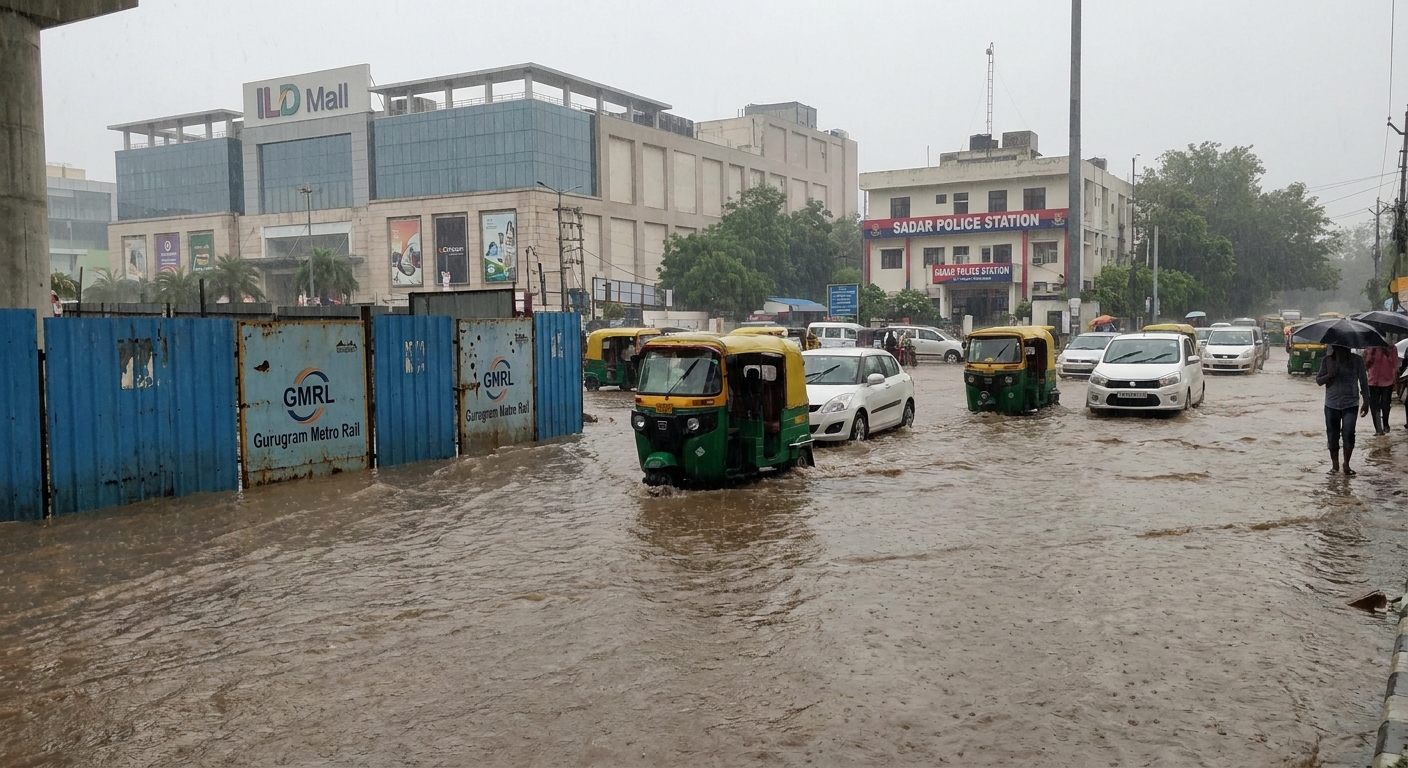
Gurugram Metro Rail Limited has locked the alignment and access gates for the Subhash Chowk Metro station, but both entrances sit in a stretch that fl
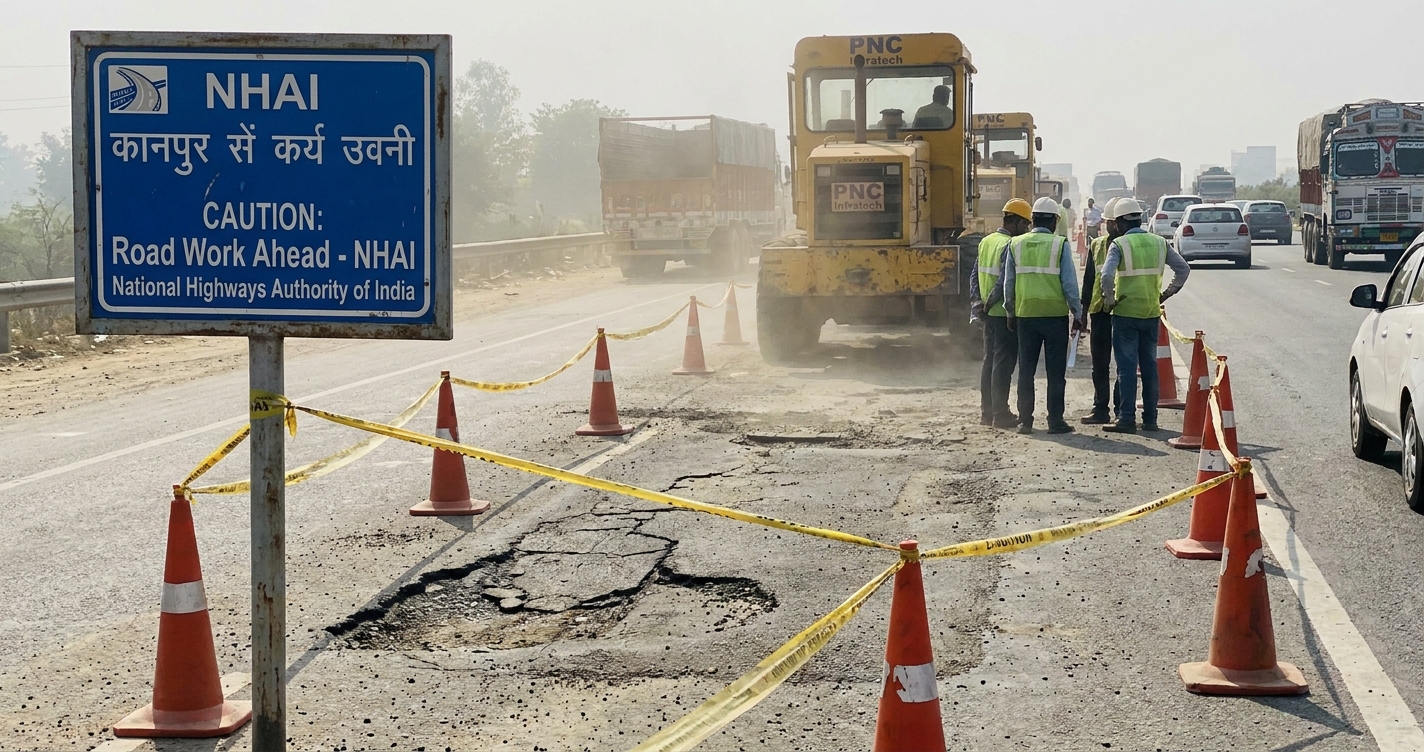
NHAI has debarred PNC Infratech from its tenders for three years and, critically, extended the penalty upward from the Awadh Expressway concessionaire


Powered by

© Tuskus 2025 - All Rights Reserved by Teamic Creative Lab Pvt. Ltd.
