The Chakhesang Students Union has given NHIDCL 72 hours to terminate the contractor on the Chakhabama-Kikruma package of NH-29, with 44.30% physical p


insghits
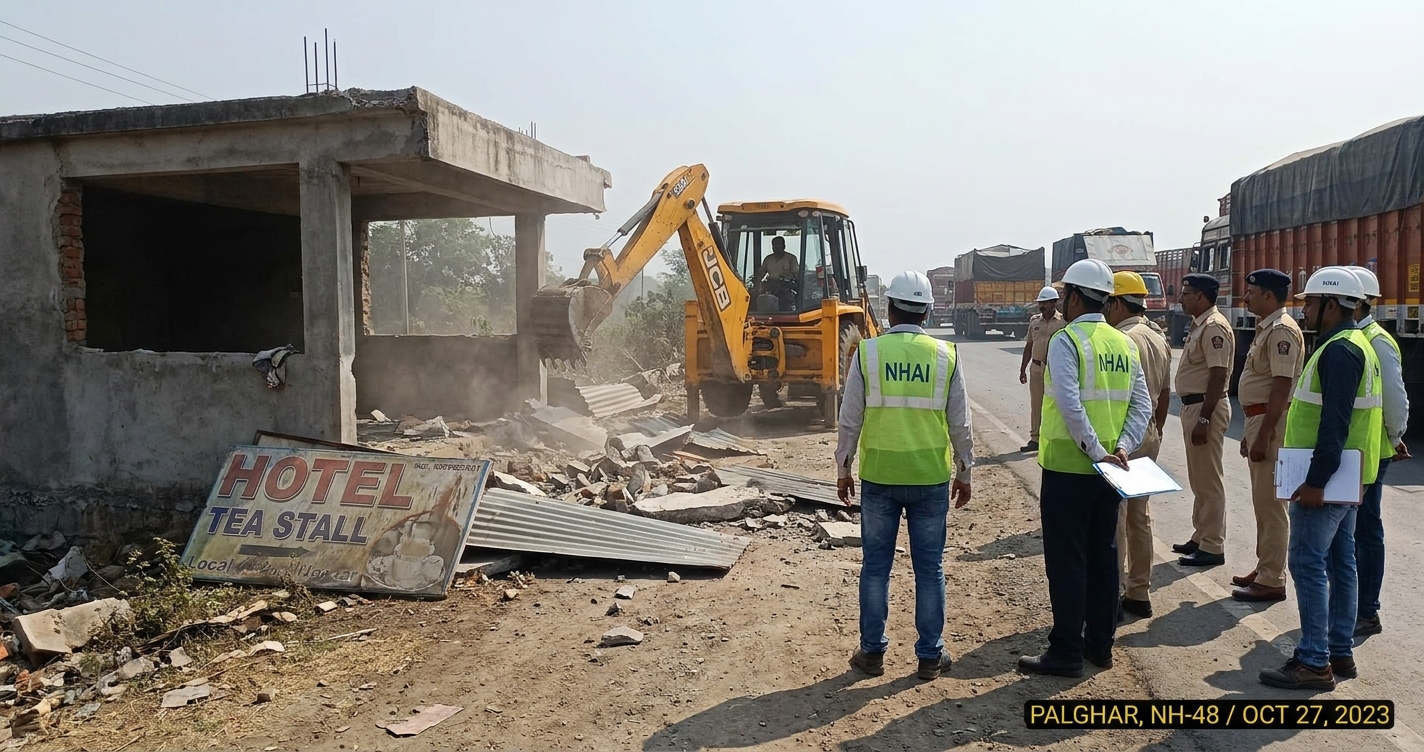
The National Highways Authority of India (NHAI) now faces a hard administrative clock. Palghar Collector Indu Rani Jakhar has ordered clearance of 114 encroachments spanning 73,831 square metres of built-up area along the Mumbai-Ahmedabad National Highway (NH-48) within 15 days, after a review meeting where she rejected jurisdiction-based delays and demanded a detailed Action Taken Report.
The encroachment profile is commercial, not incidental. It includes:
- Roadside hotels
- Eateries
- Shops
- Parking areas
- Puncture shops
- Tea stalls
Their removal is a right-of-way (RoW) enforcement exercise tied to corridor safety, tolling integrity and widening headroom on one of India's most congested freight and passenger arteries.
Jakhar's directive converts a long-running clearance drive into a time-bound, monitored obligation.
NHAI had earlier inspected only 80 encroached properties. The district administration has now classified all 114 violations by legal status of land.
NHAI and the Forest Department are acting within their respective jurisdictions. Notices have been issued for reserved and protected forest areas.
The structural signal is governance accountability, not just land clearance.
A district collector imposing a 15-day deadline with an Action Taken Report and police deployment signals collapsing administrative tolerance for RoW erosion on high-value corridors.
For NHAI, unencumbered RoW is a precondition for asset valuation under its monetisation pipeline, where clean encumbrance records directly affect tolling efficiency and the bankability of future InvIT and toll-operate-transfer (TOT) tranches.
For contractors and EPC players on the corridor, cleared RoW reduces site handover friction and rework risk, but the near-term picture is mixed.
Clearance drives of this scale carry law-and-order exposure, local business displacement and possible litigation, which can delay access even as legal encumbrance is removed.
The exposed party is NHAI, which now carries the execution burden, the commercial risk of resistance and the reputational cost of non-compliance.
The district administration holds the enforcement lever, while the police and Forest Department hold operational levers.
The ultimate beneficiary is corridor safety and asset value, provided NHAI converts the deadline into verifiable removal rather than a paper Action Taken Report.
For industry stakeholders, the Palghar directive is a template: expect more district-led, time-bound RoW enforcement on monetisable highway corridors, with NHAI held to delivery metrics rather than process narratives.
Insights
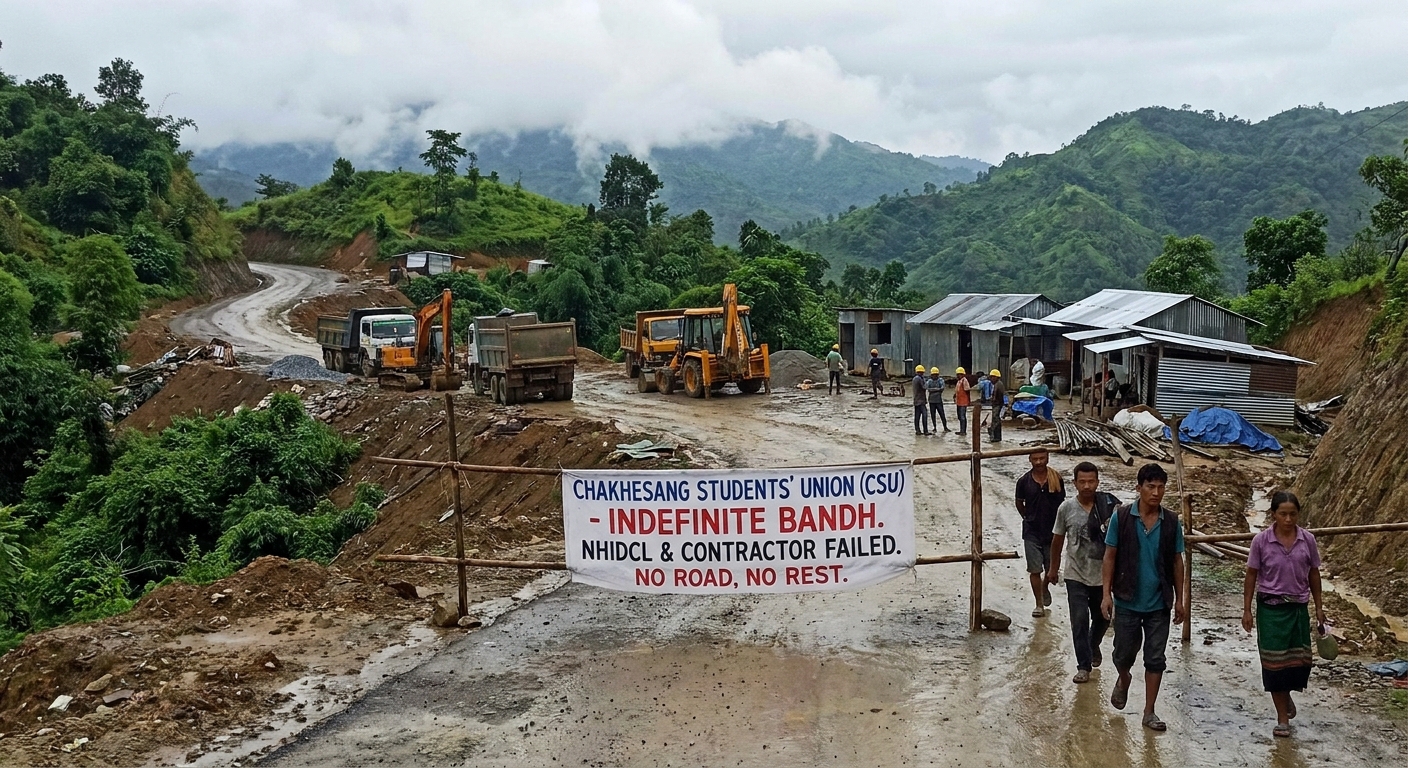
The Chakhesang Students Union has given NHIDCL 72 hours to terminate the contractor on the Chakhabama-Kikruma package of NH-29, with 44.30% physical p
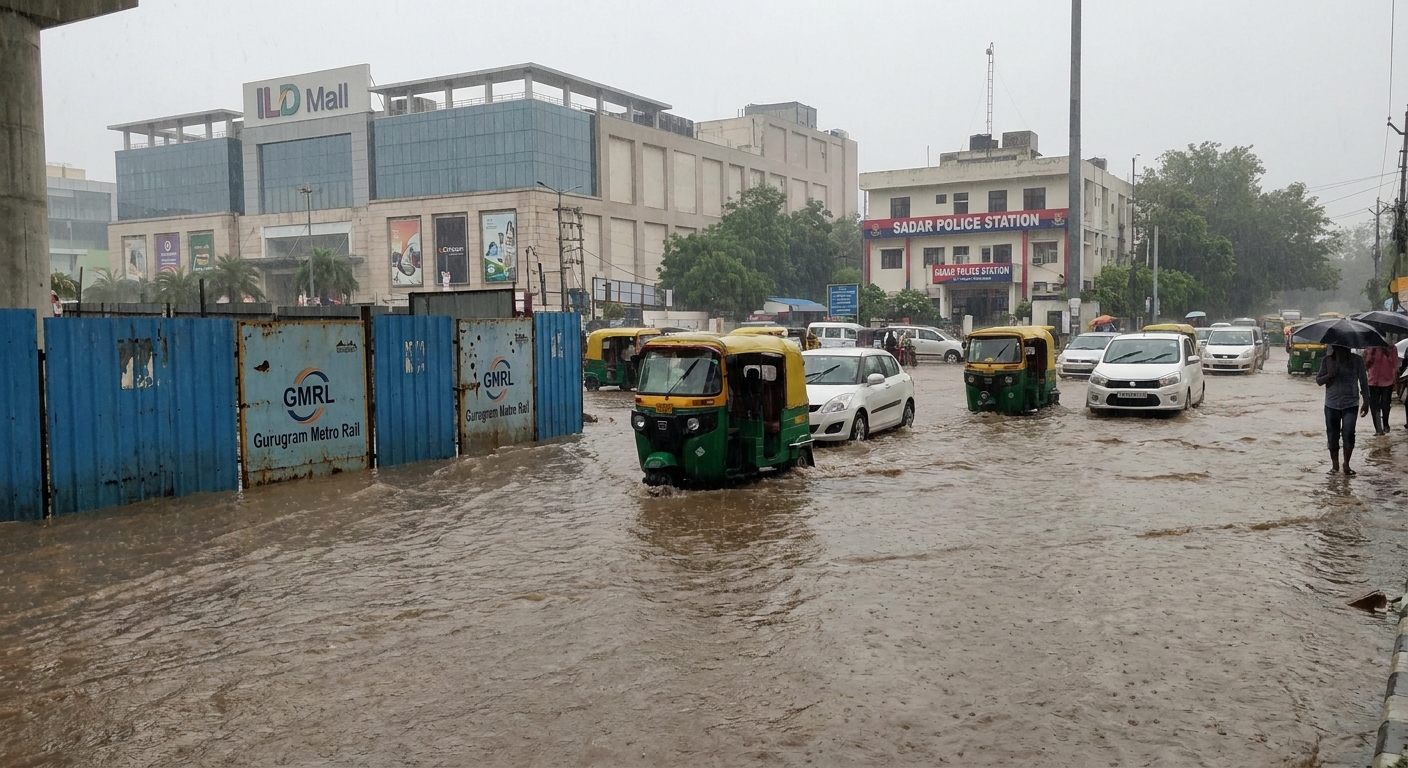
Gurugram Metro Rail Limited has locked the alignment and access gates for the Subhash Chowk Metro station, but both entrances sit in a stretch that fl
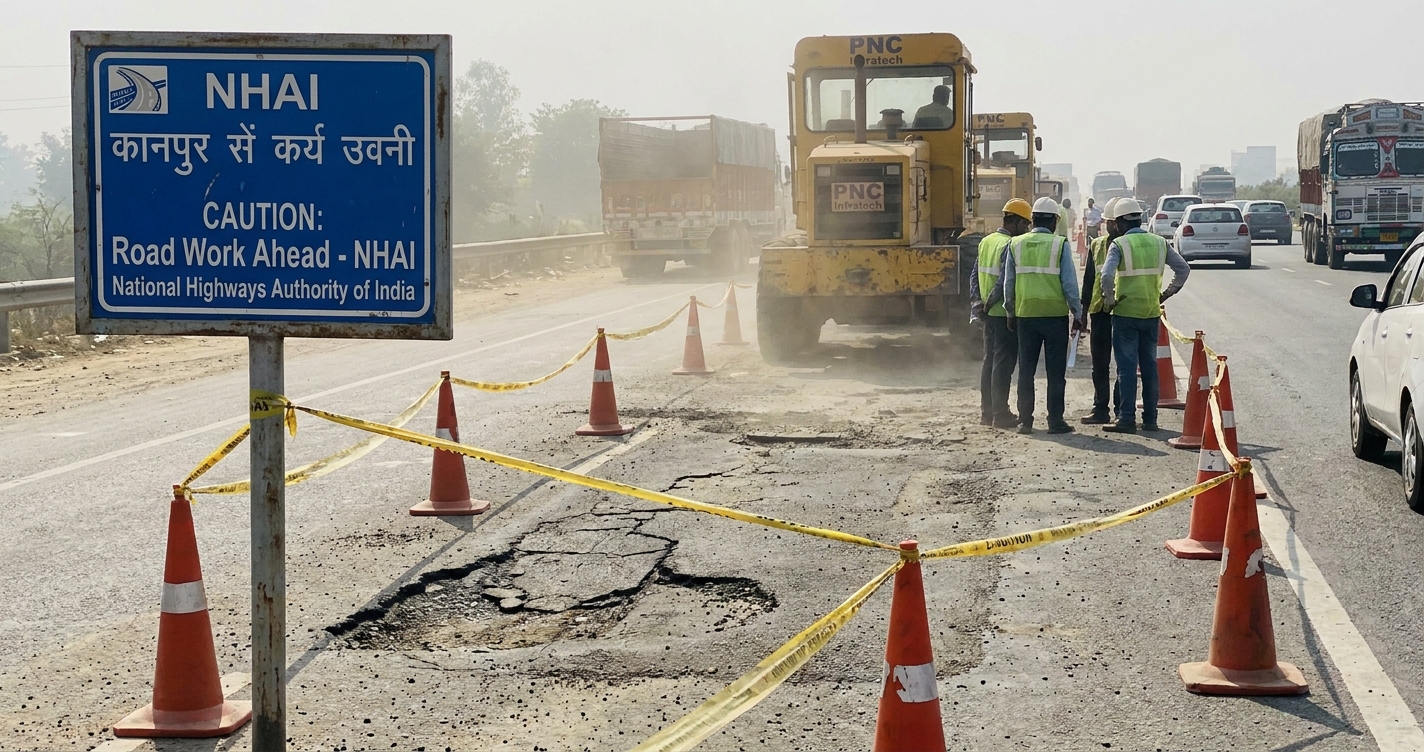
NHAI has debarred PNC Infratech from its tenders for three years and, critically, extended the penalty upward from the Awadh Expressway concessionaire


Powered by

© Tuskus 2025 - All Rights Reserved by Teamic Creative Lab Pvt. Ltd.
