The Chakhesang Students Union has given NHIDCL 72 hours to terminate the contractor on the Chakhabama-Kikruma package of NH-29, with 44.30% physical p


insghits
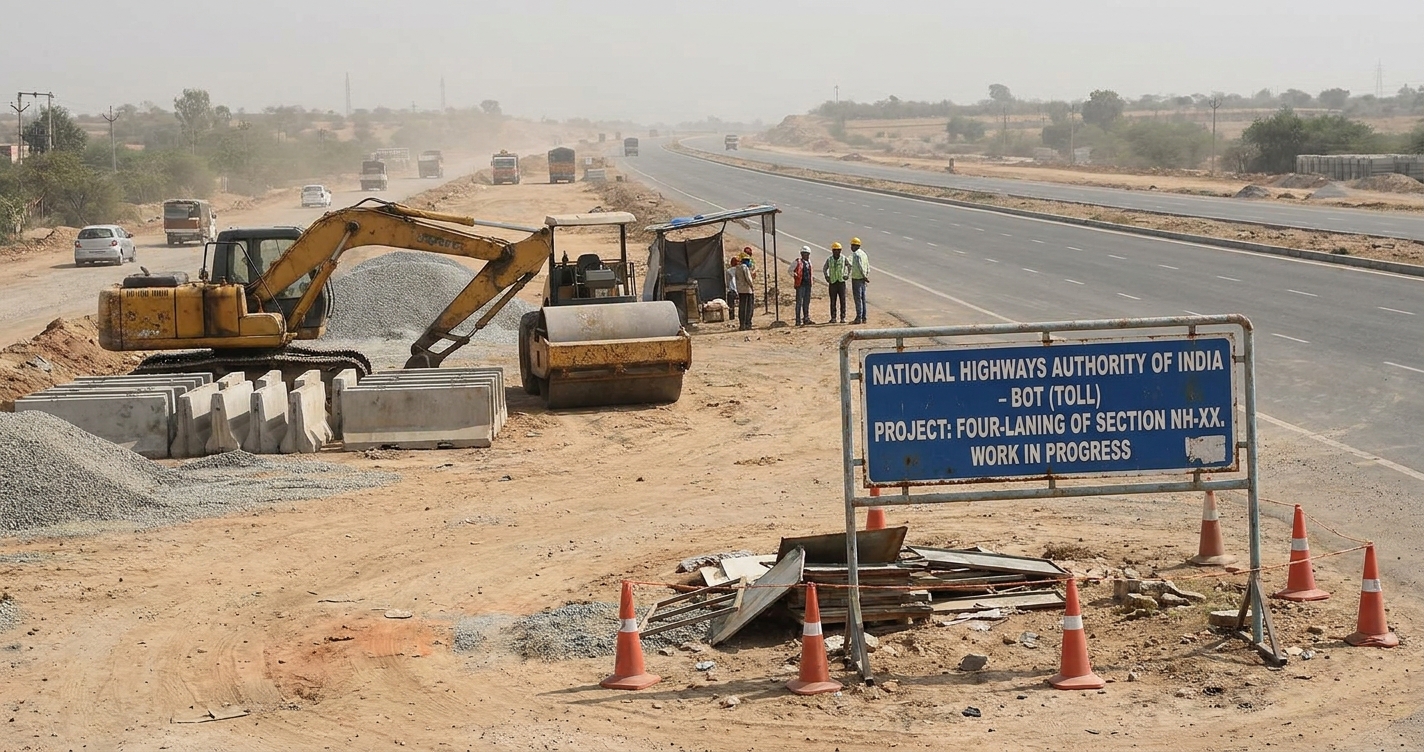
The National Highways Builders Federation (NHBF) has formally asked the Ministry of Road Transport and Highways (MoRTH) to shift upcoming tenders to the build-operate-transfer (BOT) annuity model, arguing the current BOT (toll) structure is becoming unfundable in its present form.
The trigger is not hypothetical. Recent BOT (toll) packages floated by the National Highways Authority of India (NHAI) drew no bids—a market verdict the federation, in an August 18 submission, attributes to an “unacceptably high” risk profile under the existing model concession agreement.
Under BOT (toll), the concessionaire finances, builds, operates, and collects tolls directly, carrying full traffic and revenue risk. Under BOT (annuity), the authority pays fixed, regular amounts across the concession period, transferring demand risk back to the state.
NHBF’s demand is effectively a call to retain private financing and construction while moving demand risk off the developer’s balance sheet.
Three grievances are driving the standoff:
- “Unfair default classifications” when traffic underperforms
- Slow and costly dispute resolution
- Delay compensation that does not cover real construction and financing costs
The commercial logic matters more than the contractual language. Indian lenders have been reluctant to underwrite pure traffic risk since the 2011–2015 wave of aggressive BOT (toll) bids left stretched balance sheets and stalled assets.
The Hybrid Annuity Model (HAM) was introduced precisely to bridge that gap. NHBF’s annuity push signals the industry—and, implicitly, its banks—still will not accept demand risk at current bid levels.
For large toll-portfolio concessionaires such as IRB Infrastructure Developers and Ashoka Buildcon, the economics are direct: annuity payments preserve cash-flow certainty but surrender toll upside, while an unrevised BOT (toll) model risks leaving tenders unbiddable.
For MoRTH and NHAI, the cost is fiscal. BOT (toll) monetizes traffic risk and shifts capex off the public balance sheet; annuity obligations sit with the authority.
Accepting NHBF’s position preserves private construction and financing participation but concentrates revenue risk back with the state.
The real signal is not a single clause dispute. It is that the government’s ambition to revive asset-heavy, toll-backed private road projects is colliding with a private capital base that has repriced demand risk.
Until bankability—not just policy intent—is restored in the model concession agreement, zero-bid outcomes will remain the market’s clearest feedback.
Insights
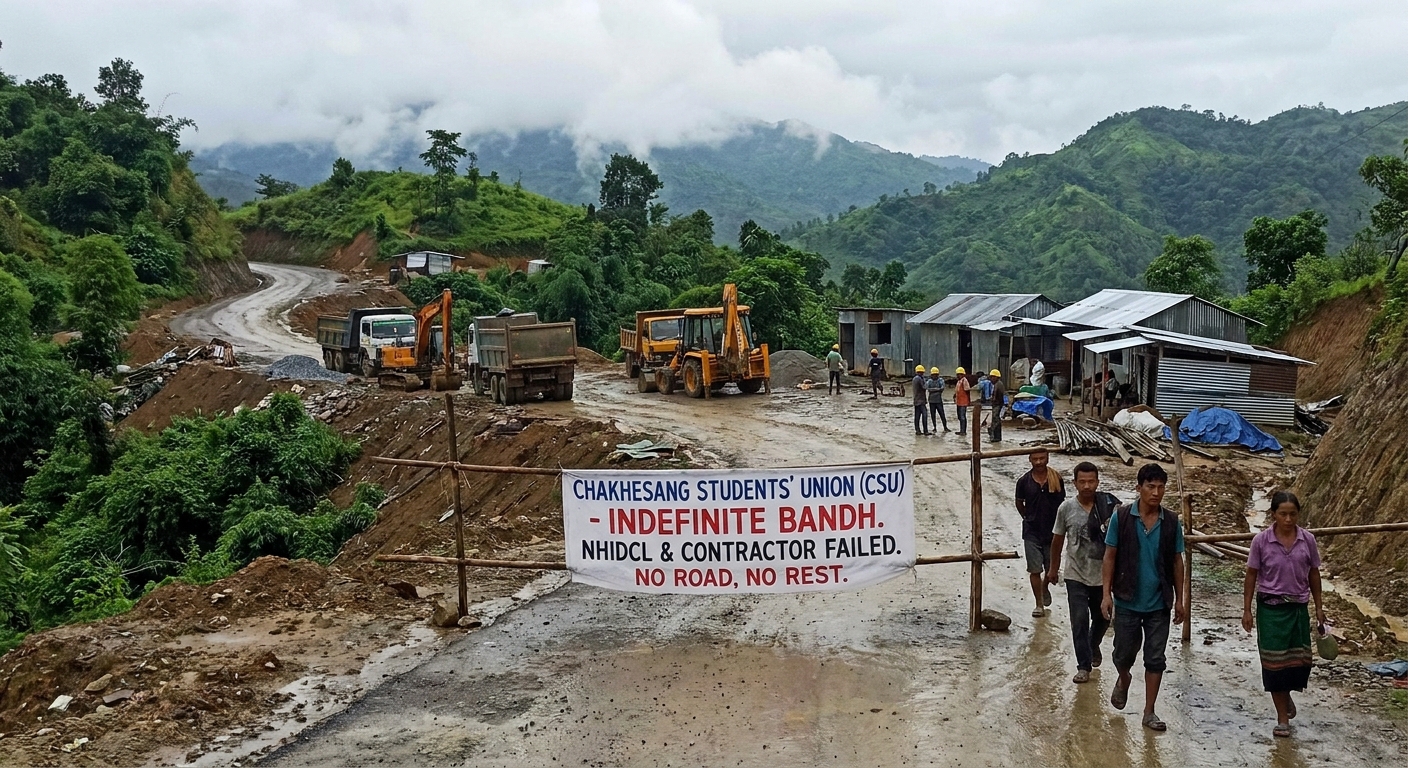
The Chakhesang Students Union has given NHIDCL 72 hours to terminate the contractor on the Chakhabama-Kikruma package of NH-29, with 44.30% physical p
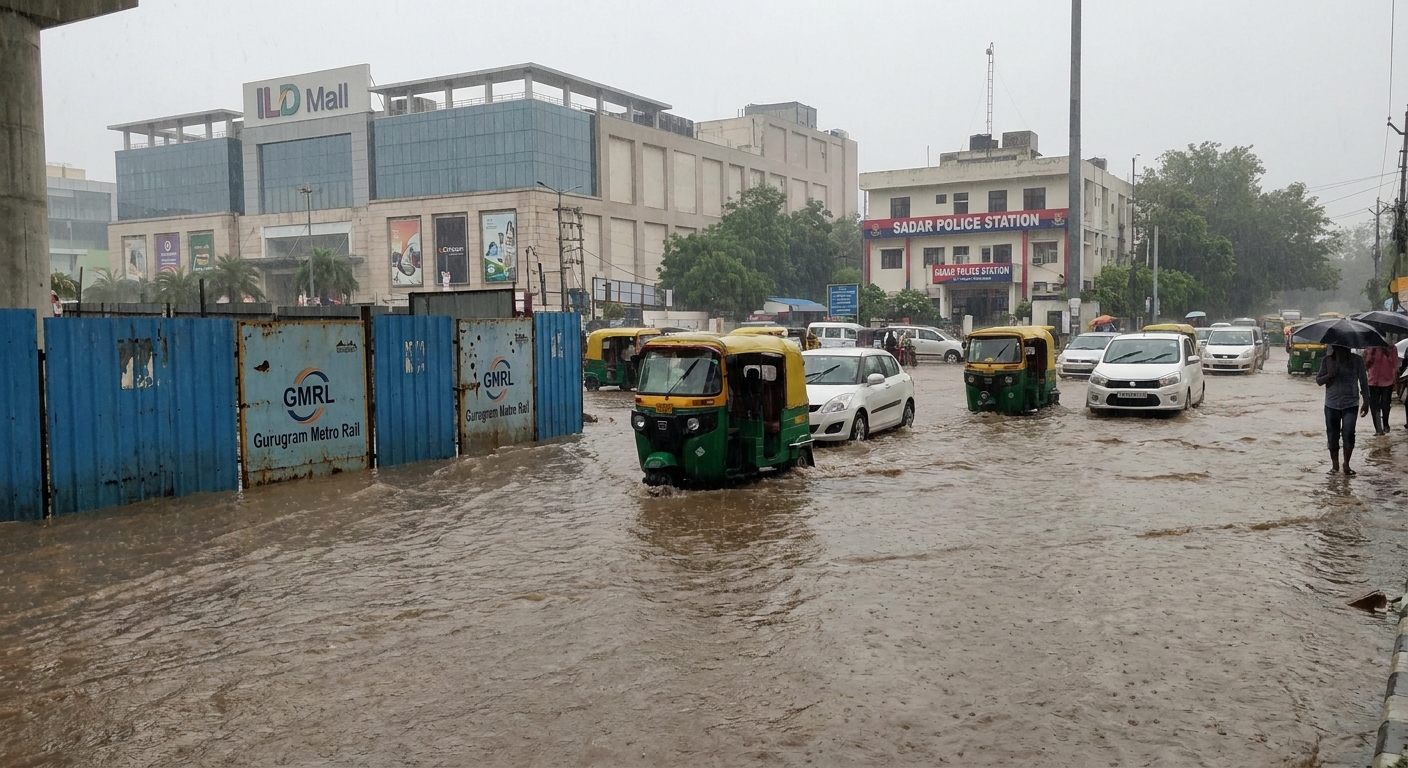
Gurugram Metro Rail Limited has locked the alignment and access gates for the Subhash Chowk Metro station, but both entrances sit in a stretch that fl
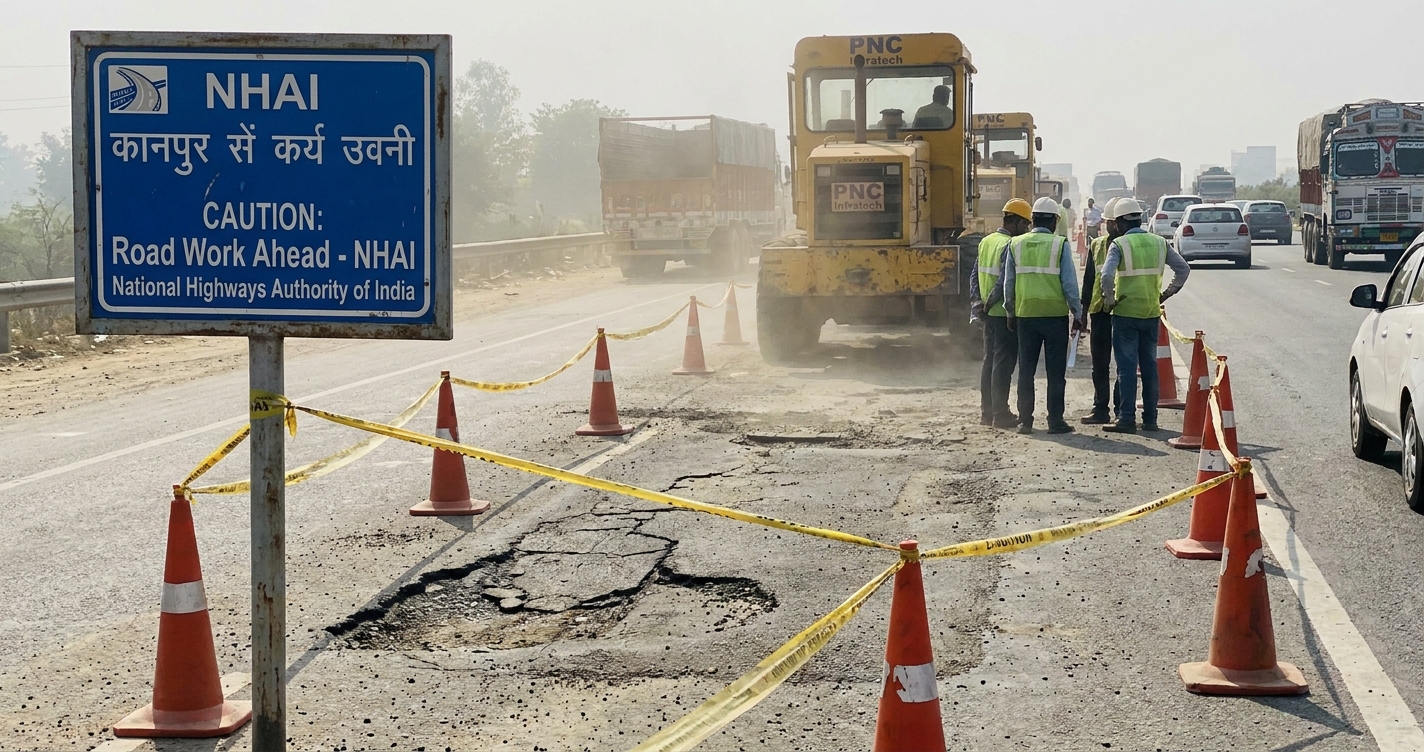
NHAI has debarred PNC Infratech from its tenders for three years and, critically, extended the penalty upward from the Awadh Expressway concessionaire


Powered by

© Tuskus 2025 - All Rights Reserved by Teamic Creative Lab Pvt. Ltd.
