The Chakhesang Students Union has given NHIDCL 72 hours to terminate the contractor on the Chakhabama-Kikruma package of NH-29, with 44.30% physical p


insghits
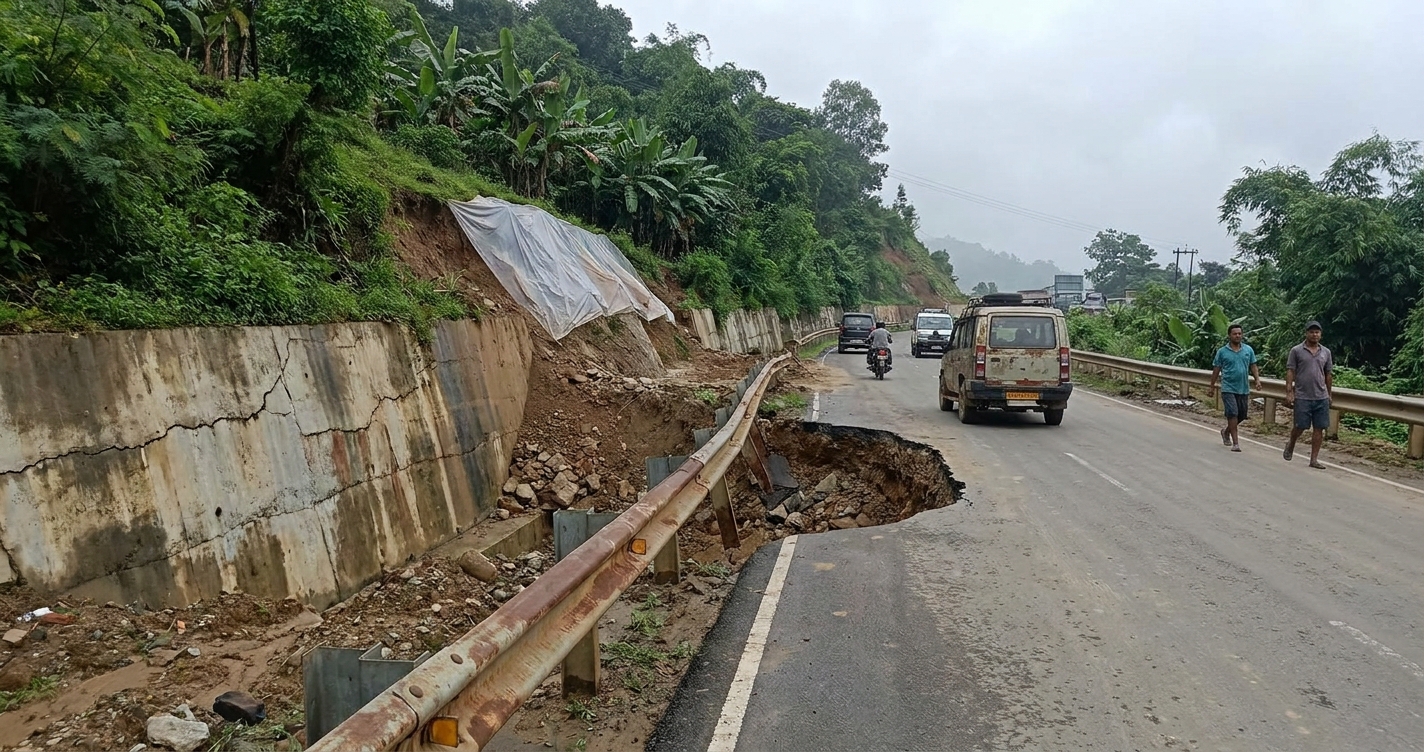
The National Highways & Infrastructure Development Corporation Limited (NHIDCL) is now facing a post-completion accountability crisis in Nagaland, not a construction one. The Naga Students' Federation (NSF), through president Mteisuding and general secretary Kenilo Kent, has moved the five-year defect liability period (DLP) of the four-lane Dimapur-Kohima road from a routine contract provision into a governance dispute.
The sequence matters. NHIDCL issued a completion certificate in 2023. The road is now inside its DLP.
Yet NSF documents damaged stretches, collapsing side walls, failing slope protection, inadequate drainage and missing four-lane bridge sections.
The core question is not whether defects exist; it is why the DLP has not been enforced.
In EPC contracts, the DLP is a commercial instrument. Retention money sits with the owner as leverage. Defects identified in this window oblige the contractor to rectify at its own cost.
If NHIDCL has not compelled rectification or penalised contractors, the defect liability mechanism is effectively dormant. That is the structural failure.
NSF's list extends beyond one corridor:
- Kohima bypass
- Kohima-Mao upgradation
- Dimapur bypass
- NH-29 slope protection
- NH-202 Akash Bridge-Jessami Road
- NH-129A Peren-Dimapur Packages II and III
This is not an isolated stretch. It is a portfolio-wide pattern across NHIDCL's Nagaland order book.
The commercial signal is sharp. A 2023 completion certificate that coexists with missing four-lane bridge infrastructure and absent safety barriers suggests the completion inspection protocol accepted non-conforming work.
That shifts exposure to NHIDCL's supervision consultants and internal quality assurance chain, not only to unnamed contractors.
NSF's demand for termination and blacklisting converts a technical rectification issue into a contracting consequence.
If the Ministry of Road Transport and Highways and NHIDCL respond with enforcement, contractors face retention forfeiture and debarment risk. If they do not, the DLP loses commercial credibility across the agency's difficult-terrain portfolio.
For Nagaland's government, this is leverage. NSF has effectively performed the owner's surveillance function and handed the state a political instrument to demand faster completion and stricter maintenance.
For road users, the stakes are safety, drainage and slope stability in monsoon terrain.
The deeper shift is this: civil society is now monitoring EPC contract administration. Owners that certify completion while leaving defects unresolved will find their DLPs weaponised, not by contractors, but by the public.
NHIDCL's response will set a precedent for defect liability enforcement across the Northeast.
Insights
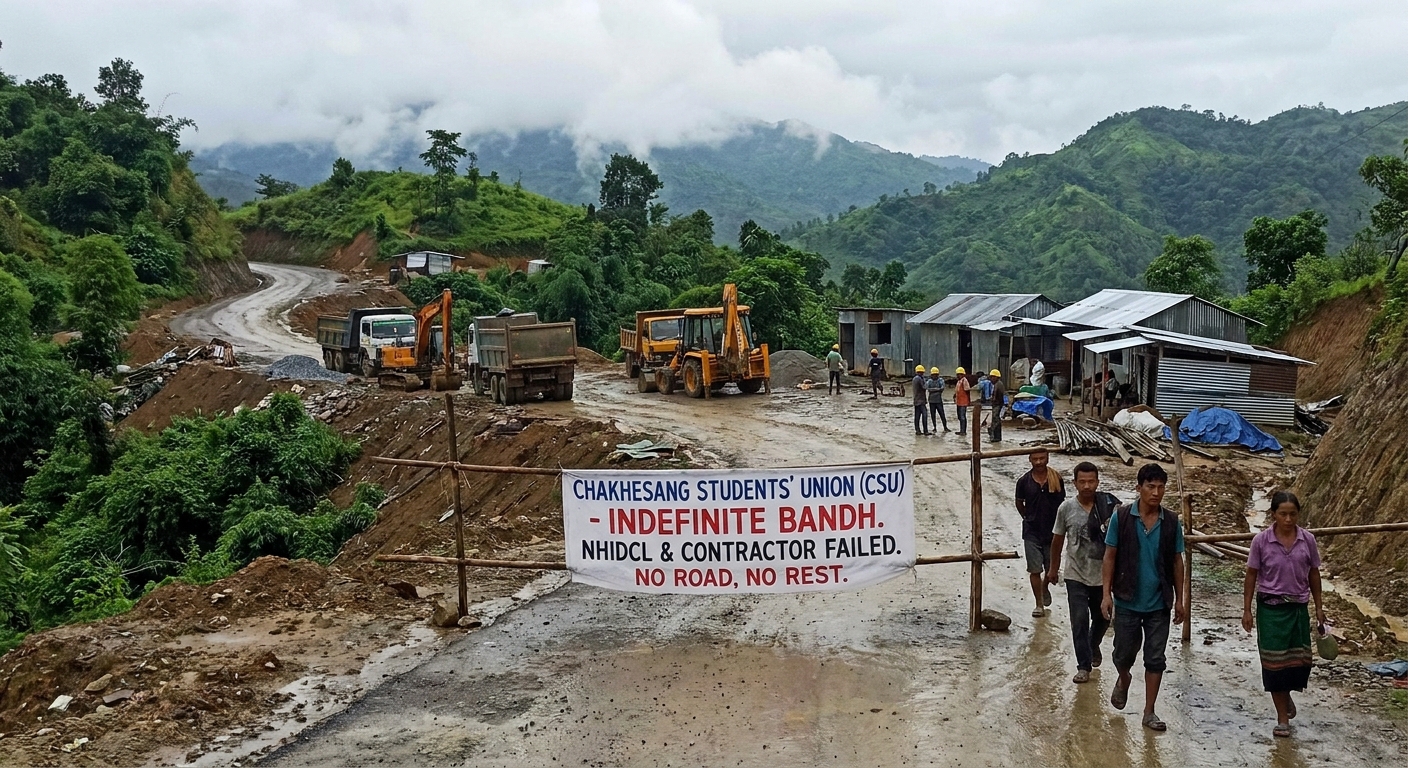
The Chakhesang Students Union has given NHIDCL 72 hours to terminate the contractor on the Chakhabama-Kikruma package of NH-29, with 44.30% physical p
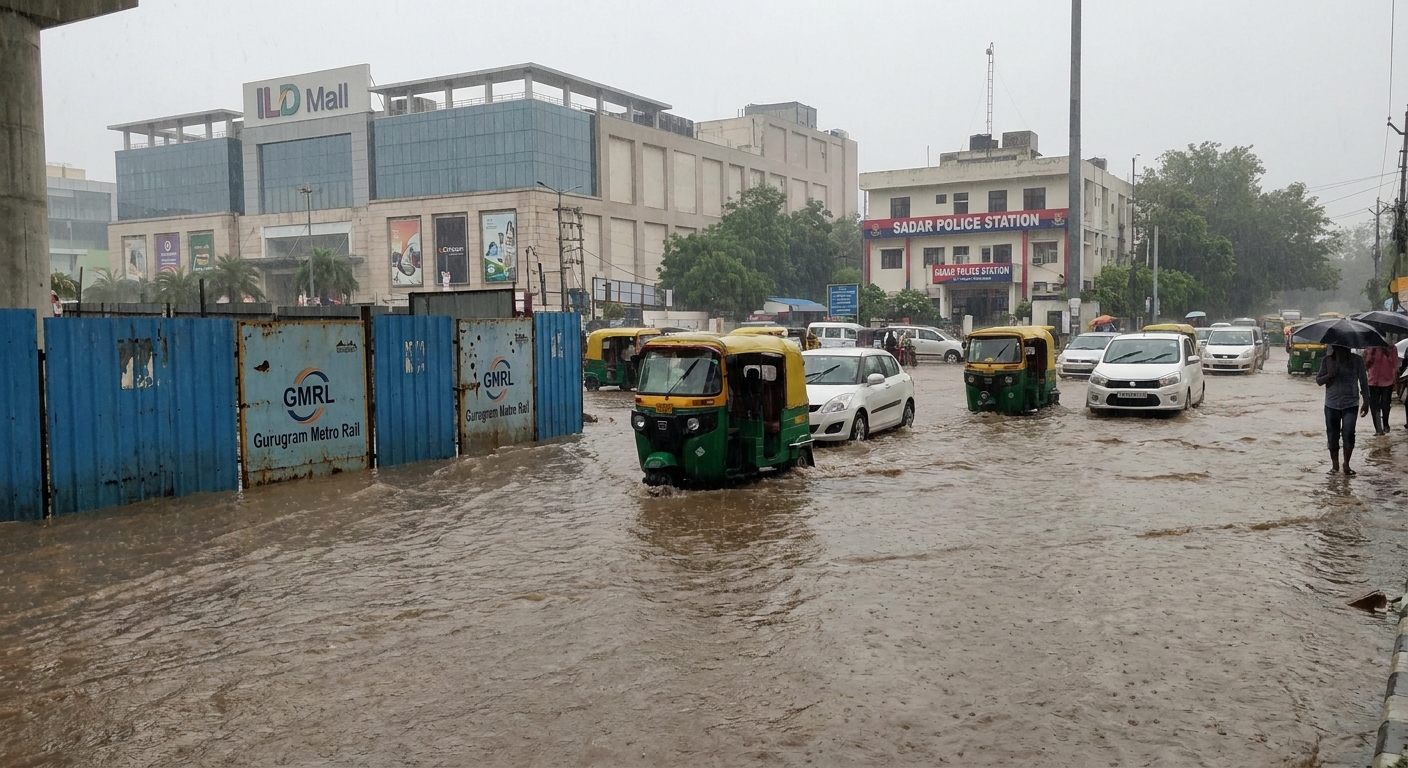
Gurugram Metro Rail Limited has locked the alignment and access gates for the Subhash Chowk Metro station, but both entrances sit in a stretch that fl
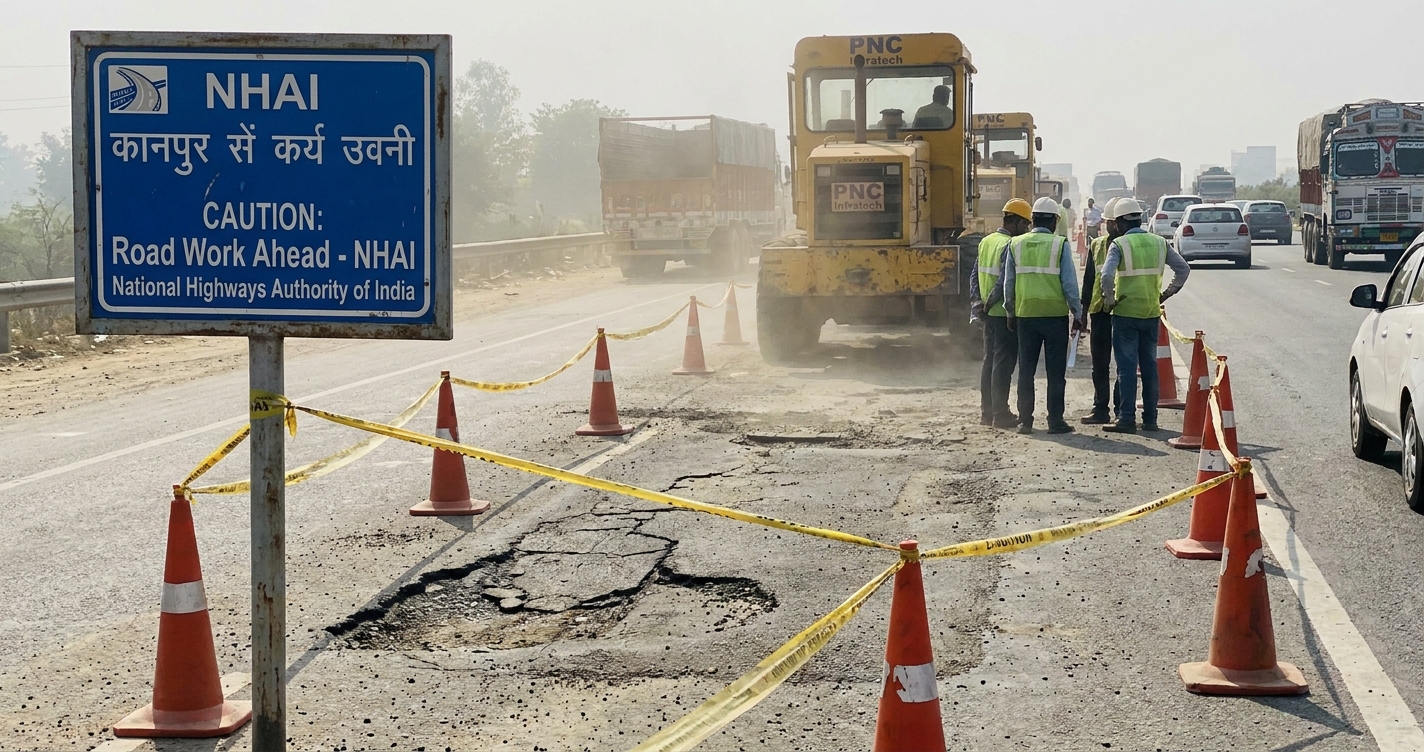
NHAI has debarred PNC Infratech from its tenders for three years and, critically, extended the penalty upward from the Awadh Expressway concessionaire


Powered by

© Tuskus 2025 - All Rights Reserved by Teamic Creative Lab Pvt. Ltd.
