The Chakhesang Students Union has given NHIDCL 72 hours to terminate the contractor on the Chakhabama-Kikruma package of NH-29, with 44.30% physical p


insghits
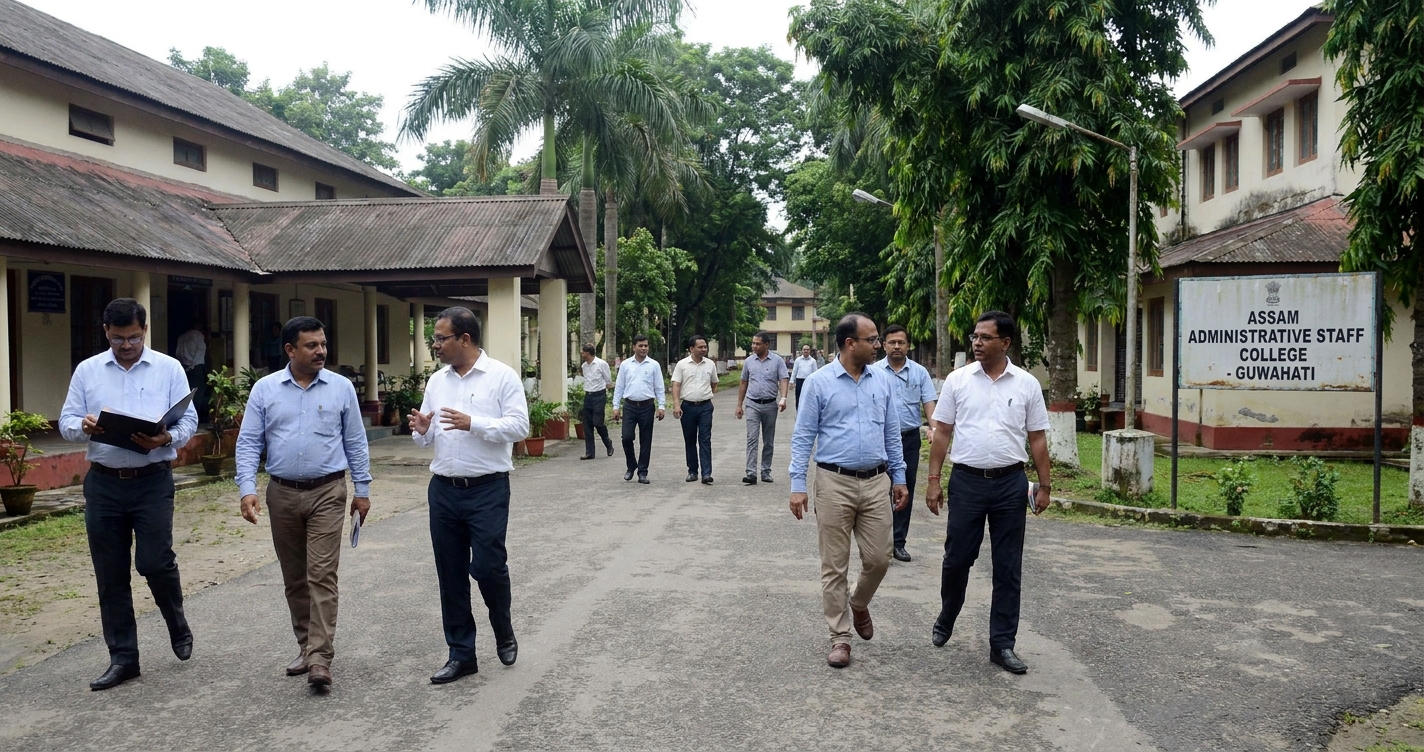
Guwahati has just reframed the Northeast infrastructure debate. Assam chief secretary Ravi Kota's call for northeastern states to lean on public-private partnerships is less a new idea than a signal that the Union finance ministry's Department of Economic Affairs (DEA) and NITI Aayog now want project preparation converted into state-level PPP pipelines, not conference outcomes.
Kota told a regional workshop at the Assam Administrative Staff College that healthcare, tourism, energy and urban infrastructure hold PPP potential.
PPPs are not merely financing vehicles, and risk allocation will determine whether any of these projects close. — Assam finance commissioner and secretary Jayant Narlikar
The mechanics discussed—Viability Gap Funding (VGF) and the India Infrastructure Project Development Fund (IIPDF)—tell the real story. Both are pre-procurement instruments.
IIPDF finances feasibility studies and transaction advisory; VGF subsidises capital costs to make marginal projects bankable. Northeast states were effectively asked to build a shelf of commercially structured projects before chasing bidders.
For contractors and developers, this is a capital-deployment signal, not an order-book signal. The near-term fee pool sits with transaction advisers, feasibility consultants and PPP specialists, not EPC players.
The Asian Development Bank's presence alongside DEA and NITI Aayog also points to multilateral technical and financing support—likely the more consequential route to actual awards than VGF alone.
The execution risk concentrates in three places:
- Demand risk in low-density states makes tourism and healthcare concessions hard to underwrite; VGF can bridge capital gaps but cannot manufacture revenues.
- State PPP cells across the Northeast remain thin on transaction capability, so pipelines risk stalling between identification and request-for-proposal.
- Weak state fiscal counterparties will also test private appetite for availability-payment structures.
The instruction for each state to outline viable projects and develop its own pipeline is the genuine shift. It moves the region from opportunistic PPP announcements toward institutionalised deal flow.
Whether that flow becomes bankable RFPs depends on how quickly Assam—the host and the region's most capable fiscal actor—sets a benchmark smaller states can replicate.
Insights
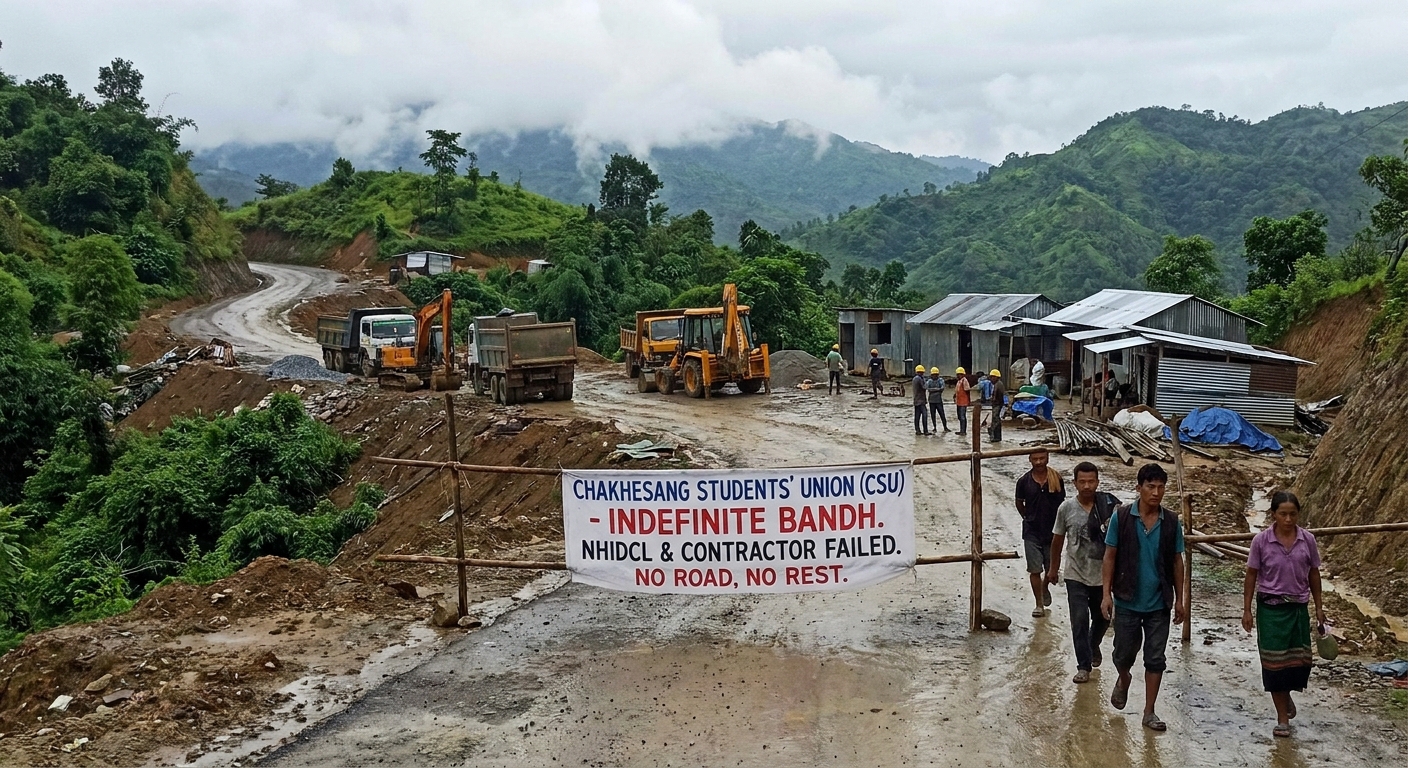
The Chakhesang Students Union has given NHIDCL 72 hours to terminate the contractor on the Chakhabama-Kikruma package of NH-29, with 44.30% physical p
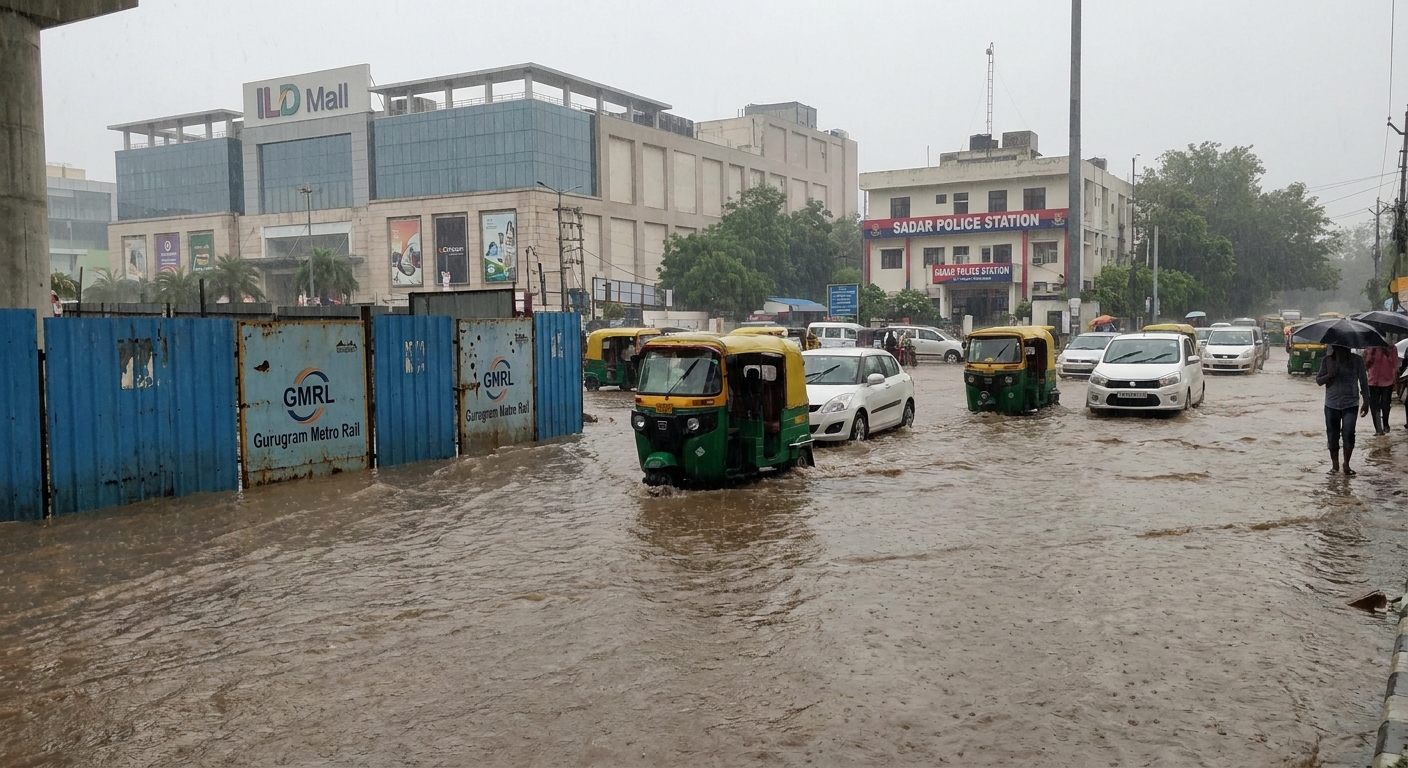
Gurugram Metro Rail Limited has locked the alignment and access gates for the Subhash Chowk Metro station, but both entrances sit in a stretch that fl
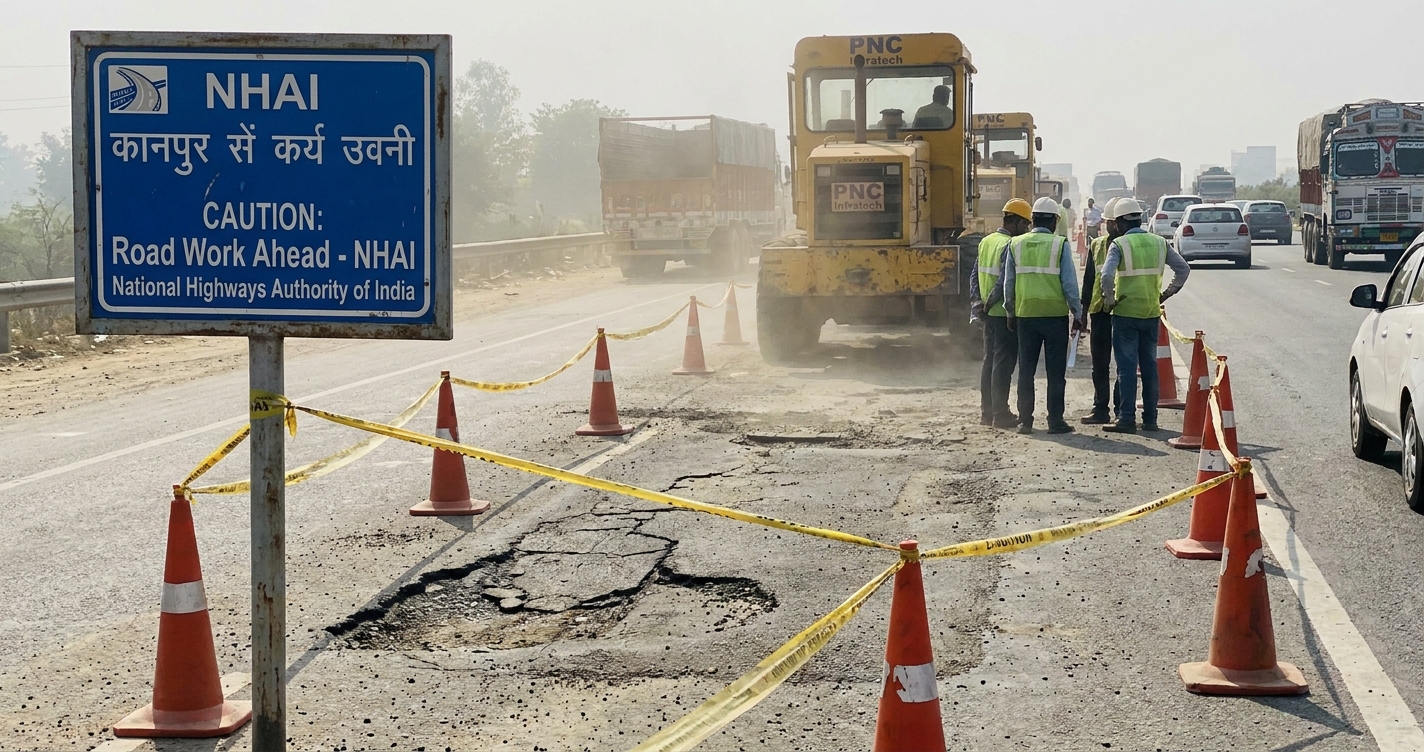
NHAI has debarred PNC Infratech from its tenders for three years and, critically, extended the penalty upward from the Awadh Expressway concessionaire


Powered by

© Tuskus 2025 - All Rights Reserved by Teamic Creative Lab Pvt. Ltd.
