The Chakhesang Students Union has given NHIDCL 72 hours to terminate the contractor on the Chakhabama-Kikruma package of NH-29, with 44.30% physical p


insghits
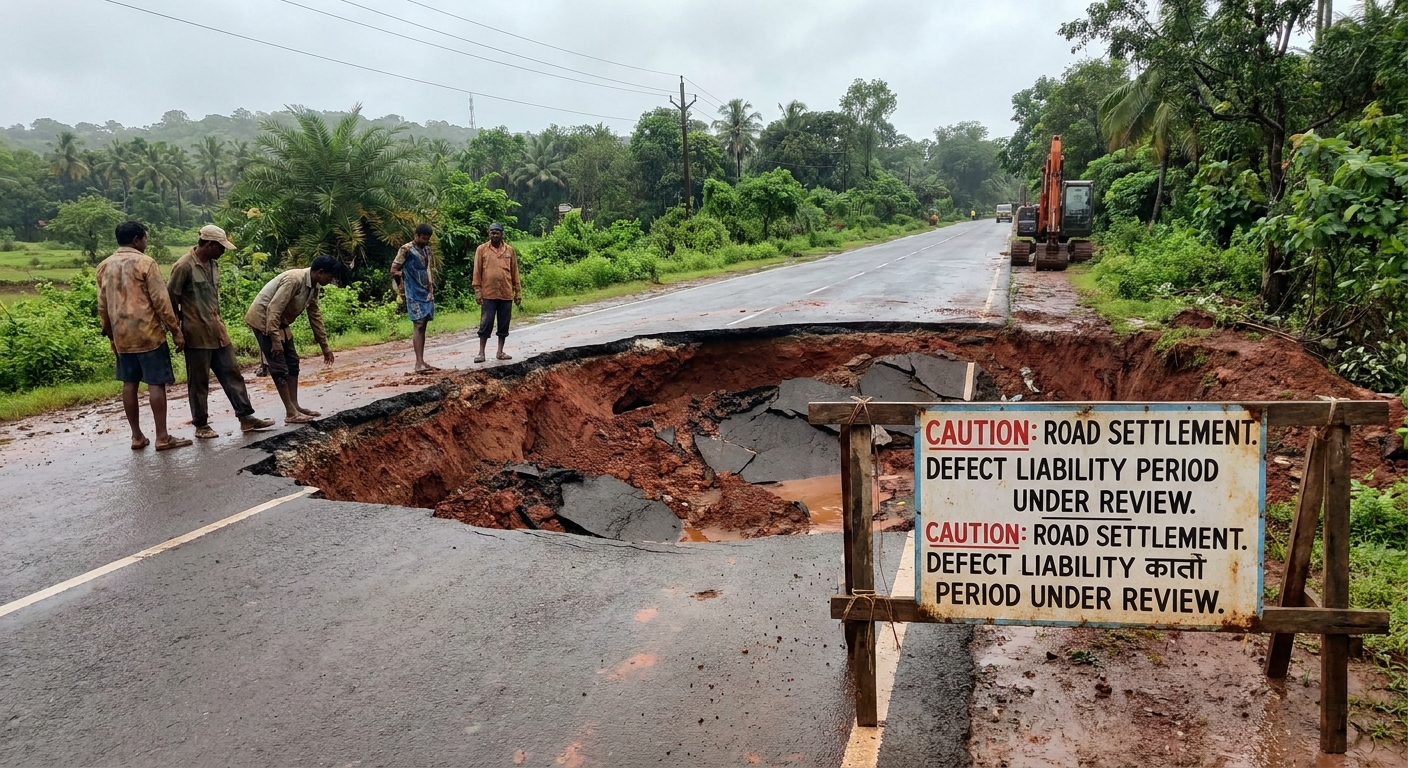
Eight months after handover, a stretch of Priol Road in Goa has settled by 15 to 18 metres of earth fill over roughly 200 metres. The first official instinct came from MLA and cabinet minister Govind Gaude, who defended the project and pointed to the defect liability period (DLP) rather than demanding the technical record. That posture — not the settlement alone — is the governance failure infrastructure professionals should be tracking.
Priol Road sits within Goa's Public Works Department procurement orbit, though the public report does not disclose the contractor, the supervising consultant, or the employer's engineer. Gaude's defence leans on the DLP, arguing that the contractor must rectify defects at its own cost. That is legally accurate and commercially beside the point.
A DLP is a backstop, not a delivery standard.
If earthwork, pavement layers and drainage had been designed and QA/QC-certified against Goan monsoon loading, an eight-month settlement of this scale would not be waved away as routine rainfall. The questions are contractual and engineering:
- Was the fill geotechnically tested before placement?
- Was compaction verified layer-wise?
- Was drainage designed to intercept subsurface flow?
- Were stage inspections certified?
None of those records is public.
The reference to the Kala Academy "Shahjahan model" matters as procurement precedent. Goa has normalised defect acceptance — rain, soil and "unforeseen circumstances" absorb blame while the named designer, supervisor and contractor stay invisible.
For contractors and consultants in the state, that is a two-sided signal. Weak owner-side supervision lowers the barrier for marginal players, but it also erodes confidence in a credible defect resolution process and pushes risk pricing into future tenders.
The commercial read is direct. The unnamed contractor now carries rectification cost under the DLP, converting whatever margin was booked on the package into an open liability until independent inspection closes the defect.
The deeper exposure sits with the owner's supervision chain and the political layer intermediating the response. If independent assessment confirms inadequate compaction or faulty drainage, the outcome should not stop at repairs. It should force a reset of how Goa procures, supervises and documents rural road packages — otherwise the DLP becomes a standing excuse for defective delivery, and taxpayers pay twice through traffic disruption and rework.
Insights
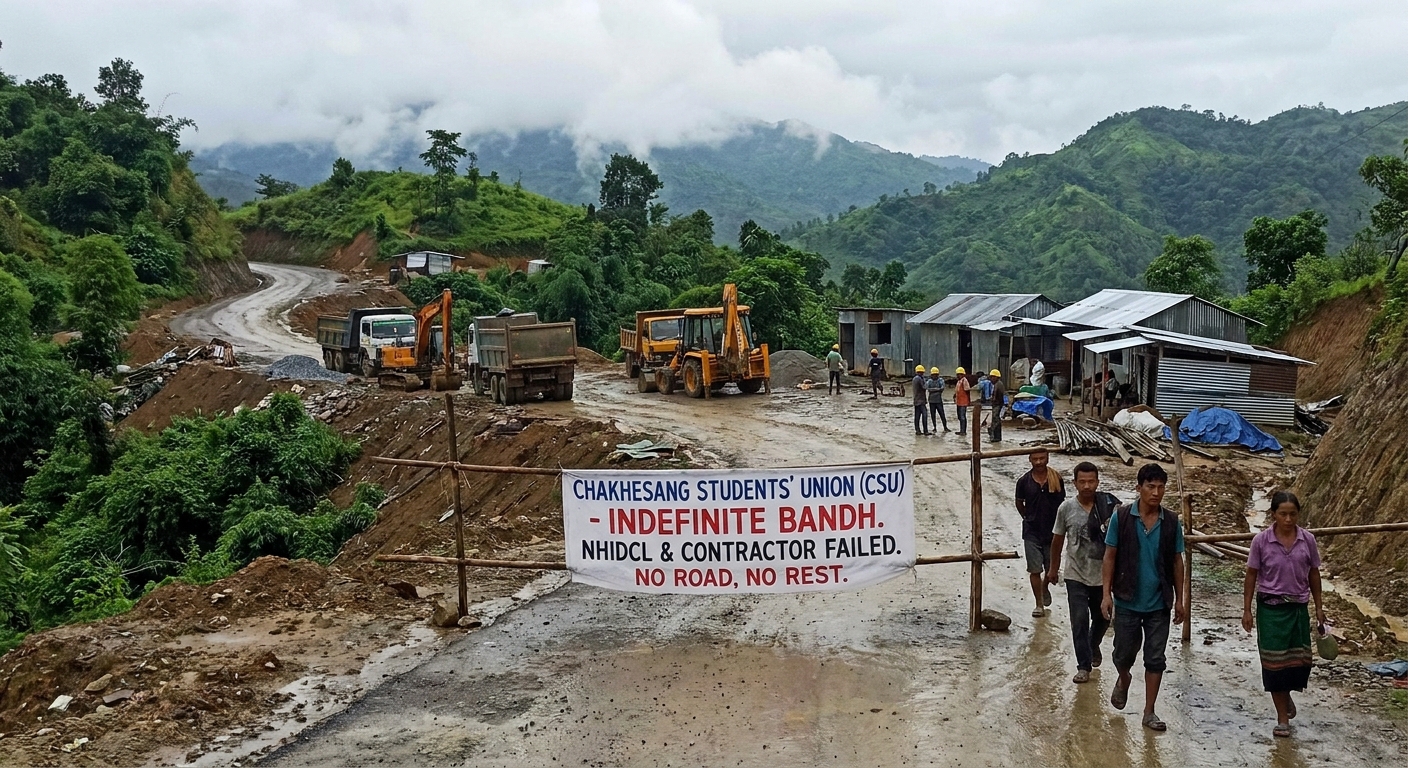
The Chakhesang Students Union has given NHIDCL 72 hours to terminate the contractor on the Chakhabama-Kikruma package of NH-29, with 44.30% physical p
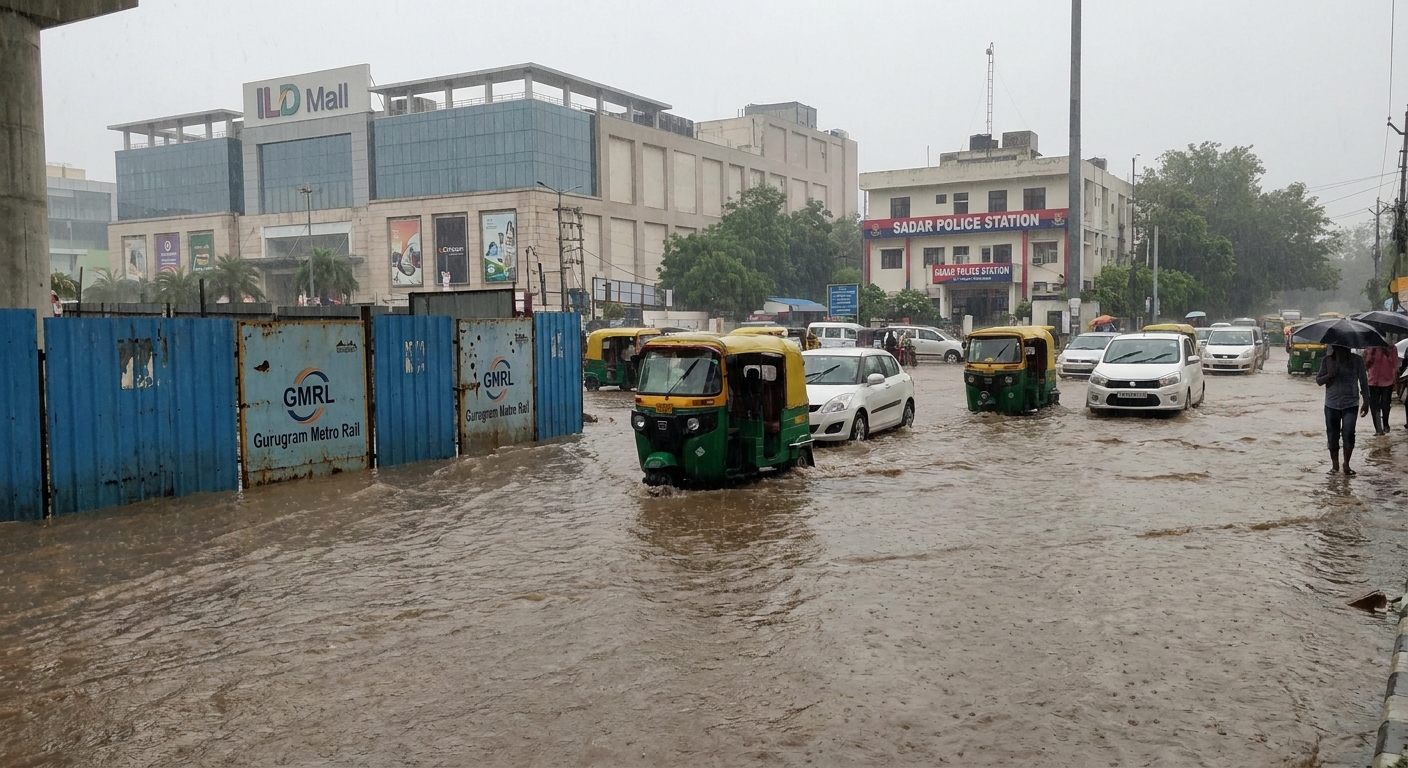
Gurugram Metro Rail Limited has locked the alignment and access gates for the Subhash Chowk Metro station, but both entrances sit in a stretch that fl
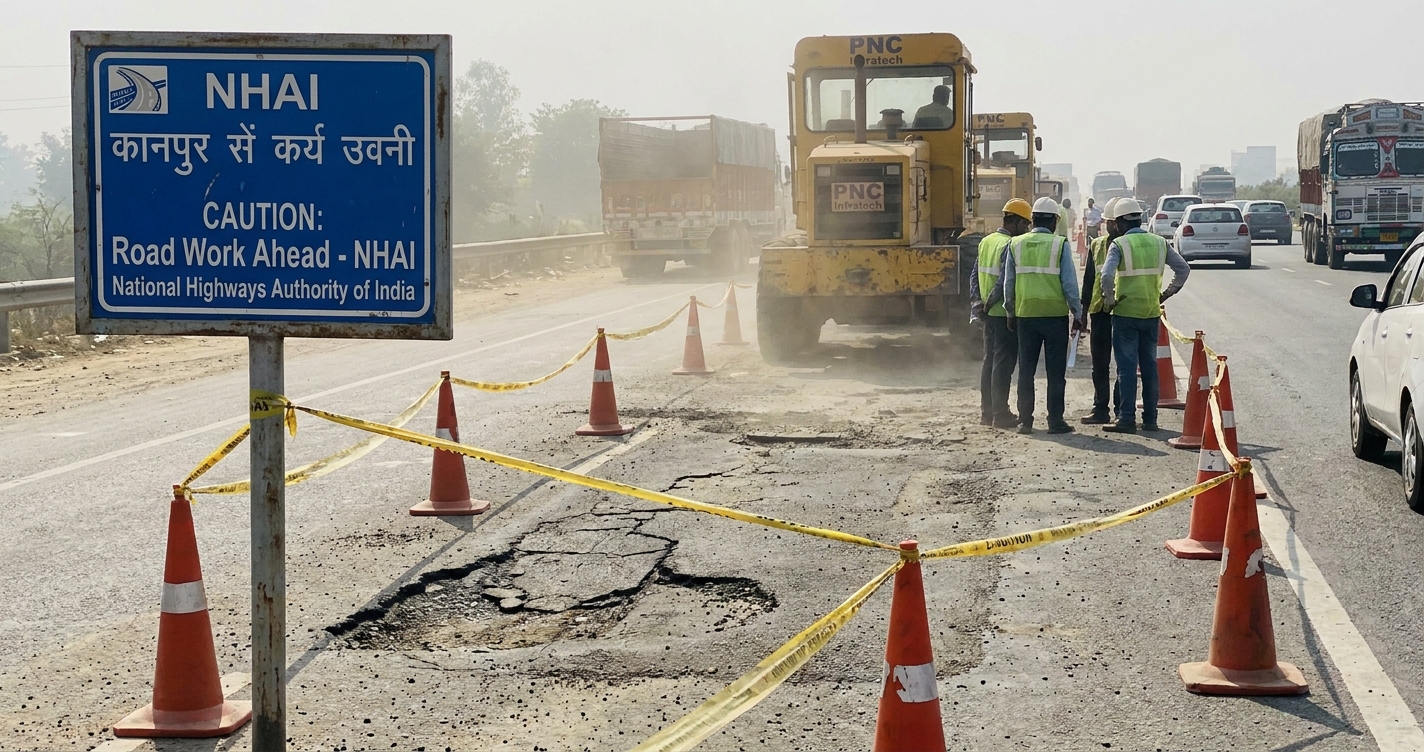
NHAI has debarred PNC Infratech from its tenders for three years and, critically, extended the penalty upward from the Awadh Expressway concessionaire


Powered by

© Tuskus 2025 - All Rights Reserved by Teamic Creative Lab Pvt. Ltd.
